

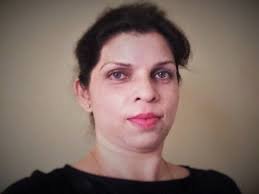
Dr. Debra Bootin Pediatrician and Child Health Care
Dr. Debra Bootin is a board-certified pediatrician providing preventive, developmental, and illness-related care for infants, children, and adolescents. Her work includes newborn support, well-child examinations, immunisations, childhood illness management, allergy and asthma care, skin concerns, minor injuries, and guidance for parents at different stages of a child’s growth.
She has cared for children across multiple generations of families. This continuity can help a pediatrician understand a child’s medical history, family health patterns, development, and response to earlier treatments.
About Dr. Debra Bootin
Dr. Bootin provides general pediatric care through Bootin and Savrick Pediatric Associates. Her practice is designed to support children from the newborn period through adolescence, covering both routine preventive visits and appointments for new symptoms.
Her documented services include:
- Newborn care
- Well-child visits
- Childhood illness assessment
- Asthma and allergy care
- Skin condition evaluation
- Minor injury care
- Immunisation guidance
- Growth and development monitoring
- Parent education
- Follow-up for ongoing health concerns
Dr. Bootin is also involved in medical education as a voluntary teaching faculty member at Baylor College of Medicine. Her professional profile lists service on committees connected with Texas Children’s Hospital and The Woman’s Hospital of Texas.
Families looking for broader information about available specialties can review the child and family health services available through Doctiplus.
Education and Pediatric Training
| Training Area | Institution | Details |
|---|---|---|
| Undergraduate education | The University of Texas at Austin | Bachelor of Arts in biology with honours |
| Medical education | Baylor College of Medicine | Doctor of Medicine |
| Residency | Baylor College of Medicine | Pediatrics |
| Board certification | American Board of Pediatrics | Board-certified pediatrician |
| Teaching role | Baylor College of Medicine | Voluntary teaching faculty |
Dr. Bootin received her medical degree from Baylor College of Medicine and remained there to complete her pediatric residency. Her undergraduate education included an honours degree in biology from The University of Texas at Austin.
Pediatric residency training covers newborn medicine, child development, preventive health, acute childhood illnesses, adolescent care, hospital pediatrics, and the management of common long-term conditions.
Professional Credentials and Memberships
Dr. Bootin is board-certified by the American Board of Pediatrics. Her professional memberships include the American Academy of Pediatrics and the Harris County Medical Society.
Board certification is different from holding a medical licence. It shows that a pediatrician has completed recognised specialty training and met the certification requirements for pediatric medicine.
Professional membership can also help physicians remain connected with updated clinical guidance, educational programmes, and discussions about changes in child healthcare.
Newborn and Infant Care
The early weeks after birth often bring questions about feeding, sleep, weight gain, skin changes, bowel movements, crying, and normal development.
A newborn visit may include:
- Reviewing the pregnancy and delivery history
- Measuring weight, length, and head circumference
- Examining the heart, lungs, abdomen, hips, skin, and reflexes
- Discussing breast or formula feeding
- Reviewing newborn screening results
- Checking for jaundice
- Discussing safe sleep
- Answering questions about bathing and cord care
- Planning future immunisations
- Arranging follow-up for weight or feeding concerns
Parents should mention any difficulty feeding, fewer wet diapers, unusual sleepiness, breathing concerns, persistent vomiting, or changes in colour.
Some concerns can be handled during a scheduled appointment, while a very young infant with a fever or serious change in behaviour may require urgent medical assessment.
Well-Child Visits and Preventive Care
Well-child visits allow a pediatrician to evaluate a child’s health even when the child does not appear ill.
The American Academy of Pediatrics recommends a planned schedule of screenings and assessments from infancy through adolescence. These visits may cover physical growth, development, vision, hearing, behaviour, emotional wellbeing, nutrition, sleep, school progress, and preventive safety.
During a well-child appointment, Dr. Bootin may review:
- Height and weight
- Head growth in infants
- Developmental milestones
- Eating habits
- Sleep patterns
- Physical activity
- School performance
- Social development
- Behavioural concerns
- Vision and hearing
- Immunisation history
- Family medical history
- Age-appropriate health risks
Well visits also give parents and older children time to raise concerns that may not fit into a brief illness appointment.
Families can use the Doctiplus doctor and specialist directory when comparing pediatric and other healthcare professionals.
Childhood Immunisations
Vaccination is an important part of preventive pediatric care. Recommended vaccines change according to a child’s age, previous doses, medical conditions, and current public-health guidance.
The CDC publishes a child and adolescent immunisation schedule to help healthcare professionals determine which vaccines are recommended at different ages.
Before vaccination, parents should tell the pediatrician about:
- Previous vaccine reactions
- Current fever or significant illness
- Known allergies
- Immune system conditions
- Current medications
- Recent blood products
- Missing or delayed vaccine records
- Travel plans
- Pregnancy in an adolescent patient
A delayed schedule does not always mean that every vaccine series must begin again. The pediatric team can review the child’s record and prepare an appropriate catch-up plan.
Growth and Development Monitoring
Children develop at different rates, but regular monitoring can help identify patterns that deserve closer attention.
A pediatric assessment may consider:
- Gross motor development
- Fine motor skills
- Speech and language
- Social interaction
- Learning
- Attention
- Emotional regulation
- Independence with daily activities
- Puberty and adolescent development
Parents should describe what the child can currently do rather than relying only on comparisons with siblings or classmates.
When a concern is identified, the pediatrician may recommend repeat observation, hearing or vision testing, developmental screening, school-based support, therapy, or evaluation by another specialist.
Childhood Illnesses Dr. Bootin May Evaluate
As a general pediatrician, Dr. Bootin may assess common acute illnesses such as:
- Fever
- Cough
- Sore throat
- Runny or blocked nose
- Ear pain
- Vomiting
- Diarrhoea
- Abdominal discomfort
- Mild breathing symptoms
- Rashes
- Eye redness or discharge
- Urinary symptoms
- Headaches
- Fatigue
- Reduced appetite
Many childhood illnesses are caused by viruses and improve with supportive care. Antibiotics are useful only for certain bacterial infections and should not be expected for every cough, fever, sore throat, or ear complaint.
The pediatrician may recommend examination, testing, observation, medication, hydration guidance, or referral depending on the child’s age, symptoms, and general condition.
Asthma and Allergy Care
Dr. Bootin’s listed services include assessment of asthma and allergies.
Children with asthma may experience:
- Recurrent coughing
- Wheezing
- Shortness of breath
- Chest tightness
- Coughing during exercise
- Night-time symptoms
- Breathing problems during respiratory infections
Evaluation may include a symptom history, examination, review of possible triggers, and breathing tests when the child is old enough to complete them reliably.
An asthma plan may address daily treatment, rescue medication, exercise, school instructions, trigger reduction, and signs that require urgent care.
Allergy-related concerns may include nasal congestion, sneezing, itchy eyes, eczema, food reactions, or symptoms linked to seasons, animals, dust, or other exposures.
Skin Conditions and Minor Injuries
Children commonly develop rashes, bites, infections, irritation, and minor injuries.
Dr. Bootin’s practice lists care for childhood skin concerns and injuries, including conditions such as eczema, diaper rash, contact dermatitis, impetigo, ringworm, warts, and molluscum contagiosum.
A skin assessment may consider:
- Where the rash started
- How quickly it spread
- Itching or pain
- Fever
- New foods or medicines
- Contact with an ill person
- New soaps or skin products
- Insect or animal exposure
- Similar symptoms in family members
Parents should seek prompt medical advice when a rash is accompanied by breathing difficulty, facial swelling, unusual sleepiness, severe pain, dehydration, or rapidly worsening symptoms.
Adolescent Health Care
Adolescents have health needs that extend beyond routine physical examination.
A pediatric visit may include discussion of:
- Puberty
- Menstrual health
- Sleep
- Nutrition
- Physical activity
- School pressure
- Emotional wellbeing
- Screen use
- Social relationships
- Safety
- Chronic health conditions
- Transition to adult medical care
Part of an adolescent visit may take place privately when appropriate. This allows the young person to ask questions while still keeping parents involved in important care decisions.
Confidentiality has limits when a young person may be at immediate risk of harm. The pediatrician can explain these limits clearly.
What Families Can Expect During an Appointment
A pediatric consultation usually begins with a discussion of the main concern and the child’s recent health.
The clinical team may review:
- Current symptoms
- Past medical conditions
- Previous hospital care
- Allergies
- Current medicines
- Immunisation history
- Growth measurements
- Development
- Eating and sleeping
- Family medical history
- School or childcare attendance
- Recent exposure to illness
The physical examination will depend on the reason for the visit. It may include the ears, throat, nose, lungs, heart, abdomen, skin, joints, reflexes, hydration, or neurological function.
Not every child requires laboratory tests or imaging. Testing is usually selected when the result may change the diagnosis or treatment plan.
Preparing for a Pediatric Appointment
Parents and caregivers can prepare by bringing:
- Immunisation records
- A list of current medicines
- Allergy information
- Previous medical reports
- Hospital discharge documents
- School or sports forms
- Growth or feeding records
- A symptom timeline
- Photographs of a changing rash
- Details of treatments already tried
- Questions from the parent and child
- Insurance information
Older children should be encouraged to describe their own symptoms when they are able. This helps them learn to take part in healthcare decisions.
Questions Parents May Ask
Useful questions may include:
- Is my child growing as expected?
- Are developmental milestones on track?
- Which vaccinations are due?
- What may be causing these symptoms?
- Does my child need testing?
- Is the condition likely to spread?
- When can my child return to school?
- Which medicine dose is appropriate?
- What side effects should I watch for?
- When should I arrange follow-up?
- Does my child need a specialist?
- Which symptoms require urgent care?
Practice and Appointment Information
Dr. Bootin provides care through Bootin and Savrick Pediatric Associates. Her professional profile lists appointments at the practice’s Medical Center and Pearland offices.
The practice provides services that include newborn care, well-child appointments, childhood illness visits, asthma and allergy management, skin care, and injury assessment.
Appointment availability, office hours, telehealth options, insurance participation, and the location where Dr. Bootin is available may change. Families should confirm current arrangements directly with the practice.
When a Child Needs Urgent Medical Care
Parents should seek urgent assessment when a child has:
- Serious breathing difficulty
- Blue or grey lips
- A seizure
- Loss of consciousness
- Severe dehydration
- A stiff neck with significant illness
- A rapidly spreading rash with fever
- A serious allergic reaction
- Severe pain after an injury
- Uncontrolled bleeding
- Sudden weakness
- Confusion or difficulty waking
- A fever in a very young infant
The appropriate response depends on the child’s age and symptoms. Emergency services should be contacted when the condition appears immediately life-threatening.
Profile Accuracy
This profile has been prepared using current publicly available professional and practice information.
Doctiplus explains its content standards through the editorial policy. Readers can also review the site’s trusted healthcare resources for information about the medical organisations used to support patient education.



Reviews
There are no reviews yet.