
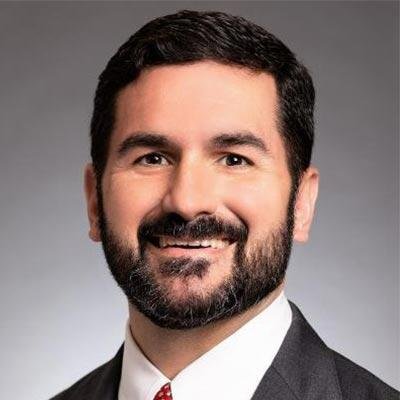
Dr. Enrique J. Garcia Pena, MD Orthopedic Surgeon and Sports Medicine
Dr. Enrique J. Garcia Pena, MD, is a board-certified orthopedic surgeon with fellowship training in orthopedic sports medicine. His clinical work focuses on injuries and conditions affecting the shoulder, elbow, hip, and knee, including ligament tears, cartilage damage, joint pain, fractures, and problems that limit movement or participation in sports.
His treatment approach may include physical therapy, activity modification, medication, injections, arthroscopic procedures, ligament reconstruction, cartilage restoration, or joint reconstruction. Surgery is not automatically recommended during an orthopedic consultation. The first step is usually to understand the symptoms, complete a physical examination, review imaging, and compare surgical and nonsurgical options.
About Dr. Enrique J. Garcia Pena
Dr. Garcia Pena provides orthopedic and sports medicine care through Texas Bone & Joint. He has particular experience with arthroscopic and minimally invasive procedures involving the shoulder, elbow, hip, and knee.
His professional interests include:
- Sports-related injuries
- Knee ligament injuries
- ACL tears
- Meniscus tears
- Cartilage damage
- Shoulder injuries
- Rotator cuff conditions
- Hip joint concerns
- Elbow injuries
- Joint instability
- Fracture care
- Osteoarthritis
- Joint reconstruction
- Return-to-sport planning
His orthopedic sports medicine fellowship included experience supporting professional, university, school, and recreational athletes. His care is also relevant for people who do not play competitive sports but want to return to walking, work, exercise, or normal daily movement after an injury.
Patients comparing related professionals can review doctors involved in specialized surgical care.
Education and Medical Training
| Training Area | Institution | Details |
|---|---|---|
| Undergraduate education | University of Chicago | Biology |
| Graduate education | Boston University | Medical sciences and research |
| Medical education | University of Puerto Rico School of Medicine | Doctor of Medicine |
| Residency | University of Puerto Rico Medical Sciences Center | Orthopedic surgery |
| Fellowship | Baylor College of Medicine and Ironman Sports Medicine Institute | Orthopedic sports medicine |
| Board certification | American Board of Orthopaedic Surgery | Orthopedic surgery |
Dr. Garcia Pena completed his orthopedic surgery residency through the University of Puerto Rico before undertaking fellowship training in orthopedic sports medicine at Baylor College of Medicine and the Ironman Sports Medicine Institute.
Residency training provided broad preparation in fracture care, trauma, joint disorders, musculoskeletal surgery, and postoperative management. His fellowship added focused experience in athletic injuries, arthroscopy, ligament reconstruction, cartilage treatment, and rehabilitation planning.
Board Certification and Professional Credentials
Dr. Garcia Pena is certified by the American Board of Orthopaedic Surgery.
His professional credentials include:
- MD, meaning Doctor of Medicine
- Residency training in orthopedic surgery
- Fellowship training in orthopedic sports medicine
- Board certification in orthopedic surgery
- Membership in the American Academy of Orthopaedic Surgeons
- Membership in the Texas Orthopedic Association
Board certification is separate from medical licensing. A license permits a doctor to practice medicine, while board certification reflects specialty training and professional assessment.
What an Orthopedic Sports Medicine Surgeon Does
An orthopedic sports medicine surgeon evaluates injuries affecting bones, joints, muscles, ligaments, tendons, and cartilage.
Patients may be referred after:
- A sports injury
- A fall or accident
- Continuing joint pain
- Reduced shoulder or knee movement
- Repeated joint instability
- A suspected ligament tear
- An abnormal X-ray or MRI
- Treatment that has not improved symptoms
- A recommendation for surgery
- Difficulty returning to normal activity
Sports medicine is not limited to professional athletes. Treatment may also help students, workers, active adults, older patients, and people who exercise occasionally.
Sports Injuries
Sports injuries may happen suddenly or develop gradually through repeated movement.
Common causes include:
- Twisting
- Falling
- Direct impact
- Sudden stopping
- Rapid changes in direction
- Repetitive throwing
- Overtraining
- Inadequate recovery
- Poor movement mechanics
- Returning to activity too quickly
Possible symptoms include pain, swelling, weakness, instability, stiffness, bruising, or loss of normal movement.
An examination may assess joint stability, muscle strength, tenderness, range of motion, balance, and the activity that caused the injury.
Patients can also review guidance about common sports injuries and prevention.
Knee Injuries
The knee contains bones, cartilage, ligaments, tendons, and muscles that work together during walking, running, jumping, and changes in direction.
Dr. Garcia Pena may evaluate knee concerns such as:
- ACL tears
- Meniscus injuries
- Cartilage defects
- Patellar instability
- Knee sprains
- Tendon injuries
- Sports-related fractures
- Osteoarthritis
- Continuing pain after an earlier injury
- Reduced movement
- Repeated swelling
The treatment plan depends on the structure involved, severity of the injury, activity goals, age, general health, and response to nonsurgical care.
ACL Injuries
The anterior cruciate ligament, commonly called the ACL, helps control knee stability during turning, landing, and sudden changes in direction.
An ACL injury may occur during:
- Football
- Basketball
- Soccer
- Gymnastics
- Skiing
- Running activities
- A fall or collision
Possible symptoms include:
- A popping sensation
- Rapid swelling
- Pain
- Difficulty continuing activity
- A feeling that the knee may give way
- Reduced movement
- Instability during turning
Evaluation may include a physical examination, X-rays, and an MRI. The doctor may also look for associated meniscus, cartilage, or additional ligament injuries.
Not every ACL injury requires surgery. Treatment may involve rehabilitation, bracing, activity changes, or ligament reconstruction. The decision depends on knee stability, associated damage, daily activity, age, and plans to return to sports involving jumping or turning.
Meniscus Tears
The menisci are cartilage structures that help absorb pressure and improve stability inside the knee.
A meniscus tear may result from a twisting injury or gradual tissue changes.
Possible symptoms include:
- Pain along the joint line
- Swelling
- Catching
- Clicking
- Difficulty fully straightening the knee
- A feeling that the knee is locked
- Pain during twisting or squatting
Treatment depends on the tear’s size, location, blood supply, symptoms, and effect on movement.
Some tears can be managed with rest, physical therapy, medication, and activity modification. Surgery may be considered when symptoms continue or the knee remains locked or unstable.
When surgery is appropriate, the goal may be to repair the meniscus or remove only the damaged portion while preserving as much healthy tissue as possible.
Cartilage Damage and Restoration
Articular cartilage is the smooth tissue covering the ends of bones inside a joint. It helps the bones move with limited friction.
Cartilage may be damaged by:
- A sports injury
- Repeated impact
- Joint instability
- A ligament tear
- Previous trauma
- Osteochondritis dissecans
- Normal wear over time
Possible symptoms include pain, swelling, catching, stiffness, or difficulty completing activity.
Dr. Garcia Pena has a particular professional interest in cartilage restoration. These procedures may be considered for selected patients with a localized cartilage injury rather than widespread arthritis.
Possible surgical approaches include:
- Microfracture
- Drilling
- Osteochondral grafting
- Cartilage-cell procedures
- Treatment of related ligament or meniscus damage
Suitability depends on the patient’s age, lesion size, location, alignment, activity level, and condition of the rest of the joint. Rehabilitation may require a period of restricted weight bearing followed by gradual physical therapy.
Patellofemoral Pain and Kneecap Concerns
Patellofemoral pain is felt around or behind the kneecap. It may worsen during stairs, squatting, running, jumping, or sitting with the knee bent for a long period.
Possible contributing factors include:
- Muscle weakness
- Reduced flexibility
- Training changes
- Foot or leg alignment
- Repeated impact
- Previous injury
- Kneecap instability
Treatment commonly begins with activity changes, physical therapy, strengthening, movement correction, and management of inflammation.
Surgery is usually considered only when a clear structural problem remains despite suitable nonsurgical treatment.
Shoulder Injuries
The shoulder allows a wide range of movement but depends heavily on muscles, tendons, ligaments, and the labrum for stability.
Dr. Garcia Pena may assess:
- Rotator cuff tears
- Shoulder instability
- Labral injuries
- Impingement
- Tendon irritation
- Dislocations
- Arthritis
- Fractures
- Pain caused by repetitive overhead movement
- Reduced shoulder strength
Shoulder symptoms may develop suddenly after an injury or gradually through repeated activity.
An assessment may include checking strength, movement, tenderness, stability, and whether symptoms travel into the arm.
Rotator Cuff Conditions
The rotator cuff is a group of muscles and tendons that helps lift and rotate the arm.
A rotator cuff problem may cause:
- Pain when lifting the arm
- Nighttime discomfort
- Weakness
- Difficulty reaching overhead
- Pain when lying on the affected shoulder
- Clicking
- Reduced movement
Treatment may include physical therapy, activity changes, medication, selected injections, or surgery.
Surgical repair may be discussed when a significant tear causes continuing weakness or pain, particularly after an injury or when nonsurgical care has not provided enough improvement. Treatment decisions consider the type of tear, age, health, activity level, and condition of the tendon and muscle.
Shoulder Labral Injuries
The labrum is a rim of cartilage around the shoulder socket. It helps deepen the socket and contributes to stability.
Labral injuries may occur after:
- A shoulder dislocation
- Falling onto an outstretched arm
- Repetitive throwing
- Heavy lifting
- Sudden pulling
- Contact sports
Symptoms may include pain, catching, clicking, weakness, or a feeling that the shoulder is slipping.
Treatment depends on the type and location of the injury. Physical therapy may be tried first, while arthroscopic repair may be considered for continuing pain or instability.
Shoulder Instability
Shoulder instability occurs when the upper arm bone moves excessively within the socket.
It may follow a complete dislocation or repeated smaller episodes.
Possible symptoms include:
- A feeling that the shoulder may slip
- Repeated dislocations
- Pain during overhead movement
- Weakness
- Fear of moving the arm into certain positions
- Reduced confidence during sports
Treatment may include physical therapy to strengthen stabilizing muscles. Surgery may be considered when instability continues, the labrum is damaged, or repeated dislocations place the joint at risk.
Hip Injuries
Hip pain can develop from problems involving cartilage, the labrum, tendons, muscles, bones, or joint shape.
Dr. Garcia Pena may assess:
- Hip labral injuries
- Impingement
- Sports-related strains
- Cartilage damage
- Joint pain
- Tendon concerns
- Early arthritis
- Stress injuries
Possible symptoms include groin pain, stiffness, clicking, reduced movement, or pain during running, turning, prolonged sitting, or deep bending.
Treatment may involve physical therapy, activity changes, medication, injections, or arthroscopic surgery for selected structural problems.
Elbow Injuries
The elbow may be affected by throwing, lifting, falling, repetitive work, or direct impact.
Possible conditions include:
- Tendon injuries
- Ligament injuries
- Cartilage damage
- Elbow instability
- Fractures
- Overuse pain
- Throwing-related injuries
- Joint stiffness
Treatment depends on the injured structure and the patient’s activity needs.
Throwing athletes may require a gradual return programme that considers strength, mechanics, workload, and recovery rather than focusing only on pain.
Fracture Care
Fractures may result from sports, falls, vehicle accidents, direct impact, or repetitive stress.
Possible signs include:
- Sudden pain
- Swelling
- Bruising
- Difficulty moving
- Inability to bear weight
- Visible deformity
- Tenderness over a bone
X-rays are commonly used to identify fractures. CT or MRI may be needed for selected injuries involving joints, cartilage, or stress fractures.
Treatment may include:
- Splinting
- Casting
- Bracing
- Restricted weight bearing
- Follow-up imaging
- Physical therapy
- Surgical fixation
Surgery may be considered when a fracture is displaced, unstable, involves a joint surface, or cannot heal in a suitable position without fixation.
Osteoarthritis and Joint Pain
Osteoarthritis develops as joint cartilage and other structures change over time.
Symptoms may include:
- Pain during movement
- Stiffness after rest
- Swelling
- Reduced range of motion
- Difficulty walking
- Grinding or catching
- Reduced ability to exercise
Treatment often begins with:
- Activity modification
- Strengthening
- Physical therapy
- Weight management when appropriate
- Medication
- Topical treatment
- Selected injections
- Bracing
Surgery may be considered when pain and loss of function remain severe despite appropriate nonsurgical care.
Arthroscopic Surgery
Arthroscopy is a minimally invasive surgical technique that uses a small camera inserted into a joint.
It can help the surgeon examine and treat selected injuries involving:
- Menisci
- Ligaments
- Cartilage
- Rotator cuff tendons
- The shoulder labrum
- Loose joint tissue
- Joint inflammation
Several small openings are normally used rather than one large incision.
Arthroscopy may reduce disruption to surrounding tissue, but it is still surgery and requires preparation, rehabilitation, and monitoring for complications.
Joint Reconstruction
Joint reconstruction aims to restore alignment, stability, movement, or joint surfaces.
It may involve:
- Ligament reconstruction
- Tendon repair
- Cartilage restoration
- Bone correction
- Joint resurfacing
- Treatment of instability
- Repair of related injuries
The procedure selected depends on the diagnosis and the amount of damage present.
Patients should ask whether reconstruction is intended to reduce pain, restore stability, delay arthritis, improve function, or support a return to a particular activity.
Nonsurgical Orthopedic Care
Many orthopedic conditions improve without surgery.
A nonsurgical plan may include:
- Temporary rest
- Activity modification
- Physical therapy
- Strengthening
- Flexibility exercises
- Bracing
- Medication
- Ice or heat guidance
- Selected injections
- Gradual return to activity
Physical therapy may help restore movement, strength, balance, and confidence. The programme should match the diagnosis rather than using the same exercises for every injury.
Patients should tell the doctor if therapy makes symptoms considerably worse or causes new swelling, instability, numbness, or weakness.
Who May Benefit From Seeing Dr. Garcia Pena
A consultation may be appropriate for patients who:
- Have continuing shoulder, elbow, hip, or knee pain
- Have experienced a sports injury
- Have a suspected ACL or meniscus tear
- Notice joint instability
- Have difficulty returning to activity
- Have an abnormal MRI
- Need fracture care
- Have cartilage damage
- Experience repeated joint swelling
- Have not improved with physical therapy
- Have been advised to consider arthroscopy
- Need another opinion before surgery
- Have symptoms following an earlier orthopedic procedure
- Want a structured return-to-sport plan
Patients searching for another healthcare professional can use the Doctiplus directory to find doctors by specialty.
What Patients Can Expect During an Appointment
The consultation usually begins with a review of the injury, symptoms, activity level, and previous treatment.
Dr. Garcia Pena may ask:
- When did the symptoms begin?
- Did a specific injury occur?
- Was there a pop or sudden swelling?
- Which movements cause pain?
- Does the joint lock, catch, or give way?
- Has strength changed?
- Which treatments have already been tried?
- Has physical therapy helped?
- Has surgery been performed before?
- What activity does the patient want to return to?
The physical examination may assess:
- Range of motion
- Joint stability
- Muscle strength
- Swelling
- Tenderness
- Walking pattern
- Balance
- Joint alignment
- Movement during selected activities
Dr. Garcia Pena may review X-rays, MRI scans, CT images, therapy notes, or earlier surgical records before recommending the next step.
Preparing for the Appointment
Patients can prepare by bringing:
- A complete medication list
- Allergy information
- X-ray images
- MRI or CT scans
- Written imaging reports
- Previous operative records
- Physical therapy notes
- Injection records
- Details of the original injury
- A symptom timeline
- Insurance information
- Referral documents
- Written questions
Patients should bring the actual imaging when possible rather than only the written report.
It may also help to explain which specific activities are difficult, such as climbing stairs, throwing, running, sleeping on one shoulder, kneeling, or turning quickly.
Questions to Ask Dr. Garcia Pena
Patients may consider asking:
- What structure is causing my symptoms?
- Do my imaging findings match my examination?
- Are additional tests needed?
- Could the injury improve without surgery?
- Which physical therapy programme is appropriate?
- Is an injection likely to help?
- Why is arthroscopy being considered?
- Can damaged tissue be repaired instead of removed?
- What are the main risks?
- How long may recovery take?
- When can I drive or return to work?
- Will I need crutches or a brace?
- When can I return to sports?
- Could the injury happen again?
- Would another opinion be reasonable?
- Which symptoms require urgent care?
Patients should understand the purpose of a proposed operation and the expected result before scheduling treatment.
Second Opinions Before Orthopedic Surgery
A second opinion may be useful when:
- Major reconstruction has been recommended
- Several procedures appear possible
- Imaging and symptoms do not seem to match
- Recovery may be lengthy
- Previous surgery did not help
- The expected improvement is uncertain
- A patient is unsure whether surgery is necessary
Another opinion may confirm the original recommendation or identify a reasonable nonsurgical option.
Recovery and Rehabilitation
Recovery depends on the condition, procedure, tissue involved, and patient’s physical health.
Follow-up may include:
- Incision checks
- Medication review
- Swelling management
- Bracing
- Crutches
- Physical therapy
- Movement restrictions
- Strengthening
- Balance training
- Gradual return to work
- Sport-specific rehabilitation
Returning to sport is usually based on movement, strength, stability, confidence, and healing rather than time alone.
Patients recovering from an operation may also benefit from reading about virtual follow-up after surgery.
Practice and Appointment Information
Dr. Garcia Pena provides orthopedic and sports medicine care through Texas Bone & Joint.
North Houston Office
800 Peakwood Drive, Suite 5D
Houston, TX 77090
West Houston Office
12606 West Houston Center Boulevard, Suite 350
Houston, TX 77082
Appointment phone:
281-836-9020
Current official practice information lists both locations and identifies sports injuries, arthroscopy, fracture care, and joint reconstruction among the services available through Texas Bone & Joint. Practice schedules and office locations may change, so patients should confirm the correct location before traveling.
Languages and Communication
Dr. Garcia Pena is listed as speaking:
- English
- Spanish
Patients who need another language should ask whether interpreter support can be arranged when booking the appointment.
Insurance and Telehealth Information
Insurance coverage depends on the patient’s exact policy, treatment, imaging facility, and surgical location.
Before scheduling, patients should ask:
- Is Dr. Garcia Pena included in my network?
- Is a referral required?
- Does an MRI need prior authorization?
- Is physical therapy covered?
- Are injections covered?
- Which facility is used for surgery?
- Is the surgical facility in network?
- Are new patients currently being accepted?
- Is telehealth suitable for follow-up?
- Should imaging be sent before the appointment?
Telehealth may be suitable for selected follow-up discussions or imaging reviews. New injuries, instability, weakness, and conditions requiring a physical examination usually need an in-person appointment.
When Orthopedic Symptoms Require Urgent Care
Patients should not wait for a routine appointment when an injury appears serious.
Urgent assessment may be needed for:
- A visibly deformed joint or limb
- Bone visible through a wound
- Heavy bleeding
- Inability to move a limb after an injury
- A cold, pale, blue, or numb hand or foot
- Sudden loss of strength
- Severe swelling
- A locked joint after trauma
- Fever with a hot and swollen joint
- Severe pain that rapidly worsens
- Increasing numbness beneath a cast or brace
- Serious symptoms after surgery
Patients experiencing severe or rapidly worsening symptoms should seek immediate medical care rather than traveling to a routine orthopedic visit.



Reviews
There are no reviews yet.