
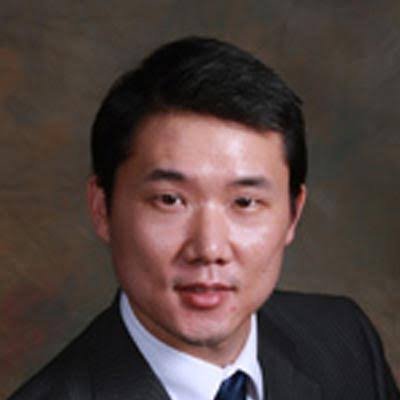
Dr. Charlie C. Chang, Endocrinologist and Diabetes Specialist
Dr. Charlie C. Chang is a board-certified endocrinologist providing specialist care for adults with diabetes, thyroid disorders, osteoporosis, adrenal conditions, cholesterol problems, and other diseases involving hormones and metabolism.
He works with patients who need help understanding abnormal hormone results, improving blood sugar control, managing long-term endocrine conditions, or investigating symptoms that may be connected to the thyroid, adrenal glands, bones, or metabolism.
Patients looking for similar specialist care can also browse the Doctiplus endocrinologist directory.
Doctor Information
Name: Dr. Charlie C. Chang, MD
Specialty: Endocrinology, Diabetes and Metabolism
Additional Specialty: Internal Medicine
Board Certification: Endocrinology
Medical School: University of Texas Southwestern Medical School
Residency: Internal Medicine, St. Paul University Hospital at Dallas
Fellowship: Endocrinology and Metabolism, University of Texas Southwestern-affiliated hospitals
Practice: CLS Health Endocrinology Associates
Primary Location: Webster, Texas
Languages Spoken: English and Mandarin Chinese
Patient Age Groups: Adults and seniors
Accepting New Patients: Current availability should be confirmed directly with the practice
About Dr. Charlie C. Chang
Dr. Chang completed his medical degree at the University of Texas Southwestern Medical School in 2000. He then completed an internal medicine residency at St. Paul University Hospital in Dallas, followed by fellowship training in endocrinology and metabolism through hospitals affiliated with the University of Texas Southwestern Medical School.
His training in both internal medicine and endocrinology helps him consider how hormonal conditions interact with cardiovascular health, kidney function, body weight, medication, nutrition, and other medical concerns.
Dr. Chang has extensive experience helping patients manage diabetes and hormonal imbalances. His clinical interests include type 1 and type 2 diabetes, thyroid disease, adrenal disorders, cholesterol problems, osteoporosis, and other endocrine conditions.
His patient-centered approach focuses on explaining test results clearly, reviewing realistic treatment choices, and developing a plan that can be followed safely over time.
Patients comparing experienced hormone specialists may also read about Dr. Basil O. Burney’s endocrinology care.
Endocrine Conditions Treated
The endocrine system consists of glands that produce hormones. These hormones influence blood sugar, metabolism, bone strength, reproduction, stress response, blood pressure, and many other essential body functions.
Dr. Chang may evaluate and manage conditions such as:
- Type 1 diabetes
- Type 2 diabetes
- Prediabetes
- Insulin resistance
- High or low blood sugar
- Hypothyroidism
- Hyperthyroidism
- Graves’ disease
- Hashimoto’s thyroiditis
- Thyroid nodules
- Adrenal nodules and masses
- Adrenal hormone disorders
- Osteoporosis
- Abnormal calcium levels
- Cholesterol disorders
- Metabolic syndrome
- Other hormonal imbalances
Symptoms of an endocrine condition can be subtle and may overlap with other medical problems. Blood testing, medical history, physical examination, and selected imaging may be needed to identify the underlying cause.
Diabetes Management
Diabetes is a long-term condition affecting how the body produces or uses insulin. Without effective management, consistently high blood sugar can gradually damage the heart, kidneys, eyes, nerves, and blood vessels.
Dr. Chang helps patients understand their glucose patterns and choose a treatment plan based on their diabetes type, laboratory results, lifestyle, existing health conditions, and risk of complications.
Diabetes care may include:
- Blood glucose monitoring
- A1C testing
- Oral diabetes medication
- Injectable diabetes treatment
- Insulin therapy
- Continuous glucose monitoring
- Prevention of low blood sugar
- Nutrition and activity planning
- Weight-related metabolic support
- Screening for diabetes complications
- Medication adjustment
- Coordination with eye, kidney, and foot specialists
Diabetes treatment often changes over time. Regular follow-up allows medication and monitoring plans to be adjusted when blood sugar patterns, health conditions, or daily routines change.
Patients can also review Dr. Genevieve Lama’s diabetes and metabolic care.
Type 1 Diabetes Care
Type 1 diabetes develops when the immune system damages the pancreatic cells responsible for making insulin. People with this condition need insulin treatment to control blood glucose.
Long-term management may involve:
- Multiple daily insulin injections
- Insulin pump therapy
- Continuous glucose monitoring
- Carbohydrate planning
- Exercise-related insulin adjustments
- Prevention of severe hypoglycaemia
- Sick-day planning
- Ketone monitoring
- Screening for related autoimmune conditions
Insulin needs may change because of illness, exercise, stress, food intake, sleep, and other medication. Careful monitoring helps patients identify patterns and make medically appropriate adjustments.
Type 2 Diabetes Care
Type 2 diabetes often involves insulin resistance, meaning the body does not respond to insulin effectively. The condition may develop gradually and sometimes causes no noticeable symptoms during its early stages.
Treatment may include:
- Nutrition adjustments
- Safe physical activity
- Weight management
- Oral medication
- Non-insulin injectable treatment
- Insulin therapy
- Glucose monitoring
- Blood pressure management
- Cholesterol control
- Kidney health monitoring
The most suitable diabetes medicine depends on factors such as A1C level, cardiovascular risk, kidney function, weight goals, side-effect risks, and other medical conditions.
Dr. Chang can review whether the current treatment remains effective and make changes when glucose levels are consistently above or below the recommended range.
Continuous Glucose Monitoring
A continuous glucose monitor uses a small sensor to measure glucose throughout the day and night. It can show how meals, exercise, medication, sleep, and illness affect blood sugar.
Continuous monitoring data may help Dr. Chang assess:
- Time spent within the target glucose range
- Overnight glucose changes
- High blood sugar after meals
- Low blood sugar episodes
- Response to insulin doses
- Day-to-day glucose variation
- Patterns that may not appear during occasional finger-stick testing
The readings must still be considered alongside medication use, meal timing, symptoms, and daily activity.
Thyroid Disorder Care
The thyroid produces hormones that help regulate metabolism, body temperature, energy use, heart rate, digestion, and other body functions.
Dr. Chang may evaluate and manage:
- Hypothyroidism
- Hyperthyroidism
- Graves’ disease
- Hashimoto’s thyroiditis
- Thyroid nodules
- Enlarged thyroid
- Abnormal thyroid blood tests
- Thyroid inflammation
- Medication-related thyroid changes
Possible symptoms of thyroid disease include:
- Unexplained tiredness
- Weight changes
- Sensitivity to heat or cold
- Rapid or slow heartbeat
- Tremor
- Constipation
- Anxiety
- Dry skin
- Muscle weakness
- Changes in menstrual cycles
These symptoms can have many causes, so thyroid blood testing is usually required before a diagnosis or treatment recommendation is made.
Hashimoto’s Thyroiditis
Hashimoto’s thyroiditis is an autoimmune condition in which the immune system gradually damages the thyroid gland. It is a common cause of an underactive thyroid.
Patients may experience tiredness, weight gain, dry skin, constipation, sensitivity to cold, reduced concentration, or changes in mood. Some people have few symptoms and are diagnosed after routine blood testing.
Treatment commonly involves thyroid hormone replacement when the gland is no longer producing enough hormone. Follow-up blood tests help determine whether the dose remains appropriate.
Graves’ Disease and Hyperthyroidism
Graves’ disease is an autoimmune condition that can cause the thyroid to produce too much hormone. This may lead to a rapid heartbeat, tremor, weight loss, sweating, anxiety, muscle weakness, or difficulty sleeping.
Evaluation may include:
- Thyroid hormone blood tests
- Thyroid antibody testing
- Physical examination
- Thyroid imaging when appropriate
- Review of eye symptoms
- Heart rate and blood pressure assessment
Treatment may involve medication, radioactive iodine, or surgery depending on the condition, symptom severity, age, pregnancy considerations, and personal health history.
Thyroid Nodule Evaluation
A thyroid nodule is a lump or area of abnormal growth within the thyroid gland. Most thyroid nodules are not cancerous, but they should be properly assessed.
An evaluation may involve:
- Neck examination
- Thyroid hormone testing
- Thyroid ultrasound
- Review of nodule size and appearance
- Assessment of swallowing or breathing symptoms
- Fine-needle aspiration when indicated
- Follow-up imaging
The need for biopsy or continued monitoring depends on the nodule’s appearance, size, growth pattern, and the patient’s medical history.
Patients seeking another specialist experienced with thyroid and metabolic conditions can view Dr. Panagiota Andreopoulou’s profile.
Adrenal Disorders
The adrenal glands sit above the kidneys and produce hormones involved in stress response, blood pressure, salt balance, and metabolism.
Dr. Chang’s clinical interests include adrenal masses, nodules, and other adrenal disorders. These findings are sometimes identified unexpectedly during imaging performed for another medical reason.
An adrenal evaluation may include:
- Hormone blood tests
- Urine testing
- Blood pressure assessment
- Potassium measurement
- Review of CT or MRI findings
- Follow-up imaging
- Referral for surgery when appropriate
Symptoms of an adrenal condition may include unexplained blood pressure changes, muscle weakness, unusual weight changes, easy bruising, persistent tiredness, or abnormal potassium levels.
Not every adrenal nodule produces excess hormones or requires surgery. The care plan depends on its size, appearance, hormone activity, and changes over time.
Cholesterol and Lipid Disorders
Cholesterol disorders can increase the long-term risk of heart attack, stroke, and blood vessel disease. Some people also have inherited conditions that cause very high cholesterol levels.
Dr. Chang may review:
- Total cholesterol
- LDL cholesterol
- HDL cholesterol
- Triglycerides
- Family history of early heart disease
- Diabetes and blood pressure
- Previous cardiovascular problems
- Response to earlier medication
Treatment may involve nutrition changes, physical activity, weight management, prescription medication, and management of related conditions such as diabetes or thyroid disease.
The goal is not simply to change a laboratory number. Treatment is selected according to the patient’s overall cardiovascular risk.
Osteoporosis and Bone Health
Osteoporosis causes bones to lose strength and become more likely to fracture. It may develop without obvious symptoms until a fracture occurs.
Dr. Chang may assess bone health using:
- Bone-density testing
- Fracture history
- Calcium and vitamin D levels
- Thyroid and parathyroid testing
- Menopause history
- Medication review
- Kidney function
- Family history of osteoporosis
- Fall risk
Treatment may include appropriate exercise, nutritional support, supplements when needed, fall-prevention planning, and prescription medication.
The most suitable treatment depends on bone density, age, fracture history, kidney function, and other individual health factors.
Hormonal and Metabolic Testing
Endocrine diagnosis often depends on carefully selected laboratory testing. Some hormone levels vary according to the time of day, food intake, medication, illness, and sleep.
Testing may include:
- A1C and glucose testing
- Thyroid-stimulating hormone testing
- Free thyroid hormone measurement
- Thyroid antibody testing
- Adrenal hormone studies
- Calcium and vitamin D testing
- Cholesterol and triglyceride measurement
- Kidney and liver function tests
- Bone-density scanning
- Thyroid or adrenal imaging
Not every patient requires every test. Dr. Chang can select the investigations that are most relevant to the symptoms and suspected condition.
Medication Management
Many endocrine conditions require medication for several years or throughout life. Regular review helps ensure that treatment remains effective and safe.
During follow-up visits, Dr. Chang may assess:
- Changes in symptoms
- Blood sugar or hormone results
- Medication side effects
- Missed doses
- Possible drug interactions
- Weight or activity changes
- Kidney and liver function
- Whether dosage changes are needed
- Progress toward treatment goals
Patients should not stop insulin, thyroid hormone, steroid replacement, or another prescribed endocrine medicine without medical guidance.
Preparing for an Endocrinology Appointment
Patients can prepare by bringing:
- A current medication list
- Recent laboratory reports
- Blood glucose records
- Continuous glucose monitor reports
- Insulin pump information
- Previous thyroid or adrenal imaging
- Earlier biopsy results
- Bone-density reports
- A list of vitamins and supplements
- Notes about current symptoms
- Questions about treatment
Patients with diabetes may find it useful to record medication doses, meal times, exercise, and episodes of high or low blood sugar.
Patients with thyroid or adrenal concerns should bring copies of earlier laboratory and imaging results when available.
Patient-Centered Endocrine Care
Dr. Chang provides specialist support for endocrine conditions that often require long-term monitoring and daily self-management. His work covers diabetes, thyroid disease, adrenal disorders, osteoporosis, cholesterol problems, and other hormonal conditions.
Treatment recommendations are based on the patient’s symptoms, medical history, laboratory results, medication response, and personal health goals. Patients should confirm appointment availability, accepted insurance plans, referral requirements, and available testing directly with the medical practice.


Reviews
There are no reviews yet.