
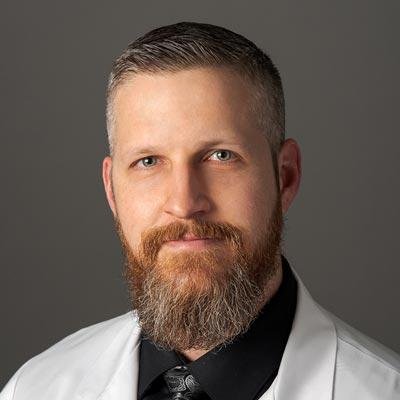
Dr. Steven T. Dennis Family Medicine and Sports Medicine Care
Dr. Steven T. Dennis, MD, is a board-certified family medicine physician with additional fellowship training in sports medicine. His clinical background allows him to care for many of the health concerns commonly handled in primary care while also assessing musculoskeletal problems such as joint discomfort, tendon injuries, strains, and other activity-related concerns. Current professional listings identify family medicine as his primary specialty.
For patients, this combination can be useful because a single visit may involve more than one issue. A person may need a routine physical, medication review, blood pressure follow-up, and evaluation of a painful knee or shoulder. Family medicine is designed to look at those concerns together instead of treating every symptom as an isolated problem.
About Dr. Steven T. Dennis
Dr. Dennis provides primary and preventive medical care through family medicine. This specialty covers routine health examinations, new symptoms, common illnesses, chronic medical conditions, preventive screening, medication management, and referrals when a more focused specialist is needed.
His sports medicine training adds another layer to his practice. Patients with joint pain, muscle problems, repetitive-use symptoms, exercise-related injuries, or difficulty returning to normal physical activity may benefit from an assessment that considers both their general health and the musculoskeletal problem.
Patients comparing primary care options can also browse other family medicine specialists listed on Doctiplus.
Education and Medical Training
Dr. Dennis completed undergraduate studies in biology at the University of Houston before attending the University of Texas Medical Branch for medical school. HCA Houston Healthcare reports that he completed his medical degree in 2004.
He continued with family medicine residency training through the Memorial Family Medicine Residency Program and served as chief resident during 2006 to 2007. He later completed a sports medicine fellowship at Sports Medicine Associates of San Antonio in 2008.
| Training Area | Institution or Program | Details |
|---|---|---|
| Undergraduate education | University of Houston | Bachelor of Science in Biology |
| Medical education | University of Texas Medical Branch | Doctor of Medicine |
| Residency | Memorial Family Medicine Residency Program | Family medicine training |
| Residency leadership | Memorial Family Medicine Residency Program | Chief resident, 2006 to 2007 |
| Fellowship | Sports Medicine Associates of San Antonio | Sports medicine fellowship completed in 2008 |
Residency provides the broad clinical foundation needed to care for patients with many different medical concerns. Sports medicine fellowship training provides additional experience in evaluating injuries, physical activity problems, joint complaints, and musculoskeletal conditions.
Board Certification and Credentials
Dr. Dennis is certified by the American Board of Family Medicine according to his current professional provider listing.
Board certification in family medicine reflects formal specialty training and successful completion of certification requirements. It is separate from a medical licence, hospital affiliation, or fellowship.
His sports medicine fellowship should also be understood separately from his family medicine board certification. Fellowship training represents additional focused education after residency.
How Family Medicine Fits Into His Care
Family physicians often become the first medical professional patients contact when they are unsure what type of doctor they need.
A family medicine appointment may address several concerns at the same time. For example, a patient could discuss headaches, review blood pressure medication, ask about laboratory results, and mention persistent shoulder discomfort during the same visit.
That broad view can also help identify connections between symptoms. Fatigue, for example, might be related to sleep, medication, blood sugar, anemia, thyroid function, infection, stress, or another medical issue. A primary care physician can begin the assessment and decide whether testing or specialist care is appropriate.
Preventive Healthcare
Preventive care is an important part of family medicine because many significant health risks produce few obvious symptoms during their early stages.
A routine visit may involve reviewing blood pressure, cholesterol, glucose levels, vaccination history, family medical history, medications, physical activity, sleep, and recommended screenings.
Preventive recommendations are not identical for everyone. Age, personal history, family history, current medications, previous test results, and individual risk factors influence which screenings are appropriate.
Regular primary care also provides a useful opportunity to identify changes over time rather than relying on a single isolated test result.
Chronic Condition Management
Family physicians commonly help patients manage conditions that need attention for months or years rather than one short course of treatment.
Dr. Dennis’s family medicine practice may involve ongoing monitoring of concerns such as high blood pressure, diabetes, high cholesterol, asthma, and other chronic medical problems listed within his professional provider information.
Long-term management often involves more than renewing medication. The physician may need to compare laboratory trends, review side effects, assess whether treatment goals are being met, and determine whether another specialist should become involved.
Patients who want more background on continuing care can read about long-term chronic illness management on Doctiplus.
Sports Medicine Focus
Sports medicine is not limited to competitive athletes. Many patients develop musculoskeletal problems through work, exercise, hobbies, repetitive movements, falls, or normal daily activity.
A sports medicine assessment may be useful for a person who develops persistent discomfort after increasing exercise, has trouble returning to activity after an injury, or experiences recurring pain during a particular movement.
Problems may involve muscles, tendons, ligaments, joints, or surrounding soft tissues. Examples can include bursitis, tendinitis, muscle strains, repetitive-use problems, and joint discomfort. Current provider information specifically associates Dr. Dennis with conditions including bursitis, muscle spasms, tendinitis, and tennis elbow.
Doctiplus also provides information about sports injury treatment and musculoskeletal services for patients trying to understand where this type of care fits within a wider treatment plan.
Joint and Tendon Problems
Pain around a joint does not always originate from the joint itself. Tendons, muscles, ligaments, bursae, nerves, and nearby structures can all produce symptoms that feel similar.
This is why the history of the problem matters. A physician may ask whether pain started suddenly or gradually, whether an injury occurred, which movements trigger symptoms, whether swelling is present, and whether strength or range of motion has changed.
An examination can help determine whether additional testing such as an X-ray, ultrasound, MRI, or another study may be useful.
Not every musculoskeletal complaint requires advanced imaging. In some cases, the history and physical examination provide enough information to begin conservative treatment and monitor improvement.
Bursitis and Overuse Symptoms
Bursae are small fluid-filled structures that reduce friction around certain joints. Irritation of a bursa can cause localized tenderness, swelling, or pain with particular movements.
Repetitive activity, pressure, injury, or changes in movement patterns may contribute to symptoms. Treatment depends on the location and underlying cause.
A family physician with sports medicine training can assess whether discomfort appears consistent with an overuse problem or whether another condition should be considered.
Tendinitis and Tendon Pain
Tendons connect muscles to bones and can become painful after repetitive loading, sudden increases in activity, or injury.
Patients may notice pain during movement, tenderness near a joint, reduced exercise tolerance, or discomfort that returns whenever a particular activity is attempted.
The goal of evaluation is not simply to name the painful structure. The physician may also look at activity patterns, strength, mobility, previous injury, and factors that could delay recovery.
Acute Illness and Everyday Medical Care
Family medicine also covers many short-term illnesses that do not necessarily require specialist care.
Patients may arrange an appointment for respiratory symptoms, infections, digestive concerns, headaches, allergies, minor injuries, skin problems, or other new symptoms.
The physician can evaluate whether the problem is likely to improve with routine treatment or whether laboratory testing, imaging, urgent care, or specialist assessment is appropriate.
This ability to manage both short-term and ongoing conditions is one reason continuity with a primary care physician can be useful.
Annual Physical Examinations
An annual physical provides an opportunity to review health beyond the reason for the patient’s most recent sick visit.
A physical may include a review of medications, allergies, medical history, previous procedures, family history, vital signs, screening needs, and changes since the previous examination.
Patients can make these appointments more useful by mentioning symptoms they may have gradually become used to, such as reduced exercise tolerance, persistent tiredness, recurring headaches, changes in sleep, or unexplained discomfort.
Medication Review
Medication management is particularly important for patients taking several prescriptions or receiving treatment from multiple specialists.
During a medication review, a family physician may consider whether medicines remain necessary, whether doses are appropriate, whether side effects have appeared, and whether two treatments could interact.
Patients should generally bring an accurate list that includes prescription medicines, over-the-counter products, vitamins, and other regularly used products.
When a Specialist Referral May Be Needed
Family medicine physicians manage many conditions directly, but an important part of primary care is recognizing when another type of specialist is needed.
A referral may be appropriate when symptoms remain unexplained, treatment is not working as expected, advanced testing is required, or a condition falls outside routine family medicine management.
For musculoskeletal concerns, this could mean referral to orthopedics, physical therapy, rehabilitation, rheumatology, neurology, or another appropriate service depending on the findings.
The referral does not replace the role of primary care. Dr. Dennis may continue to manage the patient’s general medical needs while another clinician handles the more specialised problem.
What Patients Can Expect During an Appointment
A useful family medicine visit usually begins with context rather than a single symptom.
Dr. Dennis may review how long the concern has been present, what has already been tried, current medicines, previous diagnoses, recent testing, and other health conditions that could influence treatment.
For a sports or musculoskeletal problem, the examination may focus on movement, strength, tenderness, swelling, joint stability, and the activities that reproduce symptoms.
For chronic health concerns, the discussion may instead focus on laboratory trends, medication response, home readings, symptoms, and long-term treatment targets.
The actual examination depends on why the patient is being seen.
Preparing for a Visit
Patients can usually make a primary care appointment more productive by arriving with the information most likely to affect clinical decisions:
- Current prescription and nonprescription medications
- Known medication allergies
- Recent laboratory or imaging reports
- Important previous diagnoses
- Dates of major procedures or hospital care
- Blood pressure or glucose readings when relevant
- A short timeline explaining when symptoms began
- Previous treatments attempted
- Details of an injury when discussing sports medicine
- Insurance and referral information
- A short list of the questions that matter most
For an injury, it can also help to explain what you could do before the problem started and what you can no longer do comfortably.
Questions Worth Asking About a Musculoskeletal Problem
Patients often get more from the appointment when they understand not only the diagnosis but also what should happen next.
Useful questions may include whether the painful area needs imaging, which activities can safely continue, whether physical therapy may help, how recovery will be monitored, and what signs would justify a follow-up visit.
If an injection, medication, or procedure is discussed, patients can also ask about alternatives and the expected purpose of that treatment.
Follow-Up Is Part of the Treatment
Not every medical problem can be fully understood during one appointment.
Sometimes the most informative part of care is seeing what changes after treatment. A physician may begin with a reasonable first approach and then reassess symptoms, test results, blood pressure, blood glucose, mobility, or medication response.
For chronic conditions, follow-up helps reveal trends that a single measurement may miss.
For sports injuries, it can show whether strength and movement are returning as expected or whether further evaluation is needed.
Insurance and Appointment Planning
Current provider listings indicate that Dr. Dennis participates with multiple health plans, but insurance networks can change and individual policies can have different requirements. Patients should therefore verify their exact plan before the appointment.
It is useful to confirm whether a referral is required, whether the physician is in network, whether imaging or procedures need prior authorization, and what copayment or deductible may apply.
Patients who need general information about coverage can review Doctiplus guidance on insurance coverage for primary care.
Current Practice Information
Current professional listings associate Dr. Dennis with Specialty Associates of West Houston PLLC and show practice locations in Webster, Houston, and Texas City. The Webster office listing includes 251 W Medical Center Blvd, Suite 300, with 281-486-7900 as the contact number.
Because physicians may change schedules or work at more than one clinic, patients should confirm which office is appropriate when making an appointment rather than relying on an older address.
New-patient availability, individual office hours, accepted insurance, and appointment types can also change.
Telehealth and Follow-Up Options
Some primary care concerns can be managed effectively through telehealth, particularly when the appointment involves reviewing results, discussing medication response, or following a stable chronic condition.
Other problems require an in-person examination. Joint instability, significant swelling, muscle weakness, a new injury, breathing problems, or symptoms requiring hands-on testing may not be suitable for an online-only visit.
Patients managing an ongoing condition may find Doctiplus information about using online care for chronic illness follow-up useful when deciding which type of appointment to request.
When Primary Care Is the Right Starting Point
One of the practical strengths of family medicine is that patients do not always need to identify the correct specialist before seeking help.
If you have a new symptom and are unsure whether it belongs to cardiology, orthopedics, gastroenterology, dermatology, or another specialty, a family physician can often perform the initial evaluation.
The doctor can begin appropriate testing, treat concerns that fall within primary care, and arrange further assessment when the situation requires more specialised expertise.
For Dr. Dennis, his additional sports medicine training may be particularly useful when that first evaluation involves pain, mobility, exercise, a joint problem, or an activity-related injury.




Reviews
There are no reviews yet.