
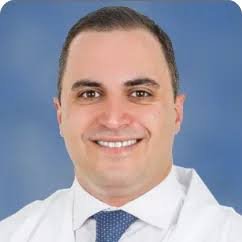
Dr. Bassem B. Maximos, MD Obstetrician Gynecologist and Women’s Health Care
Dr. Bassem B. Maximos, MD, MPH, FACOG, is a board-certified obstetrician and gynecologist providing reproductive, pregnancy, preventive, menopausal, and surgical gynecologic care. His clinical interests include minimally invasive gynecologic surgery, laparoscopic hysterectomy, menopause management, hormone therapy, and both routine and higher-risk obstetric care. Current institutional profiles also identify experience with pregnancy complicated by hypertension, diabetes, preterm labor, and multiple gestation.
For patients, an OB-GYN appointment can serve very different purposes at different stages of life. One visit may focus on preventive screening or contraception, another on pregnancy monitoring, pelvic pain, abnormal bleeding, menopause symptoms, or whether surgery is appropriate. Dr. Maximos’s professional background covers this wider continuum rather than one narrow area of women’s health.
About Dr. Bassem B. Maximos
Dr. Maximos provides obstetric and gynecologic care for adolescents and adults. Memorial Hermann currently lists him in obstetrics and gynecology and gynecology, while his practice describes care extending from reproductive years through menopause. He treats patients age 12 and older.
His stated clinical interests include minimally invasive gynecologic procedures, laparoscopic hysterectomy, menopausal health, hormone replacement options, preventive gynecology, and pregnancy care. Patients researching similar care can also review Doctiplus information about obstetrics and gynecology services.
One useful feature of this type of practice is that the same specialty can address both routine concerns and conditions that may eventually require procedural treatment. A patient with heavy periods, for example, may begin with an examination and ultrasound rather than surgery. If fibroids, endometriosis, or another structural problem is found, treatment can then be discussed according to symptom severity, reproductive plans, and previous therapies.
Education and OB-GYN Training
Dr. Maximos completed undergraduate studies at La Sierra University before attending St. George’s University School of Medicine. Current professional profiles report that he completed combined medical and public health education, earning his medical degree in 2003.
His postgraduate obstetrics and gynecology training began at Louisiana State University. He later continued residency training at the institution now associated with Rutgers Robert Wood Johnson Medical School after relocating following Hurricane Katrina.
| Training Area | Institution | Details |
|---|---|---|
| Undergraduate education | La Sierra University | Arts and sciences |
| Medical education | St. George’s University School of Medicine | Medical degree |
| Public health education | Combined MD/MPH pathway | Master of Public Health |
| Early OB-GYN training | Louisiana State University | Obstetrics and gynecology |
| Residency completion | Robert Wood Johnson Medical School | Obstetrics and gynecology |
| Specialty | Obstetrics and Gynecology | Preventive, pregnancy and surgical women’s care |
OB-GYN residency combines medical and surgical training. Physicians learn routine gynecologic care, prenatal medicine, labor and delivery, emergency obstetrics, gynecologic surgery, reproductive health, and management of complications.
This training allows the physician to evaluate a problem before determining whether medication, monitoring, a minimally invasive procedure, or more extensive surgery is appropriate.
Board Certification and Professional Background
Current Memorial Hermann and Maximos OB/GYN profiles identify Dr. Maximos as board certified in obstetrics and gynecology. He also uses the FACOG professional designation, indicating fellowship in the American College of Obstetricians and Gynecologists.
Board certification, medical licensure, professional fellowship, and hospital privileges are separate credentials. For patients comparing OB-GYNs, the most useful approach is to consider these qualifications alongside the doctor’s residency training, current areas of practice, surgical experience, and whether the physician regularly handles the condition for which care is being sought.
Preventive Gynecology Through Different Life Stages
Preventive gynecology may include routine examinations, cervical screening, reproductive planning, contraception discussions, menstrual health, sexual health concerns, and evaluation of changes that appear with age.
The purpose of routine gynecologic care is not to perform every available test at each visit. Screening should reflect a patient’s age, history, previous results, symptoms, medications, family history, and individual risk factors.
Dr. Maximos’s practice describes care for adolescents, reproductive-age patients, and patients going through menopause. This can provide continuity as healthcare needs change over time.
Patients interested in pregnancy planning, infertility topics, or reproductive care can also use the Doctiplus fertility and reproductive health resources.
Pregnancy and Prenatal Care
Obstetrics is a major part of Dr. Maximos’s professional profile. His clinical background includes both lower-risk and higher-risk pregnancy management as well as operative delivery and cesarean delivery. Memorial Hermann specifically identifies experience with hypertensive disorders of pregnancy, diabetes, premature labor, and multiple gestation.
Prenatal visits generally combine monitoring with planning. A patient’s blood pressure, symptoms, laboratory results, previous pregnancy history, fetal growth, ultrasound findings, medications, and existing medical conditions can all influence how closely a pregnancy needs to be followed.
Not every pregnancy labeled higher risk will develop a major complication. The term usually means that the patient or pregnancy has a factor requiring additional attention or monitoring.
For patients trying to understand situations that deserve closer attention, Doctiplus provides guidance on high-risk pregnancy warning signs, alongside broader reproductive-health information.
Minimally Invasive Gynecologic Surgery
Minimally invasive gynecologic surgery is one of Dr. Maximos’s stated areas of clinical interest. His practice specifically describes laparoscopic and robotic surgical techniques, while Memorial Hermann lists gynecologic surgery among his interests.
A minimally invasive procedure generally uses smaller access points and specialized instruments rather than one larger abdominal incision. Depending on the condition, surgery may be performed laparoscopically, robotically, hysteroscopically, vaginally, or through another approach.
The smallest incision is not automatically the best operation. The surgeon has to consider the diagnosis, anatomy, previous surgery, size and location of abnormal tissue, reproductive goals, and whether the selected approach can safely accomplish the purpose of treatment.
Hysterectomy and Surgical Decision Making
A hysterectomy removes the uterus and may be considered for selected gynecologic conditions when symptoms are significant or other treatments have not provided adequate relief. Dr. Maximos’s current clinical profiles specifically identify laparoscopic hysterectomy and gynecologic surgery among his areas of care.
The reason for recommending hysterectomy matters. Patients should understand what condition is being treated, whether alternatives exist, whether the ovaries are involved in the plan, how the procedure may affect future fertility, and what recovery is likely to involve.
A recommendation for surgery should therefore be the end of an evaluation process rather than the beginning of one.
Endometriosis Care
Endometriosis can be associated with pelvic pain, painful periods, discomfort during intercourse, fertility concerns, or other symptoms, although some people have less obvious signs.
Dr. Maximos’s practice includes endometriosis among the gynecologic conditions it manages. Treatment may depend on symptom severity, age, reproductive plans, previous medication, imaging findings, and whether surgery has previously been performed.
Not every patient with endometriosis requires surgery. Hormonal treatment and symptom management may be appropriate for some patients, while laparoscopic treatment may be considered in selected circumstances.
Patients who want additional background before discussing treatment can read about treatment options for endometriosis.
Uterine Fibroids and Abnormal Bleeding
Fibroids are noncancerous growths that develop from uterine muscle. They may cause heavy menstrual bleeding, pelvic pressure, discomfort, urinary symptoms, anemia, or reproductive concerns, although some produce no noticeable symptoms.
Fibroid care is included among the services described by Dr. Maximos’s practice. The presence of a fibroid on ultrasound does not automatically mean that surgery is necessary.
Treatment decisions depend on its location and size, the number of fibroids, severity of bleeding or pain, age, fertility goals, previous treatment, and whether the imaging finding actually explains the patient’s symptoms.
This is an area where two patients with apparently similar ultrasound results may reasonably receive different recommendations.
Menopause and Hormone Management
Menopausal health and hormone therapy are specifically identified among Dr. Maximos’s clinical interests.
Menopause can involve changes in menstrual patterns, hot flashes, sleep, vaginal comfort, urinary symptoms, mood, and other aspects of health. Treatment is individualized because the severity of symptoms and suitability of hormone therapy vary from patient to patient.
A menopause consultation may include discussion of symptoms, medical history, medication use, previous gynecologic conditions, cardiovascular risk, family history, and the potential benefits and limitations of different treatments.
Hormone treatment is not simply a matter of whether a patient wants hormones. The type, dose, route, duration, medical history, and individual risk profile all need consideration.
Contraception and Reproductive Planning
Contraception is another part of comprehensive gynecologic care. The appropriate method depends on much more than convenience.
An OB-GYN may discuss whether a patient wants pregnancy soon or several years later, menstrual symptoms, previous contraception experiences, medication use, migraine history, blood pressure, and other medical factors.
Patients who have difficulty becoming pregnant may also need an evaluation that looks beyond contraception and routine gynecology. Doctiplus provides a broader collection of reproductive health and fertility information for patients preparing questions before specialist care.
What Patients Can Expect During an Appointment
A gynecology appointment generally begins with the reason for the visit. Dr. Maximos may need to understand menstrual history, pregnancy history, current medications, previous surgery, contraceptive use, earlier test results, and how symptoms affect daily activities.
The examination and testing depend on the concern. A patient with abnormal bleeding may require a different evaluation from someone seeking prenatal care, contraception, menopause treatment, or a second opinion about surgery.
Possible diagnostic information can include pelvic examination findings, laboratory testing, cervical screening, ultrasound, pathology reports, or previous surgical records.
The most helpful consultation should leave the patient understanding what is known, what is still uncertain, and why the next step has been recommended.
Preparing for a Visit With Dr. Maximos
Patients can make the appointment more productive by organizing the information that directly relates to their concern. Useful items may include:
- A current medication and supplement list
- Medication allergies
- Dates and pattern of menstrual bleeding
- Pregnancy and delivery history
- Previous Pap or HPV test results
- Ultrasound or other pelvic imaging
- Relevant laboratory results
- Previous gynecologic surgical reports
- Pathology or biopsy results
- Information about contraception or hormone treatments already tried
- A short symptom timeline
- Questions about fertility, treatment alternatives, surgery, or recovery
For abnormal bleeding or pelvic pain, a short symptom record can be particularly useful. It may help to note when the problem occurs, how long it lasts, whether it follows the menstrual cycle, and how much it limits work, sleep, exercise, or normal activity.
When a Second Gynecologic Opinion Can Be Valuable
A second opinion can be useful when major surgery has been recommended, fertility could be affected, symptoms continue despite treatment, or several reasonable treatment approaches exist.
For example, a patient considering hysterectomy may want to understand whether medication, a less extensive procedure, or continued monitoring remains reasonable. Someone with endometriosis or fibroids may want to know how treatment could affect future pregnancy plans.
Seeking another opinion does not mean the first doctor’s recommendation was incorrect. It can simply help a patient understand the tradeoffs before making a significant decision.
Current Practice and Appointment Information
Current professional sources list Dr. Maximos with Maximos OB/GYN, and Community Health Network also maintains a current provider profile identifying his areas of expertise as gynecology and obstetrics. Memorial Hermann currently lists him as accepting new patients.
Current provider information also lists English, Spanish, and Arabic. Patients who prefer care in a particular language should confirm availability when scheduling.
Appointment availability, insurance participation, the office used for a specific visit, and hospital arrangements can change. Patients should confirm these practical details directly with the practice, particularly when planning prenatal care or a surgical procedure.
Understanding Dr. Maximos’s Clinical Profile
The clearest verified picture of Dr. Bassem B. Maximos is that of a board-certified OB-GYN with experience spanning preventive gynecology, obstetrics, menopause care, and minimally invasive gynecologic surgery. His background is especially relevant for patients who want one specialist capable of evaluating both medical and surgical options for common women’s health concerns.
Readers can review the Doctiplus editorial policy to understand how healthcare information is prepared and maintained.




Reviews
There are no reviews yet.