
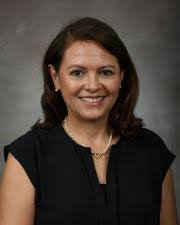
Dr. Maria C. Caldas-Vasquez, MD Pediatric Endocrinologist and Child Hormone Care
Dr. Maria C. Caldas-Vasquez, MD, is a pediatric endocrinologist whose professional background combines pediatric medicine with fellowship training in pediatric endocrinology. UT Physicians currently lists her specialty as Pediatric Endocrinology and identifies her as accepting new pediatric patients. Memorial Hermann likewise lists Pediatric Endocrinology as her specialty.
Her training is particularly relevant when a child has concerns involving growth, puberty, thyroid function, blood sugar, bone development, or another condition influenced by hormones. These are common reasons children are referred to pediatric endocrinology, although they should not be interpreted as confirmation that Dr. Caldas-Vasquez personally treats every endocrine disorder.
She also currently participates in the UT Physicians High Risk Children’s Clinic, which cares for children with complex medical needs.
Parents researching related physicians can browse pediatric specialists on Doctiplus, while the Doctiplus Children’s Health section provides broader information about childhood growth, development, nutrition, and common health concerns.
About Dr. Maria C. Caldas-Vasquez
Dr. Caldas-Vasquez is professionally listed as Maria C. Caldas-Vasquez, MD, with NPI 1508024464. UT Physicians currently identifies her as a pediatric endocrinologist and lists her at the UT Physicians High Risk Children’s Clinic.
Her professional role is somewhat broader than a typical standalone endocrine practice. McGovern Medical School currently lists her as an Assistant Professor within its Department of Pediatrics and places her in the Pulmonary & Sleep Medicine Division, with a stated clinical interest in pulmonary high-risk complex care. At the same time, UT Physicians and Memorial Hermann continue to list Pediatric Endocrinology as her clinical specialty.
That combination suggests involvement in multidisciplinary pediatric care, particularly for children whose medical needs cross more than one specialty.
For parents, this can be useful because growth or hormone concerns sometimes occur alongside chronic illness, respiratory disease, nutritional challenges, developmental issues, or other complicated pediatric conditions.
Medical Education and Pediatric Training
Dr. Caldas-Vasquez earned her medical degree from Escuela Colombiana de Medicina, now associated with Universidad El Bosque in Bogotá, Colombia, in 1995. McGovern Medical School also documents pediatric residency training at Universidad El Bosque from 1998 through 2001.
After continuing her medical career in the United States, she completed another Pediatrics residency at the University of Texas Medical Branch in Galveston from 2008 through 2011. She then completed a Pediatric Endocrinology fellowship at Baylor College of Medicine and Texas Children’s Hospital from 2011 through 2014.
| Training Area | Institution | Details |
|---|---|---|
| Medical education | Escuela Colombiana de Medicina / Universidad El Bosque | MD, 1995 |
| Pediatric residency | Universidad El Bosque | 1998–2001 |
| Pediatric residency | University of Texas Medical Branch | 2008–2011 |
| Fellowship | Baylor College of Medicine / Texas Children’s Hospital | Pediatric Endocrinology, 2011–2014 |
| Current specialty listing | UT Physicians and Memorial Hermann | Pediatric Endocrinology |
This training pathway combines general pediatric medicine with advanced study of the endocrine system in children.
Pediatric endocrinology differs from adult endocrinology because hormone conditions can directly affect physical development. A problem involving thyroid hormones, growth, puberty, or metabolism may have different implications in a growing child than in an adult.
Board Certification and Professional Background
McGovern Medical School currently lists Dr. Caldas-Vasquez as certified by the American Board of Pediatrics, with certification dating from 2012.
Her official UT Physicians and Memorial Hermann profiles identify Pediatric Endocrinology as her specialty, and Doximity independently documents completion of a Pediatric Endocrinology fellowship at Baylor College of Medicine from 2011 through 2014.
It is useful to keep these details separate. Her verified fellowship training is specifically in pediatric endocrinology, while the current McGovern faculty page explicitly lists American Board of Pediatrics certification.
Understanding Pediatric Endocrinology
The endocrine system consists of glands and hormones that help regulate growth, metabolism, puberty, blood sugar, bone development, and many other processes.
Children may be referred to pediatric endocrinology when their growth or development follows an unexpected pattern or when laboratory testing suggests a hormone-related problem.
Common reasons for referral within pediatric endocrinology can include:
- Unusual growth patterns
- Early or delayed puberty
- Thyroid abnormalities
- Diabetes
- Blood-sugar problems
- Growth hormone concerns
- Adrenal disorders
- Calcium or bone metabolism concerns
- Differences in sexual development
- Other hormone-related conditions
These are examples of conditions managed within the specialty generally. They should not be read as confirmation that Dr. Caldas-Vasquez personally provides every treatment associated with each condition.
Doctiplus also includes growth hormone evaluation, thyroid testing, and diabetes screening within its broader endocrinology services.
Growth Concerns in Children
One common reason families reach pediatric endocrinology is concern about height or growth rate.
A child being shorter or taller than classmates does not automatically indicate a hormone problem. Genetics, nutrition, timing of puberty, chronic medical conditions, and normal individual variation can all influence growth.
A pediatric endocrinology evaluation may consider:
- Current height and weight
- Previous growth measurements
- Growth rate over time
- Parents’ heights
- Birth and pregnancy history
- Nutrition
- Chronic medical conditions
- Medication history
- Pubertal development
- Laboratory results when appropriate
The pattern over time is usually more informative than one measurement.
This is why families should bring earlier growth records when available. Measurements from pediatric visits over several years can help show whether the child has always followed a similar growth pattern or has recently begun growing more slowly.
The Doctiplus Children’s Health resources also cover childhood growth and development as part of broader pediatric health.
Growth Hormone Evaluation
Growth hormone helps regulate normal childhood growth, but short stature alone does not prove that a child has growth hormone deficiency.
A specialist may first need to review family height patterns, growth velocity, nutrition, thyroid function, chronic illness, puberty, and other possible explanations.
When further testing is appropriate, blood testing or other endocrine evaluation may be used to determine whether hormone production needs closer assessment.
Doctiplus includes growth hormone evaluation within its endocrinology care overview.
The important point for families is that treatment should follow a clear diagnosis. Growth hormone therapy is not simply a way to make any shorter child taller.
Thyroid Conditions in Children
The thyroid gland produces hormones that influence metabolism, energy use, growth, and development.
Pediatric thyroid problems can sometimes be identified because of symptoms, examination findings, or abnormal blood tests.
Possible concerns that may prompt endocrine evaluation include unexpected changes in growth, energy, weight patterns, temperature tolerance, heart rate, or other findings, although these symptoms can also have many non-thyroid explanations.
A pediatric endocrinologist may review thyroid hormone testing along with the child’s clinical history before deciding whether monitoring or treatment is needed.
An abnormal thyroid test should therefore be interpreted in context rather than treated as a diagnosis by itself.
Puberty and Hormonal Development
Puberty normally begins within a broad age range, and children do not all develop at the same pace.
Pediatric endocrinology becomes more relevant when puberty appears unusually early, significantly delayed, or progresses in an unexpected way.
An assessment may consider:
- Age when changes first appeared
- Growth pattern
- Family history of puberty timing
- Physical development
- Medications
- Chronic medical conditions
- Laboratory results
- Bone development when relevant
The aim is to determine whether the child represents normal variation or whether an endocrine condition deserves further evaluation.
Parents should avoid comparing development too rigidly with siblings or classmates because normal timing can vary considerably between healthy children.
Diabetes and Blood-Sugar Concerns
Pediatric endocrinologists commonly participate in the care of children with diabetes and other blood-sugar disorders.
Diabetes care in children can involve more than checking glucose numbers. Growth, nutrition, physical activity, school routines, medication, family education, and long-term monitoring may all become part of treatment.
The type of diabetes also matters.
Different forms of diabetes can require very different approaches, so diagnosis should be established before treatment decisions are made.
Families transferring diabetes care should bring previous laboratory results, medication information, glucose records, and details of any monitoring technology currently being used.
While diabetes falls within pediatric endocrinology generally, families should confirm Dr. Caldas-Vasquez’s current individual diabetes services when arranging an appointment.
Bone and Mineral Development
Doximity currently identifies pediatric bone metabolism disorders as an area associated with Dr. Caldas-Vasquez’s professional profile.
Bone health during childhood depends on several factors, including nutrition, vitamin and mineral balance, hormones, physical activity, chronic illness, and genetics.
Certain endocrine conditions can affect calcium regulation, vitamin D metabolism, bone mineralization, or normal skeletal development.
A specialist may become involved when laboratory results or clinical findings suggest that a hormone-related process is affecting bone health.
Because bone development occurs throughout childhood and adolescence, the significance of an abnormal test can differ from what the same result might mean in an adult.
Children With Complex Medical Needs
One particularly distinctive part of Dr. Caldas-Vasquez’s current profile is her work with the UT Physicians High Risk Children’s Clinic. The clinic is designed for children with complex medical conditions and brings together pediatric physicians and other healthcare professionals.
McGovern Medical School also lists her clinical interest as pulmonary high-risk complex care, despite her Pediatric Endocrinology specialty listing through UT Physicians.
Children with significant chronic medical needs may have several specialists involved at once.
For example, one child may require pulmonary care, nutrition support, endocrinology, developmental services, and primary pediatrics. In such situations, treatment decisions need to account for how one condition or medication may affect another.
This multidisciplinary setting is particularly relevant when hormone or growth questions are only one part of a larger medical picture.
Academic and Teaching Role
McGovern Medical School currently lists Dr. Caldas-Vasquez as an Assistant Professor within its Department of Pediatrics.
She has also participated in departmental teaching, mentorship, and professional programs. McGovern lists her among leaders in its CONNECT Pediatrics Mentorship Program, and departmental updates document her participation in pediatric academic activities.
In April 2026, McGovern Medical School reported that Dr. Caldas-Vasquez and colleagues presented work at the Pediatric Endocrine Society of Texas, Oklahoma, and Arkansas annual conference.
Academic activity does not automatically change the treatment a patient receives, but it provides additional context about a physician’s involvement in pediatric education and current specialty discussions.
Research and Children With Medical Complexity
Dr. Caldas-Vasquez has also contributed to published pediatric research.
Her Doximity publication record includes work involving telemedicine for children with medical complexity, neurocognitive functioning in congenital central hypoventilation syndrome, and home administration programs for medically complex children.
These research topics align with her current work in a high-risk pediatric clinic and suggest professional involvement extending beyond isolated hormone conditions.
For families of medically complex children, this broader background may be particularly relevant when endocrine questions occur alongside several other chronic health needs.
What Families Can Expect During a Pediatric Endocrinology Visit
A pediatric endocrine consultation usually begins with the reason the child was referred.
Depending on the concern, Dr. Caldas-Vasquez may need information about:
- Growth measurements
- Birth history
- Previous medical conditions
- Family height
- Puberty timing
- Current medications
- Nutrition
- Previous laboratory results
- Earlier hormone testing
- Imaging when relevant
- Care being provided by other pediatric specialists
The physical examination and testing depend on the clinical question.
A child referred because of slow growth does not necessarily need the same evaluation as a child with an abnormal thyroid test or unusual pubertal development.
The goal is to identify whether the pattern represents normal variation, a hormone-related condition, another chronic medical issue, or a finding that simply needs monitoring.
Preparing for an Appointment With Dr. Caldas-Vasquez
Parents can make the consultation more useful by bringing records that show how the concern developed over time.
Helpful information can include:
- Previous height and weight measurements
- Pediatric growth charts when available
- Recent blood tests
- Thyroid results
- Blood-sugar records when relevant
- Previous endocrine testing
- Current medication names and doses
- Specialist records
- Hospital discharge information
- Birth and pregnancy history when relevant
- Family history of growth or endocrine conditions
For growth concerns, older measurements may be especially valuable.
A single height recorded today cannot show whether a child has been growing normally for years or has recently moved away from their previous pattern.
Questions Worth Asking During the Consultation
Parents may find it useful to ask:
- Is my child’s growth pattern actually abnormal?
- Could normal family height explain the measurements?
- Are laboratory tests necessary?
- What hormone condition are you considering?
- Does my child need additional imaging or testing?
- Could another chronic illness be affecting growth?
- Is puberty occurring within the expected range?
- Does this need treatment now or continued monitoring?
- How often should growth or laboratory testing be reviewed?
- Should another pediatric specialist also be involved?
These questions help families understand the reason for testing rather than focusing only on whether one laboratory number appears outside a reference range.
Current Practice and Appointment Information
UT Physicians currently lists Dr. Caldas-Vasquez at the UT Physicians High Risk Children’s Clinic and identifies her as accepting new pediatric patients. The current appointment number listed for that clinic is 832-325-7196.
Memorial Hermann also currently lists the same appointment number and identifies Pediatric Endocrinology as her specialty. Its physician profile lists Children’s Memorial Hermann Hospital and Memorial Hermann Texas Medical Center among affiliated centers.
UT Physicians lists English as a spoken language, while Memorial Hermann currently lists both English and Spanish.
Practice schedules, insurance participation, appointment availability, hospital affiliations, and clinic responsibilities can change. Families should confirm current details directly with the clinic when scheduling.
Understanding Dr. Caldas-Vasquez’s Clinical Profile
The clearest verified professional picture of Dr. Maria C. Caldas-Vasquez is that of a pediatric physician with advanced fellowship training in Pediatric Endocrinology and current work involving medically complex children. UT Physicians and Memorial Hermann both identify Pediatric Endocrinology as her specialty, while McGovern Medical School documents her academic role and clinical involvement in pulmonary high-risk complex pediatric care.
Her education includes medical training in Colombia, pediatric residency training in both Colombia and the United States, and Pediatric Endocrinology fellowship training at Baylor College of Medicine and Texas Children’s Hospital.
For families, the practical value of this background is the ability to consider growth and hormone concerns within the wider context of a child’s health. Short stature, unusual puberty, an abnormal thyroid result, or another endocrine finding may be important, but treatment decisions are most useful when they account for development, family history, medications, chronic illness, and the child’s overall medical picture.
Readers can also browse the Doctiplus Pediatrics directory and Children’s Health resources for additional patient-focused information about childhood growth and development.

Reviews
There are no reviews yet.