
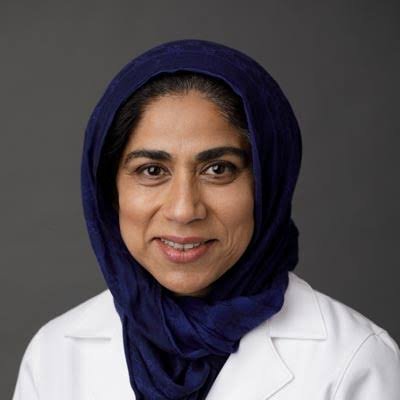
Dr. Uzma Iqbal, MD Hematology and Medical Oncology
Dr. Uzma Iqbal, MD, is a hematologist and medical oncologist practicing in Houston, Texas. Her clinical work focuses on blood disorders and cancer care, including anemia, abnormal blood-cell counts, bleeding and clotting disorders, leukemia, lymphoma, multiple myeloma, and other hematologic and oncologic conditions. Current professional records list board certification in Internal Medicine, Hematology, and Medical Oncology.
Dr. Iqbal practices through the Houston Center of HOPE, where her work combines hematology, oncology, and integrative medicine. She has described herself as the practice’s President and Medical Director and states that she established her solo practice in 2007 with an emphasis on personalized and relationship-centered healthcare.
Patients searching for other physicians who treat blood disorders can also visit the Doctiplus Hematology category.
Hematology Care
Hematology is the medical specialty concerned with blood, bone marrow, blood-forming tissues, and disorders that affect these systems.
Dr. Iqbal’s professional records identify Hematology as one of her board-certified specialties. Current clinical listings associate her practice with conditions including anemia, low or elevated white blood-cell counts, immune thrombocytopenia, blood-clotting disorders, myeloproliferative disorders, leukemia, lymphoma, and multiple myeloma.
A hematology evaluation may begin after an abnormal complete blood count or when symptoms suggest a possible blood disorder. Depending on the situation, further evaluation can involve repeat blood tests, examination of blood cells, iron or vitamin studies, coagulation testing, imaging, or bone marrow testing.
The exact tests depend on what abnormality has been identified and the patient’s medical history.
Anemia Evaluation
Anemia occurs when the blood does not have enough healthy red blood cells or hemoglobin to provide normal oxygen delivery throughout the body.
Dr. Iqbal’s current clinical records identify anemia among the conditions she treats frequently. Her listed hematology experience includes several forms of anemia as well as vitamin B12 deficiency, folate deficiency, hemolytic anemia, and other blood abnormalities.
Anemia is not a single disease. It may develop because of iron or vitamin deficiency, bleeding, chronic disease, kidney problems, inherited conditions, destruction of red blood cells, or disorders affecting bone marrow.
Treatment therefore depends on identifying the underlying cause rather than simply correcting a low blood count.
A hematologist may become involved when anemia is persistent, severe, unexplained, associated with abnormalities in other blood cells, or does not respond as expected to initial treatment.
Platelet And Bleeding Disorders
Platelets are blood components that help the body form clots after an injury. Abnormally low or high platelet levels can sometimes require hematology evaluation.
Dr. Iqbal’s current treatment profile includes immune thrombocytopenia, thrombocytosis, coagulation disorders, von Willebrand disease, hemophilia, and several inherited clotting-factor deficiencies.
People with platelet or clotting disorders may experience unusual bruising or bleeding, although laboratory abnormalities may sometimes be identified before obvious symptoms develop.
Evaluation can include blood counts, clotting studies, medication review, family history, and specialized laboratory testing.
Because medications and other illnesses can influence bleeding and clotting, the hematologist considers the patient’s overall health rather than a laboratory number alone.
Blood Clots And Hypercoagulable Conditions
Hematologists can also evaluate patients whose blood has an increased tendency to form clots.
Dr. Iqbal’s clinical listings include deep vein thrombosis, chronic pulmonary embolism, hypercoagulable states, antiphospholipid syndrome, and related coagulation disorders.
When unexplained or recurrent blood clots occur, evaluation may include reviewing personal and family history, previous illnesses, medications, pregnancy-related factors, cancer history, and other possible risk factors.
Some patients require anticoagulant medication, while others may need more specialized testing to determine whether an underlying blood-clotting disorder is present.
Decisions about anticoagulant treatment should be individualized because these medications can also increase bleeding risk.
Medical Oncology
Medical oncology focuses on diagnosing and treating cancer using systemic treatments such as chemotherapy, targeted therapies, immunotherapy, and hormone-based treatments when appropriate.
Dr. Iqbal is board certified in Medical Oncology through the American Board of Internal Medicine and is currently identified professionally as both a hematologist and oncologist.
Cancer treatment is highly individualized. The National Cancer Institute explains that available approaches can include chemotherapy, radiation therapy, immunotherapy, targeted therapy, surgery, hormone therapy, and stem-cell transplantation depending on the cancer involved.
A medical oncologist often coordinates systemic cancer treatment while working with surgeons, radiation oncologists, pathologists, radiologists, and other specialists.
Chemotherapy
Chemotherapy remains an important treatment for many cancers and blood malignancies.
The National Cancer Institute explains that chemotherapy uses medicines to kill cancer cells and is especially effective against cells that are growing rapidly.
Chemotherapy plans differ considerably between cancer types. A treatment regimen may involve one medication or several medicines given in combination.
The choice of treatment can depend on the exact diagnosis, cancer stage, tumor characteristics, previous treatment, organ function, overall health, and treatment goals.
Medical oncologists also monitor blood counts and other laboratory results because cancer therapies can affect normal blood-forming cells as well as cancer cells.
Targeted Therapy And Immunotherapy
Modern oncology increasingly uses treatments selected according to specific characteristics of a cancer.
The National Cancer Institute explains that targeted therapies interfere with particular proteins or biological changes that help cancer cells grow and spread.
Immunotherapy works differently. It helps the immune system recognize or attack cancer and has become an established treatment option for several forms of cancer.
Not every patient is a candidate for these treatments. Laboratory testing, molecular testing, tumor characteristics, previous therapy, and the specific cancer diagnosis help determine whether a targeted drug or immunotherapy may be appropriate.
Leukemia Care
Leukemia is cancer affecting blood-forming tissues and blood cells. Different forms of leukemia behave differently and can require very different treatment approaches.
Dr. Iqbal’s clinical profile includes experience with acute leukemia, chronic lymphocytic leukemia, chronic myeloid leukemia, and other hematologic malignancies.
For example, the National Cancer Institute notes that treatment options for chronic lymphocytic leukemia can include observation, targeted therapy, chemotherapy, immunotherapy, radiation therapy, and stem-cell transplantation depending on the clinical situation.
This illustrates why an accurate leukemia diagnosis is so important. Treatment is selected according to the exact disease subtype, laboratory findings, molecular characteristics, symptoms, age, overall health, and previous treatment.
Lymphoma
Lymphoma develops from cells of the lymphatic and immune systems.
Current clinical records associated with Dr. Iqbal include Hodgkin lymphoma, non-Hodgkin lymphoma, diffuse large B-cell lymphoma, follicular lymphoma, central nervous system lymphoma, and other lymphoma diagnoses.
Some lymphomas grow slowly and can occasionally be monitored before treatment becomes necessary. Others require treatment soon after diagnosis.
A hematologist-oncologist evaluates pathology results, imaging, laboratory findings, disease stage, symptoms, and individual patient characteristics before recommending a treatment plan.
Follow-up after therapy can also remain important because patients may require monitoring for recurrence as well as long-term treatment effects.
Multiple Myeloma And Plasma Cell Disorders
Multiple myeloma is a cancer involving plasma cells, which are immune cells found in bone marrow.
Dr. Iqbal’s clinical profile includes multiple myeloma, monoclonal gammopathy, amyloidosis, and other conditions involving abnormal blood or plasma cells.
The National Cancer Institute describes several treatment approaches for plasma-cell cancers, including targeted therapies, immunomodulating treatments, monoclonal antibodies, chemotherapy, corticosteroids, and stem-cell transplantation for appropriate patients.
Some abnormal plasma-cell conditions do not immediately require cancer treatment and may instead require regular monitoring.
The hematologist determines the significance of abnormal proteins or bone-marrow findings and whether observation or active treatment is appropriate.
Breast And Solid Tumor Oncology
Dr. Iqbal’s background also includes medical oncology beyond blood cancers. Her professional history has included involvement in breast cancer care and broader medical oncology services.
Breast cancer treatment can involve several specialties. The National Cancer Institute states that treatment may include combinations of surgery, radiation therapy, chemotherapy, hormone therapy, targeted therapy, and immunotherapy depending on the tumor and stage.
A medical oncologist helps determine whether systemic treatment is necessary and which medicines are most appropriate according to pathology and biomarker results.
Integrative Medicine In Cancer Care
Dr. Iqbal’s professional profile also identifies integrative medicine as an area incorporated into her Houston Center of HOPE practice.
Integrative cancer care generally refers to combining evidence-based conventional cancer treatment with supportive strategies intended to address symptoms, overall well-being, nutrition, physical activity, stress, and other aspects of health.
Integrative approaches should complement proven cancer treatment rather than replace it.
Patients should tell their oncology team about vitamins, herbal products, supplements, or complementary therapies they use because some products can interact with chemotherapy, anticoagulants, or other prescribed treatments.
Personalized Cancer Treatment
Cancer is increasingly classified according to biological characteristics rather than the organ where it began alone.
Targeted therapies are one example. NCI explains that these treatments act on specific molecular changes that help cancer cells grow or survive.
For some cancers, molecular or biomarker testing can therefore influence which treatment is selected.
This more individualized approach is consistent with Dr. Iqbal’s stated emphasis on personalized medicine at Houston Center of HOPE.
However, not every tumor has an actionable target, and not every targeted drug is appropriate for every patient.
Cancer Follow-Up And Survivorship
Cancer care often continues after active treatment has finished.
Follow-up appointments may monitor for recurrence, review laboratory or imaging results, address treatment-related effects, and help patients manage longer-term health concerns.
The frequency and type of follow-up depend on the original cancer, stage, treatment received, current health, and individual recurrence risk.
Patients should maintain records of their diagnosis, pathology, chemotherapy or immunotherapy treatments, radiation history, and surgical procedures because this information may remain important years later.
Education And Medical Training
Dr. Iqbal graduated from Fatima Jinnah Medical College in Lahore, Pakistan, according to multiple current professional sources.
Her postgraduate training in the United States included Internal Medicine residency training associated with the Mount Sinai system. Doximity records an Internal Medicine residency at Mount Sinai Hospital from 1996 through 1999.
She subsequently pursued fellowship training in Hematology and Medical Oncology. Current professional records list fellowship training through the Icahn School of Medicine at Mount Sinai from 1999 through 2001, followed by additional Hematology and Medical Oncology fellowship training at Westchester Medical Center from 2001 through 2002.
This training established her background in both non-cancerous blood disorders and medical cancer treatment.
Board Certification
Current professional records list Dr. Iqbal as certified through the American Board of Internal Medicine in:
- Internal Medicine
- Hematology
- Medical Oncology
Doximity’s current 2026 professional directory confirms all three certifications, while HCA Houston Healthcare also identifies Hematology as board certified and Medical Oncology as one of her specialties.
Her Texas medical license is currently listed through 2027.
Houston Center Of HOPE
Dr. Iqbal is the President and Medical Director of the Houston Center of HOPE, a practice focused on hematology, oncology, and integrative medicine. She has stated that she founded the solo practice in 2007.
Her current professional address is listed as:
11307 FM 1960 Road West, Suite 330
Houston, Texas 77065
Doximity, Healthgrades, HCA-related listings, and other current professional directories consistently identify this Houston location.
Current listings also indicate that Dr. Iqbal accepts new patients and provides telehealth appointments for appropriate visits.
Patients should confirm scheduling, insurance participation, and telehealth eligibility directly with the practice because these details may change.
Hospital Affiliations
Current professional directories consistently associate Dr. Iqbal with HCA Houston Healthcare Tomball. Healthgrades currently identifies this facility as one of her principal hospital affiliations.
Other professional records have also associated her with North Cypress-area hospital care. Because hospital relationships and privileges may change, patients who expect inpatient cancer treatment or another hospital-based service should verify the current facility with her practice.
Medical Education And Leadership
In addition to direct patient care, Dr. Iqbal has participated in medical education and healthcare leadership.
A recent Sam Houston State University profile identifies her as an Adjunct Clinical Professor at the University of Houston’s Tilman J. Fertitta Family College of Medicine. The same profile describes her work in physician leadership, healthcare administration, mentorship, and community service.
Her professional background therefore extends beyond clinical hematology and oncology into physician education and healthcare leadership.
Preparing For A Hematology Or Oncology Appointment
Patients can prepare for an appointment by bringing laboratory results, imaging reports, pathology reports, previous biopsy information, hospital records, and an updated medication list.
Someone being evaluated for an abnormal blood count should bring previous blood tests when available. Comparing results over time can help determine whether an abnormality is new, stable, or progressively changing.
Patients receiving cancer care should also bring information about previous chemotherapy, radiation, surgery, immunotherapy, or targeted treatments.
A complete list of vitamins and supplements is useful as well, particularly when chemotherapy or anticoagulant medication is being considered.
Writing down questions before the visit can make it easier to discuss the diagnosis, treatment goals, alternatives, expected side effects, monitoring, and follow-up plan.
Comprehensive Hematology And Oncology Care
Dr. Uzma Iqbal’s professional background combines Internal Medicine, Hematology, and Medical Oncology with a longstanding Houston practice focused on patients with cancer and blood disorders. Her clinical experience includes common hematologic conditions such as anemia and platelet abnormalities as well as more complex diagnoses such as leukemia, lymphoma, multiple myeloma, and solid tumors.
Her role at the Houston Center of HOPE also incorporates integrative and personalized approaches alongside standard hematology and oncology care.
For patients facing an abnormal blood test or cancer diagnosis, consultation with a hematologist-oncologist can help clarify the diagnosis, determine whether additional testing is necessary, and establish an individualized treatment or monitoring plan.




Reviews
There are no reviews yet.