
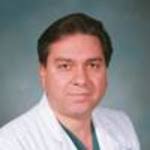
Dr. Salim F. Dabaghi, MD Cardiology and Interventional Cardiology
Dr. Salim Farid Dabaghi, MD, FACC, is a board-certified cardiologist and interventional cardiologist practicing in Angleton, Texas. His professional background includes cardiovascular disease, interventional cardiology, adult congenital heart disease, cardiac catheterization, valvular heart disease, heart rhythm disorders, and the evaluation and treatment of other cardiovascular conditions.
Dr. Dabaghi currently practices at Angleton Cardiology Clinic, where WellMed lists cardiovascular disease as his principal clinical specialty. His current practice address is 4005 Technology Road, Suite 1510, Angleton, Texas.
He completed his medical degree at the American University of Beirut Faculty of Medicine, followed by internal medicine residency training and a cardiovascular disease fellowship at Baylor College of Medicine. He is certified by the American Board of Internal Medicine in both Cardiovascular Disease and Interventional Cardiology.
Patients looking for additional heart specialists can also visit the Doctiplus Cardiology category, which includes physicians providing evaluation and treatment for cardiovascular conditions.
Cardiology Care
Cardiology focuses on disorders affecting the heart and blood vessels. These include coronary artery disease, heart rhythm abnormalities, heart valve disease, heart failure, congenital heart conditions, and other problems involving cardiovascular circulation.
Dr. Dabaghi is consistently listed as a cardiologist, with additional specialization in interventional cardiology and adult congenital heart disease. His professional profile also identifies experience in valvular heart disease, cardiac catheterization, cardiac critical care, and sinus bradycardia.
Patients may be referred to a cardiologist because of chest discomfort, palpitations, shortness of breath, dizziness, abnormal heart testing, high cardiovascular risk, or an established heart condition requiring specialist follow-up.
The National Heart, Lung, and Blood Institute describes cardiovascular diseases as a broad group that includes coronary heart disease, arrhythmias, heart attacks, high blood pressure, congenital heart defects, and other heart and vascular disorders.
Interventional Cardiology
Dr. Dabaghi is certified in Interventional Cardiology by the American Board of Internal Medicine.
Interventional cardiology uses catheter-based techniques to diagnose and treat certain cardiovascular conditions. These procedures can sometimes address narrowed or blocked coronary arteries without traditional open-heart surgery.
Cardiac catheterization allows physicians to obtain detailed information about heart function and blood vessels. The American Heart Association explains that cardiac catheterization can identify cardiovascular problems and can also allow procedures such as angioplasty and stent placement to open narrowed arteries.
Whether a patient needs catheterization depends on symptoms, previous cardiac testing, medical history, and the likelihood of significant cardiovascular disease.
Not every person with heart disease requires an invasive procedure. Medication, lifestyle changes, monitoring, and noninvasive testing may be appropriate for many patients.
Coronary Artery Disease
Coronary artery disease occurs when arteries supplying blood to the heart become narrowed or blocked, often because of atherosclerotic plaque.
Dr. Dabaghi’s interventional cardiology background includes experience with cardiac catheterization, which can be important when significant coronary disease is suspected.
The American Heart Association explains that a coronary angiogram can identify narrowed or blocked coronary arteries and help a cardiovascular team decide which treatment steps may be appropriate.
Treatment for coronary heart disease depends on the severity of symptoms and the patient’s overall health. NHLBI notes that treatment may involve heart-healthy lifestyle changes, medications, or procedures intended to improve blood flow and reduce the risk of cardiovascular complications.
Patients with coronary disease may therefore receive very different treatment plans depending on their individual circumstances.
Cardiac Catheterization And Coronary Angiography
Cardiac catheterization is an important diagnostic and therapeutic tool within interventional cardiology.
During the procedure, a thin catheter is guided through a blood vessel toward the heart. Imaging and measurements can then help physicians evaluate blood flow, coronary artery narrowing, heart pressures, and other cardiovascular concerns.
The American Heart Association states that coronary angiography specifically shows whether coronary arteries are narrowed or blocked.
Dr. Dabaghi’s professional profile identifies cardiac catheterization as one of his areas of clinical experience.
If significant narrowing is identified, some patients may be treated with percutaneous coronary intervention. This can include balloon angioplasty and placement of a stent to help restore blood flow.
The most appropriate approach depends on where disease is located, how severe it is, the patient’s symptoms, and other medical conditions.
Heart Valve Disease
Dr. Dabaghi’s professional profile identifies valvular heart disease among his areas of experience.
The heart contains valves that control the direction of blood flow. Valve problems can develop when a valve becomes narrowed, does not close properly, or otherwise interferes with normal circulation.
Current clinical listings for Dr. Dabaghi show experience with conditions involving the mitral and aortic valves, including mitral regurgitation, aortic valve disease, and related cardiovascular conditions.
NHLBI explains that treatment for heart valve disease depends on the type and severity of the condition. Care can include medicines to manage symptoms or related heart problems, while some patients eventually require a procedure to repair or replace a valve.
Echocardiography is commonly used to assess valve structure and function and can help cardiologists determine whether a condition is mild and suitable for monitoring or requires more active treatment.
Heart Rhythm Disorders
Heart rhythm problems, also called arrhythmias, occur when the heart beats too quickly, too slowly, or irregularly.
Current clinical information associated with Dr. Dabaghi includes experience with arrhythmias such as supraventricular tachycardia, atrial tachycardia, ventricular tachycardia, sinus bradycardia, and other abnormal heart rhythms.
NHLBI defines arrhythmias as problems with the rate or rhythm of the heartbeat and notes that treatment can include medication or procedures depending on the specific rhythm problem.
Symptoms may include palpitations, dizziness, shortness of breath, weakness, or fainting, although some rhythm abnormalities may initially be identified through an electrocardiogram or other testing.
An accurate diagnosis is important because treatments vary considerably between different types of arrhythmia.
Heart Palpitations
Palpitations are sensations that the heart is racing, fluttering, pounding, or beating irregularly.
Current clinical records include heart palpitations among the conditions evaluated in Dr. Dabaghi’s cardiology practice.
The American Heart Association notes that palpitations can be associated with arrhythmias, including atrial fibrillation. Symptoms occurring with dizziness, significant shortness of breath, chest pain, or fainting deserve timely medical attention.
A cardiology evaluation may involve an electrocardiogram, ambulatory heart monitor, echocardiogram, laboratory tests, or additional testing depending on the pattern of symptoms.
Atrial Fibrillation
Atrial fibrillation is one of the most common forms of irregular heart rhythm.
Current physician information associated with Dr. Dabaghi includes paroxysmal atrial fibrillation among conditions treated in his cardiology practice.
NHLBI explains that atrial fibrillation develops because of abnormal electrical activity in the heart’s upper chambers. High blood pressure and coronary heart disease are among conditions that can contribute to changes in heart tissue and electrical signaling.
Treatment may involve medications, lifestyle measures, and procedures intended to control the heart rate or rhythm and reduce the risk of blood clots.
The appropriate treatment depends on factors such as symptoms, stroke risk, age, other cardiovascular conditions, and how often the rhythm abnormality occurs.
Slow Heart Rhythm And Pacemaker Evaluation
Dr. Dabaghi’s professional profile also identifies experience with sinus bradycardia, a condition in which the heart rhythm is slower than expected.
A slow heart rate does not always indicate disease. Some healthy people naturally have lower resting heart rates. In other cases, bradycardia can be related to abnormalities in the heart’s electrical system, medications, or underlying cardiovascular disease.
Current clinical data also associate Dr. Dabaghi with pacemaker-related care.
NHLBI explains that pacemakers may be used for certain arrhythmias when electrical signaling problems prevent the heart from maintaining an appropriate rhythm, although not every patient with an arrhythmia requires one.
Evaluation is individualized and may involve electrocardiography, ambulatory monitoring, symptom assessment, and other cardiovascular testing.
Adult Congenital Heart Disease
Dr. Dabaghi’s Doximity profile lists adult congenital heart disease as one of his specialty areas.
Congenital heart disease refers to structural abnormalities of the heart that are present from birth. Advances in diagnosis and treatment mean many people with congenital heart conditions now continue receiving cardiovascular care well into adulthood.
Some adults require only periodic monitoring, while others need ongoing imaging, medication, rhythm evaluation, or additional procedures.
NHLBI notes that adults living with congenital heart defects can face complications including heart failure, pulmonary hypertension, stroke, and other medical concerns, making continued cardiovascular follow-up important for some patients.
Heart Failure
Heart failure develops when the heart cannot pump enough blood to meet the body’s needs effectively.
Patients may experience shortness of breath, reduced exercise tolerance, fatigue, swelling, or other symptoms. NHLBI notes that shortness of breath with ordinary activities can be among the early symptoms of heart failure.
Heart failure is not one single disease and can result from several cardiovascular problems, including coronary disease, heart valve disorders, longstanding high blood pressure, cardiomyopathy, and congenital heart conditions.
Treatment may include lifestyle changes, medicines, implanted devices, or procedures depending on the cause and severity.
A cardiologist can help determine what is contributing to reduced heart function and coordinate treatment accordingly.
Cardiomyopathy
Clinical listings associated with Dr. Dabaghi include cardiomyopathy among conditions seen within his practice.
Cardiomyopathy refers to diseases affecting the heart muscle itself. Different forms can cause the heart to become enlarged, thickened, stiff, or less effective at pumping blood.
Evaluation often includes an electrocardiogram, echocardiography, laboratory testing, and sometimes advanced cardiac imaging.
Treatment depends heavily on the specific form of cardiomyopathy and whether the patient also has heart failure, rhythm abnormalities, valve disease, or another cardiovascular condition.
Echocardiography And Cardiovascular Testing
Echocardiography uses ultrasound to create images of the heart and can help evaluate heart valves, chamber size, pumping function, and blood flow.
Dr. Dabaghi has published cardiovascular research involving the comparison of echocardiographic measurements with right-sided cardiac catheterization in critically ill patients. The study appeared in The American Journal of Cardiology in 1995.
Depending on a patient’s symptoms, cardiology evaluation may also use an electrocardiogram, stress testing, ambulatory rhythm monitoring, nuclear imaging, CT-based imaging, or catheterization.
NHLBI notes that nuclear heart scans can help identify reduced blood flow, diagnose coronary heart disease, evaluate damaged heart muscle, and assess pumping function.
The type of testing chosen should be based on the clinical question rather than performing every available heart test.
Preventive Cardiovascular Care
Cardiology also involves reducing the likelihood that cardiovascular disease will develop or progress.
Important factors can include blood pressure, cholesterol, blood sugar, smoking, physical activity, family history, and existing cardiovascular conditions.
NHLBI states that controlling cholesterol, blood pressure, and blood sugar is an important part of preventing and treating atherosclerotic plaque buildup.
For patients who already have cardiovascular disease, preventive care can be combined with medications or procedures when needed.
The goal is not only to treat symptoms but also to reduce the likelihood of future complications.
Education And Medical Training
Dr. Salim Dabaghi earned his medical degree from the American University of Beirut Faculty of Medicine, graduating in 1988.
He then completed an Internal Medicine residency at Good Samaritan Hospital of Maryland from 1988 through 1991.
Following residency, Dr. Dabaghi completed a Cardiovascular Disease fellowship at Baylor College of Medicine from 1991 through 1995.
This training established his background in internal medicine before his advanced specialization in cardiovascular disease and interventional cardiology.
Board Certification
Current American Board of Medical Specialties data displayed through Doximity identify Dr. Dabaghi as certified through the American Board of Internal Medicine in:
- Cardiovascular Disease
- Interventional Cardiology
His current professional profile also lists a Texas medical license extending through 2028.
Patients requiring formal verification of certification or licensure should check the applicable medical specialty board or state licensing authority because credential information can change.
Fellow Of The American College Of Cardiology
Dr. Dabaghi holds the professional designation FACC, meaning Fellow of the American College of Cardiology.
His current Doximity profile records this recognition and also lists membership in the American College of Cardiology.
Professional fellowship reflects participation in the cardiovascular medical community and recognition under the organization’s membership standards.
Cardiovascular Research
Dr. Dabaghi has participated in published cardiovascular research.
His Doximity bibliography includes research on echocardiographic assessment of cardiac hemodynamics, coronary stenting, and techniques intended to address restenosis after coronary procedures.
One of his listed publications examined how echocardiographic assessment of cardiac hemodynamics compared with measurements obtained through right-sided cardiac catheterization in intensive-care patients. Another publication addressed side branches after intracoronary stent implantation.
This research background reflects involvement in cardiovascular medicine during a period when catheter-based coronary techniques were developing rapidly.
Current Practice At Angleton Cardiology Clinic
As of August 13, 2026, current WellMed records list Dr. Salim F. Dabaghi at Angleton Cardiology Clinic.
The listed practice address is:
4005 Technology Road, Suite 1510
Angleton, Texas 77515
WellMed identifies his clinical specialty as Cardiovascular Disease and lists NPI 1679671127.
The current Angleton Cardiology Clinic listing shows weekday office hours and identifies Dr. Dabaghi as one of the clinic’s physicians.
Because appointment availability, insurance participation, and office schedules can change, patients should confirm current information directly with the clinic before visiting.
Accepting New Patients
Current Healthgrades and Healthline provider information indicate that Dr. Dabaghi is accepting new patients.
New-patient status can change according to physician schedules and insurance plans, so patients should verify appointment availability when contacting the office.
Hospital Affiliations
Current professional directories associate Dr. Dabaghi with several hospitals in the greater Houston and Brazoria County region.
Doximity currently lists affiliations that include UTMB Health Angleton Danbury Campus Hospital and Surgery Center, HCA Houston Healthcare West, and the University of Texas Medical Branch.
Healthgrades and Healthline currently identify HCA Houston Healthcare Pearland among his affiliations.
MediFind additionally lists Sweeny Community Hospital and St. Luke’s Health Brazosport among current hospital connections.
Because hospital privileges and affiliations can change, patients planning a hospital-based procedure should confirm the exact facility involved with Dr. Dabaghi’s office.
Preparing For A Cardiology Appointment
Patients can make a cardiology consultation more productive by bringing an updated medication list, previous electrocardiograms, echocardiograms, stress-test reports, cardiac catheterization reports, laboratory results, and information about previous heart procedures.
Home blood pressure or heart-rate records may also be helpful when these measurements are being monitored.
Patients experiencing palpitations can note how long each episode lasts, what they are doing when symptoms begin, and whether dizziness, chest discomfort, breathlessness, or weakness occurs at the same time.
Those with chest discomfort should describe whether symptoms occur during physical activity or at rest and whether the pattern has recently changed.
A detailed family history can also help when close relatives have experienced premature coronary disease, sudden cardiac problems, cardiomyopathy, or inherited heart conditions.
Severe or rapidly worsening chest pain or symptoms suggesting a heart attack require emergency assessment rather than waiting for a routine office appointment. NHLBI emphasizes the importance of rapid emergency evaluation when a heart attack is suspected.
Comprehensive Cardiovascular Care
Dr. Salim F. Dabaghi’s professional background combines internal medicine training, cardiovascular disease fellowship education, and board certification in both cardiovascular disease and interventional cardiology. His current clinical profile also reflects experience with adult congenital heart disease, cardiac catheterization, heart valve disease, and rhythm disorders.
His ongoing practice at Angleton Cardiology Clinic places him within the Brazoria County cardiovascular care community, where he continues to provide specialist heart care from his Angleton office.
For patients with suspected or established cardiovascular disease, cardiology evaluation can help determine whether continued monitoring, medication, cardiovascular testing, or an interventional procedure is appropriate.




Reviews
There are no reviews yet.