

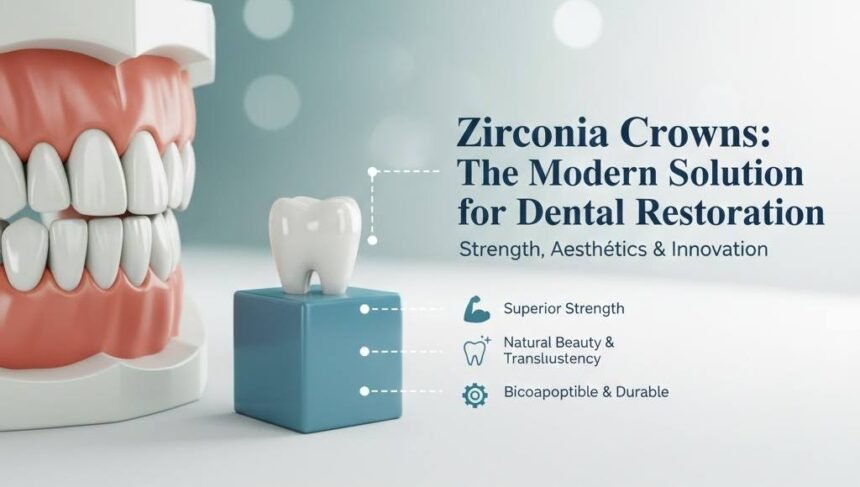
Being told you need a dental crown can raise many questions.
Will it hurt
Will it look fake
Will it last
Is it worth the cost
These are real concerns, and many people feel overwhelmed because online information often sounds too technical or too promotional.
Zirconia crowns have become one of the most popular crown options in modern dentistry, and for good reason. They are strong, tooth-colored, metal-free, and long-lasting. But they are not perfect for every situation, and knowing when they work best matters.
What Is a Dental Crown and Why You Might Need One
A dental crown is a protective cap that covers a damaged or weakened tooth.
It restores the tooth’s shape, strength, and ability to chew.
Dentists usually recommend a crown when
- a tooth is cracked or badly worn
- A large filling has failed
- A root canal was done
- A tooth is weak and at risk of breaking
- A tooth needs cosmetic improvement
Think of a crown like a helmet for your tooth. It does not just make the tooth look better. It keeps it from breaking.
What Exactly Is a Zirconia Crown
A zirconia crown is made from zirconium dioxide, a robust ceramic material.
It is not metal, even though it is extremely tough.
Zirconia has been used for years in medical implants like hip joints because it is
- strong,
- stable, and safe for the body.
In dentistry, zirconia is shaped using digital scanners and milling machines, resulting in an exact fit.
Why Dentists Started Recommending Zirconia More Often
Many dentists shifted toward zirconia because it solves problems seen with older crowns.
Older crown issues included
- metal showing at the gumline
- porcelain chipping
- crowns cracking under chewing pressure
- allergic reactions to metals
Zirconia helped reduce these problems while still looking natural.
A dentist I worked with once said
“Zirconia gave us peace of mind for back teeth. Patients stopped coming back with broken crowns.”
Types of Zirconia Crowns Explained Simply
Not all zirconia crowns are the same. This part matters more than many patients realize.
Solid Zirconia Crowns
Best for strength
Less see-through
Usually used on back molars
Pros
- extremely strong
- very hard to break
- Good for heavy chewers
Cons
- slightly less natural-looking than front tooth crowns
High-Translucent Zirconia Crowns
Better appearance
More natural light reflection
Often used on front teeth
Pros
- Looks more like natural enamel
- still stronger than many other ceramics
Cons
- slightly less intense than solid zirconia
- Not ideal for extreme grinding without protection
Quick Comparison
| Feature | Solid Zirconia | Translucent Zirconia |
|---|---|---|
| Strength | Very high | High |
| Appearance | Good | Very good |
| Best for | Back teeth | Front teeth |
| Fracture risk | Very low | Low |
Your dentist should help choose the right type based on tooth location and bite force.
How Zirconia Compares to Other Crown Materials
Zirconia vs Porcelain-Fused-to-Metal Crowns
PFM crowns were popular for decades, but they have downsides.
PFM issues
- dark metal line near gums over time
- More tooth removal is needed
- The porcelain layer can chip
Zirconia advantages
- no metal
- better gum response
- stronger core
Zirconia vs All-Ceramic Crowns Like Emax
E max crowns look beautiful and are great for front teeth.
But zirconia is usually stronger.
Dentists often choose
- E max for high-aesthetic front teeth with low bite force
- Zirconia for back teeth or patients who grind
Step-by-Step Process of Getting a Zirconia Crown
Knowing what happens reduces anxiety.
First Visit Preparation
What usually happens
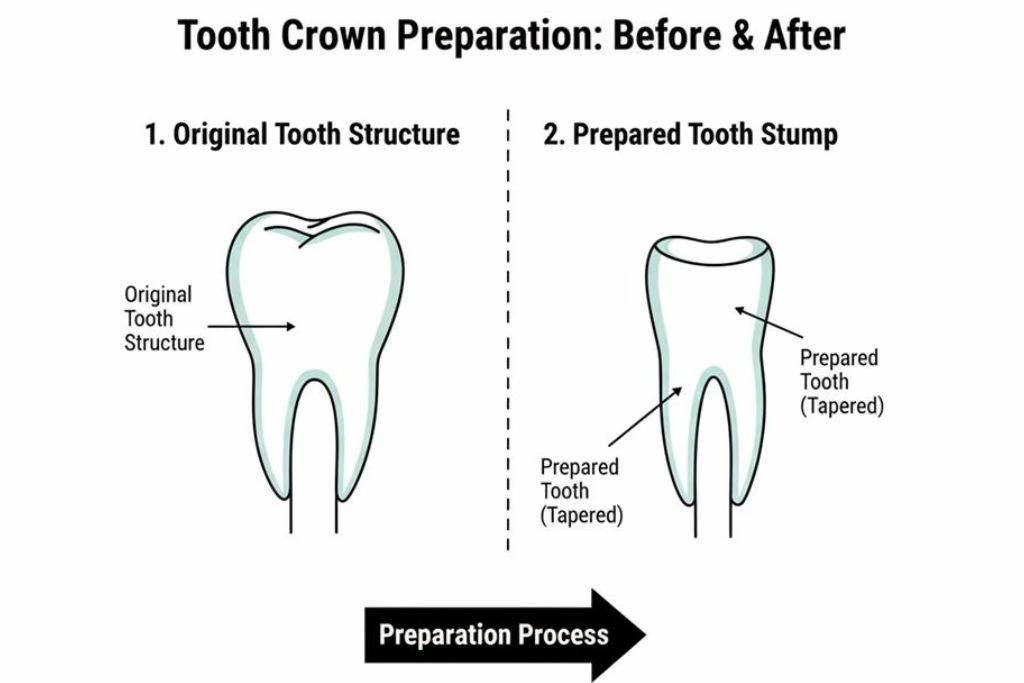
- The tooth is numbed
- damaged parts are removed
- The tooth is shaped
- A digital scan or impression is taken
- A temporary crown is placed
Most patients say the appointment feels similar to getting a filling.
Between Visits
The lab designs your crown using digital technology.
This usually takes one to two weeks.
Avoid very sticky or hard foods during this time.
Second Visit Crown Placement
At this appointment
- The temporary crown is removed
- The zirconia crown is tested for fit
- The bite is checked carefully
- The crown is permanently cemented
Many patients are surprised by how quick this visit is.
Does Getting a Zirconia Crown Hurt
During the procedure, no.
Local anesthesia prevents pain.
Afterward, mild soreness or sensitivity for a few days is normal.
Severe pain is not normal and should be checked.
Most patients say
“It felt weird for a day or two, then I forgot it was there.”
That is actually the goal.
How Long Zirconia Crowns Really Last
With good care, zirconia crowns often last 15 to 20 years or more.
Longevity depends on
- oral hygiene
- bite forces
- grinding habits
- regular dental visits
Zirconia itself does not decay, but the tooth under it can.
Daily Care for a Zirconia Crown
Caring for a crown is simple but essential.
Daily habits
- Brush twice a day
- Floss once a day
- clean along the gumline
Use a soft toothbrush and non-abrasive toothpaste.
Habits That Can Shorten Crown Life
Even strong crowns have limits.
Avoid
- chewing ice
- biting pens or fingernails
- opening packages with teeth
If you grind your teeth at night, ask about a night guard.
Grinding is one of the biggest reasons crowns fail early.
Will a Zirconia Crown Look Natural
In most cases, yes.
Modern zirconia crowns are color-matched to nearby teeth.
Translucent versions reflect light like natural enamel.
One patient shared
“I was worried it would look fake. My own dentist had to show me which tooth it was.”
That is a good sign.
Is Zirconia Safe for the Body
Yes.
Zirconia is
- metal-free
- non-allergenic
- biocompatible
It does not cause a metallic taste or electrical reactions in the mouth.
This makes it a good option for people sensitive to metals.
Common Concerns Patients Ask About
Can zirconia damage other teeth?
Properly polished zirconia is gentle on opposing teeth. Dentists adjust the bite carefully to prevent wear.
Can it stain
Zirconia does not stain easily. The edges can collect plaque if hygiene is poor.
Can it be repaired if chipped?
Minor adjustments are possible. Large fractures usually require replacement, though this is rare.
When You Should Call the Dentist
Contact your dentist if you notice
- Ongoing pain after two weeks
- The crown feels loose
- bite feels off
- visible crack
- swelling around the tooth
Early checks prevent bigger problems.
Advice From Dentists
Many dentists say zirconia works best when
- Tooth preparation is conservative
- The bite is checked carefully
- The patient follows the care instructions
The crown is only as good as the planning behind it.
Is a Zirconia Crown Worth the Cost
Zirconia crowns may cost more upfront than those made from older materials.
But many patients find value in
- fewer replacements
- fewer repairs
- long lifespan
- natural look
Over time, that often balances out.
Final Thoughts
Zirconia crowns are one of the strongest and most reliable options in modern dentistry. They protect damaged teeth, look natural, and hold up well under pressure.
They are not magic, and they still need care. But for many people, they offer a solid long-term solution.
If you are unsure whether zirconia is right for you, talk openly with your dentist. Ask questions. A good dentist will explain options clearly, not push a product.
Your mouth is part of your health, and you deserve clear, honest information to make the best choice.
References
- Kelly, J. R., & Denry, I. (2008). Ceramics in dentistry: historical roots and current perspectives. Journal of Prosthetic Dentistry, 100(1), 33-43.
- Vigolo, P., Vangelisti, A., & Fonzi, F. (2020). Clinical outcomes of zirconia crowns on posterior teeth: a systematic review. Journal of Dentistry, 102, 103463.
- Laraba-Djebari, F. (2021). Zirconia-based ceramic dental crowns: a review. Materials Today: Proceedings, 46, 3144-3147.