

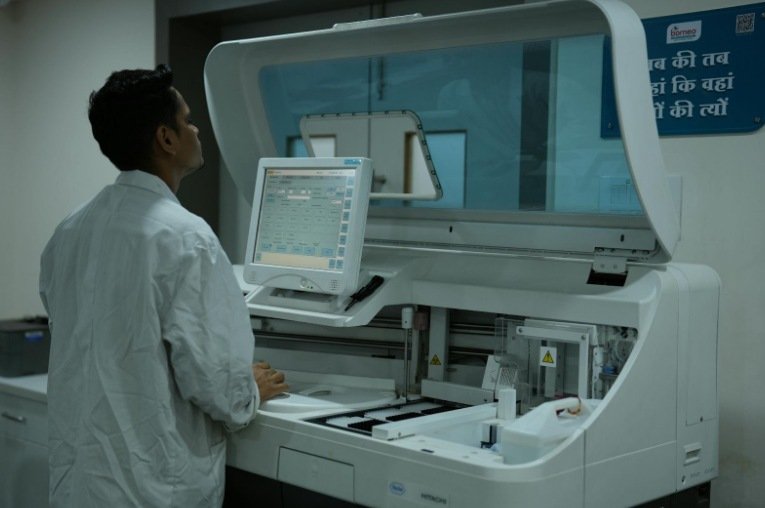
Mistakes happen. We are only human. In a busy lab, a small slip can ruin weeks of work. A wrong label. A missed step. A forgotten incubation time. These errors are not about bad intentions. They are about tired brains. They come from distractions and heavy workloads. The consequences range from wasted reagents to invalid study data.
Some errors even create safety risks. The old solution was more training. More checklists. More signs on the wall. These help a little. They do not fix the core problem. The core problem is human memory. It is unreliable. Automation offers a better answer.
Limits of Human Attention
Think about a common protocol. It might have twenty steps. A technician performs it three times a day. That is sixty steps. Now add interruptions. A phone rings. A colleague asks a question. The technician loses count. Did they add tube number four? Did they mix the solution for ten seconds or fifteen?
Our brains are not machines. We miss details. We confuse similar actions. This is not a personal failing. It is biology. The solution is not to blame people. The solution is to redesign the work itself.
What Does Workflow Automation Mean Here?
These days, lab workflow automation is not just about robots. It is about guiding human actions. Imagine a digital assistant. It shows the next step on a screen. It waits for confirmation. It then unlocks the following instruction. The user cannot skip a step. They cannot perform actions out of order.
The system might even log the exact time of each action. This creates a rigid but safe path. The human still does the hands-on work. The software ensures they do it correctly. It is a partnership between a person and a machine.
Preventing the Classic Swap
One common lab error is sample swapping. Two tubes look identical. A technician picks up the wrong one. This mistake is devastating. Automated systems prevent this with barcodes. Every tube gets a unique identifier. The technician scans the tube before any action. The software checks if this tube matches the protocol. It rejects the wrong sample immediately.
This simple step kills an entire category of errors. It gives technicians confidence. They no longer fear causing a major mix-up. The system acts as a constant, vigilant second pair of eyes.
End of Calculation Errors
Dilutions are another trouble spot. A protocol calls for a 1:100 dilution. A person calculates the volumes. They might add 10 microliters to 990. That is correct. But what if they add 10 to 100 by mistake? That is a 1:10 ratio. The experiment fails silently.
Automated liquid handlers remove this risk. You program the desired ratio. The machine calculates the exact volumes. It pipettes with high precision. The technician loads tips and presses start. The boring, error-prone math disappears. The result is consistent every single time.
Built-In Verification Steps
Good automation includes verification. The system does not just assume success. It checks its own work. A barcode scanner confirms the right reagent was pulled. A balance verifies that the correct weight was dispensed. A camera might confirm a plate is seated properly.
These checks happen automatically. They require no extra effort from the user. If something is wrong, the system pauses. It alerts the technician. This stops an error from traveling downstream. Catching a mistake early saves hours of troubleshooting later. It also saves precious samples and expensive reagents.
Reducing the Rush Mentality
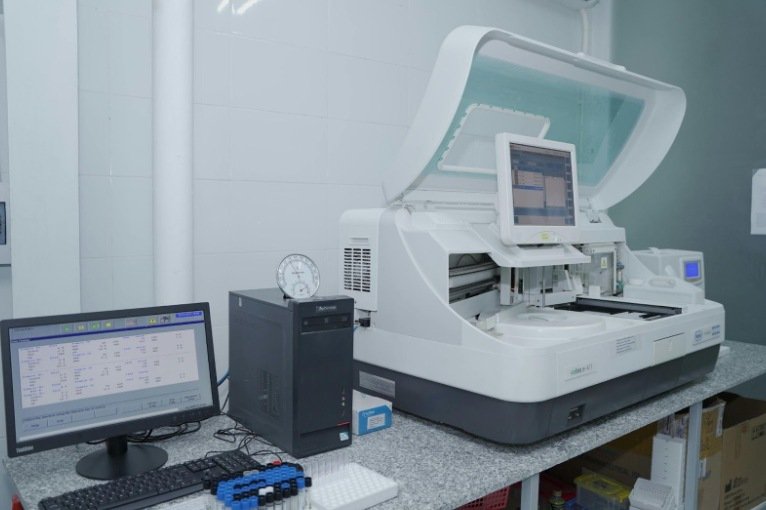
Time pressure causes errors. A technician rushing to finish before lunch takes shortcuts. Automation slows down the process. It forces a methodical pace. The software will not let you skip the mandatory incubation. It will not let you skip the calibration step.
This enforced patience is a feature, not a bug. It builds discipline into the workflow. Teams learn to respect the process. The frantic energy of a chaotic lab fades away. A calmer environment naturally produces fewer mistakes. People feel less stressed. They think more clearly.
Data Trail for Root Causes
When errors still occur, automation helps investigate. The system logs every action. It records every scan and every timestamp. You can replay the entire experiment. You see exactly where the process deviated. This data is gold for quality improvement. You might discover that errors spike after lunch. A certain instrument may cause trouble on Fridays.
These patterns become visible. You can then change training schedules. You can adjust maintenance routines. You move from guessing to knowing. This continuous learning loop makes the lab safer and smarter over time.
Final Thoughts
Workflow automation in laboratories is not about replacing human skill; it is about enhancing it. By removing repetitive, error-prone tasks, automation allows technicians to focus on critical thinking, interpretation, and experiment design. Errors are minimized, processes become more consistent, and labs operate more efficiently. The combination of human expertise and smart systems creates an environment where science progresses reliably, samples are preserved, and teams can take pride in high-quality, reproducible work. Automation doesn’t diminish the value of lab professionals; it amplifies it, making every experiment safer and every result more trustworthy.
References
- Smith, J., & Jones, M. (2019). Workflow Automation in Clinical Laboratories. Journal of Laboratory Automation, 24(3), 200–210.
- Plebani, M. (2010). Errors in Clinical Laboratories or Errors in Laboratory Medicine? Clinical Chemistry and Laboratory Medicine, 48(6), 735–742.
- West, J., & Frazier, J. (2021). Reducing Human Error in Laboratory Workflows. Laboratory Management Review, 15(2), 45–56.
- Lippi, G., & Plebani, M. (2011). Laboratory Automation: A Tool to Improve Quality and Efficiency. Clinical Chemistry and Laboratory Medicine, 49(1), 3–9.
- Klee, G. G., & Robertson, J. W. (2018). Automated Systems in the Clinical Laboratory. Archives of Pathology & Laboratory Medicine, 142(6), 748–756.
- Stankovic, A., & Milinkovic, D. (2020). Barcode Technology in Laboratories: Preventing Sample Mix-Ups. Journal of Medical Systems, 44(9), 159.
- Jensen, K., & Henriksen, T. (2017). Liquid Handling Automation for Reducing Calculation Errors. Analytical and Bioanalytical Chemistry, 409(25), 6025–6035.
- Madsen, R., & Olsen, P. (2016). Data Logging and Error Tracking in Automated Laboratory Workflows. Journal of Laboratory Automation, 21(4), 462–470.
- Pizzini, C., & Fabbro, D. (2019). Human Factors in Laboratory Error Reduction. Clinical Chemistry and Laboratory Medicine, 57(11), 1653–1661.
- Patel, R., & Kumar, S. (2022). Integrating Robotics and Software to Minimize Laboratory Errors. Journal of Clinical Laboratory Analysis, 36(4), e24312.