

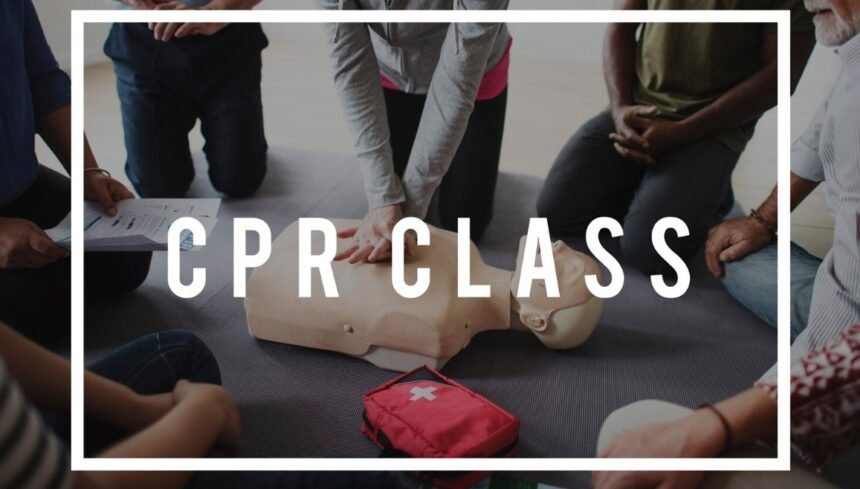
Cardiopulmonary resuscitation (CPR) helps maintain blood flow to the brain during cardiac emergencies. Reputable organizations offer in-person and online CPR certification classes. These classes cover how to use an automatic external defibrillator (AED), offer rescue breaths, and perform chest compressions. Here is more information about CPR certification and what to expect in a course:
Certification Course Foundations
Authorized training centers provide completion cards that align with current resuscitation guidelines. During the course, instructors guide students through both lessons and skills testing. Students complete the instructional modules before demonstrating their skills.
Upon successful completion, participants receive either a digital or printed credential, depending on the certifying organization. The course also introduces the step-by-step actions to take during a cardiac emergency. Instructors teach students how to assess responsiveness, activate emergency services, and position their hands correctly for chest compressions. Training sessions emphasize proper compression depth and rate, as well as the coordination of compressions with rescue breaths.
Training Format Options
CPR certification courses are available either as online instruction combined with a hands-on skills session or as fully in-person training. In-person sessions typically include guided practice using manikins and AED trainers. Instructors teach CPR techniques for both adults and children, and students practice on manikins to reinforce proper compression rhythm and timing of rescue breaths. This blended format allows learners approaching CPR renewal deadlines to complete the online coursework or attend a hands-on session, depending on their availability.
Skills Session Expectations
During an in-person skills session, trainees practice the techniques they learned in the online coursework. As instructors observe, participants demonstrate chest compressions, rescue breaths, and the use of an AED. The hands-on portion of the course can vary in length depending on the format and evaluation requirements, but it usually allows enough time for thorough practice.
These sessions include exercises for adult and infant CPR, making sure that students gain confidence in multiple scenarios. Participants should wear comfortable clothing; kneeling and bending are necessary during the skills evaluation. By combining guidance from instructors with hands-on practice, trainees are able to master CPR techniques in a safe and structured environment.
Renewal Course Options
Practitioners who hold BLS certification are required to complete renewal courses that reflect updated resuscitation guidelines and current course content. In these sessions, candidates review CPR and BLS techniques, including proper AED use. Some renewal programs provide study materials or eLearning modules that students can complete before attending the hands-on portion of the course. For healthcare professionals, recertification often involves completing a full BLS course to maintain credentials. Many individuals take combined BLS or CPR/AED renewal courses to satisfy workplace requirements and stay up to date with best practices. During CPR recertification, participants revisit skills such as chest compressions and rescue breaths.
CPR Class Settings
Businesses often offer workplace CPR and first aid courses for employees, while families may choose in-home training. In-home courses provide a small group setting, allowing each participant to practice skills hands-on. Pediatric CPR training focuses on infant and child emergencies and covers age-specific care.
Community organizations and schools also host CPR classes for volunteers, teachers, and support staff. Instructors teach how to recognize cardiac arrest and perform chest compressions before professional help arrives. These sessions combine instruction with practice, preparing participants to respond confidently to emergencies at home, in workplaces, or in public settings.
Get a CPR Certification Today
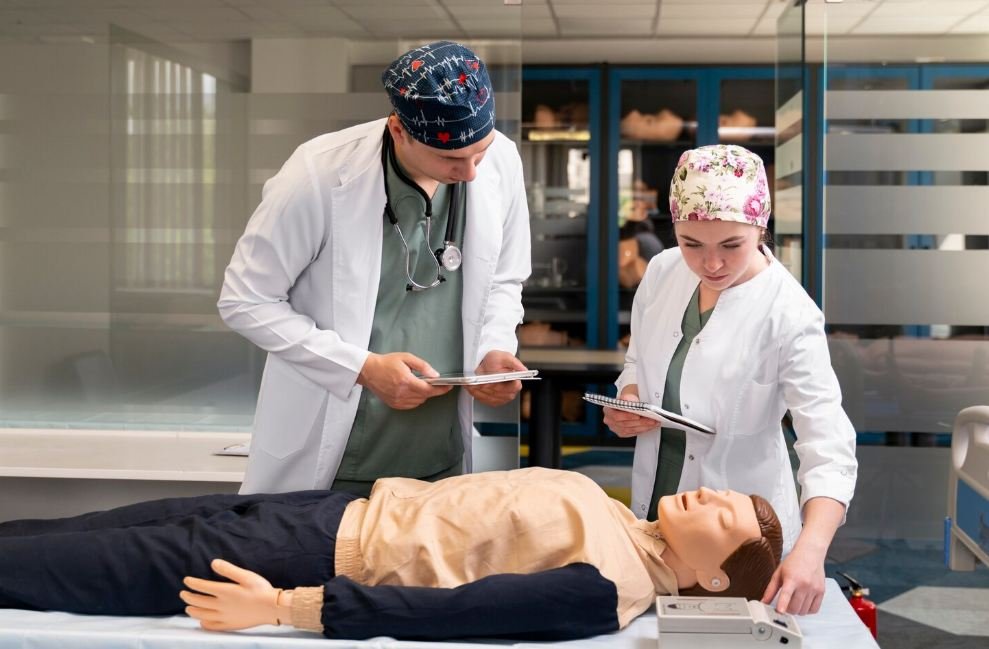
CPR training courses are useful for both healthcare professionals and non-medical employees. They offer hands-on lessons, providing you with skills for helping people in cardiac or respiratory emergencies. CPR lessons can be tailored to adult or infant needs, depending on your class type. Contact a trusted CPR instructor to get started with your training and obtain your certification today.
Final Conclusion
CPR certification equips individuals with practical, life-saving skills that can make a critical difference during emergencies. From understanding the fundamentals of chest compressions and rescue breathing to gaining confidence in using an AED, these courses prepare participants to respond effectively when every second counts.
Whether you choose an in-person class, a blended format, or a renewal course, CPR training is designed to be accessible, structured, and hands-on. The combination of guided instruction and real-time practice helps reinforce proper techniques and builds the confidence needed to act quickly in high-pressure situations.
By completing a CPR certification course, you are not only meeting professional or workplace requirements but also contributing to a safer community. Being trained means you can step in and provide immediate assistance while waiting for emergency services, potentially saving a life. Taking the initiative to get certified today is a valuable investment in both personal preparedness and public safety.
References
- Kleinman, M. E., et al. (2015). Part 5: Adult basic life support and cardiopulmonary resuscitation quality. Circulation. DOI: 10.1161/CIR.0000000000000259
- Perkins, G. D., et al. (2021). European Resuscitation Council guidelines for resuscitation 2021: Adult basic life support. Resuscitation. DOI: 10.1016/j.resuscitation.2021.02.009
- Berg, R. A., et al. (2010). Part 5: Adult basic life support. Circulation. DOI: 10.1161/CIRCULATIONAHA.110.970939
- Meaney, P. A., et al. (2013). Cardiopulmonary resuscitation quality: Improving cardiac resuscitation outcomes. Circulation. DOI: 10.1161/CIR.0b013e31829d8654
- Hazinski, M. F., et al. (2015). Highlights of the 2015 American Heart Association guidelines update for CPR and ECC. Circulation. DOI: 10.1161/CIR.0000000000000252
- Soar, J., et al. (2019). Adult advanced life support guidelines. Resuscitation. DOI: 10.1016/j.resuscitation.2019.02.012
- Yeung, J., et al. (2011). The use of CPR training and self-instruction methods. Resuscitation. DOI: 10.1016/j.resuscitation.2011.03.013