

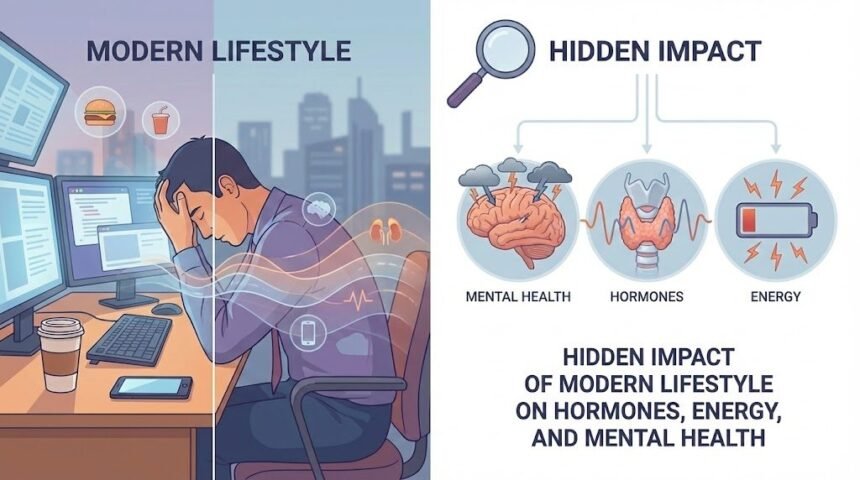
Most people blame stress for feeling tired, anxious, or emotionally off balance. They assume they need better sleep or perhaps a short holiday. But what if the real issue runs deeper than that?
Modern lifestyle habits can quietly affect your hormones, energy levels, mood stability, metabolism, and even long-term health outcomes. The changes don’t happen overnight. They build slowly, almost imperceptibly. By the time symptoms become noticeable, your body may have been under pressure for months or even years.
Understanding how your daily habits influence your internal systems can completely change how you approach your wellbeing.
How Your Lifestyle Directly Affects Your Hormones
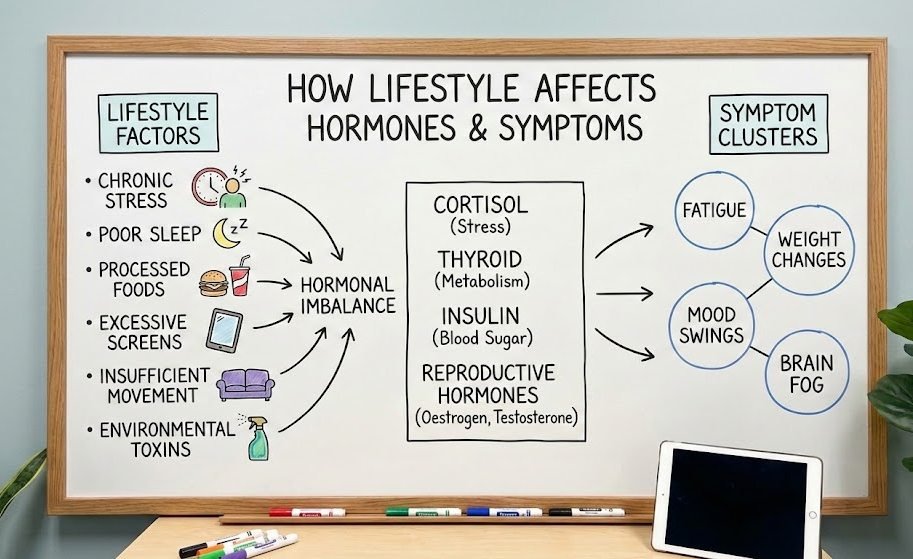
Hormones are your body’s chemical messengers. They control everything from hunger and sleep patterns to focus, emotional regulation, and how you respond to stress. When your hormones are balanced, you typically feel steady, functional, and able to cope with daily challenges. When they’re disrupted, the effects can ripple through almost every aspect of your health.
Common lifestyle factors that can trigger hormonal imbalance include:
- Chronic stress and inadequate recovery time
- Irregular or poor-quality sleep cycles
- Highly processed foods and frequent blood sugar spikes
- Excessive screen exposure, particularly in the evening
- Insufficient physical movement throughout the day
- Prolonged exposure to environmental toxins
Consider stress, for example. When you’re under prolonged stress, your body increases cortisol production, often called the “stress hormone.” Whilst cortisol is essential for survival in short bursts, elevated levels over extended periods can interfere with thyroid function, insulin sensitivity, and even reproductive hormones like oestrogen and testosterone.
Why symptoms cluster together: This is why people often experience fatigue, unexpected weight changes, mood swings, and brain fog simultaneously. These aren’t random, unrelated problems. They’re often connected through your hormonal system responding to lifestyle pressures.
The good news? Because lifestyle factors contribute significantly to these imbalances, lifestyle changes can also help restore balance. As noted by Diana Rangaves, small, consistent adjustments often create meaningful improvements over time.
Energy Crisis No One Talks About
Many adults today describe feeling constantly tired yet “wired” at the same time. They rely on caffeine to function during the day and then struggle to wind down at night. If this sounds familiar, you’re certainly not alone.
This exhausting pattern often results from:
- Artificial light exposure in the evening disrupts melatonin production
- Late-night scrolling on phones or tablets overstimulates the brain
- Skipping balanced meals or eating irregularly
- Inconsistent sleep schedules, even on weekends
- Overreliance on caffeine and sugar for quick energy boosts
Your body follows a natural 24-hour cycle called the circadian rhythm. This internal clock regulates when you feel alert and when you feel sleepy. It influences hormone release, body temperature, digestion, and even immune function.
When you repeatedly override this rhythm, staying up late under bright lights, eating at irregular times, or remaining sedentary all day, your hormone signals become confused. Cortisol may spike at night when it should be dropping. Melatonin, which helps you sleep, may stay suppressed when it should be rising.
The result? You might lie in bed for eight hours but wake up feeling unrefreshed. Your energy levels feel unpredictable. You experience afternoon crashes that make concentration difficult.
What Actually Helps With Energy
Restoring your natural energy rhythm isn’t about forcing yourself to power through. It’s about working with your body’s biology, not against it.
Evidence suggests these strategies can support better energy regulation:
- Exposure to natural light early in the day: This helps set your circadian clock and improves daytime alertness whilst supporting better sleep at night.
- Reducing blue light in the evening: Use dim lights and limit screen time at least an hour before bed to help melatonin production increase naturally.
- Eating at consistent times: Regular meal timing helps regulate blood sugar and supports your body’s internal clock.
- Moving throughout the day: Even short walks or stretching breaks can improve energy and reduce the afternoon slump.
- Strategic caffeine use: Enjoy your coffee or tea earlier in the day, and avoid it after 2pm to prevent interference with sleep.
Mental Health Connection You Need to Know
There’s a strong, often underestimated connection between hormone balance and mental well-being. When people experience persistent anxiety, low mood, or emotional reactivity, they don’t always consider that hormonal factors might be contributing.
Research shows that hormone disruptions can significantly affect:
- Mood regulation: Imbalances in thyroid hormones, cortisol, or sex hormones can contribute to feelings of depression or anxiety
- Emotional resilience: When your stress response system is constantly activated, you may find it harder to cope with everyday challenges
- Cognitive function: Hormone fluctuations can affect memory, concentration, and decision-making abilities
- Social connection: Fatigue and mood changes can make it harder to maintain relationships and engage in activities you once enjoyed
This doesn’t mean that all mental health concerns are purely hormonal. Mental health is complex and multifaceted. However, addressing the physical factors, including hormone health, alongside psychological support often provides the most comprehensive approach.
When to seek help: If you’re experiencing persistent low mood, anxiety that interferes with daily life, or thoughts of self-harm, it’s essential to speak with your GP or a mental health professional. These symptoms deserve proper attention and support, regardless of their underlying cause.
Practical Steps You Can Take Today

Understanding the problem is important, but knowing what to do about it is what creates real change. Here are evidence-based strategies you can begin implementing:
Sleep Hygiene Basics
- Aim for consistent bed and wake times, even on weekends
- Create a cool, dark, quiet sleep environment
- Avoid screens for at least one hour before bed
- Consider a simple wind-down routine: reading, gentle stretching, or meditation
Nutrition That Supports Hormone Health
- Focus on whole, minimally processed foods most of the time
- Include protein with each meal to support stable blood sugar
- Don’t skip meals or go too long without eating
- Stay adequately hydrated throughout the day
- Consider reducing alcohol intake, as it can disrupt sleep quality and hormone function
Stress Management Approaches
- Build in regular breaks during your workday, even brief ones
- Trying breathing exercises or meditation, even for five minutes, can help
- Spend time outdoors when possible; nature exposure has measurable benefits
- Set boundaries around work hours and digital connectivity
- Connect with supportive friends or family members regularly
Movement Throughout Your Day
- Aim for at least 150 minutes of moderate activity weekly, as recommended by the NHS
- Break up long periods of sitting with short movement breaks
- Choose activities you genuinely enjoy. Sustainability matters more than intensity
- Consider strength training twice weekly to support metabolic health
When to Consult Your GP
Whilst lifestyle changes can make a significant difference, certain symptoms warrant professional medical evaluation. You should speak with your GP if you experience:
- Unexplained weight changes (gain or loss) despite consistent habits
- Persistent fatigue that doesn’t improve with better sleep
- Significant mood changes or mental health concerns
- Irregular menstrual cycles or reproductive health issues
- Hair loss, skin changes, or temperature sensitivity
- Difficulty concentrating or memory problems
- Sleep disturbances that persist despite good sleep hygiene
Your doctor can arrange appropriate blood tests to check hormone levels, thyroid function, vitamin deficiencies, and other factors that might be contributing to your symptoms. Sometimes, underlying medical conditions need to be ruled out or treated alongside lifestyle modifications.
For complete health education and evidence-based insights on medication safety, hormone awareness, and overall wellness, resources from healthcare professionals and medically grounded sources can help you understand how your body responds to both lifestyle factors and treatment options.
Final Thoughts
The relationship between modern lifestyle and your hormonal health isn’t about perfection. It’s about awareness and making informed choices that support your wellbeing.
You don’t need to overhaul your entire life overnight. In fact, trying to change everything at once often leaves you feeling overwhelmed and gives up. Instead, consider starting with one or two small adjustments that feel manageable for you.
You may begin by setting a consistent bedtime. You could take a short walk during your lunch break. Start your day with exposure to natural light, or reduce evening screen time by 30 minutes.
These seemingly small changes can create a ripple effect. Better sleep improves your energy. More energy makes healthy eating choices easier. Improved nutrition supports a better mood. A better mood enhances your motivation to move your body. Each positive change reinforces the others.
Remember, you’re not just managing symptoms, you’re supporting the fundamental systems that keep you healthy, energised, and mentally well. That’s worth the effort.
Your body is remarkably adaptable. With consistent support through thoughtful lifestyle choices, many people find that their energy, mood, and overall sense of well-being improve meaningfully. Give yourself time, be patient with the process, and don’t hesitate to seek professional support when you need it.
Medical Disclaimer
This article is for informational purposes only and should not replace professional medical advice, diagnosis, or treatment. The information provided is based on current research and clinical understanding, but may not apply to your individual circumstances.
Always consult your GP or qualified healthcare provider with questions about your health, medical condition, or treatment options. If you’re experiencing persistent symptoms affecting your quality of life, please seek professional medical evaluation.
References and Further Reading
- NHS. (2023). “Sleep and tiredness.”
- National Institute for Health and Care Excellence (NICE). (2024). “Chronic fatigue syndrome/myalgic encephalomyelitis (or encephalopathy): diagnosis and management.” Clinical guideline [NG206].
- Walker, M. (2017). “Why We Sleep: The New Science of Sleep and Dreams.” Penguin Books. (Research on circadian rhythms and sleep’s impact on health)
- McEwen, B.S. (2017). “Neurobiological and Systemic Effects of Chronic Stress.” Chronic Stress, 1. doi:10.1177/2470547017692328
- British Thyroid Foundation. (2024). “Thyroid and You.”
- Mental Health Foundation. (2024). “How to look after your mental health.”
- Harvard Medical School. (2023). “The importance of circadian rhythms.” Harvard Health Publishing.
- NHS. (2024). “Physical activity guidelines for adults aged 19 to 64.“
- Chaix, A., et al. (2019). “Time-Restricted Eating to Prevent and Manage Chronic Metabolic Diseases.” Annual Review of Nutrition, 39, 291-315.
- British Heart Foundation. (2024). “Stress and your heart.”
- Lopresti, A.L., et al. (2019). “Lifestyle factors and their influence on mental health.” Australasian Psychiatry, 27(5), 504-507.
- Mind. (2024). “How to improve your mental wellbeing.”