

Although a root canal can relieve pain and save a severely damaged tooth, treatment doesn’t end there. A tooth that has undergone root canal surgery requires ongoing care to remain stable and functional for years to come.
Long-term protection depends on appropriate follow-up treatment and consistent habits that reduce stress on the treated tooth. To that end, here are practical steps to protect your tooth after a root canal surgery to ensure its strength and function are preserved over time:
Get a Temporary Filling or Crown
Restoration plays a key role in protecting a root canal-treated tooth. After the infected tissue is removed, the inner space is sealed, but the outer structure often needs additional support.
Leaving the tooth without proper coverage can increase the chance of fracture or reinfection, which may compromise the success of the treatment itself.

A temporary filling or crown helps shield the tooth while a permanent restoration is being prepared. It limits exposure to bacteria and restores basic function during the interim period. Attend follow-up appointments as scheduled to ensure that the final crown is placed without delay. Timely restoration strengthens the tooth and improves its long-term durability.
Avoid Chewing on the Treated Area
Pressure is one of the main risks to a tooth that has recently undergone root canal surgery. The removal of infected tissue can leave the remaining structure more brittle and less able to withstand heavy force. That being said, chewing directly on the treated side can increase the risk of cracks or fractures.
When eating, use the opposite side of your mouth until your dentist confirms that the tooth is fully restored. This helps reduce strain on the weakened structure. Also, avoid habits such as biting your nails or chewing pens, as these can also strain the area. These small adjustments in your daily routine can help prevent unnecessary damage while the tooth stabilises.
Avoid Eating Hard or Sticky Foods for a While
Certain foods can place sudden or excessive force on a treated tooth. Hard items such as nuts or ice may cause fractures, while sticky foods, like cotton candy and caramel, can pull at temporary fillings or crowns. To prevent dislodging the restoration or damaging the weakened structure, choose softer foods that require less pressure to chew, like pasta, yoghurt, and steamed vegetables. If needed, cut foods into smaller pieces and chew slowly to reduce stress on the area.
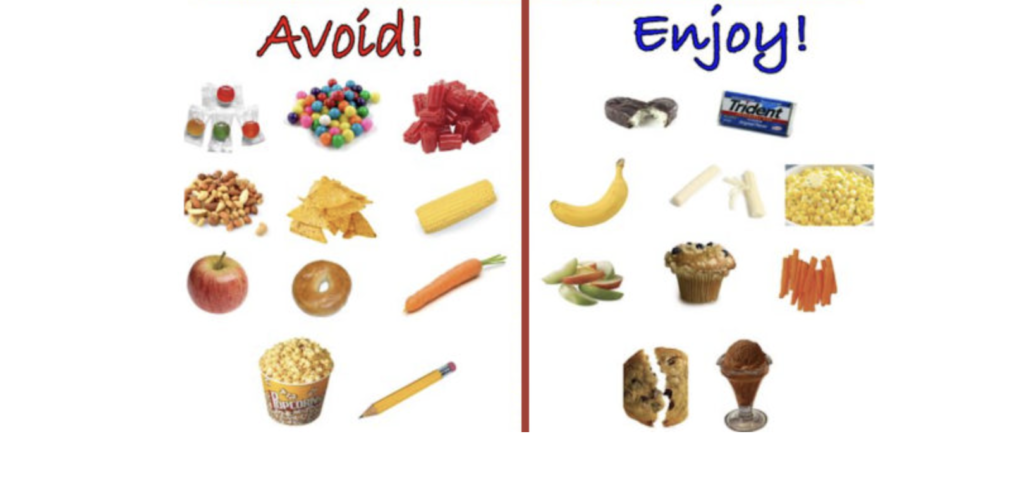
This precaution is only temporary, as the risk of fracture is higher in the period immediately after treatment. But once a permanent crown or restoration is in place, it’s typically safe to resume a normal diet.
Brush and Floss the Treated Area Gently
Oral hygiene remains essential after root canal surgery. The treated tooth may feel sensitive for a short period, yet plaque can still accumulate around it. Without proper cleaning, bacteria may build up near the gum line and increase the risk of further decay. However, excessive force can irritate the area and disturb a temporary restoration. That’s why it’s recommended to use a soft-bristled toothbrush and apply light pressure when cleaning the area.
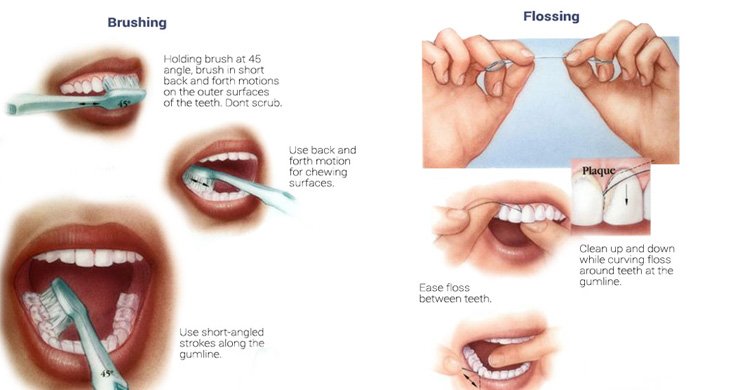
Gentle brushing helps protect the surrounding gum tissue and any temporary restoration. The steady and controlled movements clean effectively without placing unnecessary stress on the tooth. Also remember to floss carefully to avoid snapping the thread against the tooth, which could disturb a temporary filling. Maintaining a consistent routine supports healing and reduces the likelihood of complications.
Manage Bruxism
Teeth grinding can place significant strain on a root canal-treated tooth. Even if the tooth no longer contains living pulp, it remains vulnerable to external pressure. Repeated clenching or grinding, especially during sleep, may lead to cracks or damage to a crown.
If you have a habit of clenching or grinding your teeth, speak with your dentist. They can provide a custom night guard to help cushion the teeth and distribute pressure more evenly. Avoid delaying treatment, as addressing bruxism early reduces the risk of structural damage and protects the investment made in your dental treatment.
Schedule Regular Dental Check-Ups and Cleanings
Routine examinations play an important role in preserving a root canal-treated tooth. These appointments allow your dentist to detect concerns before they progress, reducing the likelihood of more complex or costly treatment later on. Moreover, professional cleanings remove plaque and tartar that can’t be eliminated through brushing alone, helping to lower the risk of decay around the restored tooth. Regular dental appointments provide an opportunity to assess the integrity of the restoration and the health of surrounding gums, supporting long-term structural stability as a result.
A root canal can preserve a natural tooth, but its long-term success depends on what happens after the procedure. Consistent care and timely professional support help maintain the strength and function of the treated tooth over time. With the right attention, a restored tooth can remain reliable for many years and continue to serve as part of a healthy, stable smile.