

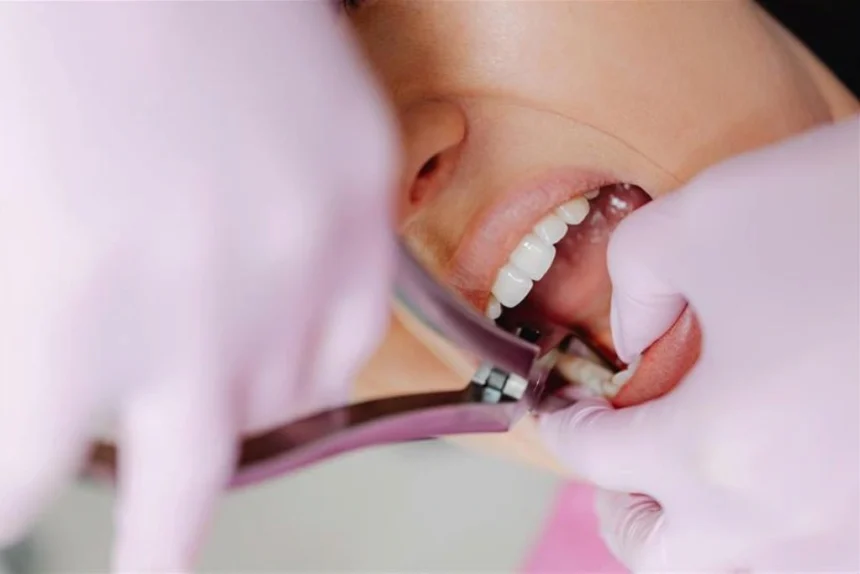
If you have ever noticed bleeding gums while brushing or flossing, you are not alone. Gingivitis is extremely common, yet it causes a lot of confusion and worry. One of the biggest questions people ask is simple but important.
Is gingivitis contagious?
I have heard this question from friends, family members, and even parents worried about passing gum problems to their kids. The internet often gives vague or scary answers, so let us clear things up in a way that actually helps.
What Is Gingivitis?
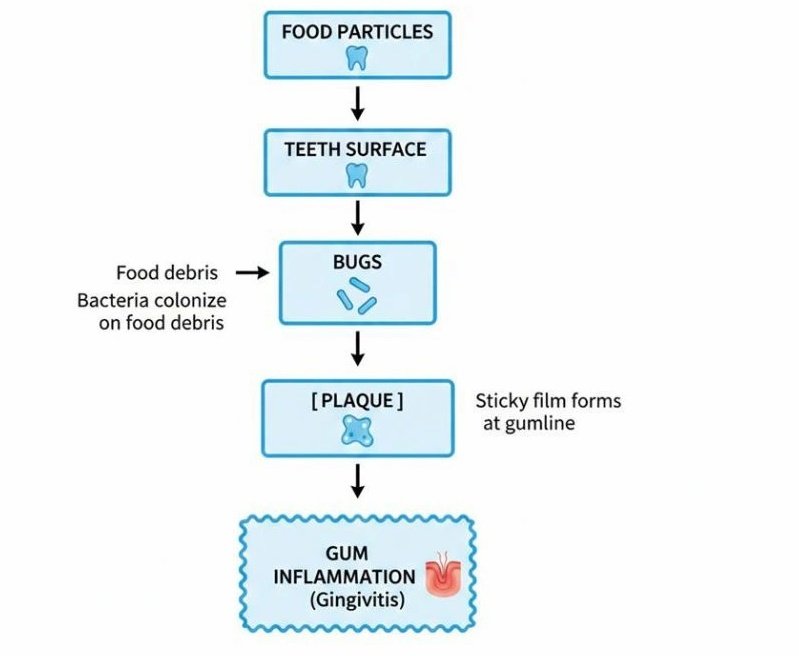
Gingivitis is the early stage of gum disease. It happens when plaque builds up along the gumline and causes irritation.
Plaque is a sticky layer of bacteria that forms on teeth every day. If it is not removed, the gums get inflamed.
Common signs of gingivitis include
• Red or swollen gums
• Bleeding when brushing or flossing
• Bad breath that does not go away
• Gums that feel tender or sore
The good news is this. Gingivitis is reversible if you catch it early and take care of it.
Short Answer: Is Gingivitis Contagious?
No, gingivitis itself is not contagious.
You cannot catch gingivitis the same way you catch a cold or flu.
But there is an important detail that many articles miss.
Bacteria linked to gingivitis can be shared.
The bacteria that cause plaque can pass from one person to another through saliva. This is where confusion comes from.
So the full honest answer is:
• Gingivitis is not contagious
• The bacteria that can lead to gingivitis can be shared
• Sharing bacteria does not guarantee gum disease
Think of it like this. Just because someone else has the bacteria does not mean your gums will react the same way.
How Gingivitis Bacteria Can Be Passed Between People
This does not mean you should panic. These bacteria are already common in most mouths. Still, here are the most common ways saliva is shared.
• Kissing
• Sharing utensils or drinks
• Sharing toothbrushes (this is a big no)
• Parents cleaning pacifiers with their mouths
I once spoke with a dental hygienist who said many parents worry they passed gum disease to their child. She explained that oral hygiene habits matter far more than exposure.
Why Some People Get Gingivitis, and Others Do Not
This is the key part that many websites skip.
Two people can have similar bacteria, but only one develops gingivitis. Why?
Factors that increase your risk
• Poor brushing or flossing habits
• Skipping dental cleanings
• Smoking or vaping
• Stress and weak immune response
• Hormonal changes like pregnancy
• Diabetes or other health conditions
Your gums react based on how your body handles bacteria, not just whether bacteria are present.
Example That Makes This Clear
A friend of mine and her husband share drinks all the time. She developed gingivitis during pregnancy. He did not.
Same household
Same habits
Different gum health
Her dentist explained that hormones made her gums more sensitive to plaque. Once pregnancy ended and she improved her cleaning routine, the gingivitis went away.
This happens more often than people realise.
Can You Get Gingivitis From Kissing?
This is one of the most searched questions online.
Kissing does not directly cause gingivitis.
But if you already have poor oral hygiene, weak gums, or inflammation, exposure to extra bacteria may make things worse.
For most healthy people with good brushing and flossing habits, kissing is not a problem.
Can Children Catch Gingivitis From Parents?
Children do not usually develop gingivitis from their parents alone.
However, parents can pass cavity-causing and gum-related bacteria early in life. This can raise future risk if oral care is poor.
What matters most for kids
• Teaching brushing early
• Limiting sugary snacks
• Regular dental visits
I have seen parents blame themselves when their child has gum issues. Dentists often remind them that habits shape oral health more than exposure.
Gingivitis vs Periodontitis: Important Difference
Many people confuse these two.
Here is a simple comparison.
| Gingivitis | Periodontitis |
|---|---|
| Early gum disease | Advanced gum disease |
| Reversible | Not fully reversible |
| Inflammation only | Bone and tissue loss |
| Mild symptoms | Severe symptoms |
Gingivitis does not damage bone. Periodontitis does. This is why early care matters so much.
How to Protect Yourself Without Fear
You do not need to avoid people or stress about sharing space.
Instead, focus on daily habits that actually work.
Simple habits that make a real difference
• Brush twice a day for two full minutes
• Floss once a day, gently
• Replace toothbrush every three months
• Get professional cleanings regularly
• Drink water after meals
• Avoid smoking
These steps protect you far more than avoiding contact with others.
Tips From Dentists I Have Heard Repeatedly
Over the years, dentists have agreed on a few things.
• Most people brush too hard and miss the gumline
• Flossing matters more than mouthwash
• Bleeding gums are a warning, not a reason to stop brushing
• Gingivitis often has no pain at first
One dentist once told me, “If your gums bleed, that is your body asking for better cleaning, not less.”
Common Myths About Gingivitis
| Myth | Truth |
|---|---|
| Bleeding gums mean you should stop flossing | Bleeding usually means inflammation. Gentle, daily flossing helps reduce bleeding over time |
| Mouthwash alone can fix gingivitis | Mouthwash can help control bacteria, but it cannot remove plaque stuck to teeth and gums |
| Only older people get gingivitis | Gingivitis is common in teens and young adults, especially with poor brushing or flossing habits |
| Gingivitis always turns into serious gum disease | With proper care and regular cleaning, gingivitis often goes away completely |
Signs You Should See a Dentist Soon
Do not wait if you notice these signs.
• Gums bleeding every time you brush
• Persistent bad breath
• Gums pulling away from teeth
• Pain when chewing
• Loose teeth
Early visits are usually quick and much less stressful.
Can Gingivitis Come Back?
Yes, it can. Gingivitis often returns if daily care slips.
I have personally experienced this after stressful periods when flossing became less consistent. Once I got back into routine and had a cleaning, symptoms improved within weeks.
This shows how reversible gingivitis really is.
Final Truth About Gingivitis and Contagion
Let us sum it up clearly.
• Gingivitis is not contagious
• Oral bacteria can be shared
• Sharing bacteria does not guarantee disease
• Oral hygiene matters more than exposure
• Gingivitis is preventable and reversible
You do not need to fear loved ones or normal daily contact. Focus on caring for your mouth and encouraging healthy habits at home.
One Last Helpful Reminder
If you take only one thing from this article, let it be this.
Bleeding gums are common, but they are not normal.
They are a signal that your gums need attention, not fear.
With simple daily care and regular dental visits, gingivitis does not have to be a long-term problem for you or anyone around you.