

If you’ve struggled to lose weight despite healthy eating and regular exercise, hormonal changes could be holding you back.
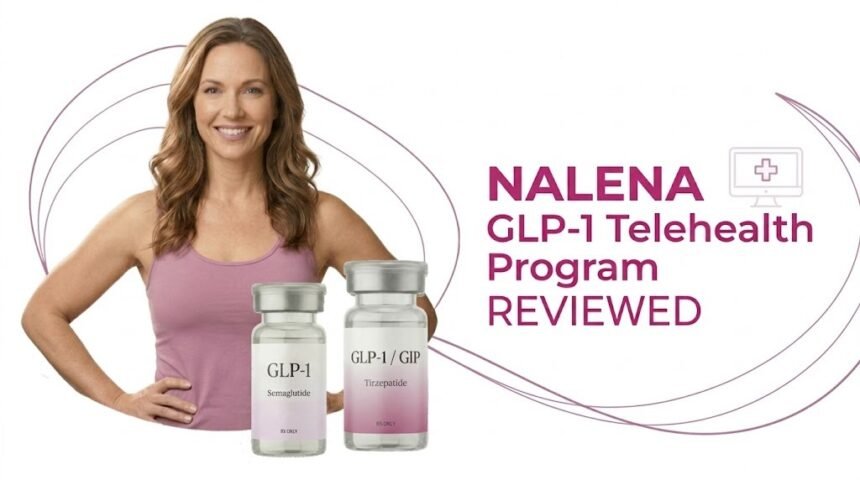
Nalena offers a telehealth weight loss program designed specifically for women navigating perimenopause, menopause, and postmenopause. By focusing on GLP-1 medications and personalized clinician support, Nalena aims to help you break through plateaus and achieve lasting results.
How Nalena telehealth works

Nalena launched its nationwide telehealth service in February 2026 to support women experiencing hormonal transitions. You start by completing a detailed health assessment that covers your lifestyle, medical history, menopause status, and weight loss goals. Your responses guide clinicians in customizing a treatment plan that addresses underlying metabolic shifts common after age 40. From there, you access entirely online care with zero in-person visits required.
Your journey begins with a simple online form. Once your initial assessment is received, a licensed clinician reviews your profile and schedules your first virtual consultation. Throughout your program, you’ll track your progress with digital tools and share updates before each session. That data helps your clinician fine-tune dosages, suggest lifestyle tweaks, and keep you on the right path.
Medically guided support
One-on-one virtual sessions
Nalena’s core advantage is the direct access you get to licensed clinicians. During each video appointment, you discuss challenges, review your symptom diary, and adjust your medication dosage if needed. These sessions usually last 20 to 30 minutes, giving you time to ask questions and receive tailored advice. Having a clinician guide you remotely means you don’t have to worry about finding a specialist in your area or juggling multiple appointments.
Ongoing plan adjustments
Your response to GLP-1 medications can change as your body adapts. Nalena’s team keeps an eye on your progress through digital tracking and regular check-ins. If you run into a weight loss plateau or experience side effects like nausea, your clinician can alter your protocol. This flexible approach helps you feel supported every step of the way and minimizes guesswork.
GLP-1 treatment options
Nalena offers two popular GLP-1 receptor agonists: semaglutide and tirzepatide. Both drugs mimic hormones in your gut that regulate appetite and blood sugar, but they have distinct properties. Your clinician will recommend the right option based on your weight loss goals, tolerance, and any preexisting conditions.
Semaglutide
Semaglutide is often considered the first line of treatment in GLP-1 programs. It typically requires weekly subcutaneous injections that you can administer at home. Many users notice appetite suppression within the first few weeks and steady weight loss over several months. If you prefer a well-studied medication with proven long-term outcomes, semaglutide might be your best fit.
Tirzepatide
Tirzepatide combines GLP-1 activity with GIP (glucose-dependent insulinotropic polypeptide) effects for enhanced metabolic control. Early studies show that some patients experience faster weight loss compared to semaglutide. Dosing also follows a weekly injection schedule, but your clinician may recommend a slower titration to minimize side effects. If you’ve tried semaglutide or need a more aggressive approach, tirzepatide could be worth discussing.
Pricing and commitment
The cost of Nalena’s semaglutide program is $299 per month, with a $120 discount on your first month. The tirzepatide program is priced at $399 per month, with an initial $120 discount. Both require a minimum 12-week commitment to give you time to adjust and see meaningful results. Your monthly fee covers your medication, clinician consultations, and ongoing digital support tools.
Patient success stories
As of early 2026, Nalena has earned twelve five-star Trustpilot reviews praising its streamlined online process and attentive clinical team. Many women highlight how the hormone-focused approach finally helped them tackle stubborn belly fat and overcome chronic fatigue. One reviewer shared that being able to message her clinician between sessions made her feel “heard and empowered.” At the same time, another noted that customized dose adjustments reduced side effects that she’d struggled with in previous programs.
These testimonials suggest that Nalena’s focus on metabolic changes during hormonal shifts resonates with women who felt underserved by traditional weight loss plans. You can read more user experiences on Trustpilot to see how others have navigated their journeys.
Signs you might benefit from Nalena
- You’ve hit repeated weight loss plateaus despite a healthy diet
- You’re experiencing unexplained belly fat or water retention
- You feel chronically fatigued, even with regular exercise
- You suspect hormonal imbalances are stalling your progress
Deciding if Nalena suits you

If you identify with any of these challenges, Nalena’s GLP-1 telehealth program could be the specialized solution you need. By combining prescription medication, clinician oversight, and hormone-focused strategies, Nalena works with your biology rather than against it.
Starting a program is straightforward: complete the health assessment, connect with your clinician, and follow your tailored protocol. Over the first 12 weeks, you’ll likely see appetite changes and steady weight loss, with ongoing support to keep you motivated. If traditional diets and workouts haven’t delivered lasting results, Nalena offers a targeted, clinically guided path to reclaim your health.
Ready to learn more about how Nalena can help you overcome hormonal weight loss challenges? Visit this even more comprehensive Nalena review and schedule your initial consultation.
Medical Disclaimer
This article is for informational and educational purposes only and does not constitute medical advice, diagnosis, or treatment. Always consult a qualified healthcare provider before starting any weight loss program, especially those involving prescription medications such as Semaglutide or Tirzepatide.
Individual results may vary. GLP-1 medications can cause side effects, including nausea, vomiting, gastrointestinal discomfort, and potential risks depending on your medical history. This content does not replace professional medical consultation or personalized care.
References
- Wilding, J. P. H., et al. (2021). Once-weekly semaglutide in adults with overweight or obesity. New England Journal of Medicine, 384(11), 989–1002. DOI: 10.1056/NEJMoa2032183
- Jastreboff, A. M., et al. (2022). Tirzepatide once weekly for the treatment of obesity. New England Journal of Medicine, 387(3), 205–216. DOI: 10.1056/NEJMoa2206038
- Davies, M., et al. (2017). Semaglutide and cardiovascular outcomes in type 2 diabetes. New England Journal of Medicine, 377(7), 644–657. DOI: 10.1056/NEJMoa1607141
- Drucker, D. J. (2018). Mechanisms of action and therapeutic application of GLP-1. Cell Metabolism, 27(4), 740–756. DOI: 10.1016/j.cmet.2018.03.001
- Nauck, M. A., & Meier, J. J. (2019). Incretin hormones: Their role in health and disease. Diabetes, Obesity and Metabolism, 21(S1), 5–21. DOI: 10.1111/dom.13677