


When searching for a reliable dentist in Palmdale, CA, you’re making a decision that extends far beyond having clean teeth. Your oral health is closely linked to your overall physical health, influencing heart disease risk, diabetes management, pregnancy outcomes, and even cognitive function as you age.
Research increasingly demonstrates that oral bacteria and inflammation from gum disease can enter the bloodstream and contribute to systemic health problems. This makes choosing the right dental professional not just a cosmetic decision, but a crucial component of your comprehensive healthcare strategy.
Whether you need routine preventive care, restorative treatments, or cosmetic enhancements, finding a dentist who combines clinical expertise with compassionate patient care can transform your relationship with dental health, turning anxiety into confidence and neglect into proactive wellness.
For comprehensive dental care in Palmdale, choosing the right dentist in Palmdale is essential, and Palmdale Exceptional Dentistry offers modern, patient-centred services for the entire family.
Why Choosing the Right Dentist in Palmdale, CA Is Critical
Hidden Cost of Delaying Dental Care
Many people operate under a dangerous misconception: “If it doesn’t hurt, it’s fine.” Unfortunately, most serious dental problems develop silently. Cavities form without pain in early stages. Gum disease progresses asymptomatically for years. Oral cancer may show minimal symptoms initially.
By the time pain appears, the problem has often advanced significantly, requiring more invasive, expensive, and time-consuming treatment. A simple filling that could have cost $150 becomes a root canal and crown costing $2,000+. Early-stage gum disease, treatable with deep cleaning, progresses to periodontitis, requiring surgery and potentially leading to tooth loss.
What Distinguishes an Exceptional Family Dentist
A professional family dentist in Palmdale focuses on comprehensive, preventive care:
- Early detection of cavities using advanced diagnostic technology (digital X-rays, intraoral cameras)
- Gum disease prevention through regular cleanings and periodontal assessments
- Oral cancer screenings at every checkup (critical since early detection dramatically improves survival rates)
- Personalised treatment plans that consider your medical history, lifestyle, and financial constraints
- Long-term smile protection through patient education and preventive strategies
- Continuity of care that allows your dentist to track changes and patterns over the years
- Treatment coordination with other healthcare providers when systemic conditions affect oral health
The American Dental Association recommends dental checkups every six months for most adults. However, patients with gum disease, diabetes, weakened immune systems, or pregnancy may benefit from more frequent visits. Your dentist should customise the schedule to your specific risk factors.
Comprehensive Dental Services: What to Expect from a Full-Service Practice
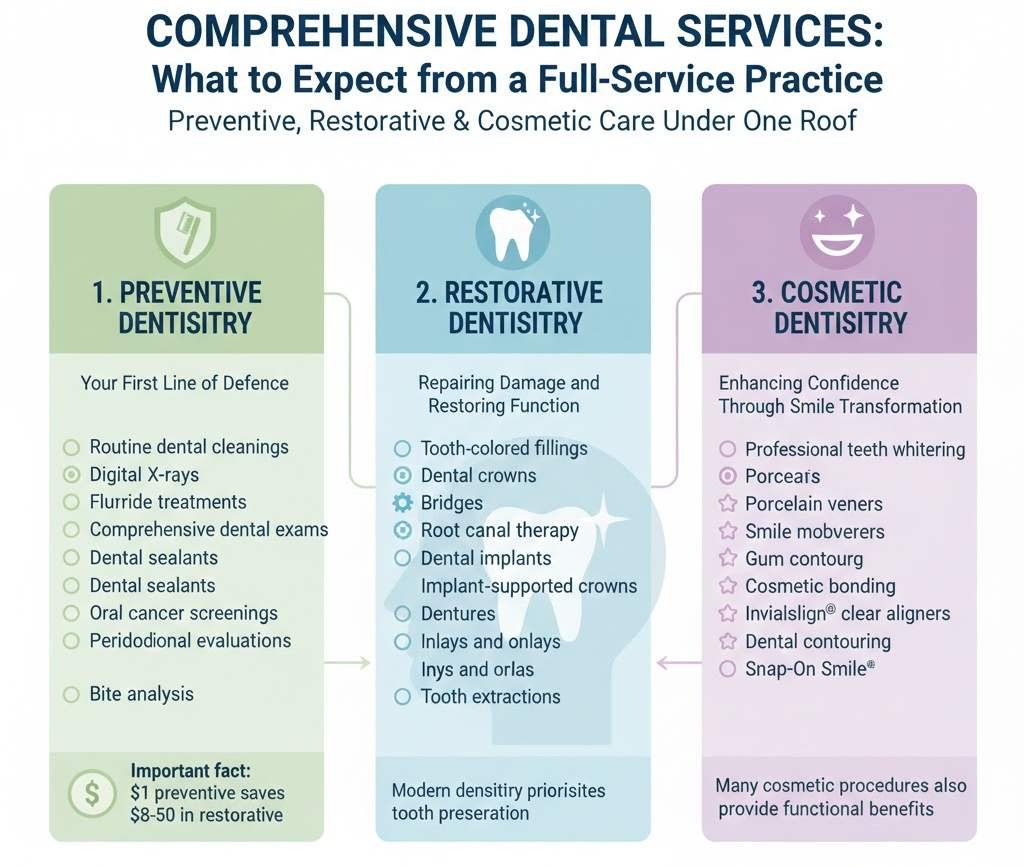
A trusted cosmetic dentist in Palmdale, CA, should offer both preventive and advanced treatments under one roof. Comprehensive care eliminates the inconvenience and fragmented communication that comes from visiting multiple specialists. It also ensures your complete dental history informs every treatment decision.
1. Preventive Dentistry: Your First Line of Defence
Preventive care is the foundation of lifelong oral health. These services protect your teeth from decay and disease while identifying problems at their earliest, most treatable stages.
Core Preventive Services:
- Routine dental cleanings (prophylaxis): Remove plaque and tartar that brushing cannot eliminate, typically every 6 months.
- Digital X-rays: Low-radiation imaging that reveals cavities, bone loss, and other issues invisible to the naked eye
- Fluoride treatments: Strengthens enamel and reverses early decay, especially important for children and high-risk adults
- Comprehensive dental exams: Checks teeth, gums, bite alignment, jaw joints, and soft tissues for abnormalities
- Dental sealants: Protective coatings applied to back teeth (molars) to prevent cavity formation in grooves and pits
- Oral cancer screenings: Visual and tactile examination of the tongue, throat, and oral tissues for suspicious lesions
- Periodontal evaluations: Measures gum pocket depths to detect and monitor gum disease progression
- Bite analysis: Identifies issues with jaw alignment that could lead to TMJ disorders or uneven tooth wear
Important fact: Every dollar spent on preventive dental care saves approximately $8-50 in restorative and emergency treatments, according to dental health economics research.
2. Restorative Dentistry: Repairing Damage and Restoring Function
Life happens, accidents occur, cavities develop despite our best efforts, and teeth weaken with age. A skilled general dentist in Palmdale, CA, provides restorative treatments that not only repair damage but also prevent further deterioration.
Restorative Treatment Options:
- Tooth-colored fillings (composite resins): Mercury-free materials that match natural tooth colour and bond directly to tooth structure
- Dental crowns: Custom caps that cover and protect damaged teeth, restoring strength and appearance
- Bridges: Fixed prosthetics that replace one or more missing teeth by anchoring to adjacent natural teeth
- Root canal therapy: Removes infected pulp tissue, eliminates pain, and saves teeth that would otherwise require extraction
- Dental implants: Titanium posts surgically placed in the jawbone to permanently replace missing tooth roots
- Implant-supported crowns and bridges: Permanent tooth replacements that function like natural teeth
- Dentures (partial and full): Removable appliances that restore function when multiple teeth are missing
- Inlays and onlays: Custom-fabricated restorations for teeth with moderate damage that don’t require full crowns
- Tooth extractions: Removal of severely damaged, infected, or problematic teeth when preservation isn’t possible
Modern restorative dentistry prioritises tooth preservation whenever possible. Dentists use minimally invasive techniques and advanced materials to maintain as much natural tooth structure as feasible, since nothing performs quite as well as your original teeth.
3. Cosmetic Dentistry: Enhancing Confidence Through Smile Transformation
Your smile is one of the first things people notice about you, and it significantly impacts first impressions, social interactions, and self-confidence. A professional cosmetic dentist in Palmdale, CA, combines artistry with clinical expertise to create beautiful, natural-looking results.
Popular Cosmetic Procedures:
- Professional teeth whitening: In-office or take-home systems that safely lighten teeth several shades, addressing stains from coffee, wine, and ageing
- Porcelain veneers: Ultra-thin ceramic shells bonded to front tooth surfaces to correct shape, colour, size, and minor alignment issues
- Smile makeovers: Comprehensive treatment plans combining multiple procedures to transform your smile aesthetics completely
- Cosmetic bonding: Tooth-colored resin applied to repair chips, close gaps, or improve tooth shape in a single visit
- Gum contouring: Reshapes excessive or uneven gum tissue to create better proportions between teeth and gums
- Invisalign® clear aligners: Nearly invisible orthodontic treatment that straightens teeth without metal braces
- Dental contouring: Minor reshaping of tooth enamel to improve symmetry and smooth rough edges
- Snap-On Smile®: Removable, custom-fitted appliance that covers natural teeth for instant cosmetic improvement
Worth noting: Many cosmetic procedures also provide functional benefits. For example, veneers protect worn enamel, while orthodontic treatment can improve bite alignment and reduce jaw strain.
Advanced Dental Technology: Why It Matters for Your Care
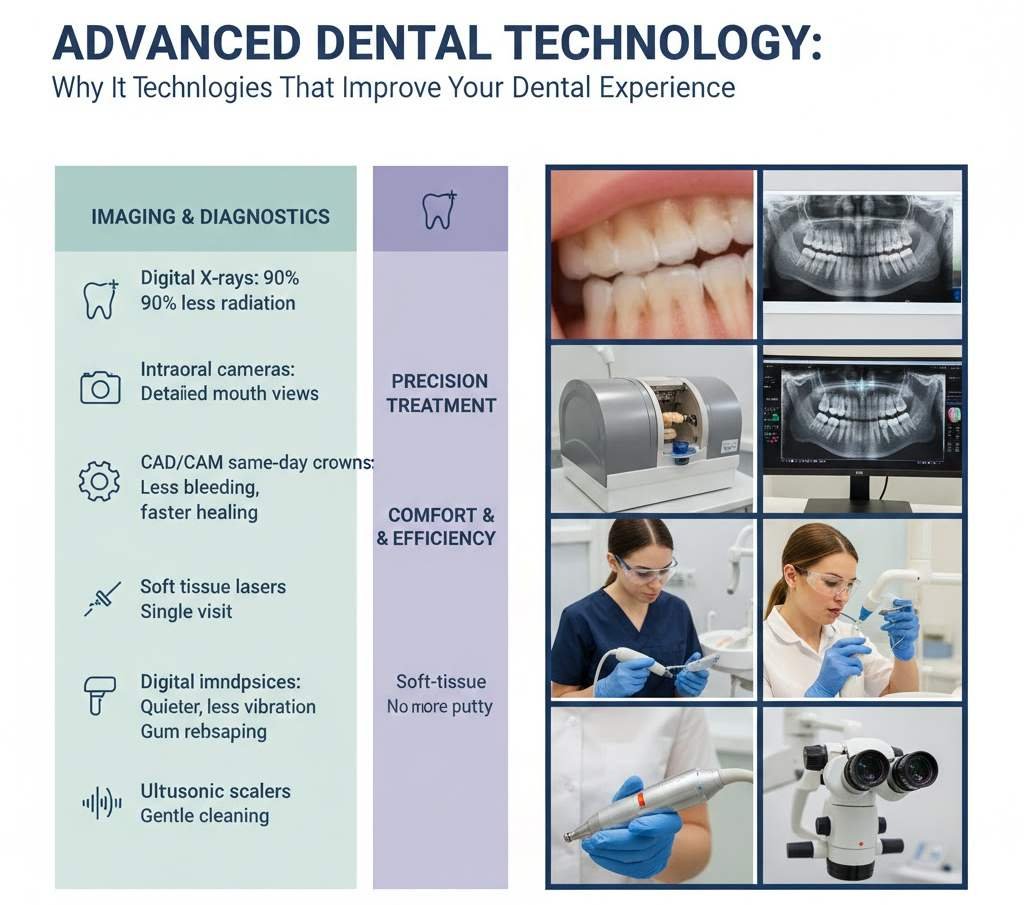
Modern dentistry has evolved dramatically over the past few decades. Digital imaging, computer-aided design and manufacturing, laser treatments, and advanced sterilisation protocols have transformed both the patient experience and treatment outcomes.
Key Technologies That Improve Your Dental Experience
- Digital X-rays: Reduce radiation exposure by up to 90% compared to traditional film X-rays while providing instant, high-resolution images
- Intraoral cameras: Tiny cameras that capture detailed images inside your mouth, allowing you to see exactly what your dentist sees
- CBCT 3D imaging: Cone-beam computed tomography creates three-dimensional views of teeth, bones, and nerves for precise implant planning
- CAD/CAM same-day crowns: Computer-aided design and milling create custom crowns in a single visit, eliminating temporary crowns and multiple appointments
- Laser dentistry: Minimises bleeding, reduces healing time, and often eliminates the need for anaesthesia in certain procedures
- Digital impression systems: Comfortable scanners replace uncomfortable putty impressions for crowns, bridges, and aligners
- Soft tissue lasers: Precise treatment for gum disease, lesion removal, and cosmetic gum reshaping with minimal discomfort
- Electric handpieces: Quieter, more precise drills that reduce vibration and patient anxiety
- Ultrasonic scalers: Gentle yet effective plaque and tartar removal that’s more comfortable than traditional hand scaling
- Dental operating microscopes: Magnification up to 25x allows for incredibly precise treatment, especially during root canals
When evaluating dental practices, ask about their technology investments. Clinics equipped with modern equipment typically prioritise continuing education, patient comfort, and evidence-based treatment approaches.
Creating a Comfortable, Patient-Focused Experience
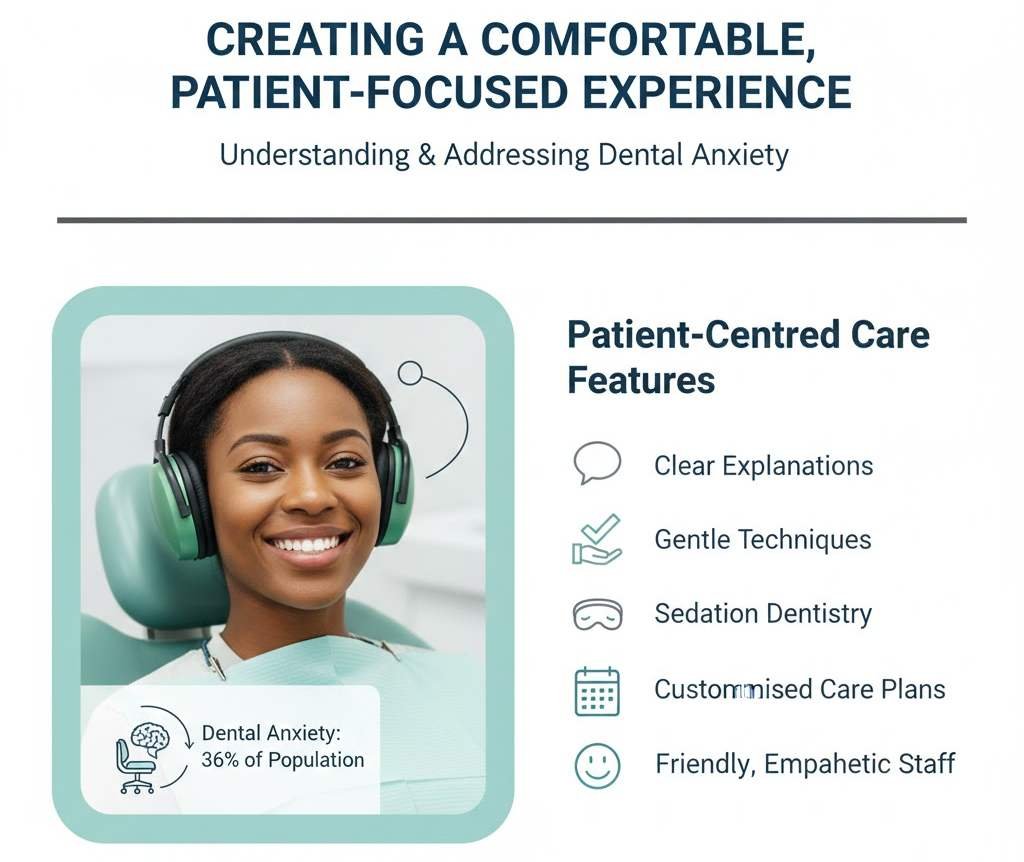
Understanding and Addressing Dental Anxiety
Dental anxiety affects an estimated 36% of the population, with 12% experiencing extreme fear that causes them to avoid dental care entirely. This anxiety often stems from childhood experiences, fear of pain, feelings of helplessness, or embarrassment about dental neglect.
A compassionate dentist in Palmdale, CA, recognises these concerns and implements strategies to create a welcoming, stress-free environment where anxious patients feel safe and supported.
Patient-Centred Care Features:
- Clear, jargon-free treatment explanations: Understanding what’s happening reduces fear of the unknown
- Gentle techniques and pain management: Modern anaesthetics and careful touch minimise discomfort
- Sedation dentistry options: Nitrous oxide, oral sedation, or IV sedation for extremely anxious patients or lengthy procedures
- Customised care plans: Treatment pacing and sequencing adapted to your comfort level and schedule.
- Friendly, empathetic staff: Trained to recognise anxiety signals and provide reassurance
- Comfortable amenities: Neck pillows, blankets, headphones, or streaming entertainment during treatment
- Stop signals: Established hand gestures that immediately pause treatment if you need a break
- Transparent cost discussions: Upfront estimates and flexible payment options reduce financial stress
- Appointment flexibility: Evening and weekend hours accommodate work schedules
- Minimal wait times: Respect for your time demonstrates respect for you as a person
Research shows that patients who feel comfortable with their dentist are 3-4 times more likely to maintain regular preventive visits, leading to significantly better long-term oral health outcomes.
Critical Importance of Regular Preventive Visits
Skipping regular dental appointments may seem harmless, especially when you’re busy or money is tight. However, dental problems rarely resolve on their own. Small, asymptomatic issues silently worsen until they become painful emergencies requiring expensive, invasive treatment.
What Regular Visits Prevent
- Gum disease (periodontitis): The leading cause of adult tooth loss, affecting nearly 50% of Americans over 30
- Tooth decay progression: Cavities that start in enamel can quickly reach the nerve if untreated
- Tooth loss: Missing teeth lead to bone deterioration, bite problems, and additional tooth loss
- Oral infections: Dental abscesses can spread to the bloodstream, causing life-threatening sepsis
- Oral cancer: Early detection dramatically improves 5-year survival rates from 50% to over 80%
- Bad breath (halitosis): Often caused by bacteria, gum disease, or hidden decay
- Systemic health complications: Oral bacteria linked to heart disease, stroke, diabetes complications, and pregnancy issues
- Emergency dental situations: Severe pain, broken teeth, or dental trauma often result from neglected problems.
- Costly treatments: Root canals, crowns, implants, and extractions cost 10-20x more than preventive care.
True Cost Comparison
| Preventive Care | Cost | Neglected Problem | Cost |
|---|---|---|---|
| Routine cleaning & exam | $75 – $200 | Root canal + crown | $2,000 – $3,500 |
| Fluoride treatment | $20 – $50 | Multiple fillings | $500 – $1,500 |
| Early cavity filling | $150 – $300 | Tooth extraction + implant | $3,000 – $6,000 |
| Periodontal maintenance | $150 – $300 | Gum surgery | $1,500 – $3,000 |
| Annual preventive care | $300 – $600 | Emergency treatment (yearly) | $3,000 – $10,000+ |
Financial reality: Most dental insurance plans cover 100% of preventive care (cleanings, exams, X-rays) but only 50-80% of major treatments. Regular preventive visits are often covered in full by insurance.
Complete Family Dental Care: One Practice for Everyone
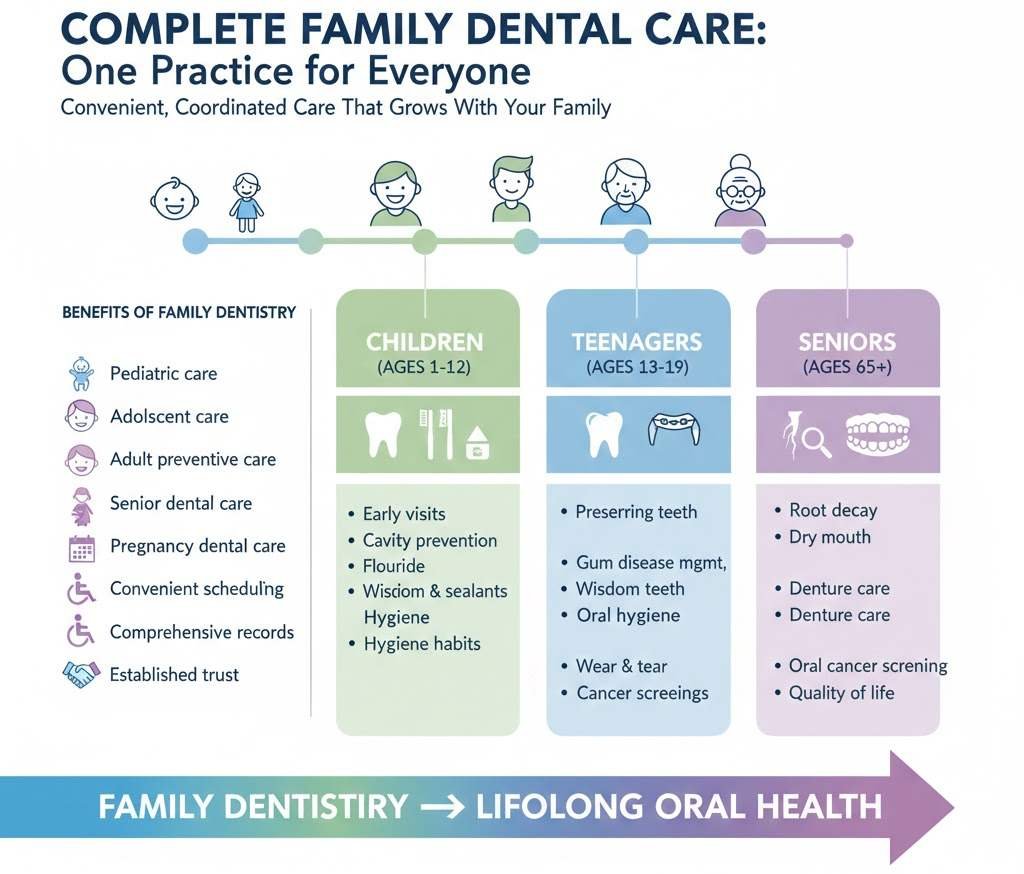
A trusted family dentist in Palmdale treats patients of all ages, from infants to seniors, providing convenient, coordinated care that grows with your family. This continuity offers significant advantages over visiting multiple specialists.
Benefits of Family Dentistry
- Pediatric care: First dental visits (recommended by age 1), cavity prevention, fluoride treatments, and dental development monitoring
- Adolescent care: Orthodontic evaluations, wisdom teeth assessments, sports mouthguards, and oral hygiene education during high-risk years
- Adult preventive care: Routine cleanings, gum disease management, and screening for age-related conditions
- Senior dental care: Dry mouth management, denture care, medication-related dental issues, and oral cancer screening
- Pregnancy dental care: Safe treatments during pregnancy and guidance on how hormonal changes affect oral health
- Special needs accommodation: Experience treating patients with disabilities, anxiety disorders, or medical complexities
- Convenient scheduling: Multiple family members can schedule appointments on the same day
- Comprehensive records: Your dentist understands your family’s genetic predispositions and health patterns
- Established trust: Children who grow up with the same dentist develop comfort and positive attitudes toward dental care
- Coordinated treatment: Family dental history informs treatment decisions for all members
Age-Specific Dental Considerations
Children (Ages 1-12):
- Early dental visits establish healthy habits and allow dentists to monitor tooth development, apply preventive sealants, and provide fluoride treatments. Teaching proper brushing and flossing techniques during childhood prevents a lifetime of dental problems.
Teenagers (Ages 13-19):
- Adolescence brings increased cavity risk due to dietary independence, orthodontic appliances, and sometimes inconsistent hygiene habits. Wisdom teeth typically emerge during late teens, requiring monitoring and potential extraction.
Adults (Ages 20-64):
- Adult dental care focuses on preserving natural teeth, managing gum disease, and addressing wear from grinding, ageing, or lifestyle factors. Regular cancer screenings become increasingly important.
Seniors (Ages 65+):
- Older adults face increased risks of root decay, gum disease, tooth loss, dry mouth from medications, and oral cancer. Maintaining dental health significantly impacts nutrition, speech, social engagement, and overall quality of life.
Dental Emergency Warning Signs: When to Seek Immediate Care
Some dental problems require urgent attention; waiting even 24 hours can mean the difference between saving or losing a tooth, or between simple treatment and complex surgery.
Seek Immediate Dental Care If You Experience:
- Severe, persistent tooth pain: Especially throbbing pain that wakes you at night or interferes with daily activities
- Swollen, bleeding gums: Particularly if accompanied by pus, fever, or foul taste
- Knocked-out tooth: Time is critical if reimplanted within 30-60 minutes; teeth have the best survival chance
- Cracked or broken tooth: Sharp edges can damage soft tissues, and fractures may expose nerves.
- Dental abscess: Visible swelling, pimple-like bump on gums, or facial swelling indicates serious infection
- Lost filling or crown: Exposed tooth structure is vulnerable to decay and nerve damage
- Jaw injury: Difficulty opening the mouth, misaligned bite, or visible facial swelling after trauma
- Excessive sensitivity: Sudden, sharp pain when consuming hot, cold, or sweet foods may indicate exposed nerves
- Uncontrolled bleeding: After extraction, injury, or unexplained oral bleeding that doesn’t stop with pressure
- Object stuck between teeth: If you cannot remove it with floss, professional extraction prevents tissue damage
- Persistent bad taste, especially with fever or swelling, may indicate a hidden infection.
DENTAL EMERGENCY FIRST AID
- Knocked-out permanent tooth: Handle by crown only (not root), rinse gently, try to reinsert in socket, or store in milk. See a dentist within 30 minutes.
- Severe pain: Rinse with warm salt water, take an over-the-counter pain reliever, and apply a cold compress to the face. Call the dentist immediately.
- Broken tooth: Save fragments; rinse mouth with warm water; apply gauze if bleeding; use a cold compress for swelling.
- Lost filling/crown: Temporarily cover the exposed area with dental cement (available at pharmacies) or sugar-free gum. See a dentist within 24 hours.
- Facial swelling with fever: This may indicate a serious infection spreading beyond the tooth. Seek emergency care or call 911 if breathing is affected.
Important: If you experience facial swelling that affects breathing or swallowing, high fever with dental pain, or uncontrolled bleeding, go to an emergency room or call 911. These situations require immediate medical intervention beyond dental care.
Building Long-Term Oral Health: Daily Habits That Matter
Professional dental care is essential, but your daily habits determine the long-term health of your teeth and gums. Even the most skilled dentist cannot overcome consistently poor home care.
Evidence-Based Home Care Recommendations
- Brush twice daily (morning and before bed) for 2 full minutes using fluoride toothpaste and a soft-bristle brush.
- Replace the toothbrush every 3-4 months, or sooner if the bristles become frayed.
- Floss daily, preferably before bedtime, to remove food particles and plaque between teeth where brushes cannot reach
- Use fluoride mouthwash to strengthen enamel and reduce cavity risk (especially beneficial for high-risk individuals)
- Limit sugary and acidic foods/drinks, especially between meals when saliva production is lower.
- Wait 30-60 minutes after eating before brushing (especially after acidic foods) to avoid enamel erosion.
- Drink water throughout the day. It rinses away food particles and maintains saliva production.
- Chew sugar-free gum after meals when you cannot brush (increases saliva flow that neutralises acids)
- Avoiding tobacco products, such as smoking and chewing tobacco, dramatically increases gum disease, tooth loss, and oral cancer risk.
- Use a straw when drinking acidic beverages to minimise contact with tooth enamel.
- Consider a water flosser (Waterpik) as a supplement to traditional flossing, especially if you have braces or implants.
- If you grind teeth at night, wear a custom nightguard to prevent excessive wear and jaw problems.
Nutrition for Optimal Dental Health
Your diet significantly impacts oral health. Certain foods strengthen teeth while others promote decay.
Foods That Support Dental Health:
- Dairy products (cheese, yoghurt, milk): High in calcium and casein, which strengthen enamel
- Crunchy vegetables (carrots, celery, broccoli): Natural tooth cleaning action and stimulate saliva production
- Leafy greens: Rich in calcium, folic acid, and vitamins that promote gum health
- Lean proteins (chicken, fish, eggs): Phosphorus content supports tooth remineralisation
- Nuts and seeds: Protein and minerals strengthen teeth; chewing stimulates saliva
- Apples and pears: Natural scrubbing action and high water content reduce cavity risk
- Green and black tea: Contains polyphenols that suppress harmful bacteria (without added sugar)
- Sugar-free gum with xylitol: Reduces bacteria and stimulates protective saliva flow
Foods That Harm Dental Health:
- Sticky candies and dried fruits: Cling to teeth and continuously expose enamel to sugar
- Soda and energy drinks: Highly acidic and sugary—double threat to enamel
- Sports drinks: Often contain as much sugar as soda despite their healthy image
- Citrus fruits and juices: Very acidic; consume with meals and rinse with water afterwards
- Crackers, chips, and bread: Simple carbohydrates convert to sugar and stick to teeth
- Alcohol: Dries out the mouth, reducing protective saliva (which increases cavity risk)
- Ice: Chewing hard ice can crack teeth and damage enamel
- Hard candies: Prolonged sugar exposure plus potential for cracked teeth
Special Considerations: Dental Health and Systemic Conditions
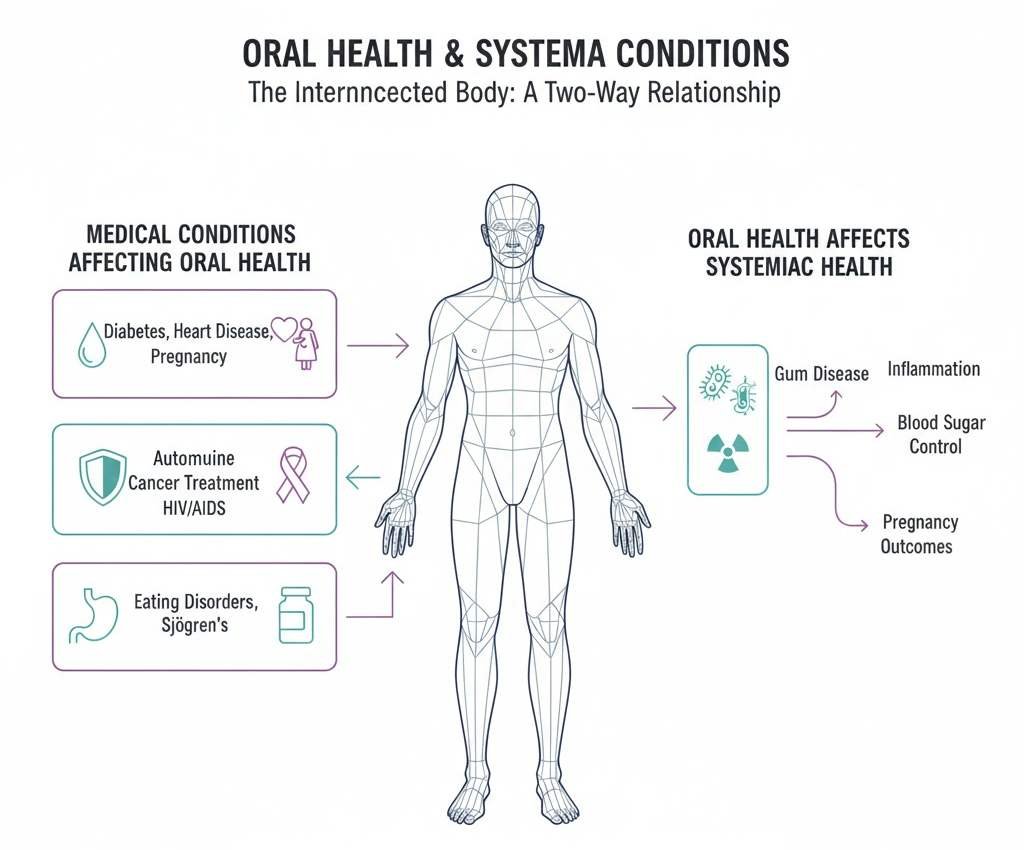
Oral health doesn’t exist in isolation it’s intimately connected to overall physical health. Certain medical conditions affect dental health, and conversely, poor oral health can worsen systemic diseases.
Medical Conditions That Impact Oral Health
- Diabetes: Increases gum disease risk; conversely, gum disease makes blood sugar control more difficult
- Heart disease: Oral bacteria from gum disease may contribute to cardiovascular inflammation and arterial plaque
- Pregnancy: Hormonal changes increase the risk of gingivitis; gum disease is linked to premature birth and low birth weight
- Osteoporosis: Bone-weakening medications may affect jawbone and tooth stability
- Autoimmune diseases (rheumatoid arthritis, lupus): Increased inflammation affects gum health
- Cancer treatments: Chemotherapy and radiation can cause dry mouth, gum problems, and increased infection risk
- HIV/AIDS: A weakened immune system increases susceptibility to oral infections
- Eating disorders: Acid exposure from purging severely damages enamel
- Sjögren’s syndrome: Autoimmune condition causing severe dry mouth
- Medication side effects: Over 500 medications cause dry mouth, increasing cavity and gum disease risk
Critical reminder: Always inform your dentist of any medical conditions, medications, or supplements. This information is essential for safe treatment planning and may require antibiotic prophylaxis before certain procedures or adjustments in medication.
Understanding Dental Insurance and Payment Options
Dental costs shouldn’t prevent you from receiving necessary care. Understanding insurance coverage and exploring payment options can make quality dentistry accessible.
How Dental Insurance Typically Works
- Preventive care (100% coverage): Cleanings, exams, and X-rays are usually covered twice per year at no out-of-pocket cost
- Basic procedures (70-80% coverage): Fillings, simple extractions typically require 20-30% copayment
- Major procedures (50% coverage): Crowns, bridges, and dentures often require 50% patient payment.
- Orthodontics: Often separate benefit with lifetime maximum ($1,000-2,000 typical)
- Annual maximum: Most plans have a $1,000-2,000 annual benefit limit
- Waiting periods: New plans may require 6-12 months before major services are covered
- Missing tooth clause: Some plans won’t cover replacement if the tooth was lost before insurance started
- Pre-authorisation: Major treatments often require approval before coverage is confirmed
Payment Options Beyond Insurance
- Dental savings plans: Membership programs offering 10-60% discounts at participating dentists (no annual maximum)
- In-house membership plans: Many practices offer their own discount programs for uninsured patients
- Payment plans: Interest-free financing for treatment costs spread over 6-24 months
- Third-party financing: CareCredit and LendingClub offer longer-term healthcare financing options
- Health Savings Accounts (HSA) or Flexible Spending Accounts (FSA): Tax-advantaged dollars for dental expenses
- Dental schools: Reduced-cost treatment provided by supervised students (University of California systems, Western University)
- Community health centres: Sliding-scale fees based on income
- Negotiated cash discounts: Some dentists offer reduced fees for full payment at the time of service
Financial tip: Never let cost prevent you from discussing treatment options with your dentist. Most practices can work with you to create a phased treatment plan that addresses urgent needs first while fitting your budget.
FAQs
Q1: How often should I visit a dentist in Palmdale, CA?
- Most adults and children should schedule dental checkups every six months. However, your dentist may recommend more frequent visits (every 3-4 months) if you have gum disease, diabetes, a weakened immune system, are pregnant, or have a history of frequent cavities. Conversely, some low-risk patients with excellent oral health may only need annual visits. Your dentist will personalise the schedule based on your individual risk factors and oral health status.
Q2: What services does a cosmetic dentist in Palmdale, CA provide?
- Cosmetic dentists offer treatments designed to improve smile aesthetics while maintaining or enhancing function. Common services include professional teeth whitening, porcelain veneers, cosmetic bonding, gum contouring, Invisalign clear aligners, and comprehensive smile makeovers. Many cosmetic procedures also provide restorative benefits; for example, veneers protect worn enamel while improving appearance.
Q3: Are dental X-rays safe? How much radiation exposure do they involve?
- Yes, dental X-rays are extremely safe. Modern digital X-rays expose patients to approximately 80-90% less radiation than traditional film X-rays. A complete set of dental X-rays delivers about 0.005 millisieverts (mSv) of radiation, less than one day of natural background radiation or a 1-2 hour aeroplane flight. The diagnostic benefits far outweigh the minimal risk, especially since X-rays reveal cavities, bone loss, infections, and tumours invisible during visual examination.
Q4: What is the difference between a general dentist and a family dentist?
- The terms are often used interchangeably, but there are subtle differences. General dentists provide comprehensive care for adults, treating a wide range of dental conditions. Family dentists also offer comprehensive care but specifically focus on treating patients of all ages, from infants to seniors, under one roof. Family dentists receive additional training in pediatric care and age-specific dental issues, making them convenient for households with children.
Q5: How can I prevent gum disease?
- Gum disease prevention requires consistent home care plus professional maintenance. Brush twice daily with fluoride toothpaste, floss daily to remove plaque between teeth, avoid tobacco, manage diabetes if applicable, and maintain regular dental cleanings (every 6 months or as recommended). Early gum disease (gingivitis) is reversible with improved hygiene and professional cleaning. Advanced gum disease (periodontitis) requires specialised treatment but can be managed to prevent tooth loss.
Q6: What should I do if I have dental anxiety?
- Dental anxiety is common and manageable. Communicate your concerns to your dentist; they can adjust their approach accordingly. Options include scheduling longer appointments to avoid feeling rushed, establishing stop signals, using distraction techniques (headphones, TV), and utilising sedation dentistry (nitrous oxide, oral sedation, or IV sedation for severe anxiety). Many patients find that building a trusting relationship with a compassionate dentist significantly reduces anxiety over time.
Q7: When should children have their first dental visit?
- The American Academy of Pediatric Dentistry recommends that children visit a dentist by their first birthday or within six months of the first tooth erupting. Early visits establish a dental home, allow dentists to assess development, provide fluoride treatment if needed, and educate parents about proper care, nutrition, and habits (such as thumb-sucking and pacifier use). Early childhood cavities are entirely preventable with proper care.
Q8: Are dental implants better than bridges or dentures?
- Dental implants offer several advantages: they don’t require modifying adjacent teeth (unlike bridges), preserve jawbone density, function like natural teeth, and can last a lifetime with proper care. However, they require sufficient bone density, surgical placement, and a higher upfront cost ($3,000-6,000 per tooth). Bridges and dentures remain excellent options for many patients, especially when multiple teeth are missing or surgical candidacy is limited. Your dentist will recommend the best solution based on your anatomy, health, budget, and preferences.
Q9: Why do my teeth hurt when I eat cold foods?
- Tooth sensitivity to cold typically indicates exposed dentin (the layer beneath enamel) or inflamed nerves. Common causes include enamel erosion from acidic foods/drinks, receding gums exposing root surfaces, cracked teeth, worn fillings, or cavities. Sometimes, teeth whitening temporarily increases sensitivity. Use desensitising toothpaste for 2-3 weeks; if sensitivity persists or worsens, see your dentist to identify and treat the underlying cause.
Q10: Can I whiten my teeth if I have crowns or veneers?
- Whitening treatments only affect natural tooth enamel; they cannot change the colour of crowns, veneers, fillings, or bonding. If you whiten natural teeth, existing restorations may become noticeably darker by comparison. If you’re considering both whitening and restorations, whiten first, then match the new restorations to your whitened shade. Discuss your aesthetic goals with your cosmetic dentist to create a comprehensive treatment plan.
Conclusion
Choosing the right dentist in Palmdale, CA is one of the most important healthcare decisions you’ll make. Your oral health affects far more than your smile; it impacts nutrition, speech, self-confidence, systemic health, and overall quality of life.
From preventive cleanings that protect against disease to advanced cosmetic and restorative treatments that restore function and confidence, professional dental care is an investment that pays dividends throughout your lifetime. The key is finding a dental team that combines clinical expertise with genuine compassion, modern technology with personalised attention, and comprehensive services with respect for your individual needs and circumstances.
Don’t wait for pain to force emergency treatment. Establish a relationship with a trusted dental provider, commit to regular preventive visits, and maintain excellent home care. These simple decisions today prevent complex, expensive problems tomorrow.
MEDICAL DISCLAIMER
This article is for informational and educational purposes only and does not constitute medical or dental advice. The information provided should not be used as a substitute for professional dental consultation, diagnosis, or treatment. Always seek the advice of a qualified dentist or healthcare provider with any questions regarding dental conditions, treatments, or oral health concerns.
If you have medical conditions or take medications, inform your dentist before any dental procedure.
Dental treatment recommendations vary based on individual health conditions, medical history, and specific dental needs.
In case of a dental emergency (severe pain, uncontrolled bleeding, facial swelling, or trauma), seek immediate professional care or call 911.
This content does not create a dentist-patient relationship between readers and any mentioned dental practice.
Treatment outcomes may vary from person to person. Consult with a licensed dentist for personalized advice.