

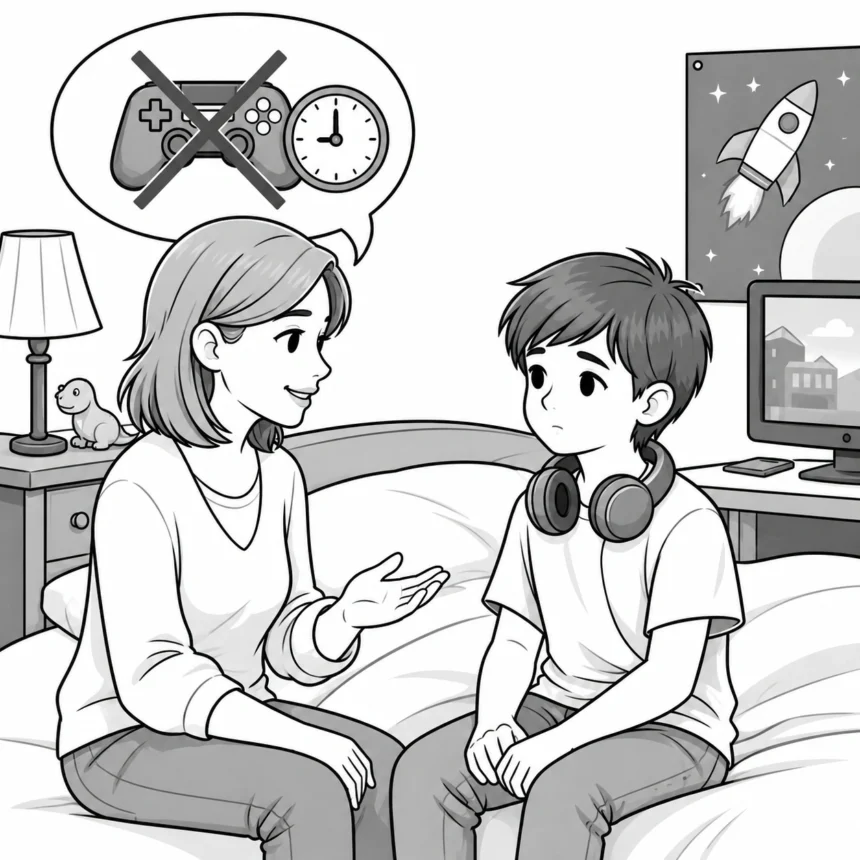
Digital recreation has become an integral part of modern life. Many people spend time on online games, hobby communities, social platforms, and virtual events to relax, connect with others, and take a break from work or daily responsibilities. As a result, digital wellness experts are exploring how these activities impact mental wellbeing, social connection, and daily habits.
Today, the conversation around digital wellness is more balanced. Instead of focusing solely on screen time, experts now consider how people engage online and whether these experiences contribute to healthier routines and meaningful social interactions.
How Recreational Online Activities Fit Into Daily Wellness
Digital wellness is often linked to everyday routines. Sleep, movement, social interaction, work balance, and stress management all influence overall health.
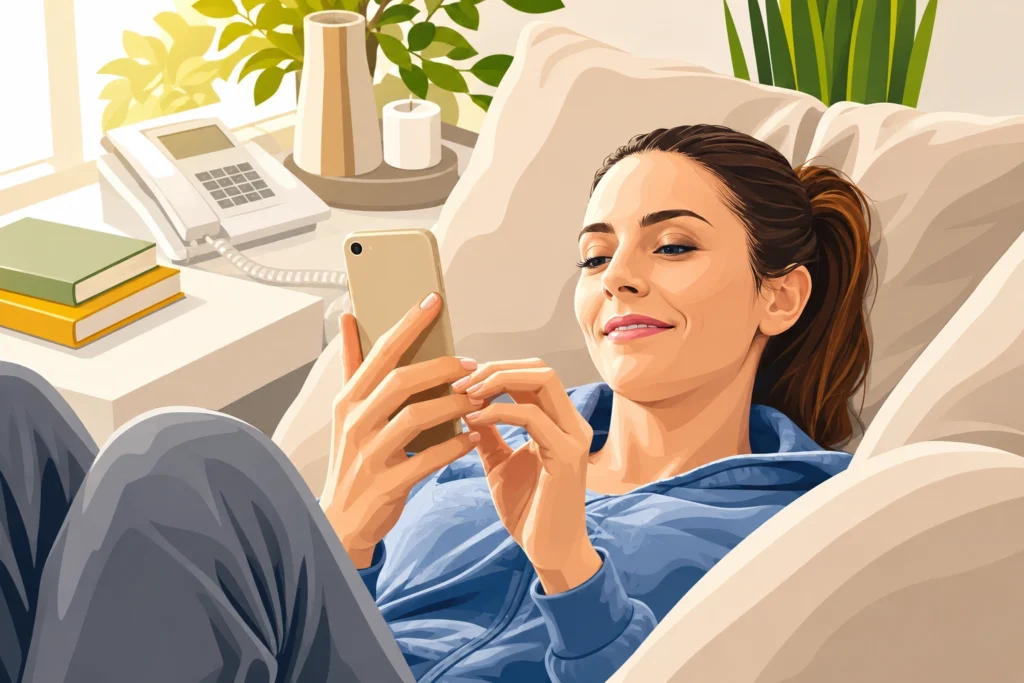
Recreational online activities can become part of these routines when used mindfully.
For many people, digital recreation may look like:
- Playing online games after work
- Joining hobby forums during free time
- Participating in virtual events
- Watching live streams with friends
- Taking part in creative communities
- Connecting through discussion groups
These activities often provide more than entertainment. They can also create social opportunities and moments of relaxation.
The maintaining balance and making digital activities work alongside healthy offline habits.
Why Social Connection Matters in Digital Spaces
Health experts continue to highlight the importance of social support for emotional wellbeing.
Studies looking at online gaming communities found that players with stronger social support and a greater sense of community were more likely to develop communication ties over time. People who reported having fewer offline support systems were also more likely to seek interaction within digital communities.
This shows how online environments may help people stay socially connected.
Simple habits can support this experience:
- Checking in with online friends
- Joining group activities
- Participating in discussions
- Sharing achievements or updates
- Offering support to other members
Even small interactions may help reduce feelings of isolation.
Digital communities are not replacements for professional care or real world relationships, but they may become one part of a broader support system.
Recreational Gaming and Mental Engagement
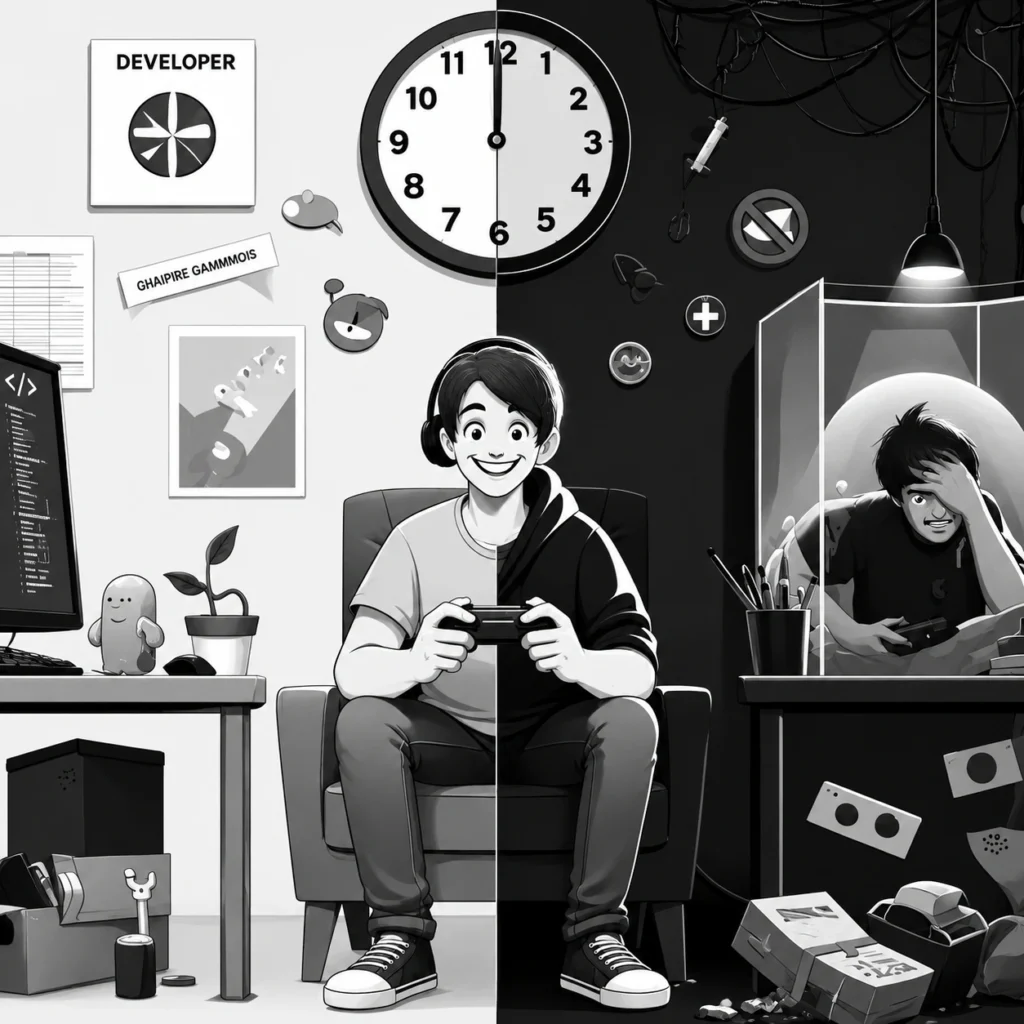
Gaming remains one of the most discussed forms of online recreation because it combines entertainment with interaction.
Modern gaming environments often include:
- Team based play
- Messaging systems
- Community forums
- Long term competitions
- Shared goals and achievements
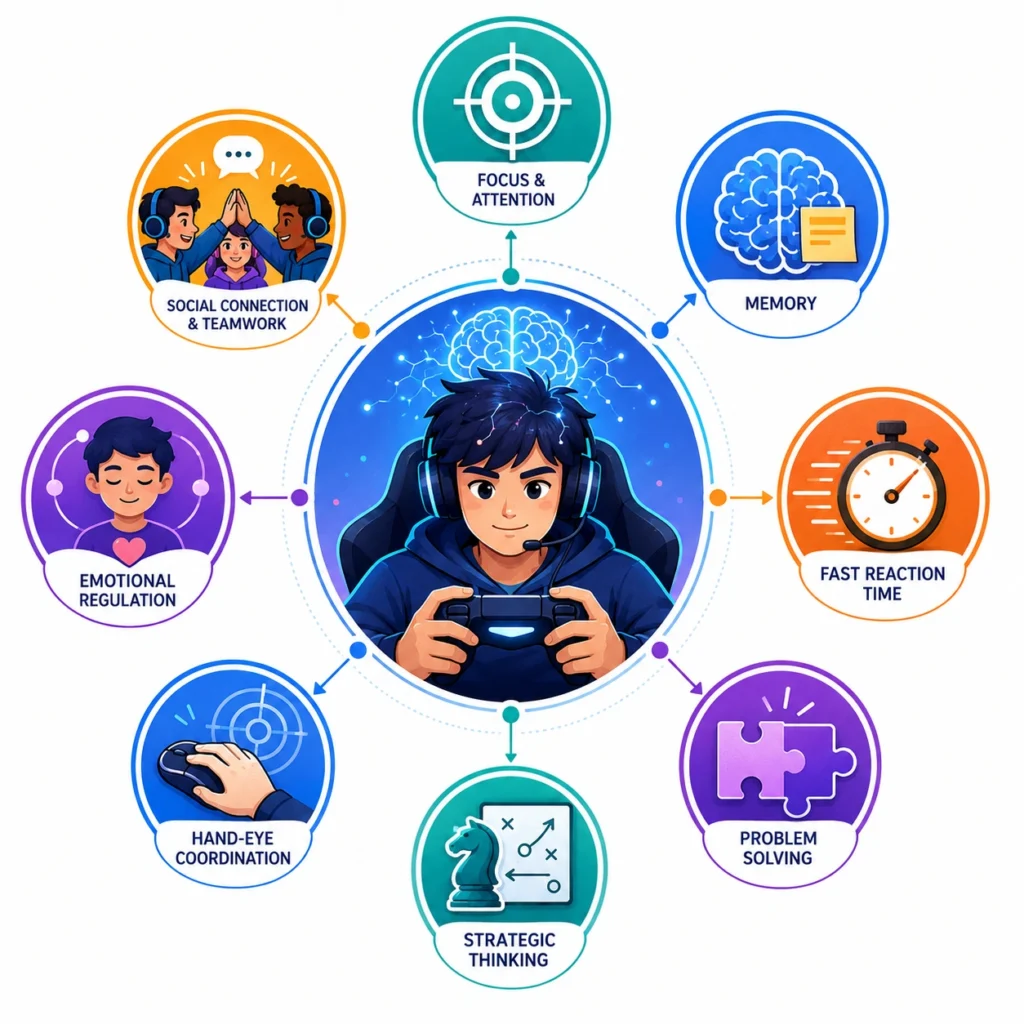
Some games also involve strategy, observation, planning, and decision making.
For example, players interested in card based games and probability driven entertainment sometimes explore formats such as online baccarat, where attention, pacing, and understanding game mechanics become part of the experience. When approached as occasional recreation and kept within personal limits, these activities may fit into broader digital entertainment habits without becoming the centre of daily routines.
Digital wellness specialists usually recommend treating all forms of gaming as one part of a balanced lifestyle rather than a constant activity.
The Importance of Healthy Routines Around Screen Time
Experts often focus less on removing digital recreation and more on building healthy routines around it.
Practical habits may include:
Create Clear Time Boundaries
Setting specific times for online recreation helps protect sleep schedules, family time, exercise, and work responsibilities.
Mix Digital and Offline Activities
A balanced day may include screen time alongside walking, reading, hobbies, exercise, or face to face interaction.
Take Regular Breaks
Short pauses between sessions help reduce fatigue and improve focus.
Protect Sleep Quality
Late night screen use may affect rest. Creating device free periods before bed can support healthier sleep routines.
These simple habits help recreational activities stay enjoyable and sustainable.
Recreational Activities Beyond Gaming
Digital wellness research now covers more than gaming alone.
Many online activities support creativity, learning, and social engagement.
Examples include:
Creative Communities
Art groups, photography forums, music discussions, and writing spaces encourage expression and collaboration.
Fitness Platforms
Virtual workouts and health apps combine movement with social motivation.
Hobby Groups
Cooking communities, book clubs, gardening forums, and collecting groups help people connect around shared interests.
Live Digital Events
Interactive streams, virtual meetups, and online workshops create opportunities for participation and learning.
These activities often combine enjoyment with purpose, which may contribute positively to emotional wellbeing.
When Digital Recreation Becomes Unbalanced
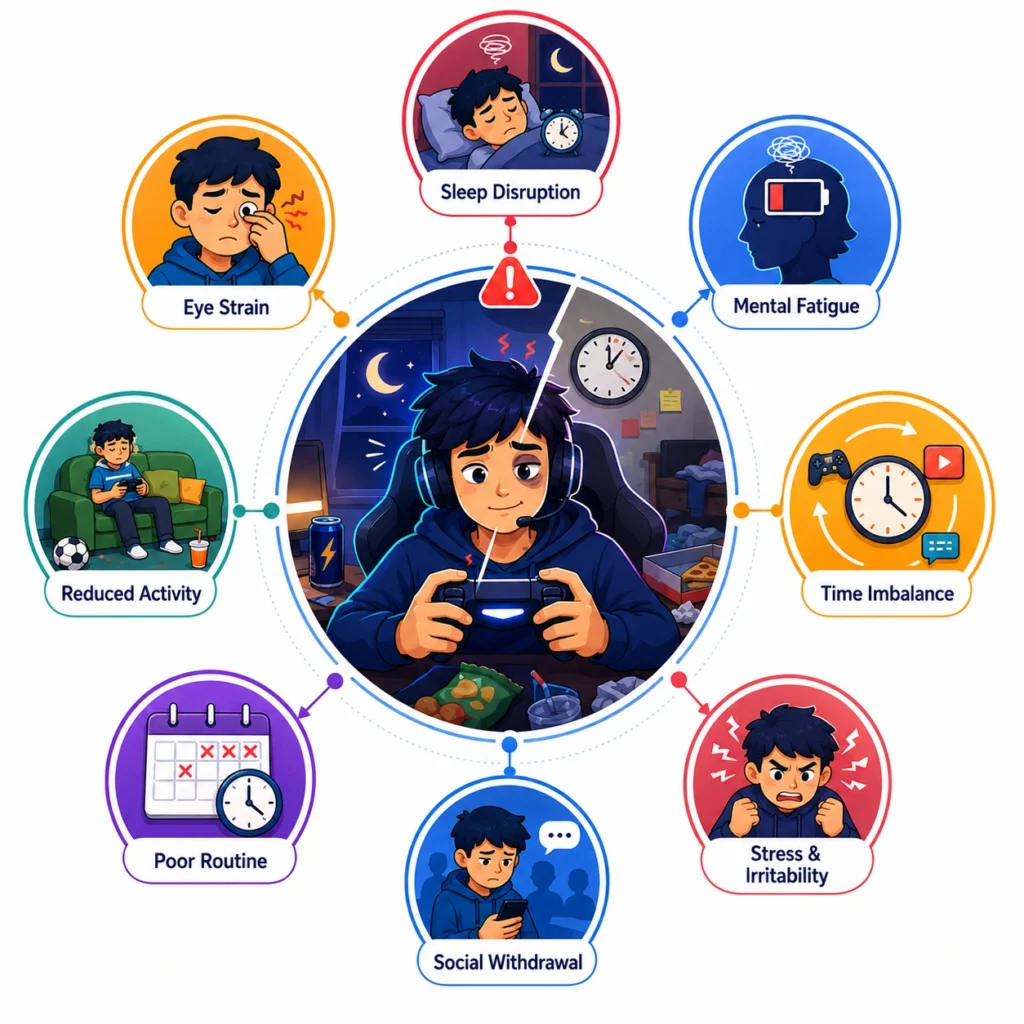
Online recreation works best when it supports daily life rather than replacing it.
Experts suggest paying attention to changes such as:
- Reduced physical activity
- Poor sleep patterns
- Skipping daily responsibilities
- Social withdrawal
- Mental exhaustion after screen use
- Difficulty stepping away from devices
Simple adjustments can help restore balance:
- Schedule screen free periods
- Add movement into routines
- Keep devices away during meals
- Prioritise rest and recovery
- Maintain offline relationships
Digital wellness is usually built through small everyday choices rather than major restrictions.
Summary
Recreational online activities now form part of many people’s daily routines, offering entertainment, social connection, learning opportunities, and relaxation.
When used thoughtfully, these activities can support mental health, strengthen social ties, and complement a balanced lifestyle. Combining digital recreation with healthy habits, regular movement, quality sleep, and meaningful offline relationships ensures that online engagement enhances wellness rather than disrupts it.
References:
- https://www.who.int/news-room/questions-and-answers/item/digital-health-and-mental-health
- https://www.apa.org/topics/video-games/internet-gaming
- https://www.nih.gov/news-events/nih-research-matters/video-gaming-may-be-associated-better-cognitive-performance-children
- https://www.health.harvard.edu/mind-and-mood/the-health-effects-of-too-much-screen-time
- https://www.cdc.gov/mentalhealth/learn/index.htm
- https://www.mhanational.org/mental-health-and-well-being
- https://www.psychologytoday.com/us/basics/social-connection
- https://www.nimh.nih.gov/health/topics/caring-for-your-mental-health
- https://pmc.ncbi.nlm.nih.gov/articles/PMC11403199/
- https://www.frontiersin.org/articles/10.3389/fpsyg.2019.01735/full