

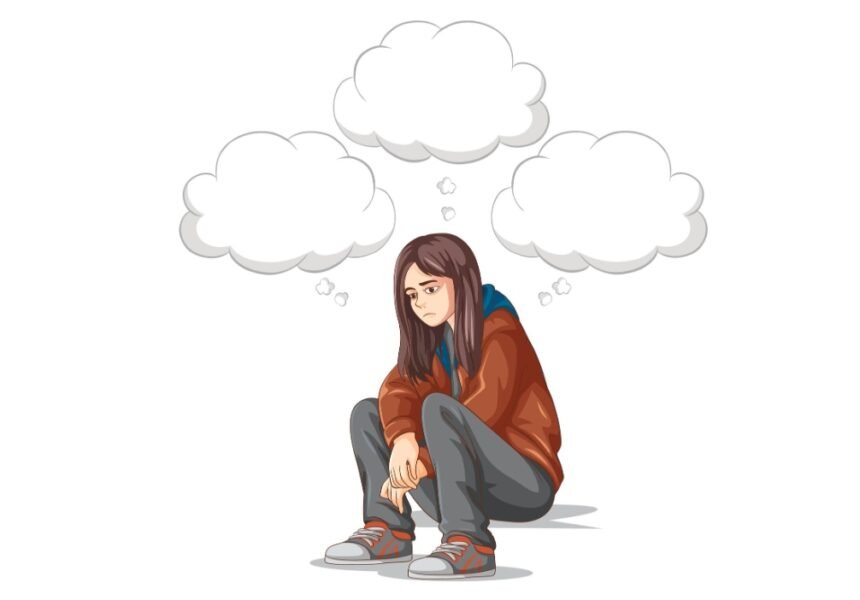
Anger issues in teens usually show up as a pattern, not a single outburst: slammed doors, sudden irritability, withdrawal from family, or explosive reactions to small frustrations that don’t match the situation. When these episodes happen often, last for weeks, or come paired with sleep changes, falling grades, or pulling away from friends, that’s typically when ordinary teen anger crosses into something that deserves a closer look.
Most parents brace themselves for some friction once their kid hits adolescence. A little eye-rolling, a slammed door here and there that’s expected. But there’s a difference between a teenager having a rough week and a teenager whose anger has become the default setting. The tricky part is figuring out where that line sits, especially since teen anger and ordinary mood swings can look almost identical on the surface.
What Anger in Teens Actually Looks Like Day to Day
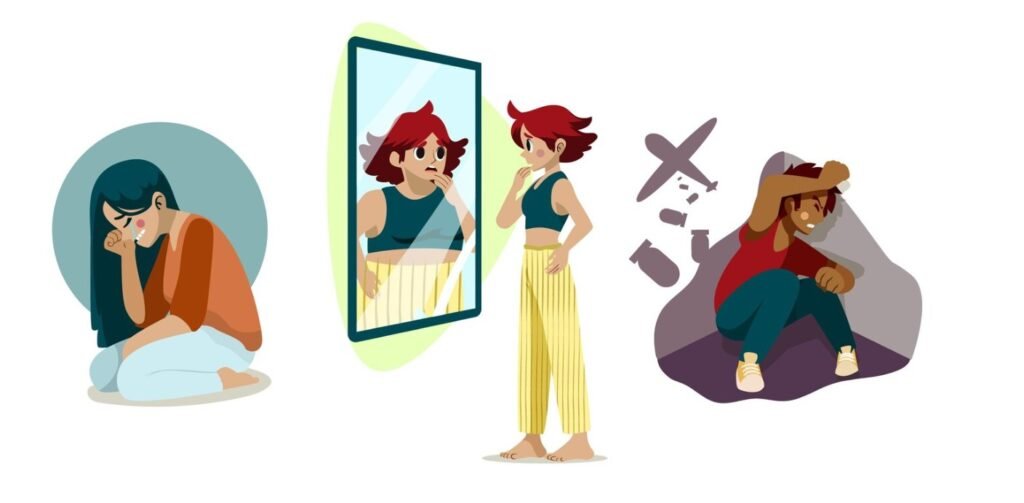
Anger in teens rarely announces itself clearly. It shows up as sideways sarcasm that’s sharper than usual, a kid who used to talk at dinner and now eats in silence, or someone who used to handle disappointment fine, suddenly throwing a phone across the room over a bad grade.
Hormonal shifts during puberty genuinely do play a role here. So does brain development: the prefrontal cortex, which handles impulse control and weighing consequences, isn’t fully wired until the mid-20s. That gap between feeling something intensely and being able to regulate the response is real, and it’s part of why teen anger often looks disproportionate to whatever triggered it.
That said, biology alone doesn’t explain everything. Social pressure, academic stress, family conflict, and unresolved sadness all funnel into anger because, for a lot of teens, anger feels safer to express than vulnerability.
Common Triggers Behind Sudden Outbursts
A few patterns show up again and again in clinical settings:
- Academic pressure: looming deadlines, fear of disappointing parents, or perfectionism that’s gone unchecked
- Social conflict: friendship breakups, exclusion, or comparison, fueled by constant social media exposure
- Family tension: divorce, financial stress at home, or feeling unheard in family decisions
- Underlying conditions: anxiety, depression, or ADHD that manifest as irritability rather than sadness
- Sleep deprivation: chronic short sleep lowers the threshold for emotional reactivity significantly
One thing that’s not obvious unless you’ve worked closely with teens: anger is often a stand-in for an emotion they don’t yet have the words for. A teen who can’t articulate grief, embarrassment, or fear will often default to anger because it feels more controllable than sitting with the original feeling.
How Teen Anger Differs From Anger Disorders in Teens
Here’s where it gets nuanced. Teen anger that flares up occasionally after a breakup, a bad test, or a fight with a sibling, and then fades within hours or a day, is part of normal development. Anger disorders in teens are something else entirely: a persistent pattern where the intensity, frequency, or duration of anger no longer matches the situation that triggered it.
A 2024 longitudinal study published in Frontiers in Psychiatry followed 617 middle school students over a year and found that executive dysfunction difficulty with planning, self-control, and emotional regulation predicted both reactive and proactive aggression a year later, with impulsivity acting as the bridge between the two. In plain terms: teens who struggled with self-regulation early on were significantly more likely to show aggressive behaviour later, and impulsivity was a major driver of that connection.
A 2025 multinational study published in Child and Adolescent Mental Health analysed self-reported data from over 56,000 adolescents across nine countries and found irritability was consistently tied to bullying exposure, lower life satisfaction, and broader mental health symptoms, regardless of country or gender. The researchers noted this connection held up across very different cultural and economic settings, suggesting that anger issues in teens aren’t just shaped by family or individual temperament; they’re also tangled up with how peers treat a teen and how supported they feel more broadly.
Why the Distinction Matters
This isn’t just semantics. Anger disorders in teens carry real risk if left unaddressed; they’re linked to academic decline, strained relationships, and in some cases, escalation into self-harm or harm toward others. Catching the pattern early changes the trajectory substantially.
Mood Changes That Often Travel With Anger
Anger rarely shows up alone. It tends to arrive with a cluster of other shifts that together paint a fuller picture than anger alone.
| Mood Change | What It Might Look Like | When It’s Worth Noting |
| Withdrawal | Skipping family meals, avoiding friends | Lasting more than 2 weeks |
| Sleep disruption | Insomnia, oversleeping, reversed schedule | Daily for several weeks |
| Irritability | Snapping at small requests | Happens most days |
| Loss of interest | Dropping hobbies or sports | No clear reason given |
| Risk-taking | Reckless driving, substance experimentation | Any noticeable increase |
Parents and caregivers are often the first to notice this cluster forming, even before the teen themselves recognises it. That’s part of why staying attentive to gradual shifts, not just dramatic blow-ups, matters so much. Recognising anger issues in teens early, before patterns harden, tends to make professional support far more effective down the line, according to specialists in child and adolescent psychiatry.
Three Signs That Suggest It’s Time to Seek Support
- The anger feels disconnected from the trigger. A minor inconvenience repeatedly elicits a reaction that seems wildly disproportionate.
- Daily functioning is slipping. Grades drop, friendships fade, or the teen stops showing up to things they used to care about.
- Anger turns physical or threatening. Punching walls, breaking objects, or making threats toward themselves or others is never something to wait out.
If any of these show up consistently, it’s a reasonable moment to involve a mental health professional rather than assuming the teen will grow out of it.
What Helps When Anger Issues in Teens Become a Pattern
There’s no single fix, and that’s worth saying plainly: a different mix of biology, environment, and personal history shapes every teen’s situation. That said, a few approaches consistently show up as useful starting points.
- Open, low-pressure conversations work better than confrontation. Teens tend to shut down when they feel cornered or judged.
- Consistent routines, especially around sleep, reduce baseline irritability, which makes outbursts more likely.
- Family-based approaches, where parents are part of the process rather than bystanders, tend to produce more lasting change than addressing the teen in isolation.
- Professional support: a therapist or psychiatrist who specialises in adolescent development can help identify whether anger issues in teens are standing alone or tied to something like anxiety or depression underneath.
Anger issues in teens don’t usually resolve on their own when they’ve become a daily pattern rather than an occasional flare. Waiting for a teen to “grow out of it” sometimes works, but when the signs above are present, professional guidance tends to shorten the path to improvement considerably.
For families navigating this, child and adolescent psychiatry support can offer a structured way to assess what’s driving the anger before it deepens into something harder to untangle. Related concerns are often worth discussing alongside it, including anxiety in adolescents and mood disorder evaluation for teens whose irritability seems tied to something beyond typical adolescent stress.
FAQs
| Question | Answer |
|---|---|
| Is it normal for teenagers to get angry easily? | Yes, to a degree. Hormonal changes and a still-developing prefrontal cortex make teens more reactive than adults. It becomes a concern when anger is frequent, intense, or accompanied by other mood or behavioural changes. |
| What are some common causes of anger in most teenagers? | Academic pressure, social conflict, family tension, and underlying conditions like anxiety or ADHD are among the most frequent drivers. Sleep deprivation also plays a bigger role than most people assume. |
| Should I be concerned about my teenager’s anger, or is it just a phase? | It’s worth distinguishing between occasional flare-ups that fade quickly and a pattern that persists across weeks and disrupts school, friendships, or family life. The latter usually warrants a closer look. |
| What can parents do to help a teen manage anger? | Calm, non-confrontational conversations, consistent routines, and involving the whole family in the process tend to help more than punishment-focused approaches. Professional guidance is useful when patterns persist. |
| Why do some teens seem to have anger and attitude problems more than others? | Differences in temperament, life stressors, and the development of a teen’s emotional regulation skills can all play a role. For some, anger serves as a cover for sadness, fear, or embarrassment they haven’t yet learned to name. |
Disclaimer
The information in this article is for educational purposes only and is not a substitute for professional medical advice, diagnosis, or treatment. If a teenager’s anger is persistent, severe, or involves threats of self-harm or harm to others, seek prompt evaluation from a qualified mental health professional or emergency services.