
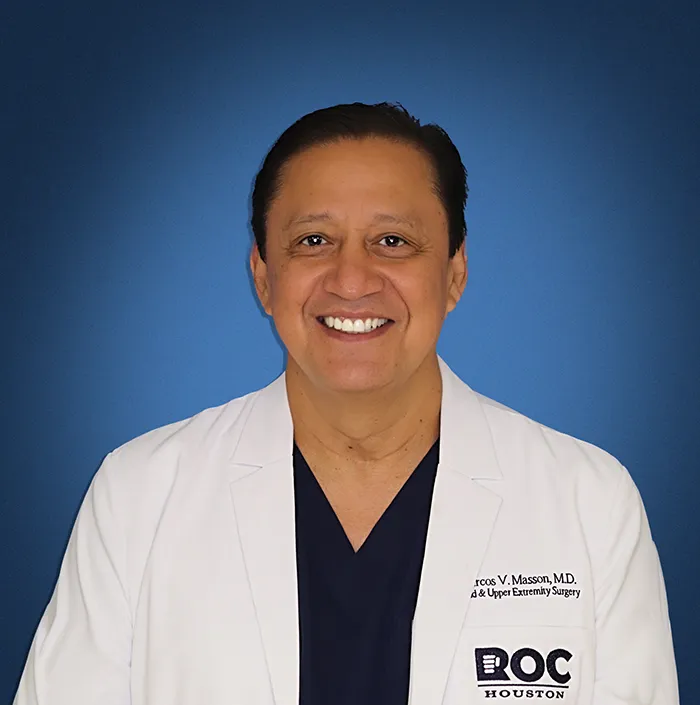
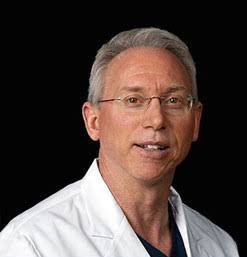
Dr. Marcos Masson, Orthopedic Hand and Upper Extremity Surgeon
Dr. Marcos Masson is a board-certified orthopedic surgeon with specialised training in surgery of the hand. He provides surgical and non-surgical care for conditions affecting the hands, wrists, forearms, elbows, and shoulders.
His clinical work includes treating fractures, arthritis, nerve compression, tendon injuries, joint instability, and other problems that can limit upper-extremity movement. He also has experience with shoulder and elbow reconstruction, arthroscopic procedures, and complex orthopedic injuries.
Patients comparing specialists for hand, elbow, or shoulder problems can also read about Dr. Victor E. Greco’s orthopedic care.
Doctor Information
Name: Dr. Marcos Masson, MD
Specialty: Orthopedic Surgery
Subspecialty: Surgery of the Hand
Clinical Focus: Hand, wrist, elbow, and shoulder care
Board Certifications: Orthopedic Surgery and Surgery of the Hand
Medical School: Rush Medical College of Rush University Medical Center
Residency: Orthopedic Surgery, University of Texas Health Science Center at Houston
Fellowship: Hand Surgery, University of Louisville School of Medicine
Practice: Reconstructive Orthopedic Center
Hospital Affiliation: HCA Houston Healthcare Medical Center
Languages Spoken: English and Spanish
NPI Number: 1134123664
Accepting New Patients: Current availability should be confirmed directly with the practice
About Dr. Marcos Masson
Dr. Masson earned his medical degree from Rush Medical College. He completed orthopedic surgery residency training at the University of Texas Health Science Center at Houston before pursuing advanced fellowship training in hand surgery at the University of Louisville School of Medicine.
He is certified by the American Board of Orthopaedic Surgery in both orthopedic surgery and surgery of the hand. This training supports the diagnosis and treatment of conditions involving the bones, joints, nerves, tendons, ligaments, and muscles of the upper extremities.
Dr. Masson works with patients experiencing problems caused by sudden injuries, repetitive movement, arthritis, nerve compression, or earlier surgery. Treatment may include activity changes, medication, therapy, injections, splinting, or surgery.
His current clinical work also includes shoulder and elbow reconstruction. These services may help patients experiencing severe joint damage, instability, tendon injuries, fractures, or continuing pain that has not improved with conservative treatment.
Hand and Wrist Conditions Treated
The hand and wrist contain many small bones, joints, tendons, ligaments, muscles, and nerves. Damage to one structure can affect grip, coordination, strength, and the ability to complete everyday tasks.
Dr. Masson may evaluate conditions such as:
- Carpal tunnel syndrome
- Trigger finger
- Hand and wrist arthritis
- Finger and thumb fractures
- Wrist fractures
- Tendon injuries
- Ligament injuries
- Ganglion cysts
- Dupuytren’s contracture
- De Quervain’s tenosynovitis
- Joint instability
- Nerve injuries
- Hand deformities
- Persistent pain after trauma
- Complications from earlier surgery
A detailed examination helps identify which structure is causing the symptoms. X-rays, ultrasound, nerve testing, CT imaging, or MRI may be requested when additional information is needed.
Patients looking for another physician with hand surgery experience can review Dr. F. M. Massey’s orthopedic profile.
Carpal Tunnel Syndrome Care
Carpal tunnel syndrome occurs when the median nerve becomes compressed as it passes through the wrist. It can cause numbness, tingling, burning discomfort, weakness, or reduced grip strength.
Symptoms commonly affect the thumb, index finger, middle finger, and part of the ring finger. Some patients notice that symptoms become worse at night or while driving, typing, or holding a phone.
An evaluation may include:
- Review of symptom patterns
- Hand and wrist examination
- Grip and muscle-strength testing
- Sensation assessment
- Nerve conduction studies
- Electromyography when appropriate
- Review of work and activity demands
Initial treatment may involve wrist splinting, activity changes, medication, therapy, or an injection. Carpal tunnel release surgery may be considered when nerve compression is severe or symptoms continue despite conservative care.
Trigger Finger Treatment
Trigger finger develops when a finger tendon cannot move smoothly through its surrounding tissue. The finger may click, catch, become stiff, or temporarily lock in a bent position.
Treatment may include:
- Temporary activity changes
- Anti-inflammatory treatment
- Splinting
- Corticosteroid injection
- Hand therapy
- Surgical release
The treatment selected depends on how long the symptoms have been present, their severity, and whether earlier care has provided relief.
Hand and Wrist Fractures
Falls, sports injuries, workplace incidents, and direct impacts can cause fractures in the hand, fingers, or wrist.
Dr. Masson may evaluate:
- Distal radius fractures
- Scaphoid fractures
- Finger fractures
- Thumb fractures
- Metacarpal fractures
- Fractures involving a joint
- Fractures that have moved out of position
- Fractures that have not healed correctly
Treatment can include a cast, splint, realignment, or surgical fixation with pins, screws, or plates.
The choice depends on the fracture location, alignment, stability, joint involvement, and the patient’s activity needs. Follow-up imaging may be used to monitor healing.
Tendon and Ligament Injuries
Tendons connect muscles to bones, while ligaments support and stabilise joints. These tissues may be injured by cuts, twisting movements, falls, sports, repetitive activity, or trauma.
Possible symptoms include:
- Pain during movement
- Weakness
- Swelling
- Joint instability
- Inability to bend or straighten a finger
- Reduced grip strength
- Clicking or catching
- Loss of normal hand function
Treatment may involve splinting, therapy, medication, injections, or surgical repair. Early assessment can be important when a tendon has been completely cut or torn.
Hand Arthritis
Arthritis can damage the joints of the fingers, thumb, and wrist. Patients may experience pain, swelling, stiffness, weakness, deformity, or difficulty completing precise movements.
Dr. Masson may help manage:
- Osteoarthritis
- Thumb-base arthritis
- Post-traumatic arthritis
- Wrist arthritis
- Arthritis following an earlier fracture
- Joint damage linked to inflammatory disease
Non-surgical treatment may include medication, splinting, activity modification, hand therapy, or injections. Surgery may be considered when joint damage is advanced and symptoms significantly interfere with daily life.
Elbow Conditions
The elbow contains several bones, tendons, ligaments, and nerves that work together to support arm movement. Repetitive activity, sports, arthritis, or trauma can cause pain and reduced function.
Dr. Masson may evaluate:
- Tennis elbow
- Golfer’s elbow
- Elbow fractures
- Elbow arthritis
- Tendon injuries
- Joint stiffness
- Elbow instability
- Ulnar nerve compression
- Bursitis
- Persistent pain after trauma
- Previous surgical complications
Treatment may include rest, bracing, medication, therapy, injections, or surgery. Elbow reconstruction or replacement may be considered for severe joint damage.
Cubital Tunnel Syndrome
Cubital tunnel syndrome occurs when the ulnar nerve becomes compressed near the elbow. Symptoms may include numbness or tingling in the ring and little fingers, hand weakness, or discomfort along the inner side of the elbow.
The evaluation may involve:
- Neurological examination
- Grip-strength testing
- Sensation testing
- Nerve conduction studies
- Electromyography
- Review of activities that place pressure on the elbow
Treatment may begin with activity changes, nighttime positioning, bracing, or therapy. Surgery may be recommended when nerve compression is severe or muscle weakness is developing.
Shoulder Care
The shoulder has a wide range of movement but depends on several muscles, tendons, ligaments, and joint surfaces for stability.
Dr. Masson’s upper-extremity practice may include evaluation and treatment for:
- Rotator cuff injuries
- Shoulder impingement
- Shoulder arthritis
- Labral tears
- Shoulder instability
- Tendinitis
- Bursitis
- Frozen shoulder
- Shoulder fractures
- Previous shoulder surgery complications
- Loss of movement or strength
Treatment may include medication, physical therapy, injections, arthroscopic surgery, tendon repair, or joint reconstruction.
Patients comparing shoulder specialists may also read about Dr. Sundeep S. Saini’s orthopedic and sports medicine services.
Shoulder and Elbow Reconstruction
Joint reconstruction may be considered when injury, arthritis, deformity, or previous surgery has caused significant damage.
Reconstructive treatment may involve:
- Repairing damaged tendons
- Restoring joint stability
- Treating complex fractures
- Removing damaged tissue
- Correcting deformity
- Replacing damaged joint surfaces
- Revising an earlier operation
- Restoring movement after trauma
The recommended operation depends on the location and severity of damage, quality of the surrounding tissues, and the patient’s health and functional goals.
Arthroscopic Surgery
Arthroscopy uses a small camera and specialised instruments inserted through small incisions. It allows the surgeon to examine and treat selected problems inside a joint.
Arthroscopic techniques may be used for certain shoulder, elbow, or wrist conditions. Procedures can include repairing tendons or ligaments, removing damaged tissue, treating cartilage injuries, or releasing tight structures.
Possible advantages include smaller incisions and less disturbance to surrounding tissue. Rehabilitation is still necessary, and recovery time depends on the procedure performed.
Non-Surgical Orthopedic Treatment
Surgery is not always the first treatment. Dr. Masson may recommend conservative care when it can safely reduce symptoms and improve function.
Options may include:
- Activity modification
- Bracing or splinting
- Anti-inflammatory medication
- Corticosteroid injections
- Physical therapy
- Occupational therapy
- Hand therapy
- Home exercises
- Temporary work restrictions
- Follow-up monitoring
Treatment is adjusted according to how symptoms respond. Surgery may be discussed when pain, weakness, instability, or nerve compression continues despite appropriate non-surgical care.
Orthopedic Diagnostic Testing
Dr. Masson may use several forms of testing to identify the source of an upper-extremity problem.
These may include:
- Physical examination
- X-rays
- MRI
- CT imaging
- Ultrasound
- Nerve conduction studies
- Electromyography
- Joint aspiration
- Laboratory testing
- Diagnostic injections
Not every patient needs every test. The evaluation is based on the symptoms, examination findings, injury history, and suspected condition.
Preparing for an Orthopedic Appointment
Patients can prepare by bringing:
- Previous X-rays or imaging reports
- A current medication list
- Earlier surgical records
- Details about previous injuries
- Information about earlier therapy or injections
- A list of medication allergies
- Notes about work or sports activities
- Questions about treatment and recovery
It is helpful to explain when the symptoms began, whether they followed an injury, and which movements make them worse.
Patients should also mention numbness, weakness, dropping objects, joint locking, or loss of motion because these details may help identify nerve, tendon, or joint damage.
Recovery and Rehabilitation
Recovery is an important part of both surgical and non-surgical orthopedic treatment. Hand therapy, occupational therapy, or physical therapy may be recommended to restore motion, strength, coordination, and safe function.
A rehabilitation plan may include:
- Swelling control
- Wound care
- Splinting or bracing
- Range-of-motion exercises
- Strengthening
- Scar management
- Nerve-gliding exercises
- Gradual return to work
- Activity restrictions
- Follow-up imaging
Patients should follow rehabilitation instructions carefully. Moving too quickly can damage healing tissue, while avoiding movement for too long may contribute to stiffness.
Patient-Focused Upper-Extremity Care
Dr. Masson provides orthopedic care for patients whose hand, wrist, elbow, or shoulder symptoms affect work, sport, sleep, independence, or routine daily activities.
His treatment approach may include diagnostic testing, conservative management, arthroscopic procedures, hand surgery, fracture repair, and complex joint reconstruction. The goal is to reduce discomfort, protect damaged structures, and restore as much safe function as possible.
Patients should confirm current appointment availability, accepted insurance plans, referral requirements, and available procedures directly with the practice.
Reviews
There are no reviews yet.