
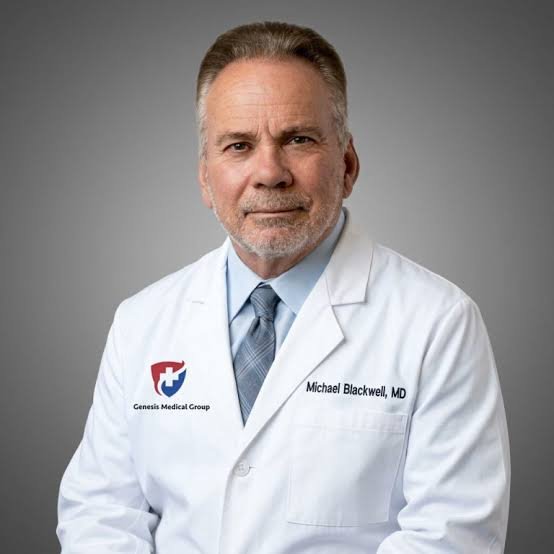
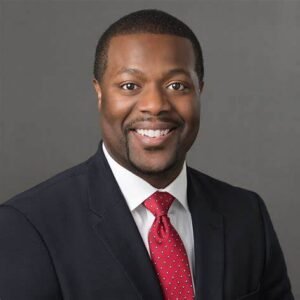
Dr. Michael Blackwell, Orthopedic Surgeon and Sports Medicine Specialist
Dr. Michael Blackwell is an orthopedic surgeon and sports medicine specialist providing surgical and non-surgical care for injuries and conditions affecting bones, joints, muscles, ligaments, and tendons.
His clinical services cover several areas of orthopedic medicine, including sports injuries, fractures, arthritis, joint damage, and mobility problems. He also performs joint replacement and minimally invasive orthopedic procedures for suitable patients.
People comparing specialists for joint pain or athletic injuries can also read about Dr. Sundeep S. Saini’s orthopedic and sports medicine care.
Doctor Information
Name: Dr. Michael Blackwell, MD
Specialty: Orthopedic Surgery and Sports Medicine
Medical School: University of Texas Medical Branch at Galveston
Internship: University of Texas Medical Branch at Galveston
Residency: University of Texas Medical Branch at Galveston
Practice: Center for Orthopaedics and Sports Medicine
Hospital Affiliation: HCA Houston Healthcare Tomball
Languages Spoken: English
NPI Number: 1528021458
Accepting New Patients: Current availability should be confirmed with the practice
About Dr. Michael Blackwell
Dr. Blackwell completed his medical degree at the University of Texas Medical Branch at Galveston in 1991. He continued at the same institution for his internship and orthopedic residency training.
His practice focuses on identifying the cause of musculoskeletal pain and determining whether a patient may benefit from medication, activity changes, physical therapy, injections, arthroscopic treatment, or a larger reconstructive procedure.
Orthopedic symptoms may develop after an accident, athletic activity, repetitive movement, age-related joint wear, or an underlying medical condition. A careful assessment can help separate temporary soft-tissue irritation from structural damage that may require more focused treatment.
Orthopedic Conditions Treated
Dr. Blackwell evaluates a broad range of orthopedic concerns, including:
- Osteoarthritis
- Joint pain and stiffness
- Sports-related injuries
- ACL tears
- Meniscus tears
- Rotator cuff injuries
- Shoulder instability
- Hip and knee degeneration
- Hand and wrist problems
- Foot and ankle injuries
- Tendon and ligament damage
- Bone fractures
- Cartilage injuries
- Reduced joint movement
- Pain following an earlier injury
Treatment depends on the affected joint, severity of the damage, patient’s age and activity level, previous treatment, and overall health.
Patients seeking another sports-focused orthopedic specialist may review Dr. Teo Mendez’s profile.
Sports Medicine Care
Sports medicine is not limited to professional athletes. It can help anyone experiencing an injury during exercise, recreational activity, physical work, or repetitive movement.
Dr. Blackwell may evaluate symptoms such as:
- Joint swelling
- Pain during movement
- Knee instability
- Shoulder weakness
- Limited range of motion
- Difficulty walking or running
- Clicking or catching inside a joint
- Pain that continues after rest
- Reduced athletic performance
- Repeated injuries in the same area
The first stage of care usually involves determining which structure has been injured. Depending on the symptoms, this may require a physical examination, X-rays, magnetic resonance imaging, or another diagnostic test.
ACL and Meniscus Injuries
The anterior cruciate ligament helps stabilise the knee during turning, landing, and rapid changes in direction. ACL injuries commonly occur during sports but can also result from falls and other accidents.
Symptoms may include sudden pain, swelling, instability, or a feeling that the knee cannot support normal movement.
The meniscus is a section of cartilage that helps cushion the knee. A meniscus tear may cause pain, swelling, stiffness, clicking, or difficulty fully bending and straightening the leg.
Treatment for ACL and meniscus injuries can include:
- Activity modification
- Bracing
- Physical therapy
- Anti-inflammatory treatment
- Joint injections
- Arthroscopic surgery
- Ligament reconstruction
- Meniscus repair or removal of damaged tissue
Surgery is not required for every knee injury. The decision depends on the tear, instability, activity goals, and response to conservative care.
Shoulder Care
Shoulder pain can involve muscles, tendons, ligaments, cartilage, or the joint surfaces. Some problems begin after a sudden injury, while others develop gradually through repeated overhead movement or age-related wear.
Dr. Blackwell may evaluate:
- Rotator cuff tears
- Shoulder impingement
- Labral injuries
- Shoulder instability
- Tendinitis
- Bursitis
- Arthritis
- Frozen shoulder
- Fractures
- Reduced shoulder movement
Treatment may begin with rest, medication, injections, or physical therapy. Arthroscopic repair or shoulder replacement may be considered when the damage is severe or symptoms continue despite non-surgical care.
Patients looking for additional expertise in shoulder and sports injuries can view Dr. Matthew Gotlin’s orthopedic profile.
Hip and Knee Replacement
Arthritis can gradually damage the smooth surfaces that allow a joint to move. As the condition progresses, patients may experience pain during walking, stiffness after sitting, reduced mobility, sleep disruption, and difficulty completing daily tasks.
Hip or knee replacement may be considered when:
- Joint damage is advanced
- Pain affects everyday activity
- Movement has become significantly limited
- Non-surgical treatments no longer provide enough relief
- Imaging confirms severe deterioration
- The patient is medically suitable for surgery
Dr. Blackwell’s practice includes total and partial joint replacement procedures. Robotic-arm-assisted technology may be used for selected hip and knee operations to support surgical planning and implant positioning.
Technology does not replace the surgeon’s judgement, and it is not necessary or suitable for every operation. The recommended method depends on the joint damage, anatomy, health history, and treatment goals.
Another Doctiplus specialist focused on hip and knee reconstruction is Dr. Matthew Siljander.
Fracture Treatment
A fracture may result from a fall, collision, sports injury, direct impact, or weakened bone. Treatment depends on the location of the break, whether the bone has moved out of position, and whether surrounding nerves, blood vessels, or soft tissues have also been injured.
Orthopedic fracture care may involve:
- Immobilisation with a cast or brace
- Pain management
- Repeat imaging
- Realignment of the bone
- Surgical fixation
- Rehabilitation
- Follow-up monitoring of bone healing
Patients should follow activity and weight-bearing instructions carefully because returning to normal movement too early can interfere with recovery.
Hand and Wrist Conditions
The hand and wrist contain many small bones, joints, tendons, ligaments, and nerves. Problems in this area can affect grip strength, fine movement, work, writing, and everyday tasks.
Dr. Blackwell may evaluate hand and wrist concerns involving:
- Fractures
- Tendon injuries
- Ligament damage
- Arthritis
- Nerve compression
- Sports injuries
- Repetitive strain
- Joint instability
- Persistent pain after trauma
Treatment may involve splinting, medication, therapy, injections, or surgery depending on the diagnosis and severity.
Foot and Ankle Care
Foot and ankle injuries can affect balance, walking, running, and the ability to remain active. Common problems include sprains, fractures, tendon injuries, arthritis, and pain caused by repetitive stress.
An orthopedic evaluation may assess:
- The location of pain
- Swelling or bruising
- Joint stability
- Ability to bear weight
- Range of movement
- Previous injuries
- Foot alignment
- Imaging results
The treatment plan may include supportive footwear, bracing, physical therapy, medication, injections, or surgery.
Arthroscopic Surgery
Arthroscopy is a minimally invasive technique that allows a surgeon to examine and treat the inside of a joint through small incisions.
It may be used for selected conditions affecting the knee, shoulder, and other joints. Procedures can include repairing damaged ligaments, treating cartilage injuries, removing loose tissue, and addressing certain tendon or meniscus problems.
Possible benefits include smaller incisions and less disruption to surrounding tissues. Recovery still requires careful wound care, activity restrictions, and rehabilitation.
Non-Surgical Orthopedic Treatment
Surgery is only one part of orthopedic care. Many conditions can initially be treated without an operation.
Non-surgical options may include:
- Temporary activity changes
- Physical therapy
- Home exercise
- Bracing or splinting
- Anti-inflammatory medication
- Joint injections
- Weight management
- Supportive footwear
- Monitoring with follow-up imaging
The purpose of conservative care is to reduce pain, improve movement, and allow healing while avoiding unnecessary surgery.
Preparing for an Orthopedic Appointment
Patients can prepare by bringing:
- A list of current medications
- Previous X-rays or scan reports
- Details of earlier injuries
- Records from previous orthopedic treatment
- A list of allergies
- Information about physical therapy
- Notes about activities that worsen the pain
- Questions about treatment and recovery
It is helpful to explain when the symptoms started, whether they followed an injury, and how they affect walking, sleep, work, sports, or daily activity.
Recovery and Rehabilitation
Recovery does not end when a procedure is completed. Rehabilitation is often necessary to rebuild strength, improve flexibility, protect healing tissues, and restore safe movement.
A recovery plan may include:
- Pain and swelling management
- Wound care
- Temporary use of crutches or a brace
- Gradual weight-bearing
- Physical therapy
- Home exercises
- Follow-up imaging
- Return-to-work guidance
- A staged return to sport
Recovery time varies according to the condition, procedure, age, general health, and commitment to rehabilitation.
Reviews
There are no reviews yet.