
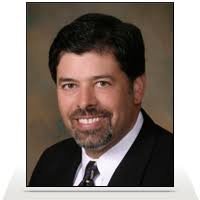
Dr. Nadim Nasir, MD Cardiac Electrophysiologist and Heart Rhythm Care
Dr. Nadim Nasir, MD, FACC, FHRS, is a cardiologist and clinical cardiac electrophysiologist whose work focuses on abnormal heart rhythms and disorders of the heart’s electrical system. His professional background combines internal medicine, cardiovascular disease, and advanced electrophysiology training, allowing him to evaluate both general heart concerns and complex rhythm problems. He currently practices with Willowbrook Cardiovascular Associates.
For patients, electrophysiology can sound highly technical, but the central question is straightforward: Is the heart beating too fast, too slowly, or irregularly, and does that rhythm require treatment? Some patients need only monitoring or medication. Others may benefit from catheter ablation, a pacemaker, an implantable defibrillator, or another rhythm-focused treatment.
About Dr. Nadim Nasir
Dr. Nasir specializes in clinical cardiac electrophysiology as well as broader cardiovascular medicine. His professional practice particularly involves atrial fibrillation, atrial flutter, slow heart rhythms, rapid tachycardias, ventricular arrhythmias, pacemaker care, implantable defibrillators, and other electrical disturbances of the heart.
Clinical cardiac electrophysiology is a subspecialty of cardiology. While a general cardiologist may focus on coronary artery disease, blood pressure, cholesterol, heart failure, and valve disease, an electrophysiologist concentrates more deeply on the electrical signals controlling each heartbeat.
Patients looking for physicians in this wider field can browse cardiology specialists on Doctiplus. For people specifically comparing heart-rhythm specialists, the Doctiplus profile of Dr. Stephen A. Gaeta and his cardiac electrophysiology care provides another example of how electrophysiology differs from general cardiology.
Medical Education and Cardiology Training
Dr. Nasir earned a bachelor’s degree in biology from the University of Houston, graduating cum laude. He then completed his medical degree at the University of Texas Southwestern Medical School, where his professional biography reports election to the Alpha Omega Alpha medical honor society.
He completed internal medicine residency training through UT Southwestern and Parkland Memorial Hospital before completing fellowship training in cardiovascular disease and clinical cardiac electrophysiology at Baylor College of Medicine.
| Training Area | Institution | Details |
|---|---|---|
| Undergraduate education | University of Houston | Biology |
| Medical education | UT Southwestern Medical School | Doctor of Medicine |
| Residency | UT Southwestern / Parkland Memorial Hospital | Internal Medicine |
| Fellowship | Baylor College of Medicine | Cardiovascular Disease |
| Advanced fellowship | Baylor College of Medicine | Clinical Cardiac Electrophysiology |
| Specialty | Clinical Cardiac Electrophysiology | Heart rhythm and electrical-system care |
This training pathway is important because electrophysiologists do not begin with procedures. They first train broadly in adult medicine, then cardiovascular disease, and finally the highly specialized diagnosis and treatment of heart-rhythm disorders.
Board Certification and Professional Credentials
Dr. Nasir’s professional profile identifies board certification in internal medicine, cardiovascular disease, and clinical cardiac electrophysiology. He also uses the FACC and FHRS professional designations associated with fellowship in major cardiovascular and heart-rhythm professional organizations.
These credentials represent different stages of expertise. Internal medicine provides the broad adult medical foundation, cardiovascular certification reflects specialized heart training, and electrophysiology adds focused expertise in the heart’s electrical system.
For patients, the practical value is that an abnormal rhythm can be considered alongside other cardiovascular concerns rather than being treated as an isolated electrical finding.
Understanding the Heart’s Electrical System
Every heartbeat begins with an electrical signal. That signal travels through specialized pathways within the heart and causes the chambers to contract in an organized sequence.
When this electrical system does not function normally, the heart may beat:
- Too quickly
- Too slowly
- Irregularly
- In an abnormal electrical pattern
Some rhythm changes are harmless and need only monitoring. Others can affect blood flow, cause troublesome symptoms, contribute to heart failure, or create a more serious cardiovascular risk.
An electrophysiologist tries to identify where the abnormal rhythm begins and how much it matters before selecting treatment.
Atrial Fibrillation Care
Atrial fibrillation, commonly abbreviated AFib, is one of the major rhythm conditions associated with Dr. Nasir’s practice. His professional profile specifically identifies atrial fibrillation and related dysrhythmias among conditions commonly managed within his electrophysiology work.
During atrial fibrillation, electrical activity in the upper chambers of the heart becomes disorganized. Patients may experience palpitations, fatigue, reduced exercise tolerance, dizziness, shortness of breath, or an irregular pulse. Some people have few noticeable symptoms.
Treatment decisions can involve several separate questions. The cardiology team may need to consider how often AFib occurs, how long episodes last, whether symptoms are significant, whether heart function is affected, and whether the patient has additional risk factors.
Management may involve medication, monitoring, cardioversion, catheter ablation, and strategies to reduce complications depending on the individual situation.
Not every person with atrial fibrillation requires the same approach. Age, symptoms, other heart conditions, medications, and previous treatment all influence the plan.
Atrial Flutter and Other Rapid Heart Rhythms
Atrial flutter is another abnormal rhythm encountered in electrophysiology and appears among conditions frequently associated with Dr. Nasir’s clinical practice.
Although atrial flutter and atrial fibrillation are related, their electrical patterns are not identical. This distinction can affect how an electrophysiologist approaches treatment.
Other rapid rhythms may begin above the ventricles and are sometimes grouped under supraventricular tachycardia. A patient may describe episodes in which the heart suddenly races and then returns to normal.
Important details include how suddenly the episode begins, how long it lasts, what the heart rate was, whether exercise triggered it, and whether dizziness, chest discomfort, or shortness of breath occurred at the same time.
A rhythm recording made while symptoms are happening can be much more informative than trying to describe the sensation after the episode has ended.
Patients comparing electrophysiology physicians can also read about Dr. Christopher N. Conley’s heart-rhythm care.
Slow Heart Rhythms and Heart Block
Electrophysiologists also evaluate hearts that beat too slowly.
A slow heart rate does not always mean something is wrong. Athletes and some healthy individuals naturally have lower resting heart rates. The concern becomes more significant when a slow rhythm causes symptoms or reflects a problem with the heart’s electrical conduction system.
Heart block occurs when electrical signals do not travel normally through parts of the heart.
Depending on severity, patients may experience:
- Fatigue
- Lightheadedness
- Reduced exercise tolerance
- Weakness
- Fainting
- Unusually slow pulse
Professional treatment data associated with Dr. Nasir includes second-degree and third-degree heart block among rhythm disorders encountered in his practice.
When the electrical system cannot reliably maintain an adequate heartbeat, a pacemaker may sometimes be considered.
Pacemaker Evaluation and Management
A pacemaker is a small implanted device that helps maintain an appropriate heart rate when the heart’s natural electrical system becomes too slow or unreliable.
Dr. Nasir has extensive professional experience with cardiac rhythm devices, including pacemakers. His professional profile reports substantial procedural experience involving pacemaker and defibrillator implantation.
Before recommending a pacemaker, an electrophysiologist may review:
- ECG findings
- Heart-rate monitoring
- Symptoms
- Episodes of fainting or dizziness
- Medication effects
- Type of electrical conduction problem
- Heart function
- Whether the slow rhythm is persistent or intermittent
A pacemaker does not simply make every heartbeat faster. Modern devices are programmed according to the patient’s particular electrical problem and can respond differently depending on activity and underlying rhythm.
Patients who already have a pacemaker need continued follow-up because battery status, lead performance, programming, and recorded rhythm events can be checked over time.
Implantable Cardioverter Defibrillators
An implantable cardioverter defibrillator, often shortened to ICD, is another device used within cardiac electrophysiology.
An ICD can monitor the heart continuously and respond to selected dangerous ventricular rhythms. Some devices also provide pacing functions.
The decision to implant an ICD is different from the decision to implant a routine pacemaker. The electrophysiologist considers heart function, previous rhythm events, underlying heart disease, cardiovascular history, and the patient’s estimated future rhythm risk.
Having heart disease alone does not automatically mean someone needs a defibrillator.
The recommendation should be based on the specific cardiac condition and the benefit the device is expected to provide.
Catheter Ablation
Catheter ablation is one of the main procedural treatments used in electrophysiology. Dr. Nasir’s professional background includes extensive experience with cardiac ablation procedures. (Expert Witness Profiler)
During an ablation, specialized catheters are guided into the heart so the abnormal electrical pathway or tissue responsible for an arrhythmia can be identified and treated.
Ablation may be considered for selected cases of:
- Atrial fibrillation
- Atrial flutter
- Supraventricular tachycardia
- Certain ventricular arrhythmias
- Other specific electrical pathways
The procedure is not appropriate for every patient with palpitations.
Before discussing ablation, the electrophysiologist needs enough evidence to understand which rhythm is present and where it is likely beginning.
Electrophysiology Study
An electrophysiology study, sometimes called an EP study, evaluates the heart’s electrical activity from inside the heart.
Specialized catheters record electrical signals and may help determine how an abnormal rhythm begins.
An EP study may sometimes be performed as part of the same procedure as an ablation. In other cases, its purpose may primarily be diagnostic.
Patients should understand whether the planned procedure is intended to identify an abnormal rhythm, treat it, or potentially do both.
That distinction can make the consent and treatment discussion easier to understand.
Palpitations and Unexplained Racing Heartbeat
Palpitations are a common reason people are referred to cardiology or electrophysiology.
Patients may describe:
- Racing
- Fluttering
- Skipped beats
- Extra beats
- Pounding
- Sudden changes in heart rate
The sensation alone does not identify the rhythm.
Some palpitations represent premature beats that require little treatment, while others may represent atrial fibrillation, supraventricular tachycardia, ventricular rhythms, medication effects, or another condition.
An electrophysiologist may recommend an ECG, Holter monitor, event monitor, implantable monitor, or another type of rhythm recording depending on how frequently symptoms occur.
For someone who experiences symptoms only every few weeks, a brief ECG performed during a normal clinic visit may not capture the problem.
Ventricular Tachycardia
Ventricular tachycardia is an abnormal rapid rhythm that begins in the lower chambers of the heart. It is included among rhythm conditions associated with Dr. Nasir’s clinical practice.
The significance varies according to the patient’s heart structure, previous heart disease, symptoms, heart function, and the specific rhythm.
Evaluation may involve:
- ECG
- Longer rhythm monitoring
- Echocardiography
- Cardiac imaging
- Previous heart-attack history
- Assessment of coronary disease
- Electrophysiology testing
Treatment can differ greatly between patients. Medication, ablation, an implantable defibrillator, or management of the underlying heart problem may be considered depending on the clinical findings.
Heart Failure and Rhythm Problems
Abnormal heart rhythms and heart failure can influence each other.
A persistently rapid rhythm may sometimes weaken heart function, while structural heart disease can make certain arrhythmias more likely.
Dr. Nasir has participated in academic work related to cardiac resynchronization therapy and heart failure, reflecting the overlap between electrical treatment and impaired heart function.
Cardiac resynchronization therapy uses specialized pacing in selected patients whose heart chambers are not contracting in a coordinated way.
It is not simply another type of ordinary pacemaker. Eligibility depends on several findings, including heart pumping function, symptoms, electrical conduction patterns, and response to appropriate medical therapy.
General Cardiovascular Care
Although Dr. Nasir’s focused specialty is clinical cardiac electrophysiology, his professional profile also identifies broader cardiovascular care involving hypertension, high cholesterol, coronary disease, valve conditions, and heart failure.
This matters because rhythm problems rarely exist completely separately from the rest of heart health.
Atrial fibrillation, for example, may occur alongside:
- High blood pressure
- Coronary artery disease
- Heart-valve disease
- Heart failure
- Other structural heart conditions
An electrophysiology treatment plan therefore needs to consider these related cardiovascular problems rather than focusing only on the ECG.
Patients who need broader cardiac information can also review the Doctiplus profile of Dr. David H. Liang and his cardiovascular care.
What Patients Can Expect During an Electrophysiology Appointment
The first appointment commonly begins with understanding exactly what the patient has experienced.
Dr. Nasir may need to know whether the heartbeat suddenly races, slows down, becomes irregular, causes dizziness, interrupts sleep, appears during exercise, or produces another recognizable pattern.
Previous rhythm recordings are particularly important.
Patients who have had an ECG, Holter monitor, event monitor, smartwatch rhythm tracing, hospital telemetry, echocardiogram, stress test, or previous electrophysiology procedure should make those results available when possible.
The physician may also review medications because some medicines intentionally change heart rate while others can occasionally contribute to rhythm abnormalities.
The next step may be observation, additional monitoring, medication, an electrophysiology study, ablation, device evaluation, or another form of cardiovascular care.
Preparing for a Visit With Dr. Nasir
Patients can make the consultation more useful by organizing the records most closely connected with their rhythm concern.
Helpful information includes:
- Current medications and doses
- Medication allergies
- Previous ECG results
- Holter or event-monitor reports
- Smartwatch ECG recordings when available
- Echocardiogram results
- Stress-test reports
- Previous ablation records
- Pacemaker or defibrillator information
- Device identification card
- Hospital discharge records
- Previous cardiology reports
- A short timeline of symptoms
For intermittent episodes, patients should try to remember what they were doing when symptoms began and how suddenly the rhythm returned to normal.
It can also help to record the heart rate shown on a home device if this can be done safely during an episode.
Questions Worth Asking About Heart Rhythm Treatment
Heart-rhythm care can involve several reasonable options, so understanding the reasoning behind a recommendation is important.
Patients may want to ask:
- What exact rhythm do I have?
- Has the rhythm been captured on an ECG or monitor?
- Does it need treatment?
- Can medication control it?
- What would catheter ablation change?
- What are the alternatives to ablation?
- Why might I need a pacemaker?
- Why might a defibrillator be recommended instead?
- Could my other heart conditions be causing the rhythm problem?
- How will we know whether treatment has worked?
- What follow-up will be required?
Patients considering ablation should also ask whether the procedure is expected to reduce symptoms, reduce rhythm episodes, reduce dependence on medication, or accomplish another specific goal.
Second Opinions for Electrophysiology Procedures
A second opinion can be useful when a patient is considering a major rhythm procedure, particularly when several options are available.
This may be helpful before:
- Atrial fibrillation ablation
- Repeat ablation after an earlier procedure
- Pacemaker implantation
- ICD implantation
- Complex ventricular arrhythmia treatment
- Cardiac resynchronization therapy
Another electrophysiologist may confirm the original recommendation or provide another way to approach the rhythm problem.
The Doctiplus profile of Dr. Hector Urrutia and his cardiac electrophysiology background provides another specialist profile patients can use when understanding how heart-rhythm physicians are trained.
Current Practice and Professional Role
Current professional listings identify Dr. Nasir with Willowbrook Cardiovascular Associates and clinical cardiac electrophysiology. HCA Houston Healthcare also maintains a current physician listing for him under clinical cardiac electrophysiology.
His professional biography has also described leadership work in electrophysiology and cardiology, along with participation in electrophysiology research and published cardiovascular studies.
Appointment availability, insurance participation, telehealth options, procedure scheduling, and practice arrangements can change. Patients should confirm the current details directly with the practice before arranging specialist care.
Understanding Dr. Nasir’s Clinical Profile
The clearest verified professional picture of Dr. Nadim Nasir is that of a cardiologist whose career has developed around the diagnosis and treatment of complex heart-rhythm disorders. His training progressed from internal medicine through cardiovascular disease and then clinical cardiac electrophysiology, with professional work involving atrial fibrillation, ablation, pacemakers, defibrillators, slow and rapid rhythms, and broader cardiovascular disease.
For patients, the most useful question is not simply whether an electrophysiology procedure is available. It is whether the abnormal electrical rhythm has been clearly identified, how much it is affecting health or daily life, and whether treatment is likely to provide a meaningful benefit.
Readers comparing physician information can review the Doctiplus editorial policy and other published cardiology profiles to better understand how specialist training and areas of care differ.

Reviews
There are no reviews yet.