
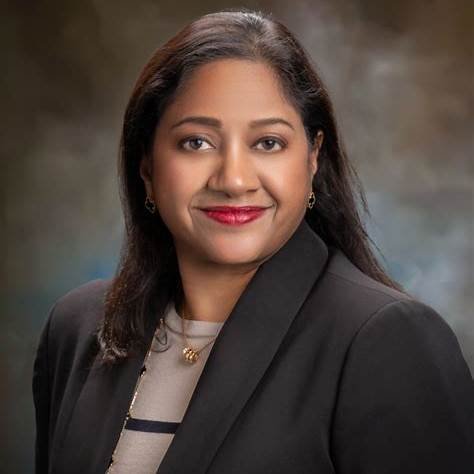
Dr. Veena Chandrakar, MD Hematologist Oncologist and Cancer Care
Dr. Veena Chandrakar, MD, is a board-certified hematologist and medical oncologist whose professional work combines cancer treatment with the diagnosis and management of blood disorders. Current Houston Methodist information lists her specialties as Hematology, Hematology Oncology, and Medical Oncology, while professional certification records identify board certification in both Hematology and Medical Oncology through the American Board of Internal Medicine.
Her published clinical experience includes breast cancer, lung cancer, colon cancer, iron deficiency, immune thrombocytopenia, commonly called ITP, and thrombophilia evaluations. This combination means patients may see Dr. Chandrakar for either a confirmed cancer diagnosis or a blood abnormality that requires specialist evaluation.
For patients, hematology-oncology care is rarely about one laboratory result or one scan. Pathology, imaging, blood counts, previous treatment, other medical conditions, and the patient’s goals often need to be considered together before a treatment plan becomes clear.
Patients comparing specialists in this field can browse hematology physicians on Doctiplus or review the profile of Dr. Amir A. Rasheed, a hematologist and medical oncologist.
About Dr. Veena Chandrakar
Dr. Chandrakar practices in hematology and medical oncology. Houston Methodist currently includes her on its Cypress cancer team under Hematology, Hematology Oncology, and Medical Oncology. Its current Oncology Partners Cypress listing also identifies her among physicians providing cancer and blood-disorder care at that location.
Oncology Consultants also maintains a professional profile for Dr. Chandrakar. That profile lists clinical experience with breast, lung, and colon cancers as well as iron deficiency, ITP, and thrombophilia evaluation.
This combination of oncology and hematology is useful because the two specialties frequently overlap. Cancer can alter blood counts, while cancer treatment can affect red cells, white cells, platelets, and clotting. At the same time, many blood abnormalities have causes unrelated to cancer.
A hematologist-oncologist therefore needs to determine whether an abnormal blood finding represents a nutritional problem, clotting disorder, immune condition, medication effect, chronic disease, bone marrow disorder, cancer, or another cause before treatment is selected.
Medical Education and Specialty Training
Dr. Chandrakar earned her medical degree from St. George’s University School of Medicine, graduating in 1998. Her postgraduate training included Internal Medicine residency at New York-Presbyterian Brooklyn Methodist Hospital from 1998 to 2000 and additional Internal Medicine residency training at MCP Hahnemann University Hospital from 2000 to 2001.
She then completed fellowship training in Hematology and Medical Oncology at Georgetown University, with Doximity documenting fellowship training from 2001 through 2004. Her Oncology Consultants biography likewise lists Georgetown University Hospital as the site of her fellowship.
| Training Area | Institution | Details |
|---|---|---|
| Medical education | St. George’s University School of Medicine | MD, 1998 |
| Residency | New York-Presbyterian Brooklyn Methodist Hospital | Internal Medicine, 1998–2000 |
| Residency | MCP Hahnemann University Hospital | Internal Medicine, 2000–2001 |
| Fellowship | Georgetown University | Hematology and Medical Oncology, 2001–2004 |
| Specialty | Hematology and Medical Oncology | Cancer and blood-disorder care |
This training sequence is important because hematologist-oncologists first develop a broad foundation in adult medicine before concentrating on cancers, blood disorders, bone marrow conditions, and systemic cancer treatments.
Board Certification and Professional Background
Current professional records identify Dr. Chandrakar as board certified in Hematology and Medical Oncology through the American Board of Internal Medicine. Oncology Consultants also lists both board certifications on her professional profile.
These certifications represent two closely related but distinct areas.
Hematology deals with blood cells, clotting, bone marrow, and related conditions. Medical oncology focuses on cancer diagnosis, medication-based cancer treatment, monitoring response, and coordination with surgeons, radiation oncologists, and other cancer specialists.
Patients may therefore be referred to Dr. Chandrakar even when cancer has not been diagnosed. Persistent anemia, abnormal platelets, unexplained clotting, or another hematologic finding may also justify specialist assessment.
Breast Cancer Care
Breast cancer is specifically listed among Dr. Chandrakar’s clinical areas by Oncology Consultants. Houston Methodist also includes her among medical oncology physicians involved in breast cancer treatment.
A medical oncologist’s role in breast cancer is different from that of a breast surgeon or radiation oncologist.
Depending on the cancer, medical oncology may become involved before surgery, after surgery, or when cancer has spread beyond the breast. Treatment decisions can depend on:
- Tumor stage
- Pathology
- Hormone receptor findings
- HER2 status
- Molecular or genetic information when appropriate
- Previous treatment
- Lymph-node findings
- Other medical conditions
Some patients receive chemotherapy, while others may receive hormone-based treatment, targeted therapy, immunotherapy, or another approach depending on the biology of the tumor.
Dr. Chandrakar has also contributed to published medical literature involving breast cancer. Her professional publication record includes work concerning breast cancer-related pseudocirrhosis and esophageal varices.
Understanding Chemotherapy Decisions
Dr. Chandrakar has publicly discussed chemotherapy in the context of breast cancer care through Houston Methodist. In that discussion, she explained that chemotherapy can affect rapidly dividing normal cells as well as cancer cells, making repeated monitoring of red cells, white cells, and platelets an important part of treatment.
Chemotherapy is not one medication or one standard experience.
The treatment plan may vary according to the cancer type, stage, tumor characteristics, general health, previous therapy, and intended treatment goal.
Before chemotherapy, an oncologist may consider:
- Complete blood counts
- Kidney function
- Liver function
- Current medications
- Previous cancer treatment
- Infection risk
- Other medical conditions
- Treatment goals
Blood tests are then commonly repeated during treatment because chemotherapy can temporarily affect normal blood-cell production.
Patients trying to understand routine red-cell measurements can also read the Doctiplus guide to the MCV blood test.
Lung Cancer Care
Lung cancer is another cancer specifically listed among Dr. Chandrakar’s clinical experience. Houston Methodist also includes her among medical oncology physicians associated with its lung cancer program.
Medical treatment for lung cancer depends heavily on the exact cancer subtype.
Testing may examine tumor tissue for molecular characteristics or biomarkers that can influence whether chemotherapy, immunotherapy, targeted therapy, or a combination is appropriate.
Patients may therefore require additional pathology or molecular testing even after a biopsy has already confirmed cancer.
A medical oncologist works with the information from radiology, pathology, pulmonology, thoracic surgery, and radiation oncology to determine how drug-based treatment fits into the overall plan.
Not every lung cancer patient receives the same sequence of treatment. Some undergo surgery first, while others receive systemic therapy or radiation before surgery. More advanced disease may require a different strategy.
Colon and Gastrointestinal Cancer Care
Dr. Chandrakar’s Oncology Consultants profile also lists colon cancer among her areas of clinical experience.
A medical oncologist may become involved after colonoscopy and biopsy confirm cancer, following surgery, or when imaging suggests more advanced disease.
Important information can include:
- Pathology
- Cancer stage
- Lymph-node involvement
- Surgical findings
- Imaging
- Tumor molecular characteristics
- General health
- Previous treatments
Some patients may not require chemotherapy after surgery, while others may be advised to receive additional treatment to lower the likelihood of recurrence.
For advanced disease, treatment can involve different combinations of chemotherapy, targeted therapy, and other systemic treatments according to tumor biology and previous response.
Hematology and Abnormal Blood Counts
Cancer treatment is only part of Dr. Chandrakar’s professional field. Her hematology certification also covers the assessment of abnormalities involving blood cells and clotting.
A patient may be referred because routine laboratory testing shows:
- Low hemoglobin
- Abnormal red blood cells
- Low or elevated platelets
- Abnormal white blood cells
- Recurrent unexplained blood-count changes
- Unusual clotting
- Iron deficiency
- Another persistent hematologic abnormality
An abnormal result does not automatically indicate cancer.
Blood counts can change because of nutritional deficiencies, blood loss, infection, inflammation, medications, kidney conditions, immune disorders, and many other medical causes.
The hematologist’s role is to determine why the result is abnormal before recommending treatment.
Patients comparing specialists in this area can browse the Doctiplus Hematology directory.
Iron Deficiency and Anemia Evaluation
Iron deficiency is specifically identified among Dr. Chandrakar’s clinical experience.
Iron deficiency can lead to anemia when the body no longer has enough iron available to produce normal amounts of hemoglobin.
The important clinical question is often why the iron deficiency developed.
Possible causes can include inadequate intake, problems absorbing iron, increased requirements, or ongoing blood loss. The appropriate evaluation depends on age, medical history, laboratory findings, symptoms, and other risk factors.
A hematology assessment may involve review of:
- Hemoglobin
- MCV
- Ferritin
- Iron measurements
- Previous blood-count trends
- Medications
- Digestive or menstrual blood-loss history when relevant
- Previous treatment
Iron treatment should address the deficiency, but finding the underlying reason may be equally important when the problem repeatedly returns.
Immune Thrombocytopenia
Dr. Chandrakar’s professional profile lists ITP, or immune thrombocytopenia, among her clinical areas.
ITP is a condition associated with a reduced platelet count due to an immune process. Platelets contribute to normal blood clotting, so the significance of a low count depends partly on how low the number is, whether bleeding is occurring, and what other medical factors are present.
A low platelet count does not automatically mean someone has ITP.
Medication effects, infection, liver disease, bone marrow conditions, laboratory factors, and other causes may also need consideration.
A hematologist can review the pattern before deciding whether treatment is necessary. Some patients require active therapy, while others may be monitored depending on platelet levels, symptoms, and the broader clinical situation.
Thrombophilia and Abnormal Blood Clotting
Thrombophilia evaluation is another area specifically listed in Dr. Chandrakar’s Oncology Consultants profile.
Thrombophilia refers to conditions associated with an increased tendency to develop abnormal blood clots.
Not every patient who has experienced a clot needs extensive inherited-clotting testing. The circumstances surrounding the event matter.
A hematologist may consider:
- Age when the clot occurred
- Where the clot developed
- Whether surgery or prolonged immobility preceded it
- Family history
- Whether clots have happened repeatedly
- Pregnancy-related history when relevant
- Medications
- Cancer history
- Other medical conditions
Testing is most useful when the result has the potential to change treatment or influence future medical decisions.
This is why hematology assessment should begin with the patient’s history rather than automatically ordering every available clotting test.
Blood Clots and Cancer
Cancer and blood clotting can sometimes overlap.
Certain cancers and some cancer treatments can increase the likelihood of thrombosis. At the same time, many people develop blood clots for reasons unrelated to cancer.
A hematologist-oncologist can help evaluate these situations when both conditions need to be considered together.
The treatment discussion may involve how long medication to reduce clotting risk is needed, whether the cancer itself changes the plan, and whether another factor contributed to the event.
Patients should tell their oncology team about any previous history of significant clotting because it may affect treatment planning.
Blood Changes During Cancer Treatment
Medical oncology and hematology frequently intersect during cancer treatment.
Chemotherapy and other systemic treatments can affect blood-cell production. Houston Methodist’s discussion with Dr. Chandrakar specifically notes monitoring of red cells, white cells, and platelets during chemotherapy.
Different blood-cell changes can have different implications.
A lower red-cell count may contribute to fatigue or reduced exercise tolerance. Changes in white cells can affect infection risk, while low platelets can influence bleeding risk.
The oncology team interprets these findings in relation to the treatment schedule and the patient’s overall condition.
A changed blood count does not necessarily mean therapy has failed or must permanently stop. The decision may involve repeating testing, adjusting timing, modifying treatment, or providing supportive care depending on the individual situation.
What Patients Can Expect During an Oncology or Hematology Consultation
A first visit with Dr. Chandrakar may involve substantial record review because cancer and blood disorders frequently depend on information already collected by other physicians.
Useful records can include:
- Pathology reports
- Biopsy results
- CT, MRI, or PET reports
- Surgical reports
- Recent complete blood counts
- Iron studies
- Previous clotting evaluations
- Earlier cancer treatments
- Radiation summaries
- Medication lists
- Hospital records
The first consultation does not always produce a final treatment plan immediately.
Additional pathology review, imaging, laboratory testing, or molecular testing may be needed before the oncologist can explain which treatment offers the most reasonable balance of expected benefit and risk.
Preparing for an Appointment With Dr. Chandrakar
Patients can make the consultation easier by organizing the most relevant information before the appointment.
A useful set of records may include current medications and doses, medication allergies, pathology results, imaging, recent blood tests, previous chemotherapy details, surgical reports, and a short timeline explaining how the diagnosis developed.
Patients being evaluated primarily for a blood disorder may want to bring earlier complete blood counts because changes over time can be more informative than one result.
For suspected iron deficiency, earlier ferritin and iron studies may also help.
For thrombosis evaluation, patients should know approximately when previous clots occurred and whether surgery, hospitalization, pregnancy, prolonged immobility, or another major event occurred around the same time.
Questions Worth Asking About Cancer or Blood Disorder Care
Patients often receive a large amount of information during hematology-oncology visits. A few focused questions can make the plan easier to understand.
Useful questions include:
- What exact diagnosis has been confirmed?
- Do I need additional testing?
- What does my pathology report show?
- Has the cancer stage been established?
- What is the goal of treatment?
- Is chemotherapy necessary?
- Are other medication-based treatments reasonable?
- How will treatment response be measured?
- Why is my blood count abnormal?
- Does an abnormal platelet count require treatment?
- What may be causing my iron deficiency?
- Does my clotting history require additional evaluation?
- How frequently will laboratory tests be repeated?
- Would a second specialist opinion be useful?
The goal is not simply to know which medicine will be prescribed. Patients should understand why the treatment fits their diagnosis and what physicians will use to determine whether it is working.
Second Opinions in Hematology and Oncology
A second opinion can be useful when a new cancer diagnosis requires major treatment, pathology is unusual, several treatment strategies appear reasonable, or a blood disorder remains unexplained despite previous assessment.
Another specialist may agree with the original recommendation. That agreement can still provide useful reassurance.
A second opinion can also lead to additional pathology review, molecular testing, another treatment sequence, or consideration of a clinical trial when appropriate.
Patients researching another combined blood and cancer specialist can review the Doctiplus profile of Dr. Amir A. Rasheed.
Current Practice and Appointment Information
Houston Methodist currently includes Dr. Chandrakar in its Oncology Partners Cypress team and lists her specialties as Hematology, Hematology Oncology, and Medical Oncology. The current Cypress team page lists her at the Northwest Freeway location and indicates that video visits may be available.
Oncology Consultants also maintains a current professional profile for Dr. Chandrakar and lists 713-600-0900 as its appointment contact associated with her profile. HCA Houston Healthcare currently lists her in Medical Oncology and provides 832-377-3260 with its physician listing.
Because current directories show more than one practice association, patients should confirm the office where Dr. Chandrakar is presently scheduling the type of consultation they need before sending records or arranging treatment.
Practice locations, hospital affiliations, insurance participation, telehealth availability, and appointment schedules can change.
Understanding Dr. Chandrakar’s Clinical Profile
The clearest verified professional picture of Dr. Veena Chandrakar is that of a physician trained first in Internal Medicine and then in Hematology and Medical Oncology. She graduated from St. George’s University School of Medicine, completed Internal Medicine postgraduate training in New York and Philadelphia, and completed Hematology and Medical Oncology fellowship training at Georgetown University.
She is board certified in both Medical Oncology and Hematology, and her published clinical experience includes breast cancer, lung cancer, colon cancer, iron deficiency, ITP, and thrombophilia evaluations.
For patients, this combined background is useful because cancer care and blood health are often closely connected. A person may need treatment for a solid tumor while also requiring monitoring for anemia, low platelets, treatment-related blood changes, or clotting concerns. Another patient may reach hematology because of an abnormal blood test without having cancer at all.
The practical value of a hematologist-oncologist is therefore not simply access to cancer medication. It is the ability to interpret cancer findings, blood abnormalities, treatment effects, and other health conditions together before deciding what should happen next.
Readers can also browse hematology specialists on Doctiplus for other physician profiles in this field.




Reviews
There are no reviews yet.