

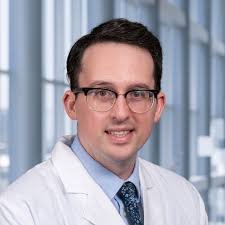
Dr. Amir A. Rasheed, MD Hematologist Oncologist and Cancer Care
Dr. Amir A. Rasheed, MD, is a board-certified hematologist and medical oncologist who provides care for adults with cancer and blood-related conditions. His professional training combines internal medicine with advanced fellowship education in hematology and medical oncology, allowing him to evaluate both solid tumors and disorders involving blood cells and bone marrow. (PR Newswire)
For patients, hematology-oncology care often involves more than choosing a cancer treatment. A specialist may need to understand pathology findings, blood counts, imaging, previous treatments, other medical conditions, and how a diagnosis is affecting everyday life before recommending the next step.
About Dr. Amir A. Rasheed
Dr. Rasheed’s clinical field combines hematology, which focuses on blood disorders, with medical oncology, which focuses on treating cancer with medicines and coordinating nonsurgical cancer care.
This combination can be particularly useful because cancer and blood health often overlap. Cancer itself may affect blood counts, while chemotherapy and other treatments can also cause anemia, low white blood cells, platelet changes, or other hematologic problems.
Current professional information identifies Dr. Rasheed in medical oncology and hematology. Patients seeking doctors with similar expertise can also browse hematology specialists on Doctiplus when comparing physicians who care for blood disorders and cancers.
Medical Education and Specialty Training
Dr. Rasheed earned his medical degree from Dow Medical College. HCA’s current physician profile lists his medical graduation in 1996. His postgraduate training included internal medicine residency followed by advanced fellowship training in hematology and medical oncology.
| Training Area | Institution | Details |
|---|---|---|
| Medical education | Dow Medical College | Medical degree |
| Residency | SUNY Health Science Center at Brooklyn | Internal Medicine |
| Fellowship | North Shore University Hospital | Oncology training |
| Fellowship | SUNY Downstate Health Sciences University | Hematology and Medical Oncology |
| Specialty | Hematology and Medical Oncology | Cancer and blood disorder care |
Professional records identify hematology and medical oncology fellowship training through SUNY Downstate, with additional postgraduate training at North Shore.
This training pathway is important because oncologists first build a broad foundation in adult internal medicine. Cancer treatment can affect the heart, kidneys, liver, immune system, blood counts, nutrition, and many other aspects of health, so treatment decisions rarely involve the tumor alone.
Board Certification and Professional Credentials
Dr. Rasheed is board certified in medical oncology and hematology through the American Board of Internal Medicine. Professional records also document his training and practice within medical oncology.
Board certification is separate from a medical degree or state medical licence. It reflects specialty-focused postgraduate education and completion of certification requirements within the relevant medical field.
For a patient comparing cancer specialists, useful considerations include the doctor’s specialty training, the type of cancer or blood disorder being treated, experience with the proposed therapy, access to infusion and diagnostic services, and how treatment is coordinated with surgeons, radiation oncologists, and other specialists.
Understanding Medical Oncology
Medical oncology focuses on diagnosing cancer, planning drug-based treatment, monitoring response, and managing treatment-related problems.
Depending on the diagnosis, cancer treatment may involve:
- Chemotherapy
- Immunotherapy
- Targeted treatment
- Hormone-based therapy
- Supportive medications
- Monitoring without immediate treatment
- Coordination with surgery
- Coordination with radiation oncology
- Follow-up after cancer treatment
The appropriate treatment depends on the specific cancer rather than simply where symptoms occur.
Two people with cancer in the same organ may receive very different treatment because tumor stage, pathology, molecular findings, previous treatment, age, other medical conditions, and treatment goals can differ substantially.
Cancer Evaluation and Treatment Planning
A first oncology consultation usually involves reviewing information that has already been collected.
This may include imaging, pathology, biopsy results, laboratory tests, previous operations, medications, and records from another physician.
The oncologist may need to answer several separate questions:
- Has cancer been confirmed?
- What exact type of cancer is present?
- How advanced does it appear to be?
- Are additional tests necessary?
- Is treatment needed immediately?
- Which treatment options are reasonable?
- What is the goal of treatment?
- Which other specialists should be involved?
Patients should not hesitate to ask whether a recommendation is intended to cure the cancer, reduce the risk of recurrence, control disease for as long as possible, or relieve symptoms. The answer can significantly affect how treatment choices are understood.
Chemotherapy Care
Chemotherapy refers to medicines that interfere with the growth and division of cancer cells. It may be given alone or combined with surgery, radiation, immunotherapy, or another treatment.
Chemotherapy is not one single drug or experience. Different medicines have different purposes, schedules, and possible side effects.
Before treatment begins, an oncologist typically considers:
- Cancer type
- Cancer stage
- Pathology findings
- Previous treatment
- Blood counts
- Kidney and liver function
- Other medical conditions
- Current medications
- Overall treatment goals
Patients receiving chemotherapy usually undergo repeated monitoring because treatment can affect blood cells and other organs.
Doctiplus readers who want to understand how chemotherapy can influence routine blood measurements may find the MCV blood test guide useful when reviewing blood-count results.
Immunotherapy and Targeted Cancer Treatment
Modern cancer care may involve treatments that work differently from traditional chemotherapy.
Immunotherapy is designed to help the immune system recognize or respond to cancer in selected situations. Targeted treatments act on particular molecular features or pathways associated with certain cancers.
These treatments are not interchangeable and are not suitable for every tumor.
Testing may sometimes be required to determine whether a cancer has a specific biomarker or molecular feature that makes a targeted treatment reasonable.
A patient may therefore hear that additional laboratory or pathology testing is needed even after cancer has already been diagnosed. That testing can help guide which medicines are most likely to be useful.
Hematology and Blood Disorder Care
Dr. Rasheed’s hematology training means his work also extends beyond solid cancers.
Hematology deals with abnormalities involving red blood cells, white blood cells, platelets, clotting, and bone marrow. His professional specialty includes the combined management of hematologic and oncologic conditions.
Patients may be referred to a hematologist because of:
- Persistent anemia
- Abnormal white blood cell counts
- Unexplained platelet changes
- Repeated abnormal complete blood counts
- Suspected blood cancers
- Enlarged lymph nodes with concerning findings
- Abnormal bone marrow results
- Unexplained clotting or bleeding concerns
An abnormal blood test does not automatically mean cancer. Nutritional deficiency, medication effects, chronic illness, infection, inflammation, kidney problems, blood loss, and many other conditions can change blood counts.
The purpose of hematology evaluation is to determine why the abnormality exists before selecting treatment.
Anemia Evaluation
Anemia occurs when the blood does not carry an appropriate amount of oxygen because of reduced red blood cells or hemoglobin.
Patients may experience tiredness, weakness, reduced exercise tolerance, dizziness, or shortness of breath, although mild anemia can sometimes be found during routine laboratory testing before symptoms appear.
Anemia has many possible causes.
A hematologist may consider:
- Iron deficiency
- Vitamin deficiencies
- Blood loss
- Kidney disease
- Chronic inflammation
- Bone marrow disorders
- Medication effects
- Cancer treatment
- Abnormal red blood cell production
This is why treatment should be based on the cause rather than simply taking iron whenever hemoglobin is low.
Blood-count measurements such as MCV can provide clues about the type of anemia. Patients can review the Doctiplus explanation of MCV blood test results before discussing abnormal results with their healthcare team.
Leukemia, Lymphoma and Other Blood Cancers
Hematologist-oncologists also manage cancers that begin within blood-forming tissues or the lymphatic system.
These can include leukemia, lymphoma, and multiple myeloma. The diagnostic process may involve blood testing, imaging, lymph-node biopsy, bone marrow evaluation, or specialized laboratory testing depending on the suspected condition.
Treatment differs substantially among blood cancers.
Some conditions need treatment quickly, while others can sometimes be monitored for a period before therapy becomes necessary. The patient’s exact diagnosis, disease characteristics, symptoms, laboratory findings, and overall health influence that decision.
Patients should ask for the complete name of the diagnosis rather than relying only on broad terms such as “blood cancer.” Subtypes matter because they can lead to very different treatment plans.
Breast, Lung and Other Solid Tumor Care
Medical oncologists may participate in the care of many solid tumors, including cancers involving the breast, lung, gastrointestinal system, urinary system, brain, and other organs.
Professional information associated with Dr. Rasheed describes experience across a broad range of oncology and hematology conditions.
However, the treatment pathway depends heavily on the individual cancer.
For example, surgery may be the first treatment for one patient, while another may receive medication before surgery. Some patients need combined treatment from several specialties.
This is why oncology commonly involves a multidisciplinary team rather than one doctor handling every aspect of cancer care.
Coordinating Cancer Care With Other Specialists
Cancer treatment frequently requires several specialists working together.
Depending on the diagnosis, the team may include:
- Medical oncologist
- Hematologist
- Surgical oncologist
- Radiation oncologist
- Pathologist
- Radiologist
- Primary care physician
- Nutrition professional
- Palliative-care specialist
- Other organ-specific specialists
The medical oncologist often helps connect these parts of treatment, especially when drug therapy is required.
Good coordination is important because the timing of surgery, chemotherapy, radiation, imaging, and laboratory monitoring can influence the overall treatment plan.
What Patients Can Expect During an Oncology Appointment
An oncology consultation is often information-heavy.
Patients may arrive with a new diagnosis, several reports, unfamiliar medical terms, and many questions. It can help to think of the first visit as an opportunity to build an accurate map of the condition rather than expecting every decision to be finalized immediately.
Dr. Rasheed may review:
- Pathology or biopsy results
- Imaging studies
- Blood tests
- Previous cancer treatments
- Current medications
- Medical and surgical history
- Family history when relevant
- Symptoms and their effect on daily life
- Treatment preferences
- Other medical conditions
Additional imaging, laboratory work, molecular testing, or pathology review may sometimes be necessary before a final treatment recommendation is made.
Preparing for a Consultation With Dr. Rasheed
Patients can make an oncology or hematology visit more useful by bringing the records most closely connected to the diagnosis.
Useful information may include:
- Current medications and doses
- Medication allergies
- Pathology reports
- Biopsy results
- Imaging reports
- Copies of important scans when requested
- Recent complete blood counts
- Previous chemotherapy records
- Radiation treatment summaries
- Surgical reports
- Hospital discharge records
- Family cancer history when known
- A timeline of symptoms
- A written list of questions
Patients who have already received cancer treatment elsewhere should try to obtain the exact names and dates of medications whenever possible.
This can prevent unnecessary repetition and helps the oncologist understand what has already been attempted.
Questions Worth Asking About Cancer Treatment
Cancer treatment decisions can become easier to understand when patients ask about the purpose behind each recommendation.
Useful questions include:
- What exact type of cancer or blood disorder do I have?
- Has the stage been established?
- Do I need additional testing?
- What is the main goal of treatment?
- What treatment options are available?
- Why is this treatment preferred?
- Are there reasonable alternatives?
- How will we know whether treatment is working?
- What side effects should I report?
- How often will blood tests or imaging be needed?
- Will I need surgery or radiation as well?
- Would a second opinion be useful?
Patients may want a family member or trusted support person present for complicated treatment discussions so important information is easier to remember afterward.
Second Opinions in Cancer Care
A second oncology opinion can be useful when the diagnosis is uncommon, several treatment options exist, major treatment is about to begin, or the patient wants confirmation that the proposed plan fits the pathology and stage.
Another oncologist may recommend the same approach, provide additional options, or suggest further testing before treatment.
Second opinions can be particularly valuable when newer targeted therapies, clinical trials, complex blood cancers, or combined treatments are being considered.
Patients can also compare another hematology and oncology specialist on Doctiplus to better understand how physician training and areas of clinical focus may differ.
Understanding Dr. Rasheed’s Clinical Profile
The clearest verified professional picture of Dr. Amir A. Rasheed is that of a physician trained in internal medicine who went on to complete advanced hematology and oncology education and obtain board certification in medical oncology and hematology.
For a patient, the most useful part of that background is the ability to evaluate both cancer and the blood-related changes that can occur before, during, or after treatment.
Readers can review the Doctiplus editorial policy to understand how physician and healthcare content is prepared, along with the site’s medical information resources.



Reviews
There are no reviews yet.