

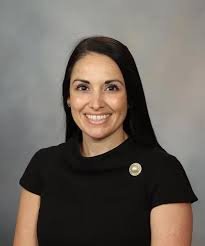
Dr. Barry G. Willens, MD Family Medicine and Primary Care
Dr. Barry G. Willens, MD, is a family medicine physician whose professional work centers on comprehensive primary care. Current HCA Houston Healthcare, CMS, and Doximity records consistently identify Family Medicine or Family Practice as his specialty. His practice is based at Barry G. Willens, M.D., P.A., where the current patient portal continues to list his New Caney office and appointment contact information.
Dr. Willens completed medical school at Chicago Medical School, now part of Rosalind Franklin University of Medicine and Science, in 1983. He then completed a Family Medicine residency through Ascension Illinois Saint Mary in Chicago from 1983 through 1986.
Family medicine is designed to provide broad, continuing medical care rather than focusing on a single organ system. Family physicians commonly provide preventive care, evaluate new illnesses and symptoms, manage chronic conditions, and coordinate referrals when specialty treatment is necessary.
Patients comparing physicians with similar training can browse the Family Medicine Specialist directory on Doctiplus.
About Dr. Barry G. Willens
Current CMS data identifies Barry Willens, NPI 1952323024, as a Texas physician enrolled under the specialty of Family Practice. HCA Houston Healthcare likewise identifies Dr. Barry G. Willens in Family Medicine.
His current practice portal identifies the office as Barry G. Willens, M.D., P.A. and continues to provide patient access for appointments, forms, office instructions, and practice information.
Family medicine is particularly useful for patients who want one physician to follow their health over time. Rather than treating each new symptom as an isolated event, a family physician can consider previous illnesses, medications, laboratory trends, preventive needs, and recommendations from other doctors together. The American Academy of Family Physicians describes family medicine as comprehensive primary care that can extend across different ages and health conditions.
Medical Education and Family Medicine Training
Dr. Willens graduated from Chicago Medical School at Rosalind Franklin University of Medicine and Science in 1983. He subsequently completed a Family Medicine residency at what Doximity currently identifies as Ascension Illinois Saint Mary in Chicago from 1983 through 1986.
| Training Area | Institution | Details |
|---|---|---|
| Medical education | Chicago Medical School at Rosalind Franklin University of Medicine and Science | MD, 1983 |
| Residency | Ascension Illinois Saint Mary, Chicago | Family Medicine, 1983–1986 |
| Primary specialty | Family Medicine | Comprehensive primary care |
| Current NPI | 1952323024 | Family Medicine taxonomy |
CMS-linked provider data continues to classify his individual NPI under Family Practice, while NPI-derived information identifies Texas family medicine taxonomy 207Q00000X.
Family medicine residency is broad by design. Training commonly includes adult medicine, pediatrics, behavioral health, preventive care, women’s health, surgery-related assessment, and community medicine so that family physicians can manage a wide range of routine health concerns and identify when another specialist should become involved.
Professional Credentials and Licensing
Current Doximity information lists Dr. Willens with a Texas medical licence and identifies Family Medicine as his specialty. His Texas licence is shown through 2026 in the current professional record.
Public directories are not completely consistent regarding his current board-certification status. One current secondary provider profile describes him as board certified, while other available records do not provide the same confirmation. Because these sources conflict, patients for whom current board certification is an important selection factor should verify that credential directly rather than relying on a directory listing.
The consistently verified information is his medical degree, completed Family Medicine residency, active physician identity, and current professional classification in Family Medicine.
Family Medicine and Continuing Primary Care
Family medicine is often the first point of contact for a new health concern.
A patient may know that something has changed without knowing whether the problem belongs in cardiology, gastroenterology, endocrinology, orthopedics, or another specialty. A family physician can begin by reviewing the symptom pattern, physical examination, medications, previous medical history, and available test results.
Depending on what that initial assessment shows, the next step might involve treatment within primary care, additional testing, continued monitoring, or referral.
This makes family medicine particularly valuable for people who have several smaller concerns rather than one clearly defined specialty problem.
Preventive Health Visits
Preventive care is one of the core roles of family medicine. The American Academy of Family Physicians includes routine checkups, health-risk assessment, immunizations, screening tests, and individualized health counseling within the scope of family physicians.
A preventive visit may include discussion of:
- Blood pressure
- Cholesterol
- Blood sugar
- Vaccinations
- Family medical history
- Medication use
- Previous screening
- Changes in general health
The exact screening plan should be individualized rather than applying every test to every patient.
CDC information on preventive care emphasizes that regular medical visits can include blood pressure, cholesterol, vaccination, and age-appropriate screening while helping identify chronic disease earlier.
Readers can also review the Doctiplus guide to why regular health screening matters.
High Blood Pressure and Cardiovascular Risk
Family physicians commonly participate in the long-term management of high blood pressure and cardiovascular risk. The AAFP specifically includes hypertension and heart disease among chronic conditions frequently managed within family medicine.
A useful blood-pressure assessment generally considers more than one office measurement.
Patients who monitor blood pressure at home may benefit from bringing a recent record to the appointment. A physician can then consider the pattern alongside medications, kidney health, blood sugar, cholesterol, cardiovascular history, and other risk factors.
CDC guidance notes that high blood pressure can occur without noticeable symptoms and recommends continued monitoring and treatment when appropriate.
Patients should not independently change or stop prescribed blood-pressure medicine based only on one unusual reading. Medication decisions are better made after reviewing the broader pattern with the healthcare professional managing treatment.
Diabetes and Blood Sugar Monitoring
Diabetes is another chronic condition commonly managed in family medicine.
Primary care can involve screening for abnormal blood sugar, interpreting laboratory trends, reviewing medications, monitoring blood pressure and cholesterol, and coordinating additional care when complications or more complicated treatment needs arise.
For patients already living with diabetes, the important question is not simply whether one glucose result is high or low.
The physician may need to consider:
- Longer-term blood-sugar measurements
- Current medication
- Blood-pressure control
- Kidney function
- Cholesterol
- Previous laboratory trends
- Other medical conditions
CDC cardiovascular-prevention guidance also emphasizes blood-sugar management as part of reducing long-term cardiovascular risk.
Patients managing several ongoing conditions can find additional information in the Doctiplus guide to staying on track with chronic illness care.
Cholesterol and Preventive Heart Health
Cholesterol management is another routine part of primary care because cardiovascular risk depends on more than one laboratory value.
The physician may consider cholesterol together with age, blood pressure, diabetes, smoking history, previous cardiovascular disease, kidney health, and family history.
CDC guidance recommends cholesterol testing according to individual risk and notes that people already diagnosed with high cholesterol may require more frequent monitoring.
Patients already taking cholesterol-lowering medicine should bring an accurate medication list and mention any side effects or difficulty following the prescribed plan.
The purpose of treatment is broader than changing a laboratory number. It is to reduce meaningful cardiovascular risk over time.
Acute Illness and New Symptoms
Family medicine also provides assessment for many common short-term illnesses and newly developing symptoms.
A patient may seek care for respiratory symptoms, digestive complaints, headache, urinary symptoms, minor injuries, skin changes, fever, or another issue that does not initially require specialty care.
The family physician’s broad training helps determine whether the condition is likely to remain manageable within primary care or whether further testing or referral is appropriate.
It is important not to assume that Dr. Willens personally offers every procedure or treatment associated generally with Family Medicine. His verified public profiles confirm the specialty, education, residency, and current practice but do not provide a detailed physician-authored list of every condition or procedure he currently manages.
Medication Review
Primary care often becomes more complicated as a patient accumulates medications from different physicians.
One prescription may come from a cardiologist, another from an urgent-care visit, another from a hospital discharge, and several from the primary-care physician.
A medication review can help clarify:
- What the patient is currently taking
- Correct doses
- How often medications are used
- Medicines that have been stopped
- Possible side effects
- Treatments requiring laboratory monitoring
- Whether several doctors are prescribing overlapping medicines
MedlinePlus describes primary care physicians as central to long-term medical care and to directing patients through the healthcare system when more specialized care is needed.
Patients should include over-the-counter medicines and relevant supplements when preparing an accurate medication list.
Managing Several Chronic Conditions Together
One of the strongest reasons to maintain a regular primary-care relationship is that health conditions rarely remain completely separate.
A patient may simultaneously have diabetes, high blood pressure, high cholesterol, arthritis, digestive symptoms, and medications prescribed by several physicians.
Family medicine provides a place to consider how these pieces interact. The AAFP specifically notes that family physicians provide ongoing management of chronic illnesses and coordinate care with specialists.
This can help answer practical questions such as whether laboratory monitoring is up to date, whether one medicine affects another condition, whether a referral still needs follow-up, and which health concern deserves attention first.
Doctiplus also maintains a broader chronic disease section for readers managing long-term medical conditions.
Care Coordination With Specialists
A family physician does not replace specialists when advanced expertise is required.
Instead, primary care often helps identify which specialist is appropriate and then keeps the broader medical picture connected after the referral.
MedlinePlus describes referral to medical or surgical specialists as one of the central roles of a primary care provider.
For example, persistent cardiovascular symptoms may eventually require cardiology, complicated digestive problems may require gastroenterology, and difficult hormone-related conditions may need endocrinology.
The family physician can continue managing routine and preventive health while those specialists focus on more specific conditions.
Patients comparing physicians with similar broad primary-care roles can also read about Dr. Tommy Cong Vo’s family medicine care.
What Patients Can Expect During an Appointment
A Family Medicine appointment usually begins with the reason for the visit and a review of relevant history.
Dr. Willens may need information about current symptoms, medications, allergies, earlier diagnoses, hospital treatment, prior operations, recent laboratory tests, and care being provided by other doctors.
The examination and testing should depend on the reason for the visit.
A routine preventive appointment may focus on health maintenance and screening, while an appointment for a new symptom may require more targeted evaluation.
Family physicians are trained to identify and treat common medical problems, provide preventive care, assess how urgent a problem is, and arrange specialist referrals when necessary.
Preparing for an Appointment With Dr. Willens
Patients can make a primary-care visit more useful by bringing a concise set of current information.
Helpful items can include:
- Current medication names and doses
- Medication allergies
- Recent laboratory results
- Home blood-pressure readings when relevant
- Blood-sugar records when relevant
- Hospital discharge paperwork
- Reports from specialists
- Important imaging results
- Previous screening information
- A short timeline of new symptoms
- A written list of questions
When describing a symptom, timing often matters.
For example, saying that dizziness began shortly after a medication change or that shortness of breath now occurs during an activity that was previously easy gives the physician more useful information than a broad description alone.
Questions Worth Asking During a Primary Care Visit
Patients may want to ask what the physician believes is most likely causing a new symptom, whether testing is needed, which laboratory results deserve attention, and whether medications remain appropriate.
For chronic medical conditions, useful questions include whether current treatment appears to be working, when monitoring should be repeated, and whether another specialist should become involved.
During preventive care, patients can ask which screenings or vaccinations are appropriate based on their age and medical history.
A primary-care appointment is most useful when the patient leaves understanding what is known, what still needs to be investigated, and what the next step will be.
Current Practice and Appointment Information
Dr. Willens’s current patient portal lists Barry G. Willens, M.D., P.A. at 20185 US Highway 59, Suite 72 and provides 281-689-8144 as the office telephone number. The portal remained active in 2026 and provides access to appointment preparation, patient forms, directions, and other practice information.
Doximity independently lists the same primary practice address and telephone number.
CMS data currently identifies Barry Willens, NPI 1952323024, as an enrolled Texas Family Practice physician.
HCA Houston Healthcare also maintains a current physician profile identifying Dr. Barry G. Willens in Family Medicine.
Office schedules, insurance participation, new-patient availability, hospital affiliations, and telehealth options can change, so patients should confirm current arrangements directly with the practice before attending.
Understanding Dr. Willens’s Clinical Profile
The clearest verified professional picture of Dr. Barry G. Willens is that of a Family Medicine physician with more than four decades since completing medical school. He graduated from Chicago Medical School in 1983 and completed Family Medicine residency training in Chicago from 1983 through 1986. Current CMS, HCA Houston Healthcare, and Doximity records consistently identify Family Medicine or Family Practice as his specialty.
For patients, the main value of this specialty is continuity. Preventive care, common illnesses, chronic disease, medication management, changing laboratory results, and referrals to specialists can all be considered within one ongoing medical relationship.
Patients can browse the Doctiplus Family Medicine Specialist directory for other primary-care physician profiles and comparisons.



Reviews
There are no reviews yet.