

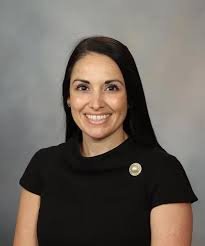
Dr. Tommy Cong Vo Family Medicine Physician
Dr. Tommy Cong Vo is a board-certified family medicine physician providing preventive, diagnostic, and continuing primary care for individuals and families.
His services include routine physical examinations, treatment for common illnesses, chronic disease management, medication monitoring, preventive screening, and coordination with medical specialists.
Family medicine covers a wide range of health needs. Patients may visit Dr. Vo for an annual examination, a sudden illness, an unexplained symptom, or continuing support for conditions such as high blood pressure, diabetes, high cholesterol, asthma, arthritis, and thyroid disease.
Patients comparing primary care physicians can also read about Dr. Alvaro F. Zamora’s family medicine care.
Doctor Information
Name: Dr. Tommy Cong Vo, MD
Specialty: Family Medicine
Board Certification: American Board of Family Medicine
Medical School: Texas A&M Health Science Center College of Medicine
Medical Degree Completed: 1998
Residency: Family Medicine, Memorial Hermann Health System
Residency Period: 1998 to 2001
Practice: Barker Cypress Family Practice
Primary Location: Cypress, Texas
Hospital Affiliation: HCA Houston Healthcare North Cypress
NPI Number: 1932197498
Telehealth: Available for suitable appointments
Accepting New Patients: Yes, according to current public provider profiles
About Dr. Tommy Cong Vo
Dr. Vo earned his medical degree from Texas A&M Health Science Center College of Medicine in 1998. He then completed family medicine residency training through Memorial Hermann Health System between 1998 and 2001.
His training prepared him to diagnose and manage medical concerns affecting several body systems. Family physicians often serve as the first healthcare contact when patients develop new symptoms, need preventive screening, or require ongoing care for a chronic condition.
Dr. Vo may review the patient’s symptoms, medical history, family history, current medication, and previous test results before recommending care.
His role may include performing a physical examination, ordering laboratory or imaging tests, prescribing treatment, monitoring progress, and referring the patient to a specialist when more focused evaluation is necessary.
Family Medicine Services
Dr. Vo may provide primary care for concerns such as:
- Annual physical examinations
- Preventive health screening
- Colds and respiratory infections
- High blood pressure
- Type 1 and type 2 diabetes
- Prediabetes
- High cholesterol
- Thyroid disorders
- Asthma
- Chronic obstructive pulmonary disease
- Allergies
- Digestive symptoms
- Urinary concerns
- Arthritis
- Headaches
- Back and neck discomfort
- Skin conditions
- Medication management
- Follow-up after hospital treatment
Some conditions can be diagnosed during an office appointment. Others may require laboratory testing, imaging, specialist consultation, or continuing monitoring.
Preventive Healthcare
Preventive care aims to identify medical risks before they lead to serious symptoms or complications.
Dr. Vo may review:
- Blood pressure
- Blood glucose
- Cholesterol
- Kidney function
- Vaccination history
- Family medical history
- Tobacco exposure
- Nutrition
- Physical activity
- Weight changes
- Current medication
- Previous screening results
Preventive recommendations differ according to the patient’s age, medical history, family history, symptoms, and earlier test findings.
A routine visit also gives patients an opportunity to discuss gradual changes in sleep, appetite, energy, digestion, concentration, weight, or physical ability.
Routine Physical Examinations
A routine physical examination provides a broad review of the patient’s current health.
The appointment may include:
- Updating the medical history
- Reviewing prescriptions and supplements
- Measuring blood pressure
- Checking heart and lung function
- Reviewing weight changes
- Discussing current symptoms
- Assessing previous laboratory results
- Reviewing vaccination needs
- Recommending appropriate screenings
- Discussing realistic health goals
Not every patient needs the same tests each year. Laboratory and screening recommendations should be selected according to symptoms, age, medication, existing diagnoses, and personal risk factors.
Patients should mention recent emergency visits, hospital admissions, specialist appointments, and treatment changes.
Acute Illness Care
Family physicians treat many illnesses that begin suddenly.
Dr. Vo may evaluate:
- Fever
- Cough
- Sore throat
- Nasal congestion
- Sinus discomfort
- Ear pain
- Influenza-like symptoms
- Acute bronchitis
- Nausea or vomiting
- Diarrhoea
- Urinary discomfort
- Minor skin infections
- Headaches
- Unexplained tiredness
An appointment may involve a physical examination and selected testing.
Treatment depends on whether symptoms are caused by a virus, bacterial infection, allergy, inflammation, medication, or another medical condition.
Antibiotics do not treat viral infections. They are generally considered only when the findings support a bacterial illness likely to benefit from treatment.
High Blood Pressure Management
High blood pressure may develop without causing noticeable symptoms. When it remains uncontrolled, it can gradually affect the heart, kidneys, brain, eyes, and blood vessels.
Dr. Vo may support hypertension care through:
- Office blood pressure measurements
- Review of home readings
- Medication selection
- Dosage adjustments
- Kidney-function testing
- Cardiovascular risk assessment
- Nutrition guidance
- Physical activity discussions
- Monitoring for medication side effects
Patients who monitor their blood pressure at home should record the date, time, and result.
It may also help to note whether headache, dizziness, weakness, chest discomfort, or another symptom occurred around the same time.
Diabetes and Prediabetes Care
Prediabetes means blood sugar is above the expected range but has not reached the level used to diagnose diabetes.
Early management may help reduce the chance of progression for some patients.
Dr. Vo may provide:
- Blood glucose testing
- A1C monitoring
- Medication management
- Nutrition discussions
- Physical activity planning
- Kidney-function monitoring
- Foot and nerve assessments
- Diabetic eye examination referrals
- Cardiovascular risk management
- Review of home glucose readings
Diabetes treatment may include changes to daily habits, oral medicine, injectable treatment, insulin, or a combination of approaches.
The treatment plan should consider blood sugar patterns, kidney health, cardiovascular risk, medicine tolerance, and the patient’s normal routine.
Patients with complex blood sugar concerns may also need care from an endocrinologist such as Dr. Charlie C. Chang.
Cholesterol Management
High levels of certain blood fats can contribute to plaque developing inside the arteries. This may increase the long-term risk of heart attack, stroke, and circulation problems.
Dr. Vo may assess:
- Total cholesterol
- LDL cholesterol
- HDL cholesterol
- Triglycerides
- Blood pressure
- Blood glucose
- Tobacco exposure
- Family cardiovascular history
- Age
- Previous heart or blood-vessel disease
Treatment may include practical nutrition changes, physical activity, prescription medication, or better management of related conditions.
Recommendations are based on the patient’s overall cardiovascular risk rather than one laboratory result alone.
Cardiovascular Risk Assessment
Family medicine plays an important role in identifying and managing factors associated with heart and blood-vessel disease.
Dr. Vo may evaluate:
- High blood pressure
- High cholesterol
- Diabetes
- Family history of early heart disease
- Tobacco exposure
- Kidney disease
- Reduced physical activity
- Weight-related health risks
- Medication use
- Previous cardiovascular conditions
Depending on the findings, care may involve blood tests, medication, heart testing, practical lifestyle changes, or referral to a cardiologist.
Thyroid Disorders
The thyroid gland produces hormones that affect metabolism, energy, heart rate, digestion, and temperature regulation.
Possible symptoms of a thyroid condition include:
- Unexplained tiredness
- Weight changes
- Sensitivity to heat or cold
- Changes in heart rate
- Constipation
- Tremor
- Dry skin
- Hair changes
- Muscle weakness
- Difficulty concentrating
These symptoms can have several possible causes. Blood tests are generally required before a thyroid condition can be confirmed.
Dr. Vo may provide initial testing and management for common thyroid disorders. An endocrinology referral may be appropriate when the diagnosis or treatment is more complex.
Respiratory Care
Coughing, wheezing, congestion, and breathing discomfort may be caused by infection, asthma, allergies, chronic lung disease, environmental exposure, or another condition.
Dr. Vo may review:
- When symptoms began
- Whether fever is present
- Possible environmental triggers
- Previous asthma history
- Inhaler use
- Nighttime coughing
- Exercise-related symptoms
- Tobacco exposure
- Response to previous treatment
Testing may include oxygen measurement, lung examination, infection testing, chest imaging, or breathing studies.
Treatment depends on the suspected cause and symptom severity.
Asthma Management
Asthma can cause recurring airway inflammation and narrowing.
Symptoms may include:
- Wheezing
- Coughing
- Chest tightness
- Shortness of breath
- Nighttime symptoms
- Difficulty exercising
- Symptoms after exposure to allergens
Dr. Vo may review the patient’s inhalers, possible triggers, symptom frequency, and response to treatment.
Care may include rescue medication, daily controller treatment, inhaler education, trigger management, and a written action plan.
Chronic Obstructive Pulmonary Disease
Chronic obstructive pulmonary disease, commonly called COPD, can cause continuing cough, mucus production, wheezing, and shortness of breath.
Management may include:
- Inhaled medication
- Review of inhaler technique
- Vaccination guidance
- Monitoring oxygen levels
- Assessment of worsening symptoms
- Smoking-cessation support
- Physical activity planning
- Lung specialist referral
- Pulmonary rehabilitation when appropriate
Patients should explain whether breathing symptoms are becoming more frequent or interfering with sleep and ordinary activities.
Digestive Health
A family physician can provide the first assessment for many digestive concerns.
Dr. Vo may evaluate:
- Heartburn
- Acid reflux
- Abdominal discomfort
- Nausea
- Bloating
- Constipation
- Diarrhoea
- Changes in bowel habits
- Appetite changes
- Unexplained weight changes
An evaluation may involve medication review, blood tests, stool testing, imaging, or referral to a gastroenterologist.
Persistent digestive symptoms should be properly assessed rather than repeatedly treated without identifying the underlying cause.
Urinary Health
Urinary symptoms may result from infection, bladder irritation, kidney stones, prostate conditions, medication, or another concern involving the urinary system.
Dr. Vo may assess:
- Painful urination
- Frequent urination
- Sudden urgency
- Lower abdominal discomfort
- Blood in the urine
- Repeated urinary symptoms
- Back or side pain
- Fever linked to urinary changes
Testing may include urine analysis, urine culture, blood testing, or imaging.
Recurring urinary symptoms do not always mean that an infection is present. Further testing may be needed to identify another cause.
Arthritis and Joint Pain
Arthritis can cause joint pain, stiffness, swelling, and reduced movement.
Dr. Vo may evaluate:
- Osteoarthritis
- Joint stiffness
- Knee pain
- Hip discomfort
- Hand arthritis
- Shoulder pain
- Back discomfort
- Reduced range of motion
- Pain after activity
- Symptoms affecting sleep
Treatment may include medication, physical therapy, home exercise, activity changes, imaging, or specialist referral.
The plan depends on which joint is affected, how long symptoms have been present, and whether inflammation, injury, or structural damage is suspected.
Back and Neck Pain
Back and neck discomfort may develop because of muscle strain, arthritis, disc changes, injury, posture, repetitive activity, or nerve irritation.
Dr. Vo may ask:
- When the pain began
- Whether an injury occurred
- Where the pain travels
- Whether numbness is present
- Whether weakness has developed
- Which movements make symptoms worse
- Which treatments have already been attempted
Care may involve medication, temporary activity changes, physical therapy, home exercise, imaging, or referral to an orthopedic or spine specialist.
Headache Evaluation
Headaches may be linked to migraine, muscle tension, sinus symptoms, sleep problems, vision changes, medicine, blood pressure, or another condition.
Dr. Vo may ask about:
- Where the pain occurs
- How long it lasts
- How often it returns
- Possible triggers
- Nausea
- Sensitivity to light or sound
- Vision changes
- Medication use
- Sleep patterns
- Previous head or neck injuries
A headache diary may help identify patterns involving sleep, meals, stress, activity, or medication.
Imaging or neurological referral may be considered when symptoms are persistent, unusual, or changing.
Skin Conditions
Primary care physicians commonly evaluate minor and recurring skin concerns.
Dr. Vo may assess:
- Acne
- Eczema
- Contact dermatitis
- Athlete’s foot
- Minor skin infections
- Boils
- Rashes
- Allergic skin reactions
- Dry or irritated skin
- Unexplained skin changes
Treatment depends on whether the condition appears related to infection, allergy, irritation, inflammation, or another cause.
A dermatology referral may be recommended for unusual, persistent, rapidly changing, or difficult-to-treat conditions.
Anemia Evaluation
Anemia occurs when the blood does not contain enough healthy red blood cells or haemoglobin.
Possible symptoms include:
- Tiredness
- Weakness
- Dizziness
- Headaches
- Shortness of breath
- Pale skin
- Rapid heartbeat
- Reduced exercise tolerance
Potential causes include iron deficiency, vitamin deficiency, blood loss, kidney disease, inflammation, medication, or a blood disorder.
Dr. Vo may order blood tests to determine the type and possible cause of anemia.
Medication Management
Patients may receive prescriptions from several healthcare professionals.
A complete medication review can help identify:
- Duplicate prescriptions
- Drug interactions
- Side effects
- Incorrect doses
- Medicines that may no longer be needed
- Conflicts with non-prescription products
- Supplements affecting treatment
- Difficulty following the dosing schedule
Patients should bring an updated list of prescriptions, over-the-counter medicines, vitamins, and supplements.
Medication should not be stopped or changed without guidance from the prescribing healthcare professional.
Vaccinations
Vaccination is an important part of preventive family medicine.
Dr. Vo may review vaccination needs according to:
- Age
- Previous vaccination records
- Existing medical conditions
- Work or school requirements
- Travel plans
- Pregnancy status
- Medication affecting immunity
- Previous vaccine reactions
Patients should bring available vaccination records to help identify missed doses and avoid unnecessary repetition.
Health Screening
Screening recommendations may include assessment for:
- High blood pressure
- Diabetes
- High cholesterol
- Colorectal cancer
- Bone-health concerns
- Other age-related conditions
The appropriate schedule depends on age, personal risk factors, family history, and previous results.
Patients with a strong family history or earlier abnormal findings may need screening sooner or more frequently.
Chronic Condition Management
Long-term medical conditions require continuing monitoring because symptoms, laboratory results, and medication needs can change.
Dr. Vo may help patients manage:
- High blood pressure
- Diabetes
- High cholesterol
- Thyroid disease
- Asthma
- COPD
- Arthritis
- Kidney concerns
- Digestive conditions
- Multiple diagnoses occurring together
Follow-up appointments allow him to review test results, treatment response, medication side effects, and changes in daily function.
Patients should mention missed doses, new symptoms, and treatment provided by another healthcare professional.
Telehealth Appointments
Current public provider profiles list telehealth as available for suitable appointments.
A virtual visit may be useful for:
- Medication follow-up
- Review of laboratory results
- Stable chronic conditions
- Preventive care planning
- Discussion of minor symptoms
- Follow-up after earlier treatment
Some concerns still require an office examination, laboratory testing, imaging, or urgent in-person assessment.
The practice can determine whether a virtual or office appointment is more appropriate.
Care After Hospital Treatment
Patients may need primary care follow-up after an emergency visit, hospital admission, or surgical procedure.
A follow-up appointment may include:
- Reviewing the hospital diagnosis
- Checking medication changes
- Monitoring recovery
- Reviewing laboratory or imaging results
- Arranging specialist appointments
- Clarifying discharge instructions
- Assessing whether symptoms are improving
- Reducing the risk of another hospital visit
Patients should bring discharge papers and an updated medication list.
Coordinated Medical Care
Patients managing several conditions may receive care from multiple specialists.
Dr. Vo may coordinate with:
- Cardiologists
- Endocrinologists
- Gastroenterologists
- Pulmonologists
- Kidney specialists
- Neurologists
- Orthopedic physicians
- Urologists
- Surgeons
- Physical therapists
Coordination can help reduce repeated testing, identify medication conflicts, and keep treatment recommendations consistent.
Patients seeking another family physician may also review Dr. Richard Pedroza’s primary care profile.
Preparing for an Appointment
Patients can prepare by bringing:
- A current medication list
- Recent laboratory results
- Imaging reports
- Hospital discharge records
- Home blood pressure readings
- Blood glucose records
- Vaccination information
- A list of medication allergies
- Family medical history
- Questions about testing or treatment
It is helpful to explain when symptoms began, how often they occur, and what makes them better or worse.
Patients should also mention changes in sleep, appetite, weight, energy, physical activity, or everyday function.
Patient-Centered Family Medicine
Dr. Vo provides family medicine care based on each patient’s age, symptoms, medical history, medication, preventive needs, and long-term health goals.
His services may include routine physical examinations, acute illness treatment, chronic disease management, preventive screening, vaccination review, medication monitoring, telehealth appointments, and specialist coordination.
Patients should confirm current appointment availability, accepted insurance plans, telehealth eligibility, office hours, and referral requirements directly with Barker Cypress Family Practice.



Reviews
There are no reviews yet.