
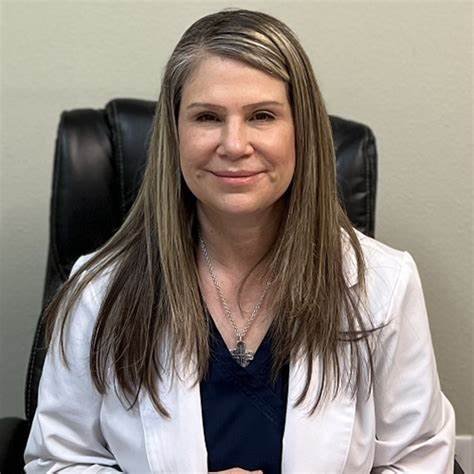
Dr. Eliza Trevino-Beene, MD Pediatrician and Child Health Care
Dr. Eliza Trevino-Beene, MD, FAAP, is a board-certified pediatrician whose professional work focuses on preventive care, childhood development, common pediatric illnesses, immunizations, and continuing medical care from infancy through adolescence. She currently practices with Texas Pediatric Clinic, where the practice identifies her as a pediatrician caring for children of all ages.
Her medical training includes a degree from the University of Texas Medical Branch School of Medicine followed by Pediatrics residency training at Driscoll Children’s Hospital and Texas A&M College of Medicine. She completed residency in 2003 and has been providing pediatric care since that time. Current ABMS-linked professional information lists certification in Pediatrics through the American Board of Pediatrics.
For families, a pediatrician provides more than treatment when a child becomes sick. Regular pediatric care also follows growth, development, school progress, behavior, vaccination history, nutrition, preventive screening, and chronic medical concerns over many years.
Families comparing pediatric doctors can browse the Doctiplus Pediatrics directory or use the Children’s Health section for broader information about childhood health.
About Dr. Eliza Trevino-Beene
Dr. Trevino-Beene currently practices at Texas Pediatric Clinic. Her official practice biography describes her as a board-certified pediatrician who grew up in South Texas and has wanted to work in pediatrics since early in her medical career.
Her NPI is 1750312138, and current provider records classify her specialty as Pediatrics. Doximity also identifies her as a Fellow of the American Academy of Pediatrics, reflected by the FAAP professional designation.
Her current Texas Pediatric Clinic biography additionally states that she serves as an adjunct professor working with third-year medical students at Texas A&M University. The same biography lists courtesy hospital privileges associated with Houston Northwest and Houston Methodist Willowbrook. Because academic appointments and hospital privileges can change, families who need care connected with a particular hospital should confirm current arrangements with the practice.
Medical Education and Pediatric Training
Dr. Trevino-Beene completed undergraduate studies at St. Mary’s University in San Antonio, earning a degree in Biology with a minor in Chemistry. She then attended the University of Texas Medical Branch School of Medicine in Galveston, graduating in 2000.
She subsequently completed Pediatrics residency training at Driscoll Children’s Hospital/Texas A&M College of Medicine from 2000 through 2003.
| Training Area | Institution | Details |
|---|---|---|
| Undergraduate education | St. Mary’s University | Biology with minor in Chemistry |
| Medical education | University of Texas Medical Branch School of Medicine | MD, 2000 |
| Residency | Driscoll Children’s Hospital/Texas A&M College of Medicine | Pediatrics, 2000–2003 |
| Board certification | American Board of Pediatrics | Pediatrics |
| Professional designation | American Academy of Pediatrics | Fellow, FAAP |
| Primary specialty | Pediatrics | Infant, child and adolescent care |
These details are supported by Dr. Trevino-Beene’s current practice biography and ABMS-linked professional information. Some large secondary doctor directories display conflicting education data for physicians with this name, so the UTMB and Driscoll records are the stronger sources for understanding her actual training.
Board Certification and Pediatric Credentials
Current professional records identify Dr. Trevino-Beene as certified in Pediatrics by the American Board of Pediatrics. Doximity’s ABMS-linked information also identifies her as an American Academy of Pediatrics Fellow.
Board certification confirms specialty training, but families choosing a pediatrician may also want to consider continuity, communication, access for sick visits, preventive-care practices, and how the office manages developmental or behavioral concerns.
Pediatrics is particularly dependent on continuity because a child’s normal range changes constantly with age. A finding that is expected in infancy may have a very different meaning in a school-age child or teenager.
Well-Child Visits and Preventive Pediatric Care
Texas Pediatric Clinic identifies well-child visits as a central service and describes them as an opportunity to monitor healthy growth and development while giving parents time to discuss questions about their child’s health.
A well-child appointment may involve more than measuring height and weight. Depending on age and individual circumstances, preventive care can include developmental observation, physical examination, vision or hearing surveillance, behavioral assessment, age-appropriate laboratory screening, and discussion of nutrition, sleep, school, safety, and emotional well-being.
The American Academy of Pediatrics’ Bright Futures framework provides preventive-care guidance from infancy through young adulthood and organizes recommended screenings and health supervision around age-related visits.
For parents, the value of routine visits is that gradual changes are easier to recognize when the pediatrician can compare the child with their own earlier growth and developmental history rather than only with other children.
Growth and Development
Growth should usually be evaluated as a pattern.
A single height or weight measurement cannot show whether a child has consistently followed the same growth curve or recently begun moving away from it. Pediatricians therefore compare measurements over time and consider nutrition, family growth patterns, chronic illness, medications, and developmental stage.
Development involves more than physical size. Pediatric visits may also address communication, motor skills, social interaction, behavior, learning, independence, and school progress.
Parents can help by mentioning concerns they see outside the doctor’s office. A child may appear comfortable during a short medical appointment while having persistent difficulties with communication, classroom attention, coordination, or peer interaction elsewhere.
When speech or language development needs more specialized attention, families can also read the Doctiplus guide explaining what speech therapy for kids involves.
Immunizations
Vaccination is part of the preventive pediatric care available through Texas Pediatric Clinic. The practice maintains immunization resources for families and vaccine information covering routine childhood and adolescent vaccines.
Vaccination schedules can change as national recommendations are updated. Parents should therefore rely on their child’s current medical record and the latest recommendations rather than an older printed schedule.
The CDC maintains the current U.S. child and adolescent immunization schedule for patients age 18 and younger, including guidance for routine vaccination, catch-up vaccination, and children with particular medical considerations.
Families transferring to Dr. Trevino-Beene’s practice should bring vaccination records whenever possible. That can help prevent unnecessary duplication and show whether catch-up vaccination needs to be discussed.
Sick Child Visits
Texas Pediatric Clinic also provides dedicated sick-child appointments. Its current scheduling policy states that the clinic makes an effort to see sick children on the day parents call when scheduling permits, while asking families to contact the office before arriving rather than relying on walk-in availability.
Common childhood illnesses can produce overlapping symptoms.
Fever, coughing, sore throat, congestion, vomiting, ear discomfort, and reduced appetite may appear with many different infections and other conditions. The pediatrician considers age, duration, hydration, breathing, examination findings, vaccination history, and accompanying symptoms before deciding whether testing or treatment is necessary.
Parents can make a sick visit more useful by knowing when symptoms started, the highest measured temperature when fever is present, which medicines have already been given, and whether the child is drinking and behaving close to normal.
Fever and Respiratory Infections
Current claims-derived provider information shows fever and acute respiratory infections among frequently represented diagnoses in Dr. Trevino-Beene’s pediatric practice. Claims information is not a complete physician-written list of services, but it provides supporting evidence that these common childhood illnesses form part of her routine pediatric work.
A fever should be interpreted according to the child’s age and overall condition rather than the temperature number alone.
A young infant may require a different approach from an older child with the same temperature. Breathing difficulty, hydration, unusual sleepiness, persistent symptoms, or another concerning change may also affect how quickly professional evaluation is needed.
Likewise, coughing does not automatically mean that antibiotics are appropriate. Many childhood respiratory illnesses are viral, while others may require examination or testing before the cause becomes clear.
Ear, Throat and Common Childhood Infections
Primary pediatric care commonly includes evaluation of sore throat, ear symptoms, respiratory infections, and other short-term illnesses.
Current claims-based records associated with Dr. Trevino-Beene include pharyngitis, strep throat, acute bronchitis, and related respiratory conditions among commonly represented diagnoses.
The important point for parents is that similar symptoms can have different causes.
A sore throat can occur with a viral infection or another condition. Ear discomfort can result from infection but can also have other explanations. Physical examination and, in selected cases, testing help determine whether treatment is appropriate.
This approach helps avoid treating every childhood illness as though it were the same condition.
Asthma and Recurring Breathing Concerns
Texas Pediatric Clinic specifically identifies asthma care among its current pediatric services.
Asthma symptoms can include recurring cough, wheezing, shortness of breath, exercise-related symptoms, or nighttime breathing problems. Some children have long periods without obvious symptoms between episodes.
A pediatrician may review how often symptoms occur, what appears to trigger them, whether sleep or physical activity is affected, and how frequently prescribed rescue treatment is needed.
More complicated or poorly controlled respiratory disease may require pediatric pulmonology or allergy evaluation in addition to continuing primary pediatric care.
Families should confirm the specific asthma services currently provided directly by Dr. Trevino-Beene rather than assuming that every test or treatment available within pediatric respiratory medicine is performed through her office.
ADHD and Attention Concerns
Texas Pediatric Clinic currently lists ADHD and ADD evaluations among its services. The practice states that its staff can conduct initial assessments when parents are concerned about attention or focus and uses tools including parent and teacher Vanderbilt assessments. It also describes continuing follow-up when medication has been started.
Attention problems should not be diagnosed from one behavior or one classroom report.
The American Academy of Pediatrics recommends gathering information across settings and considering alternative explanations when evaluating children and adolescents with symptoms of inattention, hyperactivity, or impulsivity.
Sleep problems, learning differences, emotional concerns, hearing or vision difficulties, and other developmental or medical issues can sometimes contribute to similar difficulties.
That is why information from parents and teachers can be useful. The aim is to understand whether problems occur consistently and how much they affect school, home life, and everyday functioning.
Medication Monitoring for ADHD
Texas Pediatric Clinic’s current service information describes regular follow-up when medication is prescribed for attention-related conditions, including earlier reassessment after treatment begins or when doses are changed.
Medication follow-up matters because treatment should be assessed for both benefit and unwanted effects.
Parents may be asked about school performance, attention, behavior, sleep, appetite, and other changes. Teachers may also provide useful information because a child’s response can look different at school than at home.
Medication should not be adjusted independently simply because one day or week was difficult. The pediatric team can interpret changes in the context of dose, timing, growth, sleep, school expectations, and other factors.
Communication, Learning and School Concerns
Children’s medical and educational needs frequently overlap.
Current treatment-record information associated with Dr. Trevino-Beene includes speech, language and learning disorders among diagnoses represented in her patient population.
A pediatrician may help determine whether a concern should be evaluated through hearing testing, speech-language pathology, developmental pediatrics, psychology, school services, or another specialty.
For example, a child having trouble following classroom instructions may have an attention issue, language-processing difficulty, hearing concern, learning difference, sleep problem, or another explanation.
The pediatrician’s role can be to organize the first assessment and help the family reach the appropriate specialist when more focused testing is needed.
Adolescent Health
Pediatric care continues into adolescence, when preventive visits begin to address a somewhat different set of health questions.
Texas Pediatric Clinic’s well-child program includes adolescent screening elements such as depression screening, lipid assessment when appropriate, hearing and vision surveillance, and selected laboratory testing according to age and clinical context.
Teen visits may also include discussion of sleep, school, sports, nutrition, medications, chronic conditions, emotional health, and increasing responsibility for personal healthcare.
An important part of adolescence is gradually helping young patients understand their own health history. Knowing medication names, allergies, important diagnoses, and which physicians provide their care can make the eventual transition to adult medicine easier.
Newborn and Infant Care
Texas Pediatric Clinic also provides information for expecting parents and newborn families. Its current new-patient guidance asks families to bring hospital paperwork, hearing-screen results, and immunization records to an infant’s first appointment when available.
Early pediatric visits can involve feeding, weight, newborn screening, sleep, development, immunization, and questions that are particularly important during the first months of life.
Infants change quickly, so pediatricians often rely heavily on trends in weight, feeding patterns, hydration, and developmental progress rather than one isolated observation.
Families should contact the pediatric office directly if they are uncertain when a newborn’s first appointment should occur because timing may depend on the baby’s hospital course and individual medical needs.
When Another Pediatric Specialist May Be Needed
General pediatrics covers a broad range of childhood health needs, but it does not replace every pediatric subspecialist.
Referral may become appropriate when a child has a complicated cardiac condition, persistent respiratory disease, significant developmental concerns, endocrine abnormalities, neurological symptoms, difficult gastrointestinal disease, or another problem requiring focused testing.
A referral does not necessarily end the relationship with the primary pediatrician.
Dr. Trevino-Beene can continue following routine preventive health, growth, vaccines, common illnesses, and the child’s overall medical picture while another specialist concentrates on the narrower condition.
The Doctiplus Pediatrics directory can also help families compare physicians with different pediatric backgrounds.
What Families Can Expect During an Appointment
The structure of a pediatric appointment depends on whether the child is being seen for preventive care, an acute illness, a behavioral concern, or follow-up of a chronic condition.
Dr. Trevino-Beene may need information about medications, allergies, vaccination history, previous hospital care, school concerns, earlier testing, and whether other specialists are involved.
A preventive visit may concentrate on development and health maintenance. A sick visit may focus much more closely on one symptom pattern.
Testing should be selected according to the clinical question rather than performed simply because it is available.
Parents should leave understanding what the pediatrician believes is happening, what treatment or monitoring is recommended, and when further follow-up would be appropriate.
Preparing for an Appointment With Dr. Trevino-Beene
Parents can make pediatric appointments more efficient by bringing a concise set of current information.
Useful records can include vaccination history, medication names and doses, medication allergies, previous hospital paperwork, relevant specialist reports, school or developmental evaluations when applicable, and recent laboratory or imaging results.
For a sick visit, it can help to write down when the illness began, fever measurements, medications already given, and how eating, drinking, sleep, breathing, and activity have changed.
For school or behavioral concerns, teacher observations or completed assessment forms can provide information that may not be visible during a short office visit.
Questions Worth Asking During Pediatric Care
Parents may want to ask whether growth and development are following an expected pattern, whether a particular screening test is necessary, and whether any immunizations need to be updated.
For a new illness, useful questions include what diagnosis is most likely, whether testing is necessary, what changes should prompt another assessment, and how long symptoms would normally be expected to continue.
For attention or school concerns, parents can ask what other explanations need to be considered and whether information from the child’s teacher or school would help.
When referral is recommended, asking what specific question the specialist is expected to answer can make the next stage of care easier to understand.
Current Practice and Appointment Information
Texas Pediatric Clinic’s current website lists Dr. Trevino-Beene as part of its physician team and currently gives the practice address as 800 Peakwood Drive, Suite 6F. The main appointment number is 281-444-1600.
The practice currently lists office hours from 8:30 a.m. to 5:30 p.m., Monday through Friday. It also states that appointments are required for routine and sick-child visits rather than relying on walk-in scheduling.
HCA Houston Healthcare maintains a current physician profile for Dr. Trevino-Beene, but that directory displays a different Texas Pediatric Clinic address. Because the clinic’s own current location page specifically states that the practice has moved, families should use the clinic’s current address information and confirm the location when scheduling.
Current office schedules, hospital privileges, insurance participation, telehealth availability, and new-patient status can change. Families should confirm these practical details directly with Texas Pediatric Clinic.
Understanding Dr. Trevino-Beene’s Clinical Profile
The clearest verified professional picture of Dr. Eliza Trevino-Beene is that of a board-certified pediatrician who completed medical school at the University of Texas Medical Branch in 2000 and Pediatrics residency training at Driscoll Children’s Hospital/Texas A&M College of Medicine from 2000 through 2003. She is also listed as a Fellow of the American Academy of Pediatrics.
She currently practices with Texas Pediatric Clinic, whose published services include well-child care, sick-child appointments, immunizations, asthma care, ADHD evaluation, and continuing pediatric health management. Practice-wide services should not be interpreted as proof that Dr. Trevino-Beene personally performs every test or treatment listed by the clinic, but they provide useful context about the setting in which she practices.
For families, the main value of a continuing pediatric relationship is perspective over time. Growth, development, vaccinations, recurring illnesses, school concerns, behavioral changes, and recommendations from specialists can all be considered as parts of the same child’s health rather than as unrelated appointments.
Families looking for more patient-focused information can also use the Doctiplus Children’s Health resources for guidance on childhood development and common pediatric concerns.




Reviews
There are no reviews yet.