


We wake up every day, only occasionally expecting the unexpected. For most people, daily routines have activities they are accustomed to and are comfortable with to some extent. All that comes to a crashing halt when you receive a diagnosis for a chronic health condition.
Heart disease. Cancer. Depression. Diabetes.
The Centres for Disease Control and Prevention notes that chronic diseases are the primary cause of illness in America, with 90% of older adults dealing with at least one such condition. What is especially alarming is that 60% of even younger adults between 18 and 34 years suffer from one or more chronic problems.
Receiving a diagnosis for a chronic disease can be petrifying. It conjures up images of long-term medication and treatment, hospital visits, and significant alterations to your current lifestyle. However, staying calm during this time is essential to begin developing an optimal treatment and management plan for the disease.
Here are four practical ideas to support you at these crossroads in life. Breathe.
1. Confide in a Trusted Person (or Two)
The shock of a critical medical diagnosis can leave many people feeling isolated. They may also experience fear in sharing it with others, afraid of bringing unhappiness.
The National Cancer Institute acknowledges the flood of emotions that plague people at this time: overwhelming anxiety, stress, and anger. However, it strongly recommends sharing these feelings to learn to manage them. Expressing these thoughts to a trusted confidant or counsellor can help you make sense of what you’re going through.
Unfortunately, if you have an advanced illness diagnosis, your decision to share it with loved ones will be highly personal. Children may have several questions that require answers. Your spouse or older children may need information on decision-making and care arrangements.
Turning to social media can also be helpful for some, as communities on Reddit or health forums have posts from others in similar positions.
However, the internet can also offer a lot of misleading, unverified information. A 2025 Communications Psychology study found that online support groups can negatively affect anxiety and distress if one gets exposed to other members’ harrowing experiences. One must tread with caution.
- If you find verbal communication too much to handle at this point, you can pen down your feelings. Some people write a letter to a loved one, baring their hearts and accepting that they’re scared.
- Consider asking your health or social worker to attend family meetings. They can answer leading questions and offer comfort and solace.
- Talk to your pet. They can be excellent listeners and also prepare you for human interactions, which are likely to be more emotionally charged.
2. Book a Follow-Up Meeting to Discuss Management Plans
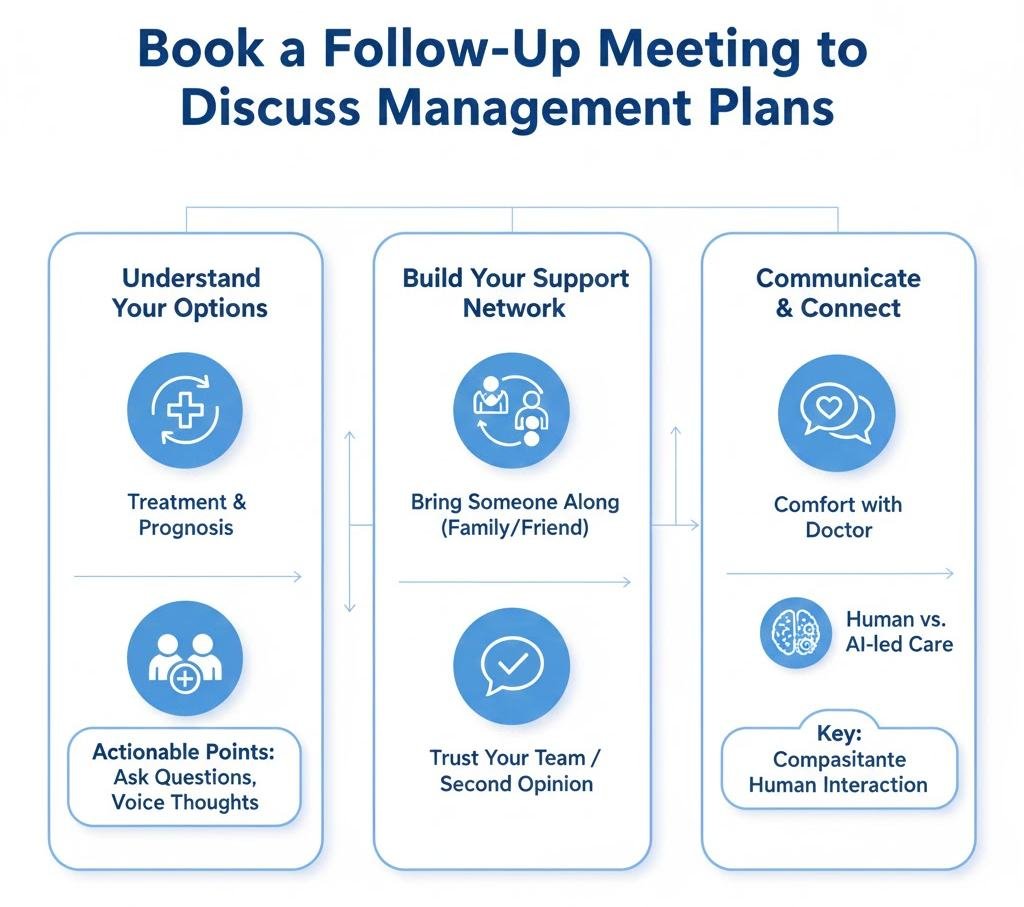
After the shock of the initial diagnosis, you can regain a semblance of normalcy by booking a follow-up consultation. It is a concrete step, giving your brain something to focus on and charting a clear way ahead.
In case of chronic illness, medical professionals are aware of the distress the patients undergo. Accordingly, they are unlikely to overload you with information during the initial discussion.
The follow-up meeting will give you an opportunity to:
- Understand your treatment or management options.
- Learn about the disease prognosis and how it will alter your everyday life.
- Be directed to specialists who can support you in dealing with the condition. These could be physical and mental health therapists, who are increasingly a part of holistic healthcare teams for chronic illnesses.
During these meetings, you should persevere to remain focused on actionable points. You can do this by asking questions (or reading them out from your notebook or phone) and not hesitating to voice your innermost thoughts. Some people benefit from taking a family member along; others take a colleague or a friend for support.
Now is also the time to ask yourself if you have confidence in your healthcare team or wish to seek a second opinion. Chronic illnesses warrant immediate and effective care, leaving no space for apprehension.
It is best to check in with yourself about whether you feel comfortable discussing your symptoms and concerns with the doctor. This self-assessment is even more crucial for those who are more used to virtual or AI-based interactions.
According to an insightful study published in Frontiers in Psychology, patients value interactions based on trust and respect for privacy. Despite the rise in AI-led therapy, most people still prefer a human doctor or a combination of human and AI input, placing standalone AI systems last.
It underscores the importance of compassionate human support in charting treatment plans for chronic health problems and promoting adherence.
3. Start Building Community-Based Support Systems
Many chronic diseases require ongoing care that extends beyond regular health checkups.
For example, managing Type 2 diabetes requires diet-based interventions to ensure adequate nutrition without spiking glucose levels abruptly. People with diabetes often find it beneficial to consult with a nutritionist who can help them build an easy-to-follow meal plan. The American Diabetes Association outlines the ‘Plate Method’:
- Eating half a plate of non-starchy vegetables
- Filling one-fourth with carbohydrate foods
- Using the remaining space for proteins
A nutritionist can come up with recipe ideas that follow these recommendations and are manageable for busy workdays.
Likewise, chronic cardiovascular conditions demand changes to your physical activity and harmful habits such as smoking. Cleveland Clinic recommends continued monitoring of medication and active surveillance of your body’s response to keep cardiac problems at bay.
Your local health centre or care facility can help you with nursing professionals to meet these requirements. Nowadays, a post-master’s NP program online can equip professionals to conduct comprehensive health appraisals of individuals throughout their lifespans.
Such online courses have made further education more accessible to passionate health professionals. Carson-Newman University notes that family nurse practitioners can also educate patients on developing and maintaining healthier lifestyles. They extend the necessary support you need to believe that chronic health issues needn’t end life as you know it.
Here are other community-based professionals who can help you live a fulfilling life, despite the diagnosis:
- Local yoga or wellness instructors
- Hobbyists
- Support group leaders
- Occupational therapists
- Career guidance counsellors
4. Pay Attention to Your Mental Health
Chronic illnesses frequently affect your mental health, causing distress and anxiety. The National Institute of Mental Health finds that people with chronic conditions face an elevated risk of developing depression. The reverse is also true: people who have depression face a higher probability of developing chronic diseases.
When you receive an adverse diagnosis, it can trigger extreme responses, including anxiety and panic attacks. Your risk will be higher if you already have a mental health condition. Some research studies have found that some somatic illnesses can produce panic-like symptoms, including palpitations and abdominal distress.
In some cases, these symptoms can worsen overall health and also reduce one’s mental endurance to handle the future. Therefore, it is imperative to keep tabs on your mental health in the wake of a chronic illness diagnosis.
Furthermore, some chronic diseases have been established to interfere with mental wellness. According to a 2023 study in Mental Health & Prevention, cholesterol and kidney disease, coronary heart disease, and asthma are associated with mental health problems.
A few connections are easy to form: stress and anxiety can elevate your blood pressure, worsening cardiac outcomes. Some scholars have found that poor dietary patterns promote chronic inflammation and can lead to congestive heart failure. Dietary habits tend to be suboptimal in people battling depression.
Safeguarding your mental health will be paramount to improving the outcomes of your overall treatment plans.
- Talk to your doctor about coping strategies, such as muscle relaxation exercises and focusing on your breathing. They may seem trite at first, but they can prove fruitful.
- Consider taking active steps to improve your mental health, such as practising mindfulness meditation or joining a yoga class. Your physical health may dictate your options, but there are still many to pick that will appeal to your unique sensibilities.
- Think about consulting with a therapist or psychologist if you find yourself facing continuous or prolonged anxiety. A professional can help you with advanced therapeutic options for coping, such as cognitive-behaviour therapy (CBT).
It is uncertain why chronic health issues are prevalent in the modern world. Some health practitioners attribute it to environmental and social factors. The US FDA also notes that many patients do not receive the best available treatments due to social disadvantages and a lack of available healthcare in their region.
Whatever the causes may be, there’s no denying that chronic diseases leave one feeling drained and hopeless. Their emotional and financial burdens are also immense, although gradual improvements in healthcare offer hope.
Unsurprisingly, receiving a diagnosis like that can shake anyone, no matter how resilient they are. The above strategies should help you regain some calm and navigate the upcoming months with vigour and promise. Having a team of loved ones and professionals in your corner can make the process much more manageable.
References
1. Centres for Disease Control and Prevention (CDC)
- Title: Chronic Diseases in America
- Topic: Prevalence and impact of chronic diseases among adults
- Year: 2023
- Publisher/Organisation: U.S. Department of Health & Human Services
2. National Cancer Institute (NCI)
- Title: Coping with Cancer: Feelings and Emotions
- Topic: Emotional responses to serious diagnoses and strategies for managing distress
- Year: 2024
- Publisher/Organisation: National Institutes of Health
3. American Diabetes Association (ADA)
- Title: The Diabetes Plate Method
- Topic: Nutrition and lifestyle guidelines for managing Type 2 diabetes
- Year: 2024
- Publisher/Organisation: American Diabetes Association
4. Cleveland Clinic
- Title: Heart Disease: Diagnosis, Management, and Long-Term Care
- Topic: Chronic cardiovascular care, medication monitoring, and lifestyle change
- Year: 2023
- Publisher/Organisation: Cleveland Clinic Heart, Vascular & Thoracic Institute
5. National Institute of Mental Health (NIMH)
- Title: Chronic Illness and Mental Health
- Topic: Relationship between chronic medical conditions, depression, and anxiety
- Year: 2024
- Publisher/Organisation: National Institutes of Health