

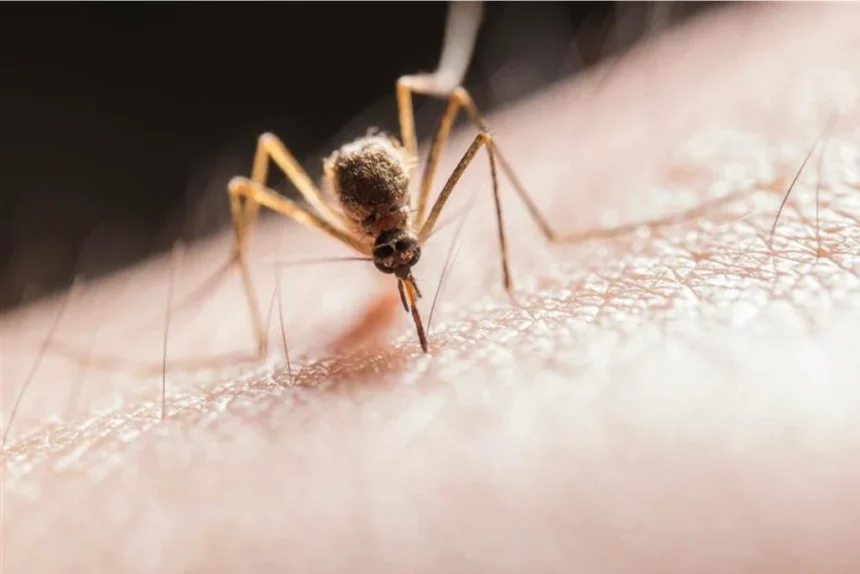
It’s natural to be concerned when you hear about pests in your home, especially insects that might bite. Termites, often silent destroyers of homes, understandably raise questions about their interaction with humans. While they are certainly unwelcome guests, and their presence indicates a serious issue for your property, the good news is that termites do not typically bite humans or pets. Their focus is entirely on cellulose, the material found in wood and plants, not on living beings. Understanding this can help ease your mind while you focus on addressing an infestation.
Termite’s World: What Drives Their Behavior
To understand why termites don’t bite us, it helps to look at their biology and primary instincts.
What Termites Eat and Why
- Cellulose is Key: Termites are detritivores, meaning they feed on dead organic matter. Their diet consists almost exclusively of cellulose, a complex carbohydrate found in wood, paper, fabric, and plant matter.
- Gut Microbes: Termites cannot digest cellulose on their own. They rely on specialized microorganisms (protozoa and bacteria) living in their gut to break down the cellulose into digestible nutrients.
- No Interest in Blood/Flesh: Unlike mosquitoes, fleas, or bed bugs, termites lack the mouthparts adapted for piercing skin or consuming blood. Their mandibles are designed for gnawing and chewing through tough plant fibers.
Termite Caste System and Roles
Termite colonies have a rigid social structure, with different castes having distinct roles.
| Termite Caste | Primary Role | Interaction with Humans |
| Workers | Foraging, building tunnels, feeding others | Chew wood, avoid humans |
| Soldiers | Colony defense (against ants) | Defend colony (rarely “bite” defensively, but not on humans) |
| Reproductives | Mating, laying eggs (Queens & Kings) | Hidden within colony, no human interaction |
Dr. Note: While a soldier termite could theoretically pinch skin if provoked, it’s incredibly rare, not harmful, and they have no interest in you as a food source. Their defense is against other insects, not large mammals.
Identifying Termite Presence (Not Bites)
Instead of looking for bites, focus on the actual signs of a termite infestation in your home.
What to Look For (Not on Your Skin)
- Mud Tunnels: Subterranean termites build narrow, pencil-sized mud tubes on walls, foundations, or wooden beams. These protect them from predators and dry air.
- Damaged Wood: Wood that sounds hollow when tapped, or has visible galleries (tunnels) within it.
- Frass (Droppings): Drywood termites leave behind small, pellet-like droppings, often resembling sawdust, near infested wood.
- Discarded Wings: After mating flights, reproductive termites (alates) shed their wings, often found near windowsills or light sources.
Common Misidentifications
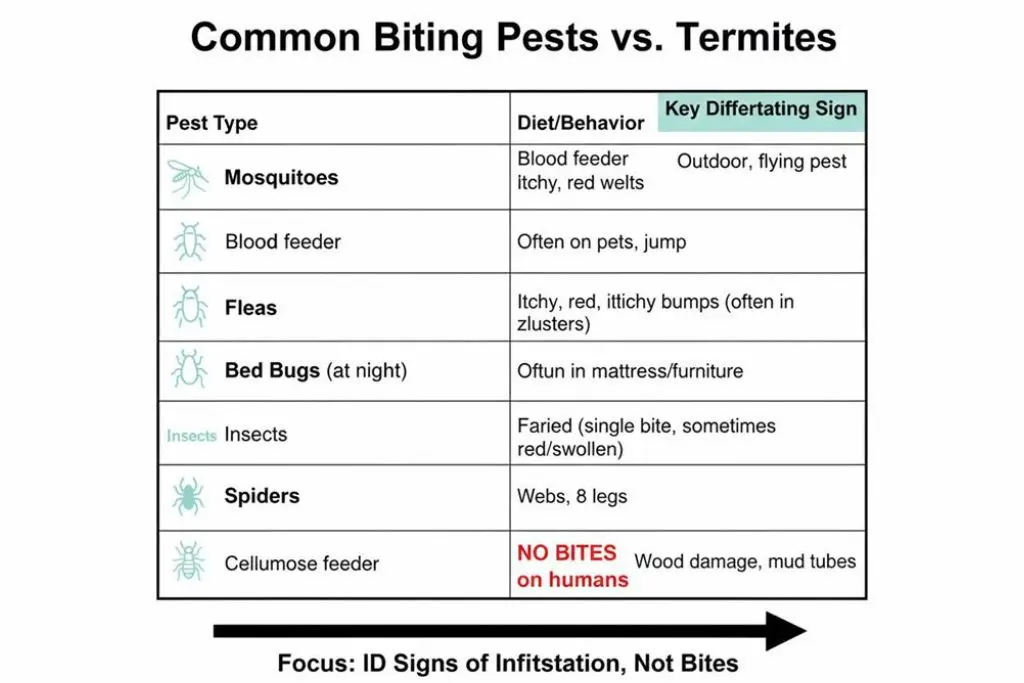
Many “bug bites” are often mistakenly attributed to termites. Here’s a quick comparison:
Protecting Your Home: Prevention is Key
Since termites pose a threat to your property, not your person, prevention focuses on safeguarding your structure.
Step-by-Step Prevention Strategy
- Reduce Moisture: Repair leaky pipes, ensure good drainage around your foundation, and maintain clear gutters. Termites thrive in damp conditions.
- Remove Wood-Soil Contact: Ensure no wood elements of your home (siding, door frames) are directly touching the soil. Create a barrier of at least 6 inches.
- Eliminate Food Sources: Keep firewood, lumber, and debris away from your foundation. Trim shrubs and trees so they don’t touch your house.
- Seal Entry Points: Caulk cracks in your foundation and around utility pipes.
- Regular Inspections: Periodically check your home’s foundation, crawl spaces, and exterior for mud tubes or damaged wood.
Lifestyle Tips for a Termite-Resistant Home
Small habits can make a big difference in deterring termites.
Top 3 Termite Deterrents (Focus on Environment)
| Environmental Factor | Action to Take | Impact on Termites |
| Excess Moisture | Fix leaks, improve ventilation | Makes wood soft and attractive |
| Wood Debris | Remove old stumps, unused wood | Primary food source, nesting sites |
| Ground Contact | Create clear barrier around home | Easy access to structural wood |
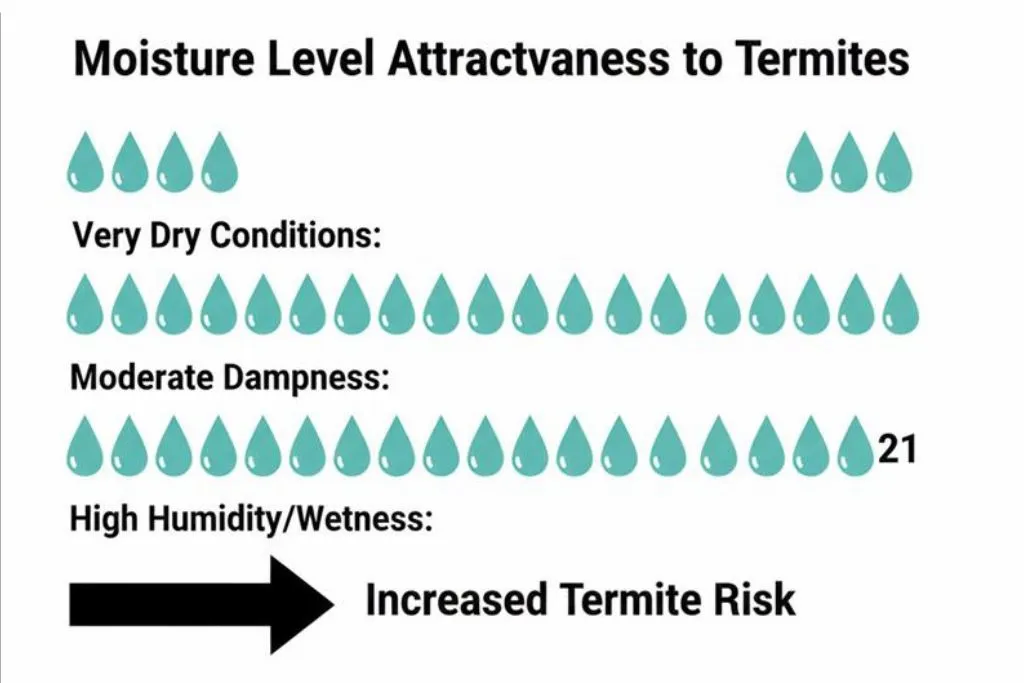
Risk Assessment: Moisture Levels
Areas with higher moisture are significantly more appealing to termites.
When to See a doctor
Regarding termites, seeing a doctor is typically not related to bites but rather for any unexplained skin reactions you might have attributed to them.
- Unexplained Skin Rashes or Bites: If you are experiencing persistent, itchy, or painful skin lesions and cannot identify the cause, consult a medical doctor or dermatologist. They can help identify the actual culprit, which is almost certainly not termites.
- Allergic Reactions (Rare): In extremely rare cases, dust from termite activity or their fecal matter could potentially trigger respiratory or skin allergies in highly sensitive individuals. If you develop unexplained allergy symptoms (asthma, hives) after discovering termites, discuss this with your doctor.
Improvement Timeline and Final Advice
Typical Improvement Timeline (Pest Control Related)
| Timeframe | Expected Outcome |
| Immediately After Treatment | Active termite foraging should cease. |
| 1-3 Months Post-Treatment | Colony elimination should be underway. |
| 6-12 Months Post-Treatment | Long-term monitoring and prevention strategies in place. |
| Annual Check-ups | Recommended for ongoing protection and peace of mind. |
Final Advice
Rest assured that your personal health is not directly threatened by termites through bites. Their sole focus is on consuming cellulose to sustain their colony. However, their presence indicates a significant threat to the structural integrity of your home. If you suspect a termite infestation, your immediate and most important action should be to contact a qualified pest control professional. Early detection and intervention are crucial to minimize damage and protect your most valuable asset.
Medical Disclaimer
This article is for informational purposes only and does not constitute medical advice. It addresses general concerns regarding termite interaction with humans. For any health-related concerns, especially regarding skin irritations or unexplained bites, please consult a qualified medical professional.
References
- National Pest Management Association (NPMA). Termite Facts.
- University of Florida Entomology and Nematology Department. Termite Biology and Control.
- Pest Management Professional journals and industry guidelines.