


Birth can be termed as a joyful occasion. However, for many families, it can also be a moment of trauma that leaves lasting consequences. Birth injuries are an unpleasant subject, but they affect thousands of parents. If complications occur during birth, the impacts are not necessarily short-lived. In some cases, they cause lifelong disability which changes the future of a child and the life of a family.
Understanding Birth Trauma and Disability
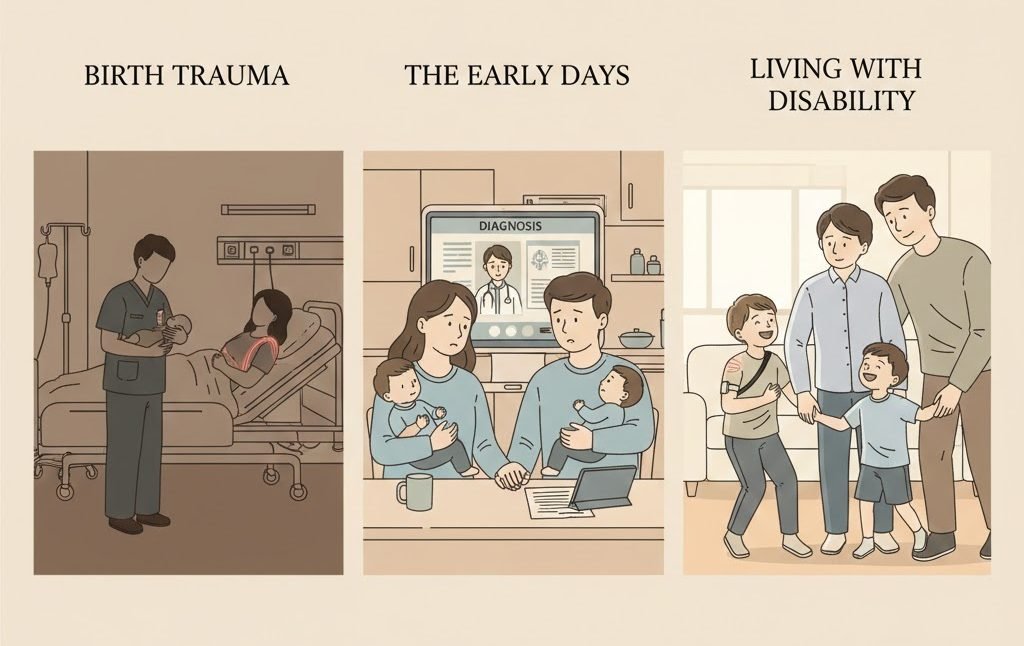
Birth trauma occurs when physical injury happens to a baby during delivery. Prolonged labour, delayed medical attention, or use of excessive force during a difficult birth can be the cause. One of the most severe consequences is nerve damage, especially when the baby’s shoulder gets stuck during birth.
These situations require both speed and experience. When mistakes are made, the consequences can be profound and the effects extend far beyond the hospital walls. Families often describe the early days after diagnosis as difficult. The fear and uncertainty converge as they try to make sense of strange medical terms.
What Is Erb’s Palsy
Erb’s palsy is one type of birth trauma that occurs when brachial plexus, a neural network that governs the movement and sensation in the arm sustains injury. A child with this condition might experience weakness, limited mobility, or paralysis of one arm. Some infants recover with time and physiotherapy, while others do not. To affected family members, diagnosis is the start of a long and unpredictable process. One that entails:
- Doctor visits
- Medication
- Physiotherapy
- In certain instances, surgery
Role of Maternal Care
Quality maternal care can prevent such injuries. Doctors should keep an eye on the mother in labor. Hospitals should impose strict protocols and hire enough staff members. Particularly in high-pressure maternity and child support units. The risk of birth injuries can be reduced with investments in staff training, simulation drills, and updated equipment.
Long-Term Impact
Parents of the injured baby experience significant emotional distress. They feel guilty and continually worry about the future of their child. Some families turn to litigation assistance, such as Erb’s palsy settlement. The compensation they get can fund therapy, medical equipment, and specialized care.
Financial assistance may ease some of the pressures but cannot replace loss of functionality. Nor can it fully eliminate the emotional distress. Social, educational, and emotional issues are other problems families have to cope with. This is where community awareness and support systems are significant. Local services, schools and therapists are vital in promoting inclusion and enabling the children to achieve their potential despite their physical constraints.
Addressing Broader Health Concerns
Discussions about birth trauma should be separated from unrelated fears that may cause a diversion from real problems. As an example, misinformed rhetoric on the subject of vaccines sometimes prevails in the popular debate, overshadowing the necessity of competent delivery procedures and improved maternal treatment.
Evidence-based maternal treatment and clear communication is important here. Only then will the parents trust the healthcare system and focus on the safety and well-being of their little one. Knowing about maternal health issues, families too will ask appropriate questions and make accurate decisions before, during, and after the delivery of a child.
Importance of Early Intervention and Rehabilitation
Early diagnosis and prompt intervention play a critical role in improving outcomes for children affected by birth trauma. Physiotherapy, occupational therapy, and regular medical assessments can help maximize mobility and reduce long term limitations.
Access to early intervention services also supports emotional well being for families, offering guidance, education, and reassurance during an uncertain time.
Strengthening Community and Support Systems
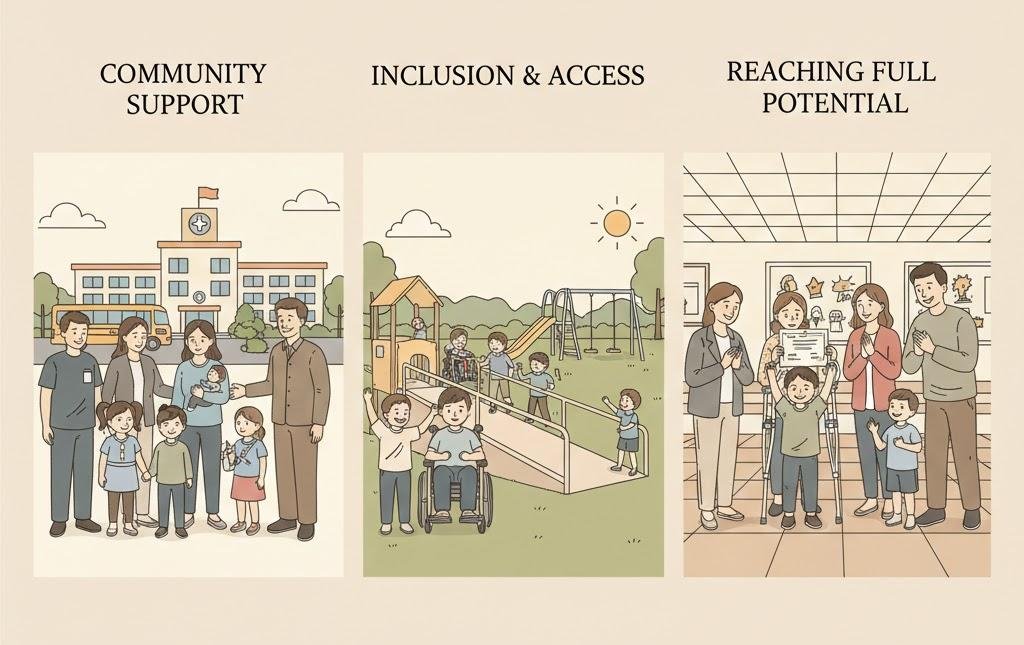
Community support is vital for families living with disability. Schools, therapists, local health services, and support groups help promote inclusion and independence for affected children.
By understanding and accessibility within communities, children with disabilities can participate more fully in social, educational, and recreational activities, allowing them to reach their full potential.
Policy and Healthcare Accountability
Improving maternal care requires accountability at institutional and policy levels. Healthcare systems must prioritize patient safety, enforce standards of care, and learn from preventable injuries.
Ongoing review of maternity practices, transparent reporting, and patient advocacy are essential to reducing the incidence of birth trauma and ensuring consistent quality of care.
Endnote
Every child deserves the best possible start in life, free from preventable injury. Achieving this requires continued investment in maternity care, accountability when standards fall short, and long term support for families affected by birth trauma.
Disability should not be treated as inevitable. Prioritizing safe childbirth protects mothers and babies and strengthens the health and resilience of our communities.
Disclaimer
This article is intended for informational and educational purposes only and does not constitute medical or legal advice. Readers should consult qualified healthcare professionals for medical concerns and licensed legal practitioners for legal guidance related to birth injuries or medical negligence.