

Before working in a hospital or clinic, many healthcare students struggle to gain real-world experience. It can be difficult to secure in-person opportunities such as shadowing, volunteering, and part-time work due to timing, geography, and competition. The way we obtain health care is changing. Students now have more opportunities to learn about care and support clinical workflows, thanks to the online nature of many support roles.
More and more students are interested in scribe jobs online, which let them work with doctors and patients from a distance. You can learn medical terms, how to write reports, and how to make clinical decisions in these jobs. Being adaptable may help kids who are successful at school obtain the experience they want.
Healthcare Access Got Better
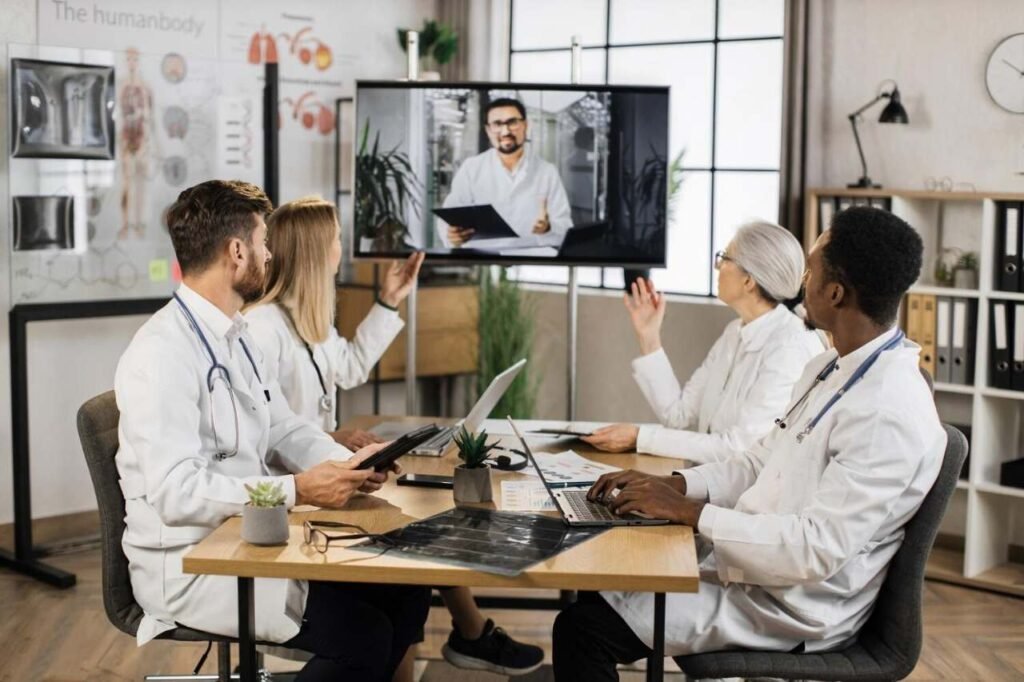
Students learn real-world difficulties in clinicals. They need experience to obtain work, but they may have to work long commutes, shifts, or unpaid hours. Remote healthcare support jobs make aid easier to locate. Students may discover it easier to juggle school, testing, and family with home-based careers. This ease goes beyond comfort. It can aid students who live far from large hospitals, have poor transportation, or must work rather than volunteer. Flexibility improves healthcare job fairness.
Learning the Language of Patient Care
Students learn healthcare clinically. Anatomy, physiology, and illness causes are covered in textbooks, but they don’t cover doctor visits, observation, or symptom documentation. Remote documentation jobs reveal processes. Students observe doctors asking questions, patients raising concerns, and creating assessments and treatment plans. Through time, we educate medical vocabulary, acronyms, and patient interactions. Such skills can make training, education, and clinical rotations less scary.
Setting Up Professional Discipline Early
Flexible healthcare responsibilities can help students develop valuable behaviors in clinical settings. To help with patient paperwork, you need to be accurate, pay attention, keep things private, and manage your time well. Students immediately realized that even entry-level jobs in healthcare require careful execution. This kind of responsibility can help you grow professionally. Students learn that details are important for charting, communicating, and coordinating workflow. They learn about rules for keeping patient information private and making sure that care continues. These courses are advantageous for people who want to work in healthcare and related fields.
Flexible Without Losing Meaning
Students worry that working from home won’t feel like a clinic. This fear is reasonable. However, its importance relies on your experience and competence. A well-organized, remote job can teach students about healthcare. Remote healthcare support may be the future. Modern medicine includes telehealth, digital records, and remote care teams. Students study these systems in the field. They explain healthcare to them.
Experience That Can Help You Decide What to Do Next
Flexible healthcare occupations can’t replace patient care, clinical experience, or training. They have distinct uses. They provide pupils a head start, teach genuine systems, and boost confidence before extra training. That’s crucial for students who wish to go beyond theory. Experience no longer begins with a schedule, location, and an unpaid opportunity. Students have more flexibility with remote instruction, but clinical work remains important. That can help many healthcare dreamers start their careers.
Building Digital Communication Skills
Remote healthcare roles also help students develop strong digital communication skills, which are increasingly important in modern clinical environments. Since much of the interaction in remote roles happens through electronic health record (EHR) systems, messaging platforms, and telehealth software, students learn how to communicate clearly and professionally without face-to-face interaction.
This type of communication requires clarity, professionalism, and accuracy. Students must learn how to document physician instructions correctly, flag urgent information, and maintain structured communication with healthcare teams. These skills are directly transferable to hospital environments where digital systems are now standard.
In addition, students become familiar with telehealth etiquette, such as maintaining professionalism during virtual consultations and understanding patient communication boundaries. As telemedicine continues to grow, this exposure becomes a significant advantage for future healthcare professionals.
Exposure to Healthcare Technology and Systems
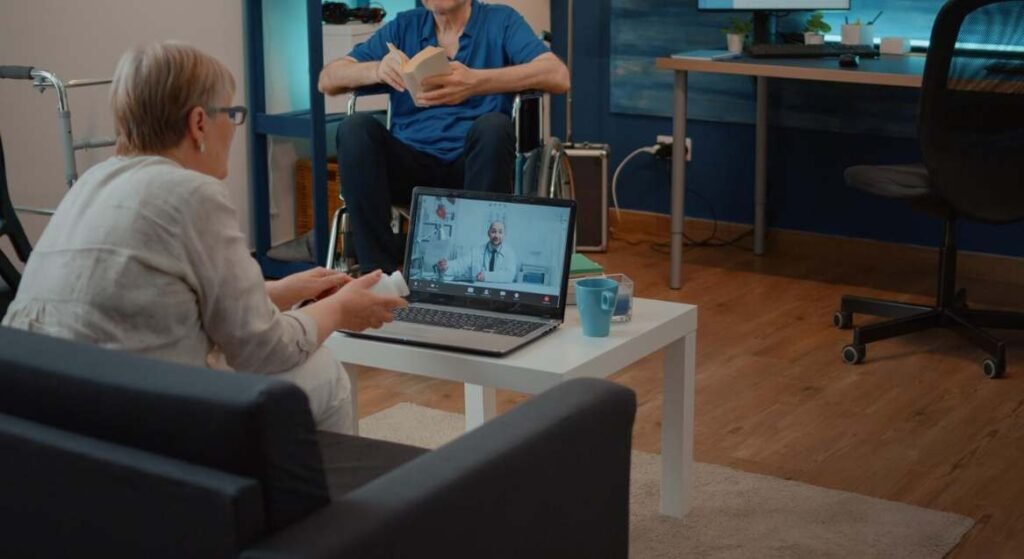
Another important benefit of flexible remote healthcare work is early exposure to healthcare technology. Students often gain hands-on experience with electronic medical records, scheduling systems, medical coding platforms, and telehealth software.
Understanding these systems early gives students a competitive edge. Many new healthcare graduates struggle initially with clinical software because their education focused mainly on theory. Students working in remote support roles often enter clinical environments already comfortable with documentation platforms and workflow systems.
This experience also improves technical confidence. Students learn troubleshooting basics, data accuracy practices, and system navigation, all of which are valuable in fast-paced healthcare settings. As healthcare becomes more technology-driven, familiarity with these tools becomes just as important as clinical knowledge.
Improving Confidence Before Clinical Placements
Starting clinical placements can be intimidating for many students. Remote healthcare roles can reduce this anxiety by providing early exposure to real patient cases and clinical discussions. Even if students are not directly involved in treatment decisions, observing workflows helps them understand expectations.
Confidence often comes from familiarity. Students who have already seen patient histories, treatment notes, and physician decision patterns may feel more prepared when entering clinical rotations. They understand the pace of healthcare environments and the importance of teamwork.
This early exposure also helps students confirm their career interests. Some may discover a passion for patient interaction, while others may become interested in healthcare administration, informatics, or documentation roles. This clarity can help guide future specialization decisions.
Final Conclusion
Flexible remote healthcare roles are not a replacement for direct clinical training, but they are becoming an important stepping stone for healthcare students. They provide early exposure to real healthcare environments, help students develop technical and professional skills, and make experience more accessible regardless of location or financial limitations.
As healthcare continues to adopt digital systems, telehealth services, and remote collaboration, these roles may become an essential part of early clinical preparation. Students who take advantage of these opportunities can build confidence, improve their understanding of healthcare workflows, and better prepare themselves for future clinical responsibilities.
Eventually, flexible remote healthcare work is helping bridge the gap between academic learning and practical experience. By giving students a practical introduction to healthcare systems, these opportunities are helping shape a more prepared, confident, and technologically skilled future healthcare workforce.
References
- Benda, N. C., Veinot, T. C., Sieck, C. J., & Ancker, J. S. (2020). Broadband internet access is a social determinant of health. DOI: 10.1093/jamiaopen/ooaa078
- Waseh, S., & Dicker, A. P. (2019). Telemedicine training in undergraduate medical education. DOI: 10.1007/s40670-019-00739-9
- Gajarawala, S. N., & Pelkowski, J. N. (2021). Telehealth benefits and barriers. DOI: 10.7759/cureus. 15243
- Shachak, A., & Reis, S. (2009). The impact of electronic medical records on patient–doctor communication. DOI: 10.1197/jamia.M2852