


Bronchitis is an inflammation of the airways in your lungs, usually caused by viral infections or exposure to irritants like smoke and dust. It has two main types: acute and chronic. Acute bronchitis develops suddenly and typically lasts a few days to a few weeks, while chronic bronchitis is a long-term condition that requires ongoing management rather than complete healing. That said, even though acute bronchitis might seem like a minor illness compared to chronic bronchitis, it shouldn’t be ignored. If left untreated, it can lead to complications such as pneumonia, persistent cough, or worsening lung function, all of which can be uncomfortable and disruptive to daily life.
Knowing how to support your body during and after a bout of bronchitis can make a big difference in recovery. Proper care helps reduce the severity and duration of symptoms and lowers the risk of complications. In this article, we’ll share practical ways to help your body recover faster from bronchitis so you can get back to your normal routine with less discomfort and stress.
1. Use a Nebulizer for Easier Breathing
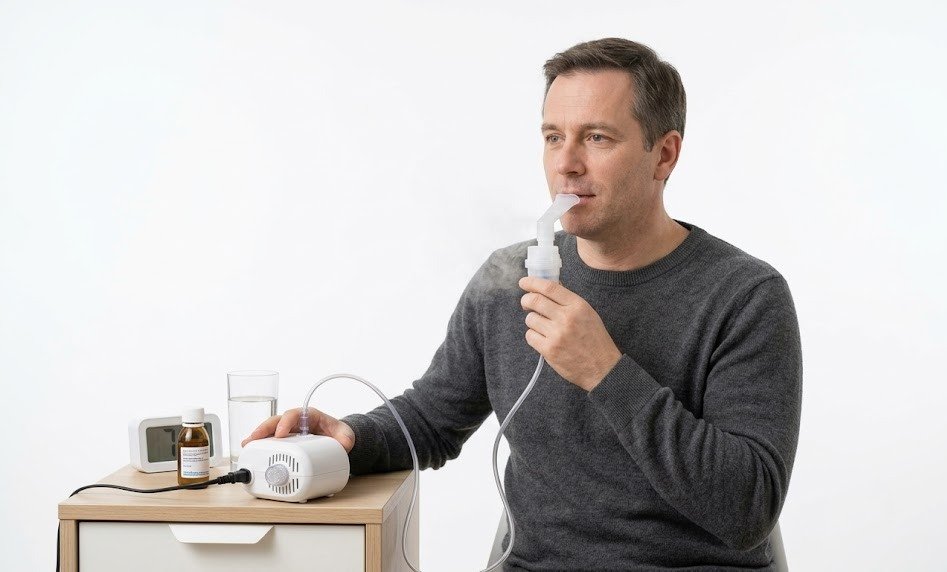
Nebulizers are devices that turn liquid medication into a fine mist that you inhale directly into your lungs. For people with acute bronchitis, they can deliver medicines that open the airways or reduce inflammation, making it easier to breathe and loosening mucus that causes persistent coughing. Having a nebulizer kit at home can be especially helpful, as it allows you to use the device whenever needed, ensuring your lungs get the support they need throughout the day.
Using a nebulizer as directed by your doctor can reduce the severity of bronchitis symptoms and help your airways clear more efficiently, allowing your body to heal faster without adding extra strain on your lungs. In turn, this can help shorten recovery time and lower the risk of complications, such as pneumonia or prolonged chest congestion.
2. Stay Well-Hydrated
Drinking enough fluids thins mucus, making it easier to cough up and clear your airways. Water, herbal teas, and clear broths are ideal choices, while it’s best to avoid sugary or caffeinated drinks, as these are not as hydrating and may slow the healing process. Staying hydrated also helps maintain energy, which is crucial as your body works to fight the infection and repair your lungs.
Keeping a water bottle nearby and sipping throughout the day can reduce throat irritation and keep your airways moist, helping you feel more comfortable. You can also set reminders to drink regularly, especially if you tend to forget, to ensure consistent hydration throughout the day.
3. Get Plenty of Rest
Rest allows your body to focus on fighting the infection and repairing lung tissue. Make sure you get enough sleep and downtime to help lower inflammation, conserve energy, and prevent your symptoms from worsening. Creating a calm and comfortable environment, such as dimming lights and avoiding screens before bed, can further improve the quality of your rest.
Even light daily activities should be balanced with rest to avoid overexertion. Prioritizing sleep and relaxation can make a noticeable difference in how quickly you recover and how much energy you have for resuming your normal routine.
4. Use a Humidifier or Inhale Steam
Moist air helps soothe inflamed airways and loosen mucus that can trigger coughing. Using a humidifier at home or even just inhaling steam from a bowl of hot water can relieve chest tightness and make breathing more comfortable. Adding a few drops of eucalyptus or menthol oil to the steam can also help clear nasal passages and make breathing feel easier.
Consistent use of a clean humidifier or regular steam sessions keeps the airways from drying out, reduces irritation, and supports your body’s natural recovery process. This simple approach can make rest easier and your overall healing faster.
5. Avoid Smoke, Pollution, and Other Airway Irritants
Cigarette smoke, strong odors, dust, and polluted air can irritate already sensitive airways and worsen bronchitis-induced coughing. Limiting exposure to these triggers allows your lungs to heal more efficiently. Even small changes, like improving ventilation at home or using an air purifier, can make a noticeable difference in air quality and comfort.
You can also take simple precautions such as staying indoors on polluted days, avoiding smoky areas, or wearing a mask in dusty environments. Protecting your airways not only helps reduce discomfort but also lowers the risk of complications and speeds up recovery.
6. Practice Gentle Breathing Exercises
Breathing exercises, like deep diaphragmatic breathing, encourage full lung expansion and help move mucus out of the airways. They also strengthen respiratory muscles and improve oxygen flow, which supports the body’s healing. Practicing these exercises in a quiet environment where you can focus on slow, controlled breaths can maximize their effectiveness.
Short, daily sessions can ease shortness of breath and help clear mucus more effectively. Consistent practice supports faster lung recovery and can prevent lingering discomfort after the infection begins to clear.
7. Take Over-the-Counter Remedies When Needed
Over-the-counter medications, such as acetaminophen or ibuprofen, can help relieve fever and body aches that often accompany bronchitis. In addition, cough syrups or lozenges can soothe the airways and make it easier to rest comfortably.
At the same time, it’s important to follow your doctor’s instructions if you are prescribed medicines like antibiotics or bronchodilators. Proper medical care ensures symptoms are controlled, prevents complications, and helps keep your recovery on track.
Helping Your Body Heal Faster

Bronchitis can be bothersome and uncomfortable, but with the right care, your body can heal more quickly and effectively. The next time you notice bronchitis symptoms coming on, follow these tips to give your lungs the support they need. Of course, don’t hesitate to consult a healthcare professional if symptoms persist or worsen, so you can receive proper guidance and care for your specific situation.
Final Conclusion
Recovering from bronchitis is a process that involves supporting your lungs, managing symptoms, and protecting your airways from further irritation. By combining proper rest, hydration, airway support through nebulizers or humidifiers, gentle breathing exercises, and avoiding irritants, you give your body the best chance to heal efficiently. Over-the-counter remedies can provide additional relief, but professional guidance is essential if symptoms persist. Following these strategies can reduce recovery time, prevent complications, and help you return to your normal activities with greater comfort and confidence.
Disclaimer
This article is for informational purposes only and does not replace professional medical advice. If you experience severe or persistent bronchitis symptoms or if you have underlying health conditions, consult a licensed healthcare provider. Treatment and recovery strategies may vary depending on individual circumstances.
References
- Centers for Disease Control and Prevention (CDC). (2022). Bronchitis: What You Need to Know.
- Mayo Clinic. (2023). Acute Bronchitis: Symptoms and Causes.
- Global Initiative for Chronic Obstructive Lung Disease (GOLD). (2021). Chronic Bronchitis Management Guidelines.
- American Lung Association. (2022). Bronchitis and Lung Health.
- Hartmann, C., et al. (2019). Hydration and Respiratory Health: Supporting Recovery from Bronchitis. Respiratory Medicine Journal, 153, 45–52.
- McCracken, J., & Allen, R. (2020). Nebulizer Therapy in Acute Bronchitis: Clinical Evidence. Journal of Pulmonary Care, 26(4), 211–218.
- Johnson, M., & Smith, L. (2018). Humidifiers, Steam Inhalation, and Airway Recovery. Respiratory Therapy Review, 23(2), 98–105.
- Patel, R., & Kumar, S. (2021). Avoiding Irritants to Promote Lung Healing. International Journal of Respiratory Health, 35(1), 55–62.
- Lee, H., & Thompson, P. (2017). Breathing Exercises in Bronchial Recovery. Journal of Clinical Respiratory Practice, 12(3), 140–148.
- Brown, A., & Miller, T. (2019). Over-the-Counter Remedies in Bronchitis Symptom Management. Primary Care Respiratory Journal, 28(2), 77–85.