

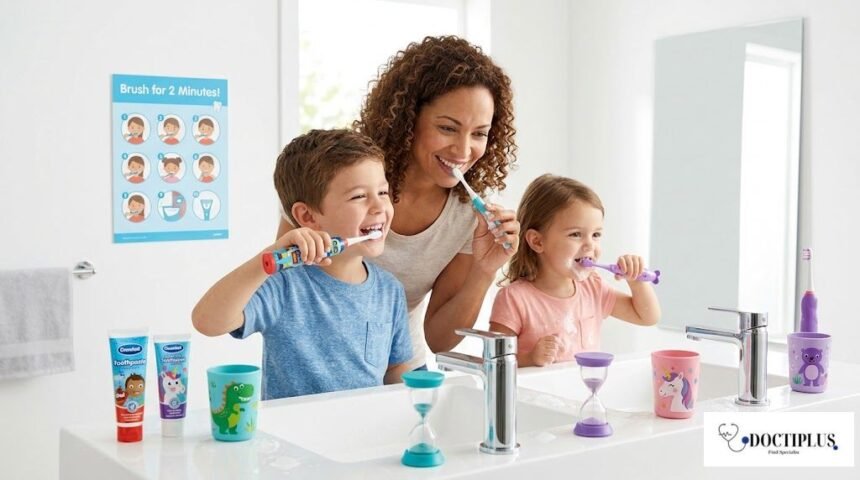
Tooth decay remains the most common chronic disease in children, affecting more than 40 percent of kids aged 2 to 11, according to the American Dental Association. Yet children who develop positive brushing habits before age three are significantly less likely to experience cavities in their permanent teeth. This guide covers everything parents need to know about making brushing both effective and enjoyable, from age-specific techniques and product choices to handling resistance and building routines that last.
Why Early Teeth Cleaning Matters for Children
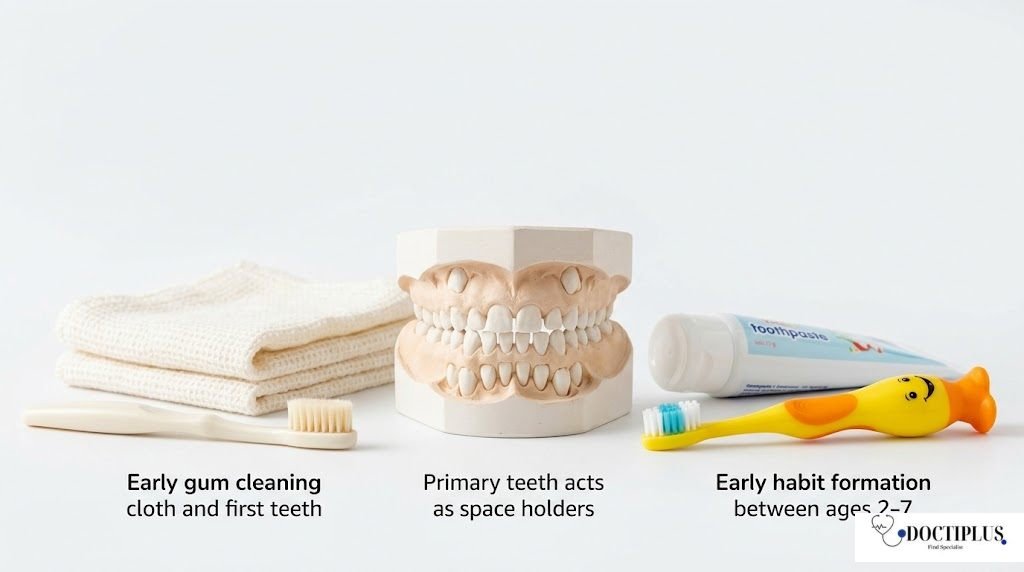
The window for building dental habits opens earlier than most parents expect. The American Academy of Pediatric Dentistry recommends cleaning an infant’s gums with a soft cloth after feedings, even before the first tooth appears. This early step introduces the concept of oral care and prepares the mouth for healthy tooth development.
Primary teeth act as natural space holders for permanent teeth, which is why routine dental exams for kids are so important for early monitoring and prevention. When decay destroys a baby tooth too early, surrounding teeth can shift, leading to crowding that may require orthodontic treatment later. Research shows that children who lose primary teeth to decay are up to three times more likely to need extensive orthodontic work during adolescence.
Children’s brains are highly adaptable between ages 2 and 7, meaning habits formed during this period require less conscious effort to maintain throughout life. A child who views brushing as a normal part of their day will carry that routine into adulthood with less parental reminding. The emotional benefits are equally important. Kids who grow up with gentle, consistent oral care tend to view dental visits as routine check-ups rather than sources of fear.
Best Teeth Cleaning Techniques for Kids by Age
Toddlers and Preschoolers (Ages 2 to 4)
Young children lack the dexterity for advanced brushing methods. The practical approach is to hold the toothbrush perpendicular to the teeth and use gentle back-and-forth motions. Focus on systematic coverage of all surfaces: chewing surfaces, cheek side, and tongue side. Parents should do the brushing themselves during this phase, allowing the child to hold the brush briefly for familiarity.
Early School Age (Ages 5 to 7)
Children can begin brushing on their own with parental supervision and follow-up cleaning. Introduce the modified Bass technique gradually, where the brush is angled at 45 degrees to the gum line with small circular motions. This is also the age when flossing should become part of the routine, particularly for teeth that touch. Floss picks designed for small hands work better than traditional floss.
Independent Brushers (Ages 8 and Above)
Most children have sufficient motor skills for independent brushing by this age. Periodic spot checks help maintain quality. The NHS recommends parents continue supervising brushing until age 7 or 8, with occasional checks beyond that.
Quick Reference: Brushing Guidelines by Age
| Age Group | Toothpaste Amount | Brush Type | Supervision | Flossing |
| Under 1 | None (soft cloth) | Finger brush or cloth | Full parental care | Not needed |
| 1 to 3 | Rice grain size, fluoride | Soft manual brush | Full parental care | Not needed |
| 3 to 6 | Pea sized, fluoride | Manual or electric | Parent brushes, child watches | Begin with floss picks |
| 6 to 8 | Pea sized, fluoride | Manual or electric | Child brushes, parent checks | Daily with floss picks or regular floss |
| 8 and above | Standard amount | Electric recommended | Independent with spot checks | Daily |
How to Make Teeth Cleaning Fun and Motivate Children
Turning brushing into an enjoyable activity makes a bigger difference than any product or technique. Here are proven strategies that work across different age groups and personality types.
- Play a two-minute song. Let the child choose a favourite track and brush for the full duration. Music makes time pass faster and builds a consistent habit.
- Use a brushing chart. Sticker charts where children earn a reward after a full week of brushing work well for ages 3 to 7. Visual progress keeps motivation high.
- Brush together as a family. Children naturally copy what parents do. Brushing at the same time models good behaviour and removes the feeling of brushing being a chore that only kids have to do.
- Give them choices. Letting children pick their toothbrush colour, toothpaste flavour, or the order of steps increases cooperation significantly.
- Try character toothbrushes or brushing apps. Many apps include timers, games, and animations that guide children through proper technique while keeping them entertained.
Handling Resistance
When a child refuses to brush, forcing the issue usually backfires. Instead, look for the underlying cause. A child who complains about taste may need a different toothpaste flavour. One who resists the physical sensation might benefit from a softer brush. Children who fight the routine itself often respond to having more control over the process. The Cleveland Clinicrecommends keeping the experience positive and never using dental visits as a threat.
Common Mistakes Parents Make With Children’s Brushing
- Rushing through brushing. Children who brush for less than 90 seconds consistently develop cavities in predictable locations, especially the back molars.
- Focusing only on the front teeth. Back molars are where decay develops most often. Systematic brushing that covers all surfaces needs to be taught and reinforced.
- Using too much pressure. Aggressive brushing damages enamel and irritates gums. Teach the soft scrub concept: firm enough to clean, gentle enough to avoid discomfort.
- Skipping evening brushing. Saliva production drops overnight, making the mouth more vulnerable to bacteria. The bedtime brush is the most important one of the day.
- Stopping supervision too early. Most children need parental oversight until age 7 or 8 to ensure all surfaces are cleaned properly.
Warning Signs of Poor Oral Hygiene in Children
Catching problems early prevents more serious issues. The table below outlines common indicators that a child’s brushing routine may need attention.
| Warning Sign | What It May Indicate | Recommended Action |
| Persistent bad breath throughout the day | Bacterial overgrowth or missed areas during brushing | Review brushing technique and coverage |
| White or brown spots on teeth | Early signs of enamel decay | Schedule a dental visit promptly |
| Red, swollen, or bleeding gums | Gum irritation from poor cleaning or aggressive brushing | Adjust pressure and check brush softness |
| Avoiding cold or sweet foods | Tooth sensitivity or early decay | Consult a paediatric dentist |
| Visible plaque along the gum line | Inadequate brushing duration or missed areas | Supervise and guide brushing sessions |
Recommended Daily Brushing Routine for Kids
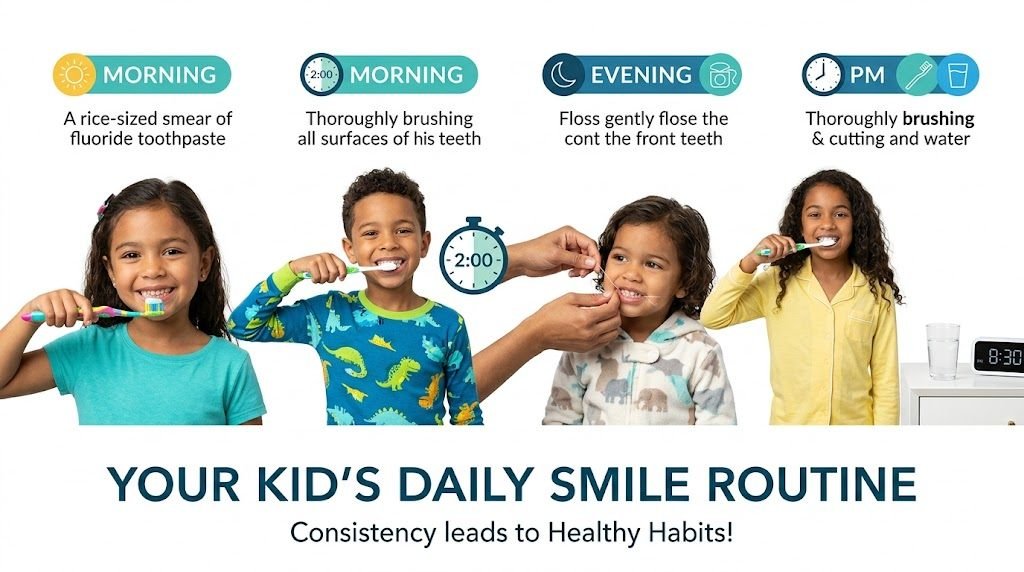
A consistent structure makes brushing predictable and easier for both parents and children. Here is a practical daily framework.
Morning Routine (After Breakfast)
- Apply the correct amount of fluoride toothpaste for the child’s age.
- Brush all surfaces (chewing, cheek side, tongue side) for a full two minutes.
- Spit out excess toothpaste, but avoid rinsing with water to let fluoride remain on teeth.
Evening Routine (Before Bed)
- Floss between teeth that touch (parent-assisted for younger children).
- Brush all surfaces thoroughly for two minutes.
- No food or drinks (except water) after the evening brush.
The Mayo Clinic emphasises that consistency matters more than perfection during the learning phase. A child who brushes adequately twice daily achieves better outcomes than one who brushes perfectly but inconsistently.
Conclusion
Teaching your child to brush properly is one of the most impactful health habits you can build during their early years. Start early, keep the experience positive, and focus on building a routine rather than chasing perfect technique. Use age-appropriate tools and toothpaste, make brushing fun with songs and charts, and stay involved with supervision until they are ready to take over independently. Pair good home care with regular dental check-ups to catch issues early and reinforce healthy habits. The effort you invest now saves your child from pain, anxiety, and costly dental treatments later in life.
Disclaimer
This article is for informational and educational purposes only. It does not replace professional dental advice, diagnosis, or treatment. Always consult a qualified paediatric dentist or healthcare provider for guidance specific to your child’s oral health needs. Product recommendations are general and should be discussed with your dental professional before use.