


It can be both exciting and slightly overwhelming to step into a specialized food market, especially when seeking authentic ingredients for African cuisine. Many of our patients and readers share this experience, they want to recreate delicious, traditional meals but aren’t sure where to start or how to identify the right ingredients. This guide is designed to help you confidently locate these invaluable local gems and understand the essential staples they offer, turning a simple shopping trip into a rewarding culinary exploration.
Locating Your Resource: How to Find the Store
Finding a specialty market requires a methodical approach, often moving beyond simple online searches. We recommend a few reliable strategies to ensure you connect with the best available local resource.
Online Search Techniques
To maximize the relevance of your search, use varied terminology. Remember that store names may focus on a specific regional cuisine.
- Broad: African grocery store near me or Afro-Caribbean market
- Specific: West African food store (e.g., Nigerian, Ghanaian) or East African spices (e.g., Ethiopian, Eritrean)
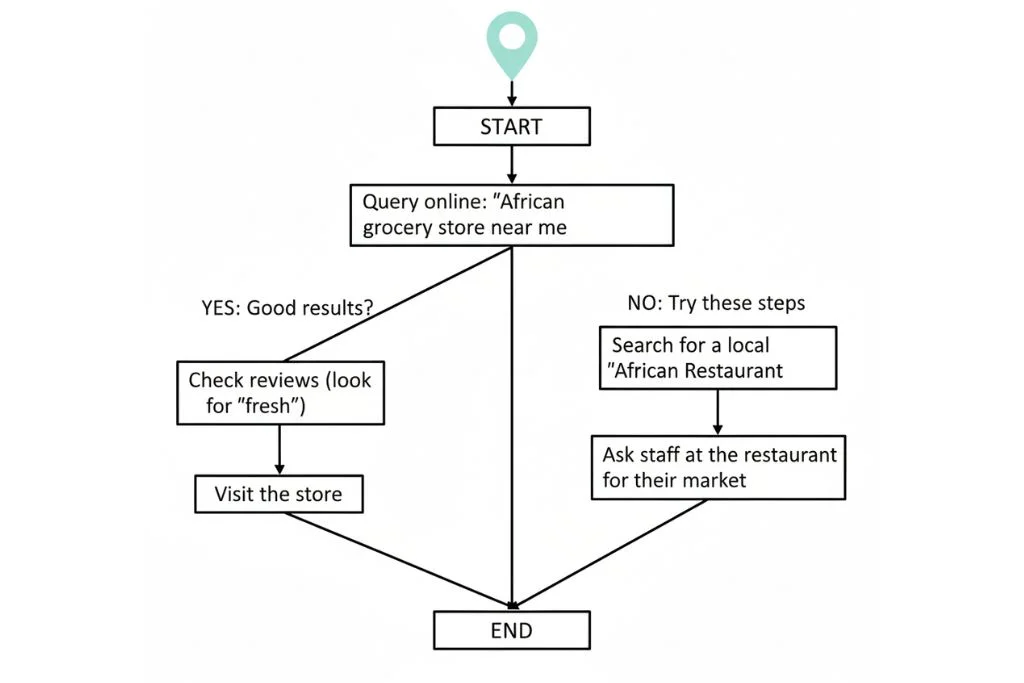
- Verification: Always check recent reviews. Look for comments that mention fresh produce and friendly staff.
Community and Local Guidance
Often, the best recommendations come from word-of-mouth within the local community.
- Ask for Guidance: Inquire at local African restaurants or cultural centers. They are often the most reliable source for the freshest and most comprehensive markets.
- Social Media Groups: Search for local food or expat groups on social platforms. These communities are often quick to share recent experiences and new discoveries.
Practical Guide: Finding the Store
This simple flow chart helps visualize the most effective search path:
Essential Pantry Staples: Ingredients to Look For
Specialty markets offer a treasure trove of ingredients often impossible to find in standard supermarkets. Understanding the most common staples will give you a clear shopping plan.
Produce and Root Vegetables
The core of many African dishes relies on specific, starchy root vegetables. Freshness is key for these items.
| Ingredient | Common Use | Shopping Tip |
| Yam | Fufu, boiled/fried yam | Look for firm skin, no soft spots. |
| Cassava | Garri, fufu, tapioca | Check for waxy, smooth skin. |
| Plantain | Fried (Dodo), boiled | Green (starchy) for savory dishes; Yellow/Black (sweet) for dessert. |
| Okra | Soups and stews | Should be bright green and firm to the touch. |
Grains and Flours
These markets are the primary source for regional flours and meal bases.
- Garri/Eba: Fermented, dried cassava granules used to make a dough. Comes in yellow (palm oil added) or white varieties.
- Fufu Flour: Various starches (plantain, yam, cassava) milled into a powder for quick preparation of the traditional starchy accompaniment.
- Millet/Sorghum: Used in porridges, beverages (like Hausa Koko), and flatbreads in various regions.
Oils and Seasonings
The flavor profile of African cuisine is built on specific oils and aromatic seasonings.
| Oil | Flavor & Use |
| Palm Oil (Red Oil) | Distinct earthy flavor, deep red color. Essential for Jollof Rice, stews. |
| Groundnut Oil | Versatile, nutty flavor. Used in grilling and general cooking. |
| Suya Spice (Yaji) | A fiery dry rub made from ground peanuts, chili, ginger, and other spices. |
| Iru/Dawadawa | Fermented locus bean/soybean. Adds a deep, umami funk to stews (soups). |
Practical Advice: Maximizing Your Visit
A specialty grocery store is more than just a place to buy food; it’s a cultural center. Engage with it intentionally to improve your culinary knowledge.
1. Do Your Homework (Meal Planning)
Before your visit, decide on 1–2 specific dishes you want to cook (e.g., Jollof Rice, Egusi Soup). This focuses your shopping list and prevents impulse buys of unfamiliar items.
2. Connect with the Staff
The staff are often experts in regional cuisines. Do not hesitate to ask:
Example: “I’m trying to make a traditional Nigerian Egusi soup. Which kind of dried fish is best for flavor, and where do you keep the bitter leaf?”
3. Understand the Product Mix (Storage)
Be aware that the mix of products is different. Dried items (fish, spices) and frozen items (shaki, ponmo, pre-cut vegetables) are often in high demand, so know where the freezer section is located.
Stock Availability: A Typical Market Comparison
Understanding the difference in stock between a standard supermarket and a specialty market highlights their unique value.
| Item Category | Standard Supermarket Stock | Specialty African Market Stock |
| Root Vegetables | Potatoes, Carrots | Yam, Cassava, Cocoyam, Taro |
| Oils | Vegetable, Olive, Canola | Palm Oil, Groundnut Oil |
| Frozen Meat Cuts | Chicken Breast, Ground Beef | Goat Meat, Oxtail, Tripe (Shaki) |
| Spices | Curry Powder, Cumin | Suya Spice, Cameroon Pepper, Iru |
When to Ask for Help (Expert Consultation)
While this is a culinary journey, sometimes you need specialized help to achieve the best results.
- If you are attempting a complex dish for the first time: Consult a local chef or experienced home cook before buying expensive ingredients you might misuse.
- If you have an allergy concern: Always ask the store staff for ingredients lists on pre-packaged or bulk items (e.g., flours, spice mixes) to ensure there are no cross-contamination or hidden allergens (like peanuts).
Improvement Timeline (Culinary Confidence)
Developing comfort in a specialty market is a gradual process. Use this timeline to gauge your progress.
| Timeframe | Focus/Goal | Expected Outcome |
| Week 1-2 (Initiation) | Locate the store, buy 3 essential non-perishables (Rice, Palm Oil, Spice). | Cook one simple dish, like a side of fried plantain. |
| Month 1 (Exploration) | Buy 2 perishable items (Yam, Greens), attempt one complex soup or stew. | Feel comfortable asking staff questions, know where 70% of staples are located. |
| Month 3+ (Mastery) | No longer need a shopping list for core items, experiment with regional variations. | Shopping becomes routine and efficient; you are recommending the store to others. |
Final Advice
Approach your local African grocery store with curiosity and respect. These businesses are often owned by members of the community and serve as vital hubs for culture and traditional cooking. Your patronage not only provides you with unique, high-quality ingredients but also directly supports local entrepreneurs. Treat the staff as knowledgeable resources, and your culinary adventures will be deeply enriched.
Medical Disclaimer
The advice provided in this article is for informational and educational purposes only regarding culinary and shopping practices. This article does not contain medical advice, diagnosis, or treatment recommendations. Always consult a qualified healthcare provider for any questions regarding your health or medical condition, including food allergies or dietary restrictions.
References
- Local Business Listings and Customer Reviews (for locating specialty markets)
- The Encyclopedia of African Food and Nutrition – Sefa-Dedeh, Samuel. (General ingredient and use knowledge)
- Personal and Professional Experience advising home cooks on cultural ingredient sourcing.
- Online Community Forums focused on African Cuisine and Cooking.