

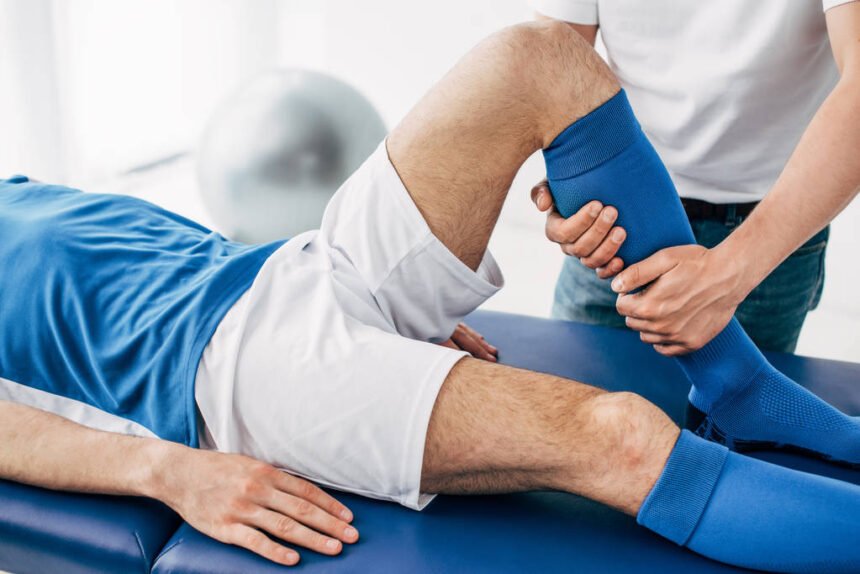
Sports and physical activities bring energy, discipline, and excitement into life. Whether you’re a professional athlete, a weekend player, or someone who enjoys staying active for fitness, movement is a powerful way to maintain health. But along with the benefits comes the risk of injury. From minor sprains to more serious muscle tears, sports injuries can interrupt progress, cause discomfort, and even lead to long-term issues if not handled properly.
The good news is that many common sports injuries are preventable. With the right preparation, awareness, and habits, you can significantly reduce the chances of getting hurt. Understanding how injuries happen and taking early precautions can help you stay active, confident, and consistent in your favorite activities.
Understanding Why Sports Injuries Happen
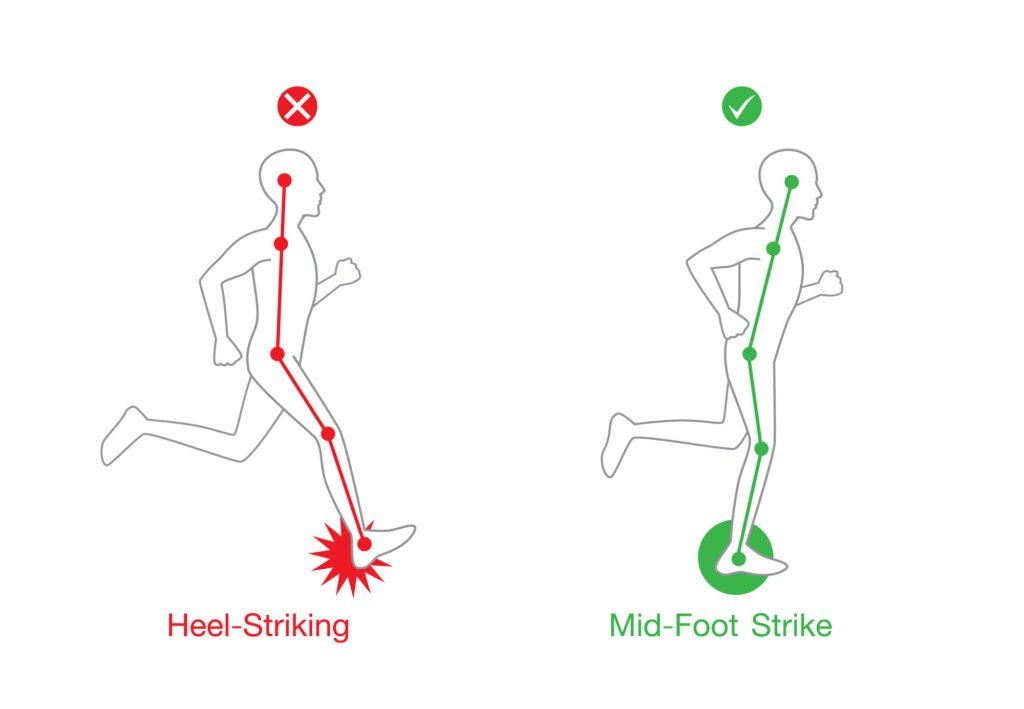
Most sports injuries occur due to overuse, poor technique, lack of preparation, or sudden impact. When the body is pushed beyond its limits without proper conditioning, it becomes more vulnerable. Even experienced athletes are at risk if they ignore early warning signs like stiffness, soreness, or fatigue.
Some common causes include:
- Skipping warm-ups or cool-downs
- Using incorrect posture or technique
- Training too hard without rest
- Wearing improper footwear or gear
- Weak muscles and poor flexibility
Recognizing these risk factors is the first step toward prevention.
Most Common Types of Sports Injuries
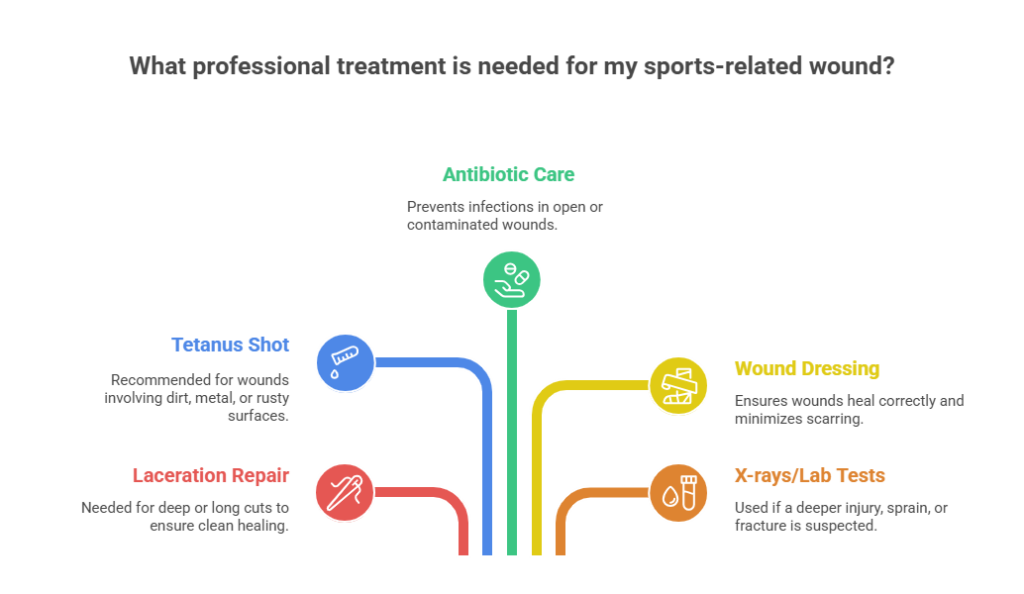
While every sport carries its own risks, certain injuries appear across multiple activities.
Sprains and Strains
Sprains involve stretched or torn ligaments, while strains affect muscles or tendons. These injuries often happen when a joint is twisted suddenly or when muscles are overworked.
Knee Injuries
The knee takes on a lot of pressure in running, jumping, and pivoting movements. Sudden changes in direction can lead to ligament injuries or cartilage damage.
Shoulder Injuries
Sports that involve throwing, lifting, or repetitive arm movement can strain the shoulder joint. Over time, this may lead to inflammation or reduced mobility.
Shin Splints
Runners and athletes who train on hard surfaces often experience pain along the shin bone due to overuse.
Fractures and Dislocations
High-impact sports sometimes lead to broken bones or joints being forced out of place. While less common, these injuries require immediate attention.
Importance of Proper Warm-Ups
One of the simplest and most effective ways to prevent injuries is warming up before activity. A proper warm-up prepares muscles, increases blood flow, and improves flexibility.
Instead of jumping straight into intense exercise, spend 10–15 minutes doing light movements such as jogging, stretching, or mobility drills. This helps the body transition gradually and reduces the risk of muscle tears or joint strain.
Athletes who skip warm-ups often notice stiffness and reduced performance. Over time, this increases the likelihood of injury.
Strength Training for Injury Prevention
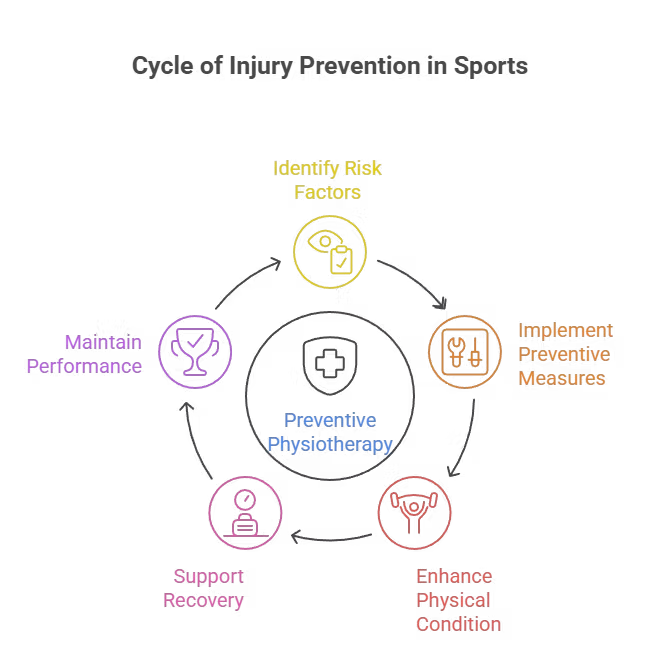
Strong muscles support joints and help absorb impact during movement. Weak muscles, on the other hand, place more stress on ligaments and bones.
Incorporating strength exercises into your routine can protect areas that are most prone to injury, such as the knees, back, and shoulders. Focus on balanced training that targets all major muscle groups, not just the ones used most often in your sport.
For example:
- Strengthening the core improves stability and balance
- Leg exercises protect the knees and ankles
- Shoulder strengthening helps prevent strain in upper body activities
When muscles are well-conditioned, the body can handle stress more efficiently.
Flexibility and Mobility Matter
Tight muscles limit movement and increase the chances of strains. Stretching regularly keeps muscles flexible and helps maintain a full range of motion.
Dynamic stretching before workouts prepares the body for action, while gentle stretching afterward helps muscles recover. Activities like yoga can also improve balance and flexibility, reducing injury risk in the long run.
Listening to Your Body
One of the biggest mistakes athletes make is ignoring pain. Discomfort is often a signal that something isn’t right. Pushing through pain can turn a minor issue into a serious injury.
If you notice:
- Persistent soreness
- Sharp pain during movement
- Swelling or stiffness
- Reduced strength or mobility
Take a break and allow time for recovery. Rest is justas important as training.
Preventing Overuse Injuries
Overuse injuries develop slowly when the same muscles or joints are stressed repeatedly without enough recovery time. These injuries are common among runners, tennis players, and skateboarders.
For instance, repeated arm movement can lead to tennis injuries if players practice for long hours without proper technique or rest. Similarly, performing the same physical motions daily without variation puts strain on the body.
To prevent overuse injuries:
- Alternate between different activities
- Take rest days
- Increase training intensity gradually
- Use proper technique
Variety in training helps different muscle groups stay balanced and reduces repetitive stress.uscle groups stay balanced and reduces repetitive stress.
Using the Right Equipment
Wearing the correct gear can make a big difference in injury prevention. Supportive shoes, protective padding, and sport-specific equipment help reduce impact and protect vulnerable areas.For example:
- Proper footwear absorbs shock and prevents ankle injuries
- Helmets protect the head in high-risk activities
- Wrist guards can reduce the chance of fractures
Choosing the right equipment not only improves safety but also enhances performance.
Staying Hydrated and Energized
Fatigue increases the risk of injury. When the body is tired, coordination and reaction time decrease, making accidents more likely.
Drinking enough water and eating balanced meals keeps muscles functioning properly. Hydration supports joint lubrication and prevents cramps, while good nutrition helps muscles recover and grow stronger.
Smart Training Habits
Consistency is important, but training too hard too fast can lead to injury. A gradual approach is always safer.
Follow these smart habits:
- Increase intensity slowly
- Take regular breaks
- Include rest days in your schedule
- Focus on technique before speed
Athletes who build strength and stamina gradually are less likely to experience setbacks.
Sport-Specific Awareness
Every activity has its own unique risks. Understanding these risks helps athletes prepare better and avoid common mistakes.
For example, certain movements in racquet sports can lead to tennis injuries when players use improper form or overtrain. Learning correct techniques and maintaining wrist and elbow strength can help reduce strain.
Similarly, action sports require balance, coordination, and protective measures. Following simple tips for skateboarders, such as wearing safety gear, practicing on smooth surfaces, and learning to fall safely, can prevent many common injuries.
Being aware of sport-specific challenges allows athletes to train smarter and stay safer.
Recovery Is Part of Prevention
Many people focus only on training but overlook recovery. However, recovery is when the body repairs itself and becomes stronger.
Good recovery practices include:
- Getting enough sleep
- Using ice for sore muscles
- Stretching after workouts
- Taking time off when needed
Ignoring recovery can lead to fatigue and increase the chances of injury.
Building a Long-Term Mindset
Injury prevention isn’t about one-time actions; it’s about building habits. Athletes who stay healthy over the years focus on consistency, proper preparation, and body awareness.
Rather than pushing for quick results, a long-term mindset helps maintain performance and avoid setbacks. Small daily choices warming up, stretching, resting, and training smartly make a big difference over time.
Sports injuries can be frustrating, but many of them are preventable. Understanding how injuries occur and taking simple steps to avoid them can keep you active and confident. From warming up properly and building strength to paying attention to technique and recovery, prevention starts with awareness.
Whether you’re playing casually, training regularly, or exploring new activities, protecting your body should always be a priority. By staying mindful, following safe practices, and respecting your limits, you can enjoy sports for years to come without unnecessary interruptions.
Staying injury-free isn’t about avoiding movement, it’s about preparing your body to move better, stronger, and smarter every day.
Disclaimer
This content is for informational purposes only and is not intended as medical advice, diagnosis, or treatment. Always consult a qualified healthcare professional, physiotherapist, or sports medicine specialist before starting any new exercise program or if you experience pain, injury, or health concerns. Individual needs and risks may vary, and proper professional guidance is essential for safe participation in physical activities.