

Do you wince when sipping hot coffee or cringe when biting into ice cream? You’re not alone. Approximately 40 million adults in the United States experience tooth sensitivity, making it one of the most common dental complaints today. This sharp, sudden discomfort can turn everyday pleasures like enjoying your favorite foods into painful experiences, and many patients start searching for a trusted dentist in Encinitas when these symptoms begin affecting daily life.
Tooth sensitivity isn’t just about discomfort; it’s often a warning sign that something deeper is happening with your oral health. From worn enamel to receding gums, understanding the root causes of sensitivity empowers you to take action before minor issues escalate into serious dental problems, whether through better home care or a professional evaluation from a qualified dentist in Encinitas.
We’ll cover everything you need to know about sensitive teeth: what triggers that jolting pain, why it happens, and, most importantly, how you can find relief and protect your smile for the long term.
Understanding Tooth Sensitivity: What’s Really Happening
Tooth sensitivity, medically known as dentin hypersensitivity, occurs when the protective outer layer of your teeth becomes compromised. Your teeth are designed with multiple layers of protection, but when these defenses break down, the sensitive inner structures become exposed to external stimuli.
The condition develops when enamel wears down, exposing the inner layer of the teeth, making hot, cold, or sweet foods painful. This exposure affects the dentin, a porous tissue containing microscopic channels called tubules that lead directly to the tooth’s nerve center.
When dentinal tubules are exposed due to receding gum tissue or enamel loss, nerves are more easily triggered by certain stimuli, causing tooth sensitivity. The result? That characteristic sharp, shooting pain that makes you think twice before enjoying your favorite treats.
Anatomy of a Sensitive Tooth
The surfaces of your teeth above the gumline are covered with a layer of protective enamel, which serves as armor against daily wear and tear. Below the gumline, a thin protective layer called cementum covers the tooth roots. Beneath both these protective layers lies the dentin, the vulnerable tissue that, when exposed, causes sensitivity.
Understanding this structure helps explain why sensitivity develops and why prevention focuses on protecting these outer layers. Once enamel is lost, it cannot regenerate, making prevention crucial for long-term oral health.
Common Causes of Tooth Sensitivity
Enamel Erosion and Wear
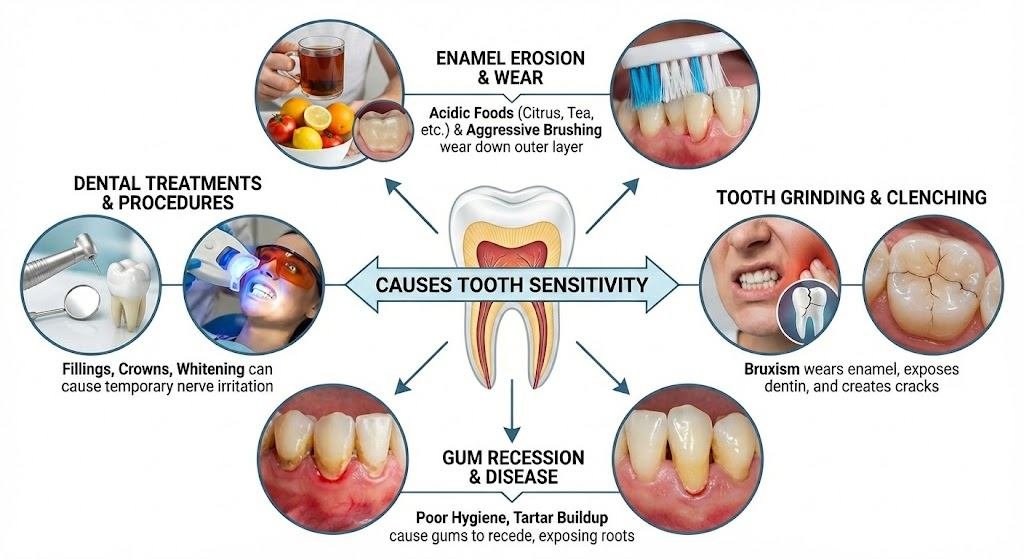
There are lots of reasons your teeth might feel sensitive, including acidic foods like citrus fruits, tomatoes, pickles and tea, which can wear down the outer layer of your teeth. The acids in these foods and beverages gradually dissolve enamel, leaving dentin exposed.
Brushing too hard or using a hard toothbrush can wear down enamel and cause the gums to pull back, creating a double problem of enamel loss and gum recession. Many people believe vigorous brushing means cleaner teeth, but aggressive technique actually damages the very structures meant to protect your teeth.
Gum Recession and Disease
Common causes of sensitive teeth include cavities, broken or fractured teeth, worn enamel, worn fillings, gum disease, or an exposed tooth root. Gum recession is one of the primary culprits of tooth sensitivity, as it exposes vulnerable root surfaces lacking protective enamel.
Poor daily dental hygiene allows bacteria to accumulate around and between the teeth; if left unchecked, they can harden into calculus, which can build up and cause the gums to recede. This gum recession exposes tooth roots, making them susceptible to sensitivity from temperature changes and pressure.
Dental Treatments and Procedures
Professional dental care sometimes triggers temporary sensitivity. Dental treatments are necessary to keep your mouth healthy; the treatment itself can cause stress and strain, leading to temporary nerve inflammation. Procedures like fillings, crowns, and professional cleanings can cause short-term sensitivity that typically resolves within days.
Teeth whitening treatments use chemicals that are effective at breaking down dark pigments in the teeth, but unfortunately, also irritate the nerves, leading to temporary tooth sensitivity and making it a very common side effect. If you’re considering whitening treatments, discuss sensitivity management with your Dentist in Encinitas beforehand.
Tooth Grinding and Clenching
Bruxism, the technical term for teeth grinding and clenching, represents a significant but often overlooked cause of sensitivity. Grinding your teeth at night can wear away your enamel and expose the dentin, causing sensitive teeth. Many people grind their teeth unconsciously during sleep, unaware of the damage it causes over time.
Cracked or Damaged Teeth
A crack or chip can let bacteria in and irritate your tooth, creating pathways for temperature and pressure changes to reach the sensitive inner structures. Even microscopic cracks invisible to the naked eye can cause significant discomfort.
Recognizing the Signs and Symptoms
Primary Symptoms
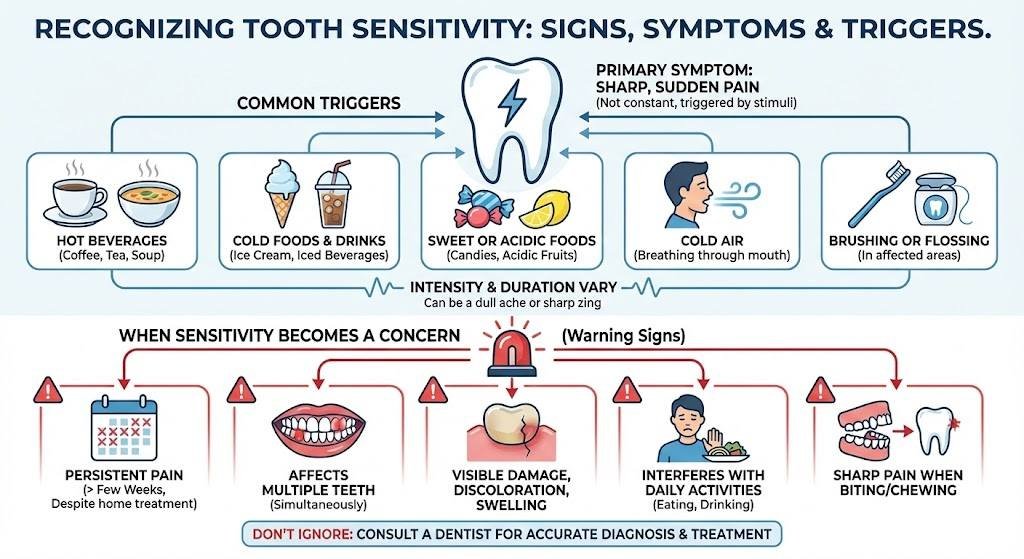
Sharp, sudden, and shooting pains are often associated with tooth sensitivity. This pain differs from a toothache in that it’s typically triggered by specific stimuli rather than being constant.
Common triggers include:
- Hot beverages like coffee, tea, or soup
- Cold foods and drinks, especially ice cream and iced beverages
- Sweet or acidic foods and candies
- Cold air when breathing through your mouth
- Brushing or flossing in affected areas
Some people feel a sharp, zinging-type pain, while others notice a dull ache. The intensity and duration can vary significantly between individuals and even between different teeth in the same person.
When Sensitivity Becomes a Concern
Tooth sensitivity that persists despite home treatment requires evaluation by your dentist. While mild, occasional sensitivity may respond to over-the-counter treatments, persistent or worsening symptoms warrant professional evaluation.
Warning signs that require dental attention include:
- Sensitivity lasting more than a few weeks despite home treatment
- Pain affecting multiple teeth simultaneously
- Sensitivity accompanied by visible damage, discoloration, or swelling
- Discomfort that interferes with eating, drinking, or daily activities
- Sharp pain when biting down or chewing
Don’t ignore persistent symptoms. Consulting with a qualified Dentist in Encinitas ensures accurate diagnosis and appropriate treatment before minor issues progress to serious problems.
Connection Between Tooth Sensitivity and Overall Health
Tooth sensitivity often signals broader oral health issues that deserve attention. Research suggests that tooth sensitivity is more common among people with gum recession that results from gingivitis, highlighting the interconnected nature of oral health conditions.
Untreated sensitivity can lead to:
- Avoidance of certain foods, potentially affecting nutrition
- Poor oral hygiene due to discomfort during brushing and flossing
- Progression of underlying conditions like gum disease or tooth decay
- Decreased quality of life and chronic discomfort
- Development of more serious dental problems requiring extensive treatment
Addressing sensitivity early prevents these complications and promotes overall oral wellness. Your mouth’s health significantly impacts your general well-being, making prompt attention to dental concerns essential.
Effective Treatment Options for Sensitive Teeth
At-Home Remedies and Products
- Desensitizing Toothpaste: These toothpastes contain compounds that help prevent irritants from stimulating the nerve inside the tooth, though several uses are usually required before sensitivity is reduced. Consistent daily use yields the best results, with most people noticing improvement within 2 to 4 weeks.
- Fluoride Products: Fluoride can strengthen tooth enamel and help protect against sensitivity through fluoride toothpaste, fluoride mouthwash, or professional fluoride treatments. Regular use helps remineralize weakened enamel and creates a more resistant surface.
- Proper Brushing Technique: Using a soft-bristled toothbrush with gentle, circular motions protects both enamel and gum tissue. Avoid aggressive scrubbing, which causes more harm than good.
- Dietary Modifications: Limiting acidic foods and beverages reduces enamel erosion. Dairy products and fiber-rich fruits and vegetables will not exacerbate tooth pain and will help fight bacteria and acid that can damage teeth.
Professional Dental Treatments
When home remedies prove insufficient, professional interventions offer more robust solutions:
- Fluoride Applications: In-office fluoride treatments can help strengthen enamel and reduce sensitivity by applying fluoride gel, varnish, or foam to sensitive areas. These professional-strength treatments provide more concentrated benefits than over-the-counter products.
- Dental Bonding and Sealants: If tooth sensitivity is caused by exposed dentin due to receding gums or enamel erosion, your dentist may recommend applying dental bonding or sealants to cover and protect the exposed surfaces. This creates a protective barrier over vulnerable areas.
- Gum Grafts: For patients with gum recession, a gum graft can cover exposed roots and reduce sensitivity by taking tissue from another part of your mouth and attaching it to the affected area. This surgical procedure addresses both the aesthetic and functional concerns of gum recession.
- Root Canal Therapy: For severe, persistent sensitivity that doesn’t respond to other treatments, root canal therapy may be necessary. This removes the inflamed nerve tissue, permanently eliminating the source of pain.
- Dental Restorations: Your dentist might recommend fluoride gel, desensitizing toothpaste, bonding, an inlay, or a crown, depending on the cause. These restorations repair damage and provide long-term protection for compromised teeth.
Prevention Strategies: Protecting Your Teeth Long-Term
Daily Oral Hygiene Practices
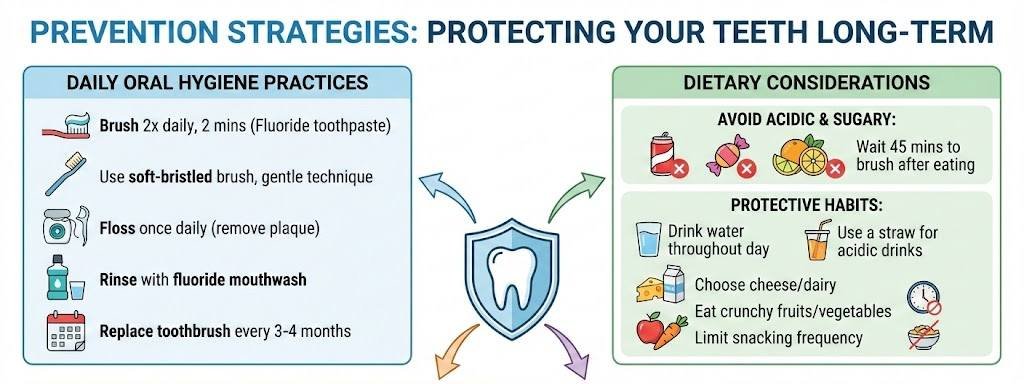
Proper toothbrushing and flossing techniques can prevent sensitive teeth and promote healthy teeth and gums, regardless of how sensitive your teeth are. Establishing a consistent routine provides the foundation for oral health.
Essential daily practices include:
- Brushing twice daily for two minutes with fluoride toothpaste
- Using a soft-bristled toothbrush and gentle technique
- Flossing once daily to remove plaque between teeth
- Rinsing with fluoride mouthwash for additional protection
- Replace your toothbrush every three to four months.
Dietary Considerations
Avoid highly acidic foods like high-sugar sweets and sweet drinks like soda, and don’t rush to brush your teeth right after eating them. Wait at least 45 minutes. This waiting period allows saliva to naturally neutralize acids, preventing enamel damage from brushing.
Consider these protective dietary habits:
- Drink water throughout the day to rinse away food particles and acids.
- Use a straw when consuming acidic beverages to minimize contact with teeth.
- Choose cheese and other dairy products that help neutralize mouth acids.
- Eat crunchy fruits and vegetables that stimulate saliva production.
- Limit snacking frequency to reduce acid exposure.
Lifestyle Modifications
- Quit Tobacco: Tobacco products increase plaque buildup and the risk of gum disease, both of which contribute to sensitivity.
- Wear a Mouthguard: If you grind or clench your teeth, especially at night, a custom-fitted mouthguard protects your enamel and prevents sensitivity.
- Manage Stress: Stress often manifests as teeth grinding and clenching. Stress-reduction techniques such as meditation, exercise, and adequate sleep can help reduce these damaging habits.
Regular Professional Care
Regular dental check-ups can help identify and address any dental issues early, preventing them from worsening and causing severe tooth sensitivity. Professional cleanings remove plaque and tartar buildup that home care cannot eliminate, while examinations catch problems before they become serious.
Schedule dental visits every six months, or more frequently if recommended by your Dentist in Encinitas, based on your individual risk factors and oral health status.
Special Considerations for Different Age Groups
Young Adults
Young adults often experience sensitivity due to lifestyle factors such as diet, whitening treatments, and inconsistent oral hygiene. Establishing good habits early prevents long-term complications.
Middle-Aged Adults
Tooth sensitivity can signal gum shrinkage, a natural process that begins when you’re over 40 as the gum line recedes and exposes tooth roots. This age group should focus on preventing gum recession through gentle brushing and regular professional care.
Seniors
Older adults face an increased risk of sensitivity due to cumulative enamel wear, gum recession, and medication side effects that reduce saliva production. Dry mouth exacerbates sensitivity, making hydration and saliva-stimulating products important considerations.
When to Seek Professional Help
If tooth sensitivity persists despite home care, see your dentist for a thorough evaluation, as it may indicate cavities, gum disease, cracked teeth, or nerve inflammation that requires professional treatment.
Don’t delay professional evaluation if you experience:
- Sensitivity lasting longer than two weeks
- Increasing pain intensity or frequency
- Visible tooth damage, darkening, or discoloration
- Swollen, bleeding, or receding gums
- Sensitivity interfering with nutrition or oral hygiene
- Pain that keeps you awake at night
Early intervention produces better outcomes and often requires less invasive treatment than waiting until problems become severe.
Conclusion
Tooth sensitivity affects millions of Americans, but it doesn’t have to control your life. Understanding the causes of enamel erosion and gum recession, including tooth grinding and dental treatments, empowers you to take preventive action and seek appropriate treatment when needed.
The best treatment for tooth sensitivity is prevention, as once tooth enamel is worn down, it can’t be restored. This makes establishing protective habits now essential for maintaining comfort and function throughout your life.
Whether you’re experiencing mild occasional discomfort or persistent pain that affects your daily activities, effective solutions exist. From simple changes in toothpaste and brushing technique to professional treatments like fluoride applications and dental bonding, the right approach depends on your unique situation and underlying causes.
Don’t let sensitive teeth diminish your quality of life or prevent you from enjoying your favorite foods and beverages. Professional guidance tailored to your specific needs provides the foundation for lasting relief and optimal oral health. A qualified dental professional can accurately diagnose the root cause of your sensitivity and develop a personalized treatment plan.
Take action today to protect your smile, eliminate discomfort, and invest in your long-term oral wellness. Your teeth deserve the best care possible, and with the right knowledge and professional support, you can achieve lasting comfort and confidence in your smile.
Disclaimer
This article is provided for informational and educational purposes only and should not be considered professional medical or dental advice, diagnosis, or treatment. The information presented represents general knowledge of tooth sensitivity and oral health, based on current research and dental practices available at the time of publication.
Every individual’s dental health situation is unique and requires personalized assessment by a qualified dental professional. The causes, symptoms, and treatment options discussed in this article may not apply to your specific circumstances or be appropriate for your particular condition.
If you are experiencing tooth sensitivity, pain, discomfort, or other dental symptoms, please consult a licensed dentist for an evaluation and treatment recommendations. Do not use the information in this article as a substitute for professional dental care or delay seeking treatment based on the content presented here.
Treatment outcomes, effectiveness of home remedies, and responses to professional interventions vary significantly between individuals. Success depends on numerous factors, including the underlying cause of sensitivity, overall oral health, compliance with recommended treatment protocols, and individual physiology.
Always inform your dental care provider about your complete medical history, current medications, allergies, and any health conditions that may affect your dental treatment. Some dental products and treatments mentioned in this article may not be suitable for all individuals.
If you experience a dental emergency, severe pain, or sudden onset of sensitivity accompanied by other symptoms, seek immediate professional dental care.
The authors and publishers of this article assume no responsibility or liability for any adverse outcomes, complications, or consequences resulting from the use or application of the information contained herein.