


Your gums are the foundation of a healthy smile. Yet, millions of Americans unknowingly suffer from gum disease without realizing the serious consequences it can have on both oral and overall health. From bleeding gums during brushing to persistent bad breath that won’t go away, these seemingly minor symptoms could signal a condition that affects nearly half of adults over 30.
Gum disease doesn’t just threaten your teeth; research has linked it to serious health conditions, including heart disease, diabetes, and even Alzheimer’s disease. The good news? With proper knowledge and timely intervention, gum disease is both preventable and treatable. Whether you’re noticing early warning signs or want to protect your smile for years to come, understanding this common yet often overlooked condition is the first step toward optimal oral health.
What is Gum Disease and Why Should You Care?

Gum disease, also known as periodontal disease, represents one of the most prevalent yet preventable dental conditions affecting millions of adults worldwide. This serious infection involves red, swollen, tender, or bleeding gums; sensitivity or pain while chewing; loose teeth; and chronic bad breath. What makes this condition particularly concerning is that symptoms may not appear until gum disease reaches advanced stages.
Recent statistics reveal an alarming trend: approximately 70% of people aged 65 years or older suffer from periodontal disease, making it a critical health concern for aging populations. However, gum disease doesn’t discriminate by age and can affect anyone who neglects proper oral hygiene practices.
The good news? Understanding gum disease empowers you to take preventive action. Whether you’re experiencing early warning signs or want to maintain optimal oral health, consulting with a qualified dentist in Fullerton can provide personalized guidance and professional care tailored to your specific needs.
Progression of Gum Disease: From Gingivitis to Periodontitis
Gingivitis: Early Warning Stage
Gingivitis is the earliest stage of gum disease, characterized by an infection of the tissues around the teeth caused by plaque. In this initial phase, the condition remains reversible with prompt intervention and improved oral hygiene.
Common signs of gingivitis include:
- Gums that bleed easily during brushing or flossing
- Redness and inflammation of the gum tissue
- Mild swelling around the teeth
- Persistent bad breath that doesn’t improve with regular brushing
The encouraging aspect of gingivitis is its treatability. Regular brushing and flossing can remove plaque that causes gingivitis, and rinsing with antibacterial mouthwash provides additional protection.
Periodontitis: Advanced Stage
When gingivitis remains untreated, it progresses to periodontitis, a far more serious condition. Periodontitis is the advanced form of gum disease and is a major cause of tooth loss in adults. During this stage, plaque buildup below the gum line can eventually cause bone loss, potentially causing teeth to shift or become loose, making it harder to chew and even speak.
According to the CDC, nearly half of U.S. adults suffer from periodontitis, highlighting the widespread nature of this condition. The infection can create abscesses, lead to gum recession, and result in permanent tooth loss if left unaddressed.
What Causes Gum Disease?
Primary Risk Factors
Gum disease affects tissues that both surround and support the teeth, characterized by bleeding or swollen gums, pain and sometimes bad breath. Understanding the root causes helps in prevention:
- Plaque Accumulation: The primary culprit behind gum disease is dental plaque, a sticky film of bacteria that constantly forms on teeth. When not removed through regular brushing and flossing, plaque hardens into tartar, which can only be removed by dental professionals.
- Poor Oral Hygiene: Skipping brushing and poor brushing techniques can contribute to gum disease, as can crooked teeth that are hard to brush properly.
- Lifestyle Factors: Tobacco use, excessive alcohol consumption, and poor nutrition all contribute to increased risk of developing periodontal disease.
Secondary Contributing Factors
Several additional factors can increase susceptibility to gum disease:
- Certain medications that reduce saliva flow, creating dry mouth conditions
- Hormonal changes during pregnancy or menopause
- Chronic diseases such as diabetes that affect immune function
- Genetic predisposition to periodontal problems
- Stress, which can weaken the body’s immune response
Recognizing the Warning Signs
Early detection dramatically improves treatment outcomes. Watch for these key indicators:
Visible Symptoms:
- Bleeding gums during or after brushing
- Red, swollen, or tender gums
- Gums pulling away from teeth (recession)
- Persistent metallic taste in the mouth
Functional Changes:
- Loose or shifting teeth
- Changes in bite alignment
- Discomfort while chewing
- Increasing gaps between teeth
Aesthetic and Social Concerns:
- Chronic bad breath that persists despite oral hygiene efforts
- Teeth appear longer due to gum recession
- Visible pus between teeth and gums
If you notice any combination of these symptoms, schedule an appointment with your dentist in Fullerton for a comprehensive evaluation. Early intervention can prevent progression to more serious stages.
Connection Between Gum Disease and Overall Health
Modern research has revealed startling connections between oral health and systemic conditions. Gum disease serves as a risk factor for nearly 60 other adverse health conditions, including Alzheimer’s disease, diabetes, and heart disease.
Cardiovascular Health
Some research suggests that heart disease, clogged arteries and stroke might be linked to the inflammation and infections that oral germs can cause. The bacteria from periodontal infections can enter the bloodstream, potentially contributing to arterial plaque formation.
Diabetes Connection
The relationship between diabetes and gum disease operates bidirectionally. Diabetes increases susceptibility to infections, including periodontitis, while severe gum disease can make blood sugar control more difficult, creating a challenging cycle.
Cognitive Decline
As Alzheimer’s disease progresses, oral health tends to worsen, and emerging research suggests the inflammation from gum disease may contribute to cognitive decline.
Economic Impact
Beyond health implications, untreated gum disease carries significant economic consequences. Untreated tooth decay costs the United States approximately $45.9 billion in lost productivity in 2015, demonstrating the far-reaching effects of neglected oral health.
Prevention Strategies: Your Daily Defense Against Gum Disease
Essential Daily Practices
- Proper Brushing Technique: Brush your teeth at least twice a day for 2 minutes each time, using a soft-bristle brush and fluoride toothpaste. Don’t forget to brush your tongue, which harbors bacteria.
- Effective Flossing: Clean between your teeth daily with floss, a water flosser or other products made for that purpose. This removes plaque and food particles from areas your toothbrush cannot reach.
- Antibacterial Mouthwash: Rinsing with an antiseptic mouthwash can help reduce bacteria and freshen breath. Choose alcohol-free options if you experience dry mouth.
Lifestyle Modifications
- Dietary Considerations: Promoting a well-balanced diet low in free sugars and high in fruit and vegetables, and favoring water as the main drink, supports gum health.
- Eliminate Tobacco: Stopping the use of all forms of tobacco, including the chewing of areca nuts, significantly reduces the risk of periodontal disease and oral cancer.
- Limit Alcohol: Excessive alcohol consumption, particularly when combined with tobacco use, dramatically increases risk for gum disease and oral cancers.
Professional Care
Regular dental checkups remain crucial for preventing gum disease. Adults typically need to visit the dentist twice a year for dental cleanings and exams, though seniors may need more frequent visits to maintain good oral health. Professional cleanings remove tartar buildup that home care cannot address.
Treatment Options for Gum Disease
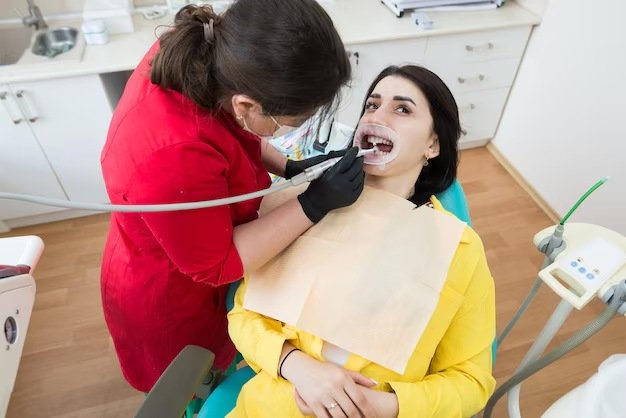
Non-Surgical Treatments
- Professional Cleaning: For early-stage gingivitis, a thorough professional cleaning may be sufficient to remove plaque and tartar, allowing the gums to heal.
- Scaling and Root Planing: For more advanced cases, deep cleanings known as scaling and root planing provide effective treatment. This procedure removes plaque and tartar from below the gum line and smooths root surfaces to prevent bacterial reattachment.
- Antibiotic Therapy: Dental care for periodontitis includes topical antibiotics applied directly to periodontal pockets or taken orally for systemic treatment.
Surgical Interventions
When non-surgical methods prove insufficient, surgical options may include:
- Flap Surgery: The dentist lifts the gums back to remove tartar deposits in deep pockets, then sutures the gums to fit snugly around the teeth.
- Bone Grafts: For patients who have experienced bone loss, grafting procedures can help regenerate lost bone and tissue.
- Soft Tissue Grafts: These procedures reinforce thin gums or fill areas where gums have receded, protecting roots and improving appearance.
Ongoing Maintenance
Following active treatment, maintaining results requires a commitment to improved home care and regular professional maintenance appointments, often scheduled every 3 to 4 months.
Special Considerations for Different Age Groups
Adults and Middle-Aged Individuals
Tooth decay affects 90% of adults aged 20 to 64 years, and gum disease affects almost 50% of adults aged 45 to 64 years, making these conditions two of the most prevalent oral diseases in working-age adults.
Senior Citizens
Aging brings unique challenges for oral health. Certain medications used to treat heart disease, blood pressure, and many other health conditions seniors face can cause dry mouth as a side effect, increasing the risk of gum disease and tooth decay.
Prevention Across All Ages
Regardless of age, maintaining excellent oral hygiene and seeking regular professional care from your dentist in Fullerton provides the best defense against gum disease.
When to Seek Professional Help
Don’t wait for gum disease to progress. Schedule a dental appointment if you experience:
- Any bleeding from gums during normal brushing or flossing
- Persistent bad breath that doesn’t improve with oral hygiene
- Gum recession or teeth appearing longer.
- Loose or shifting teeth
- Pain or discomfort in your gums
- Changes in how your teeth fit together when biting
Early intervention dramatically improves outcomes and can prevent the need for more extensive treatments later.
Conclusion
Gum disease is a serious, largely preventable condition that affects millions of adults. Understanding the progression from gingivitis to periodontitis, recognizing warning signs, and implementing effective prevention strategies empowers you to maintain healthy gums throughout your life.
The connection between oral health and overall wellness cannot be overstated. By prioritizing your gum health through consistent daily care, regular professional cleanings, and prompt attention to any concerns, you protect not only your smile but also your overall health.
Remember that professional guidance tailored to your unique situation provides the foundation for optimal oral health. A qualified dentist in Fullerton can assess your current gum health, identify risk factors, and develop a personalized prevention or treatment plan.
Don’t let gum disease compromise your quality of life. Take action today to protect your gums, preserve your teeth, and invest in your long-term health and wellbeing.
Disclaimer
This article is intended for informational and educational purposes only and should not be construed as professional medical or dental advice, diagnosis, or treatment. The information provided represents general guidelines about gum disease and oral health based on current research and clinical practices.
Every individual’s dental health situation is unique and requires personalized assessment by a qualified dental professional. The symptoms, risk factors, and treatment options discussed in this article may not apply to your specific circumstances.
If you are experiencing dental symptoms, pain, or concerns about your oral health, please consult with a licensed dentist or healthcare provider for proper evaluation and treatment recommendations. Do not use this information as a substitute for professional dental care or delay seeking treatment based on information presented in this article.
Treatment outcomes and experiences may vary significantly between individuals. The effectiveness of preventive measures and treatments discussed depends on numerous factors, including overall health, genetics, compliance with recommended oral hygiene practices, and the severity of existing conditions.
Always inform your dental care provider about your complete medical history, current medications, allergies, and any health conditions that may affect your dental treatment. If you experience a dental emergency, seek immediate professional care.
The authors and publishers of this article assume no liability for any adverse outcomes resulting from the use or application of the information contained herein.
References and Resources
- Centers for Disease Control and Prevention (CDC) Statistics and information on periodontal disease prevalence, oral health data and public health recommendations.
- Mayo Clinic – Oral Health Resources: Evidence-based information on the connection between oral health and overall wellness.
- World Health Organization (WHO) – Oral Health Fact Sheets: Global perspective on oral diseases and prevention strategies.
- National Institute of Dental and Craniofacial Research (NIDCR) Research findings on oral health in America: Evidence-based treatment and prevention information.
- American Academy of Periodontology: Specialized information on gum disease prevention and treatment.
- MedlinePlus – National Library of MedicineTrusted health information on aging and dental health.
- WebMD Oral Health Center: Patient-friendly information on common dental problems.
- Penn Dental Medicine: Clinical insights on common dental problems and solutions
For personalized dental care and professional guidance on gum disease prevention and treatment, consult with a qualified dental professional in your area.