


Hi, I’m Dr. Shan from Doctiplus, and today I want to talk about something that many people are curious about but feel too awkward to ask: anal bleaching. I’ve had several patients come to my clinic asking about this procedure, and I understand why it can feel uncomfortable to discuss. But let me assure you, there’s nothing to be embarrassed about. This is a cosmetic treatment like any other, and you deserve accurate, helpful information.
Anal bleaching is a cosmetic procedure that makes the skin around your anus lighter. The area naturally tends to be darker than the rest of your body, and some people prefer to lighten it. This treatment uses chemical peels, special creams, or laser technology to reduce the dark pigmentation. Despite the name, no actual bleach touches your skin. Using household bleach on this sensitive area would be extremely dangerous and could cause serious injury.
I’ve noticed that more people are becoming interested in this procedure over the past few years. Some want it for personal confidence, others because of their partner’s preferences, and some simply because they prefer how it looks. Whatever your reason, I’m here to give you the complete picture so you can make an informed decision.
Why Is The Skin Around Your Anus Darker?
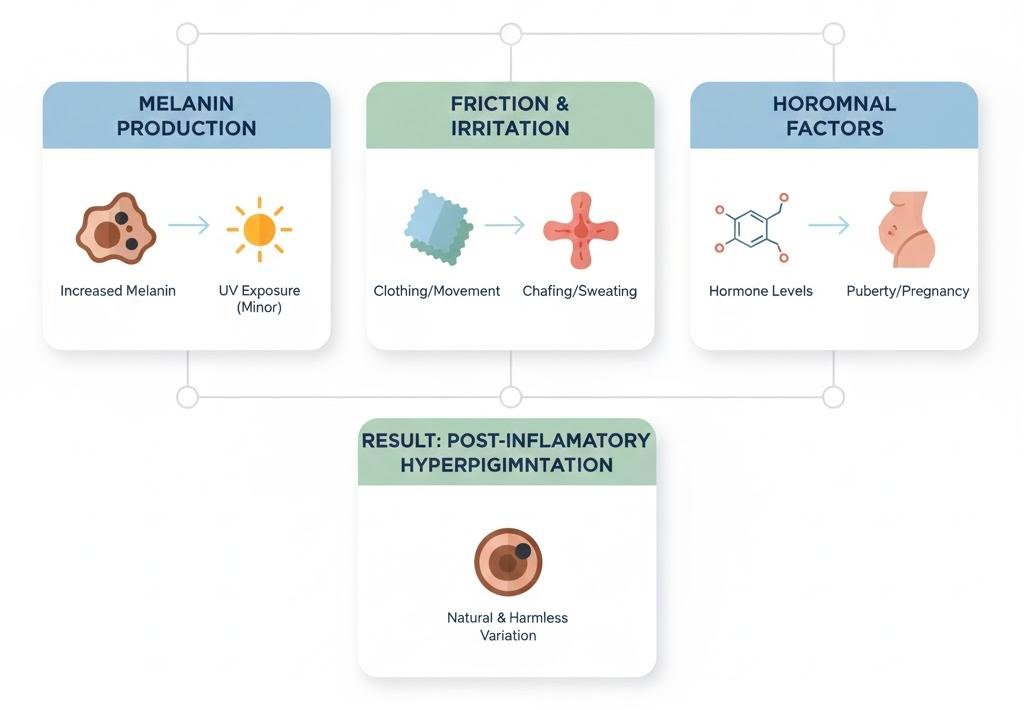
Before I explain how anal bleaching works, I want you to understand why this area is naturally darker in the first place. This knowledge helps you realize that darker skin in this area is completely normal and nothing to worry about.
The skin between your buttocks and around your anus is usually a few shades darker than your regular skin tone. I see this in patients of all skin colors and backgrounds. Several factors cause this natural darkening:
Friction plays a major role. When you walk, run, exercise, or even just sit down, your buttocks rub together. This constant friction triggers your skin to produce more melanin as a protective response. Melanin is the pigment that gives your skin its color. The more melanin your skin produces, the darker it becomes.
Hormonal changes affect pigmentation. During puberty, pregnancy, or when you’re dealing with certain medical conditions, your hormone levels shift. These hormonal fluctuations can increase melanin production in various parts of your body, including the anal area. I’ve had pregnant patients ask me about this, worried that something was wrong. I always reassure them that it’s a normal part of pregnancy.
Your genetics determine your baseline skin tone. Some people naturally produce more melanin in certain areas. If your parents or grandparents have darker skin in this area, you’re likely to as well.
Aging contributes to pigmentation changes. As you get older, your skin cells don’t regenerate as quickly, and melanin can accumulate in specific areas, making them appear darker.
Medical conditions can cause darkening. Conditions like acanthosis nigricans cause dark, thick patches of skin. If you notice sudden or extreme darkening, I recommend seeing a doctor to rule out any underlying health problems.
Common Causes of Anal Darkening
| Cause | How It Works | Can You Control It? |
|---|---|---|
| Friction from movement | Triggers protective melanin production | Partially (loose clothing helps) |
| Hormonal changes | Increases melanin-producing cells | Sometimes (medical intervention) |
| Genetics | Determines natural pigmentation levels | No |
| Aging | Slows cell turnover, allowing melanin buildup | No (natural process) |
| Excess weight | Creates more friction in the area | Yes (through lifestyle changes) |
| Tight clothing | Increases friction and irritation | Yes (wear looser clothes) |
How Does Anal Bleaching Actually Work?
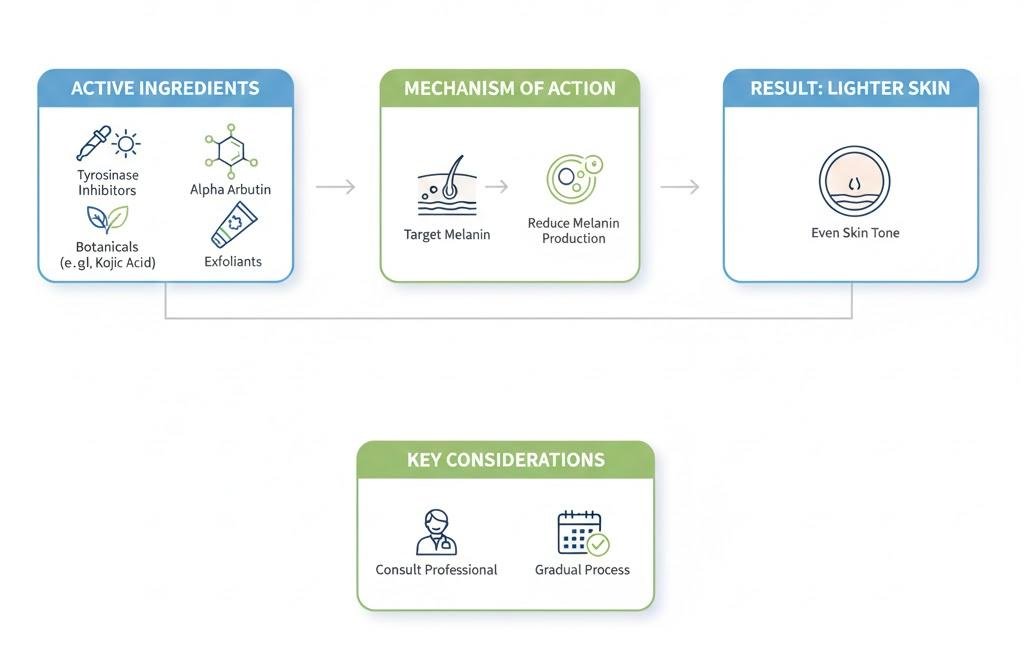
Now that you understand why the area is darker, let me explain how the lightening process works. I want to be clear about what these treatments do to your skin so you know what to expect.
Anal bleaching targets melanin in your skin. The treatments either break down existing melanin or reduce the production of new melanin. Different methods work in different ways, and I’ll walk you through each one.
Chemical peels use specific acids to lighten skin. These acids work by removing the top layers of skin where melanin has accumulated. As your skin heals and regenerates, new skin cells come to the surface. These new cells typically have less melanin, making the area appear lighter. The most common acids used include kojic acid, glycolic acid, and lactic acid.
Topical creams work more slowly but less aggressively. These products contain ingredients that interfere with melanin production. Instead of removing skin layers, they target the cells that produce melanin and slow down their activity. You apply these creams daily over several weeks or months to see results.
Laser treatments use focused light energy. The laser targets melanin specifically. When the laser light hits melanin-rich areas, it breaks down the pigment into smaller particles that your body can naturally remove. Laser treatments also reduce the activity of melanin-producing cells, which helps prevent the area from darkening again quickly.
I’ve performed laser treatments on several patients, and they often tell me they prefer this method because it’s faster than creams and more precise than peels. However, laser treatments cost more and require professional administration.
Comparison of Anal Bleaching Methods
| Method | How Long It Takes | Pain Level | Cost Range | Results Duration |
|---|---|---|---|---|
| At-home creams | 4–12 weeks | Minimal to none | $20–$100 | 2–4 months |
| Professional chemical peels | 2–4 weeks | Mild discomfort | $100–$300 per session | 3–6 months |
| Laser treatments | 1–3 sessions | Moderate (with numbing) | $300–$1,000 per session | 6–12 months |
| Professional-grade creams | 3–8 weeks | Minimal | $150–$400 | 4–8 months |
Is Anal Bleaching Safe For You?
This is probably the most important question on your mind, and I take safety very seriously. Anal bleaching can be safe, but only when done correctly with proper products and techniques.
I’ve seen patients who tried unsafe methods or used questionable products, and the results were not good. Some developed infections, others had painful burns, and a few ended up with permanent discoloration that was worse than what they started with. I don’t want this to happen to you.
Using proper products is critical. Many skin-lightening products sold online or in stores contain harmful ingredients. Some products manufactured outside the United States aren’t properly regulated, so you don’t really know what’s in them. I’ve seen products containing mercury, hydroquinone in dangerous concentrations, or steroids that can damage your skin permanently.
The application method matters just as much as the product. Applying too much product, leaving it on too long, or applying it to the wrong areas can cause serious problems. The skin around your anus is thin and sensitive. It’s also very close to your genitals and rectum, which are even more sensitive.
Professional treatments reduce many risks. When I perform anal bleaching in my clinic, I control the concentration of active ingredients, the application time, and the exact treatment area. I also monitor you for any adverse reactions and can stop the treatment immediately if needed.
Let me share a story about one of my patients. She came to me after trying an at-home treatment she bought online. She didn’t follow the instructions properly and left the cream on overnight. When she woke up, she had severe chemical burns. It took weeks to heal, and the scarring left her skin more discolored than before. This could have been avoided with professional guidance.
Safety Tips for Anal Bleaching
If you choose at-home treatments:
- Research the product thoroughly before buying
- Check for FDA warnings about the manufacturer
- Look for products with kojic acid, not hydroquinone or mercury
- Do a patch test on another area of skin first
- Never exceed the recommended application time
- Stop immediately if you feel burning or see redness
- Keep the product away from your genitals and inside your rectum
If you choose professional treatments:
- Verify your provider’s credentials and training
- Ask how many times they’ve performed this procedure
- Make sure they use FDA-approved products and equipment
- Discuss your medical history and any allergies
- Follow all pre-treatment and post-treatment instructions
- Report any unusual symptoms immediately
Does Anal Bleaching Hurt?
I get asked this question at almost every consultation. People worry that a procedure in such a sensitive area will be painful. Let me put your mind at ease.
Most of my patients report that anal bleaching is far less uncomfortable than they expected. The level of discomfort depends on the method you choose, your personal pain tolerance, and how sensitive your skin is.
With topical creams, most people feel little to nothing. Some patients tell me they experience a mild tingling or slight warmth when the cream first touches their skin. This sensation usually fades within a few minutes. If you feel strong burning or stinging, that’s not normal, and you should wash the product off immediately and contact a healthcare provider.
Chemical peels can cause more noticeable sensations. You might feel a mild burning or stinging when the peel is applied. This is because the acids are actively working on your skin. The feeling is temporary and stops once the peel is neutralized and removed. I always monitor my patients closely during chemical peel treatments to ensure they’re comfortable.
Laser treatments have a different sensation. Patients describe it as small snaps or pings against the skin, similar to a rubber band flicking you. Each pulse of the laser takes only a fraction of a second, so the discomfort is brief. Before I start laser treatment, I apply a numbing cream to reduce sensation. With proper numbing, many patients feel only slight pressure instead of pain.
After any of these treatments, you might experience some tenderness or sensitivity for a day or two. This is normal as your skin heals. Taking an over-the-counter pain reliever like ibuprofen or acetaminophen usually manages any discomfort effectively.
I had a patient who was so nervous about pain that she almost canceled her appointment. After the treatment, she laughed and said it was easier than getting her eyebrows waxed. Not everyone will have the same experience, but this shows you that the procedure is generally tolerable.
What Different Patients Have Told Me About Discomfort
- “I felt a slight warming sensation with the cream, but nothing painful”
- “The laser felt like tiny pinches, over before I could really react”
- “The chemical peel stung a bit, but it was bearable and brief”
- “I was sore the next day, like I had mild sunburn, but nothing major”
- “The numbing cream worked so well I barely felt the laser at all”
What Are The Possible Side Effects And Risks?
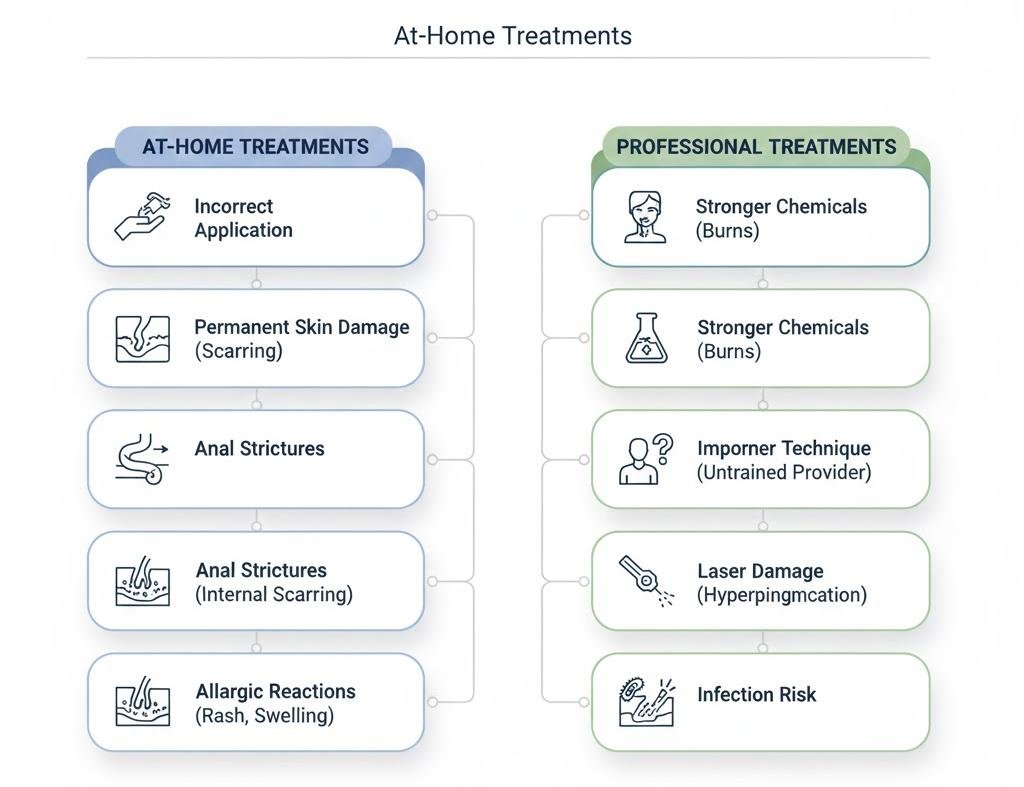
I believe in being completely honest with my patients about potential problems. While most people have no major issues with anal bleaching, complications can happen. Understanding these risks helps you make a better decision and recognize problems early if they occur.
At-home treatments carry specific risks that I want you to know about:
Incorrect application is the biggest problem I see. Without professional guidance, you might apply the product to areas that shouldn’t be treated, use too much product, or leave it on too long. This increases your chance of getting the product on your genitals or inside your rectum, which can cause serious problems.
Permanent skin damage can result from using harsh products or improper application. Some patients have come to me with scarring, thick patches of damaged skin, or permanent discoloration that’s worse than the original darkening. This type of damage can be extremely difficult or impossible to fix.
Anal strictures are a serious complication that occurs when bleaching products enter your rectum. The chemicals can cause scar tissue to form inside or around your rectum. This scar tissue can narrow the opening, making bowel movements difficult and painful. Some patients with this complication need surgery to correct it.
Allergic reactions can happen with any product. Your skin might develop a rash, swelling, or blistering. Some allergic reactions are severe and require immediate medical attention.
Professional treatments have their own set of potential risks:
Stronger chemicals mean faster results but also higher risk of side effects. Professional-grade products contain higher concentrations of active ingredients than over-the-counter products. While this makes them more effective, it also means they can cause more intense reactions if something goes wrong.
Improper technique by an untrained provider can cause serious harm. Not all estheticians or technicians receive proper training in anal bleaching. If someone doesn’t know what they’re doing, they might burn your skin, apply products incorrectly, or cause scarring.
Laser damage happens when the laser settings are wrong or the operator doesn’t use the equipment properly. Lasers can burn your skin, cause hyperpigmentation (darker spots), or lead to permanent scarring if misused.
Infection risk exists with any procedure that affects your skin. The area around your anus naturally contains bacteria. If your skin barrier is damaged during treatment, bacteria can enter and cause infection.
Signs You Need Medical Attention Right Away
| Symptom | What It Might Mean | What To Do |
|---|---|---|
| Severe burning pain | Chemical burn or allergic reaction | Wash area gently, seek immediate medical care |
| Bleeding from the anus | Internal damage or tear | Go to emergency room |
| Fever | Infection | Contact doctor within hours |
| Pus or unusual discharge | Infection | See doctor same day or next day |
| Swelling that gets worse | Severe reaction or infection | Seek medical care quickly |
| Difficulty with bowel movements | Possible anal stricture | Contact doctor within days |
| Blisters or open sores | Severe chemical burn or reaction | See doctor same or next day |
Can You Do Anal Bleaching At Home?
Yes, you can do anal bleaching at home, and many people choose this option for privacy and cost reasons. However, I want to give you important guidance to help you do it as safely as possible.
Home treatments require more time and patience than professional procedures. The products available for home use contain lower concentrations of active ingredients, which makes them safer but also slower to show results. You’ll need to apply the product consistently for weeks or even months before you notice significant changes.
Choosing the right product is your first critical decision. Many skin-lightening products aren’t well-regulated, especially those manufactured outside the United States. Some contain dangerous ingredients that can seriously harm you.
Look for products that list kojic acid as the primary active ingredient. Kojic acid is safer than many alternatives and effectively lightens skin when used properly. It works by blocking the enzyme that produces melanin.
Avoid products containing hydroquinone in concentrations above two percent. While hydroquinone can lighten skin effectively, high concentrations can cause serious side effects, including a condition called ochronosis that makes your skin darker and thicker. The FDA has raised concerns about hydroquinone’s safety.
Never use products containing mercury or steroids. Mercury can cause mercury poisoning, affecting your nervous system, kidneys, and other organs. Steroids thin your skin and can cause other serious problems with prolonged use.
Read reviews from other users, but be careful. Some reviews are fake, and even genuine reviews might not mention problems that develop later. Look for products sold by reputable companies with transparent ingredient lists.
Proper application technique protects you from complications. I always tell my patients to follow these steps:
Start with a patch test. Apply a small amount of the product to the inside of your wrist or elbow and wait 24 hours. If you develop redness, itching, or swelling, don’t use the product on your anal area.
Clean the area thoroughly before application. Take a shower and gently wash around your anus with mild, unscented soap. Pat the area completely dry with a clean towel.
Apply the product carefully. Use a small amount and stay within the darker area. Don’t let the product spread to your genitals or inside your rectum. Using a cotton swab or clean finger can help you control where the product goes.
Follow timing instructions exactly. If the product says to leave it on for ten minutes, set a timer. Don’t think that leaving it on longer will give better results. You’ll just increase your risk of burns and irritation.
Wash the product off completely when the time is up. Use lukewarm water and gentle soap if needed. Make sure no residue remains on your skin.
Recommended At-Home Anal Bleaching Products
| Product Type | Key Ingredient | Typical Use Schedule | Expected Results Timeline |
|---|---|---|---|
| Kojic acid creams | Kojic acid 1–4% | Once or twice daily | 6–12 weeks |
| Vitamin C serums | L-ascorbic acid | Once daily | 8–16 weeks |
| Glycolic acid peels (low concentration) | Glycolic acid 10–30% | Once or twice weekly | 4–8 weeks |
| Lactic acid lotions | Lactic acid 5–12% | Once or twice daily | 6–10 weeks |
| Combination products | Multiple lightening agents | As directed (varies) | 4–10 weeks |
Should You See A Professional Instead?
After telling you how to do anal bleaching at home, I want to explain why I still recommend professional treatment for most people. The decision ultimately depends on your budget, comfort level, and how quickly you want results.
Professional treatments offer several important advantages:
Better quality products with more effective ingredients. Professionals have access to medical-grade products that aren’t available to consumers. These products contain higher concentrations of active ingredients and often work faster than over-the-counter options.
Proper application by trained specialists reduces your risk significantly. An experienced esthetician, dermatologist, or medical professional knows exactly how much product to use, where to apply it, and how long to leave it on. They’ve performed the procedure many times and know how to handle any problems that arise.
Faster and more noticeable results make professional treatment worth the extra cost for many people. While home treatments might take three months to show clear changes, professional treatments often produce visible lightening after just one or two sessions.
Monitoring during and after treatment catches problems early. If you have an adverse reaction during a professional treatment, the provider can stop immediately and take corrective action. They also check your skin at follow-up appointments to ensure you’re healing properly.
The cost difference is significant but might be worth it. Professional anal bleaching typically costs between $100 and $1,000 per session, depending on your location and the method used. You might need multiple sessions for your desired results. Home treatments cost $20 to $100 for products that last several weeks, but you’ll need to buy more as you finish each package.
I had a patient who spent almost $200 trying different at-home products over six months with minimal results. She finally came to my clinic, and we achieved the lightening she wanted in three laser sessions. When we calculated the total cost and time, the professional treatment actually made more sense for her.
Different types of professionals offer anal bleaching services:
Dermatologists have medical training and can rule out underlying health conditions that might cause darkening. They can also prescribe stronger products if needed and handle any medical complications that arise. I recommend starting with a dermatologist, especially if you have any skin conditions or concerns.
Medical spas and cosmetic clinics employ trained estheticians who specialize in cosmetic procedures. They offer both chemical peels and laser treatments. Make sure any medical spa you visit has proper oversight by a licensed physician.
Some plastic surgery centers provide anal bleaching as part of their cosmetic services. These facilities typically have advanced laser equipment and experienced staff.
Salons and day spas sometimes offer anal bleaching, but I urge caution here. Not all salon staff receive adequate training in this procedure. If you choose a salon, verify that they follow proper sanitation protocols and use legitimate products.
Questions To Ask A Potential Provider
- What training and certification do you have in anal bleaching?
- How many anal bleaching procedures have you performed?
- What products do you use, and are they FDA-approved or regulated?
- Can I see before-and-after photos of previous patients?
- What are the potential risks and complications specific to my skin type?
- How do you handle complications if they occur during treatment?
- What does your aftercare protocol involve?
- Do you offer a consultation to assess my specific needs?
- What results can I realistically expect based on my current skin tone?
- How long will the results last, and will I need maintenance treatments?
What Color Results Can You Expect?
I need to set realistic expectations about anal bleaching results. This is important because some people imagine they’ll achieve a specific color, only to be disappointed when that’s not possible.
Your natural skin tone determines what color you can achieve through anal bleaching. The treatment can lighten the area by several shades, but it won’t completely change your skin color or make it pink if your natural complexion is darker.
Understanding realistic outcomes helps you avoid disappointment. If you have light skin naturally, you might see the area lighten to a color very close to your regular skin tone. Some people with fair complexions can achieve a pinkish tone, but this isn’t guaranteed even with multiple treatments.
If you have medium or darker skin, the area will lighten but will remain darker than very light skin tones. The goal is to make the area more uniform with the rest of your body, not to achieve an artificially light color.
I once had a patient with medium brown skin who was upset because she wanted the area to be pink like she’d seen in photos online. I explained that those photos might be edited, or the people in them might have had much lighter skin to begin with. We worked together to lighten her anal area by about three shades, which made a noticeable difference and helped her feel more confident.
At-home treatments produce more gradual changes. Because the products are less concentrated, you’ll see slow lightening over weeks or months. This gradual approach actually has an advantage: it’s easier to stop when you reach a color you’re happy with, rather than going too light too quickly.
Professional treatments can produce dramatic results faster. After just one professional chemical peel or laser session, you might notice the area is one or two shades lighter. After multiple sessions, the cumulative effect can be quite significant.
The most important thing to remember is that natural variation is normal. Not everyone will achieve the same end result, even with the same treatment method. Your genetics, natural skin tone, and how your skin responds to treatment all play a role.
Factors That Affect Your Final Color Results
| Factor | Impact on Results | Can You Change It? |
|---|---|---|
| Starting skin tone | Determines possible shade range | No |
| Product strength | Stronger products lighten more | Yes (choose different products) |
| Number of treatments | More treatments = more lightening | Yes |
| Consistency of application | Regular use produces better results | Yes |
| Your skin’s response | Some people’s skin lightens more easily | No |
| Sun exposure in the area | Can darken skin between treatments | Partially |
| Friction levels | High friction can slow or reverse results | Yes (lifestyle modifications) |
How Long Do The Results Last?
This is one of the most common questions I hear, and the answer might surprise you. Anal bleaching results aren’t permanent. You’ll need ongoing maintenance to keep the area lighter.
Daily activities cause the area to darken again over time. Every time you walk, run, exercise, or even sit down, your buttocks create friction. This friction triggers your skin to produce more melanin as protection. Your body doesn’t know you intentionally lightened the area, so it responds to friction the same way it always has.
Sweating contributes to the darkening process as well. Moisture combined with friction accelerates melanin production. If you exercise frequently or live in a hot climate, you might notice the area darkening faster than someone who’s less active or lives in a cooler environment.
Hormonal fluctuations continue to affect melanin production. If you’re pregnant, going through menopause, or experiencing hormonal changes for any reason, the area might darken more quickly.
Different treatment methods last different amounts of time:
Laser treatments typically provide the longest-lasting results. Many of my patients maintain their lighter color for six to twelve months after a series of laser sessions. Some people find that their results last even longer, especially if they take steps to reduce friction.
Professional chemical peels usually last three to six months. The stronger the peel, the longer the results tend to last. Multiple peel sessions often extend the duration of results.
At-home creams provide the shortest duration of results. Most people notice the area beginning to darken again within two to four months of stopping treatment. However, you can continue using these creams as maintenance to preserve your results.
Maintenance requirements vary by person. I have some patients who need touch-up treatments every few months, while others can go a year or more between sessions. Your maintenance schedule depends on:
- How active you are (more activity means more friction)
- Your body’s natural melanin production rate
- Your genetics
- How much lighter you made the area (dramatic changes often fade faster)
- Whether you take steps to reduce friction
I always recommend that patients view anal bleaching as an ongoing process rather than a one-time fix. This mindset helps you plan for maintenance treatments and budget accordingly.
Typical Maintenance Schedules
| Initial Treatment Type | How Long Results Last | Suggested Maintenance |
|---|---|---|
| Single laser session | 3–6 months | One session every 4–6 months |
| Multiple laser sessions | 6–12 months | One session every 6–12 months |
| Professional chemical peel | 3–6 months | One peel every 3–6 months |
| At-home creams | 2–4 months | Apply 2–3 times weekly after initial treatment |
| Combination approach | 6–9 months | Alternate methods as needed |
How To Find A Qualified Provider
Finding the right provider for anal bleaching is crucial for your safety and results. Not all professionals who offer this service have adequate training or use proper products. Let me guide you through the process of finding someone trustworthy.
Start by talking with your primary care doctor or a dermatologist. I can’t stress this enough. Before you pursue anal bleaching, you should rule out any underlying medical conditions that might be causing excessive darkening. Certain health issues like diabetes, hormonal disorders, or skin conditions can cause hyperpigmentation. Your doctor can evaluate you and determine if there’s a medical reason for the darkening.
If no health issues are present, your doctor might be able to recommend a qualified provider. Doctors often know which local estheticians, medical spas, or plastic surgery centers have good reputations and follow proper safety protocols.
Research potential providers thoroughly before booking an appointment. Look for professionals with specific training in anal bleaching or intimate area treatments. This isn’t a standard service taught in all esthetics programs, so specialized training matters.
Check their credentials. If you’re considering laser treatment, make sure the person operating the laser has proper certification. In many states, only medical professionals or specially trained technicians can operate medical-grade lasers.
Read online reviews, but be critical. Look for detailed reviews that describe the person’s experience, not just star ratings. Be wary of providers with only positive reviews, as these might be fake or cherry-picked.
Ask to see before-and-after photos during your consultation. Reputable providers keep documentation of their work. These photos should show realistic results on different skin tones.
The facility matters as much as the provider. When you visit for a consultation, pay attention to cleanliness and professionalism. The treatment room should be clean, organized, and well-maintained. All equipment should look modern and properly maintained.
Ask about their sanitation procedures. They should use new gloves for each patient, properly sterilize reusable equipment, and follow standard hygiene protocols.
Verify that they use legitimate, preferably medical-grade products. Be suspicious if they’re reluctant to tell you what products they use or if they use products with no visible labels or branding.
Red Flags To Watch For
- Provider won’t disclose their training or credentials
- No consultation offered before treatment
- Unwilling to show before-and-after photos
- Facility seems dirty or disorganized
- Products have no labels or come from unknown sources
- Provider pressures you to book immediately
- They guarantee specific results or claim treatment is completely risk-free
- Price seems too good to be true compared to others in your area
- They don’t ask about your medical history or allergies
- No written aftercare instructions provided
How To Prepare For Your Anal Bleaching Appointment
Proper preparation makes your treatment safer and more effective. When patients come to my clinic well-prepared, they experience better results and fewer complications. Let me walk you through the preparation steps.
Start preparing several days before your appointment. Don’t try to do everything the night before. Your skin needs time to be in optimal condition for treatment.
Avoid sexual activity for at least three days before your appointment. This applies to both anal and vaginal intercourse. Sexual activity causes friction and can create tiny tears in the delicate skin around your anus. These micro-tears increase your risk of irritation, burning, and infection during treatment.
Stop hair removal in the area at least 48 hours before treatment. I know you might want the area to look neat, but shaving, waxing, or using hair removal creams irritates your skin. This irritation makes bleaching treatments more uncomfortable and increases the risk of complications. If hair removal is important to you, do it at least five to seven days before your appointment to give your skin time to recover.
Reduce sweaty activities for a few days before treatment. Skip intense workouts, hot yoga, long runs, or anything else that makes you sweat heavily. Sweating combined with friction can irritate the skin and make it more sensitive.
Clothing choices matter more than you might think. For the days leading up to your appointment, wear loose-fitting cotton underwear. Avoid thongs, tight pants, or anything that creates extra friction in the anal area. This helps keep your skin calm and reduces irritation.
Skip products that might irritate the area. Don’t use scented soaps, body washes with harsh ingredients, or any new products near the treatment area. Stick with gentle, unscented cleansers.
On the day of your appointment, follow these steps:
Take a shower a few hours before your appointment. Clean the area gently but thoroughly with mild, unscented soap. Rinse well to remove all soap residue.
Pat the area completely dry with a clean towel. Don’t rub vigorously, as this can irritate the skin.
Don’t apply lotions, creams, oils, or any products to the area after showering. Your skin needs to be completely clean and product-free for treatment.
Wear comfortable, loose clothing to your appointment. Choose cotton underwear and pants or a skirt that doesn’t fit tightly around your buttocks.
Eat normally before your appointment. Some people feel nervous and skip meals, but this can make you feel lightheaded during the procedure.
Pre-Appointment Preparation Checklist
| Task | When To Do It | Why It Matters |
|---|---|---|
| Stop sexual activity | 3+ days before | Prevents micro-tears that increase irritation risk |
| Stop hair removal | 2–7 days before | Allows skin irritation to heal |
| Reduce intense exercise | 2–3 days before | Decreases sweating and friction |
| Switch to loose underwear | 3–5 days before | Reduces friction on the skin |
| Use gentle cleansers only | 5+ days before | Keeps skin calm and non-irritated |
| Shower and clean area | Day of appointment | Ensures area is hygienic for treatment |
| Wear comfortable clothes | Day of appointment | Keeps you comfortable and allows easy access |
| Avoid applying products | Day of appointment | Keeps skin clean for treatment |
What Happens During Your Anal Bleaching Appointment
I want to prepare you for what to expect during your appointment so you feel comfortable and informed. Many patients tell me they feel anxious before their first session, which is completely understandable. Knowing what will happen helps reduce that anxiety.
When you arrive, you’ll start with paperwork. You’ll complete forms about your medical history, allergies, current medications, and previous cosmetic treatments. Be honest and thorough. This information helps your provider determine if you’re a good candidate for treatment and which methods are safest for you.
Your provider should conduct a consultation if this is your first visit. They’ll examine the area to assess the current pigmentation, discuss your goals, and explain which treatment method they recommend for you. This is your chance to ask questions and express any concerns.
The treatment process varies slightly depending on the method:
For topical treatments (chemical peels or creams), your provider will ask you to remove your underwear and lie down on a treatment table. The position varies, but you’ll likely lie on your back with your knees bent, or on your side. Your provider positions you in a way that gives them clear access to the treatment area while keeping you as comfortable as possible.
They’ll clean and dry the area thoroughly. This removes any bacteria, oils, or residue that might interfere with the treatment.
Your provider applies the bleaching product carefully using an applicator, cotton swab, or gloved finger. They stay within the darkened area and avoid getting product on your genitals or inside your rectum.
You’ll need to lie still while the product works. Depending on the strength of the chemical peel, this might be anywhere from five to fifteen minutes. Your provider monitors you during this time and asks how you’re feeling.
When the designated time passes, your provider removes or neutralizes the product. They wash the area with water or a special neutralizing solution, then pat it dry gently.
For laser treatments, the process is similar but with some differences:
After you’re positioned on the treatment table, your provider applies a numbing cream to the area. This sits on your skin for about fifteen to thirty minutes to reduce sensation.
Once the numbing cream has taken effect, your provider removes it and cleans the area.
They use a handheld laser device to target the pigmented skin. You’ll hear a clicking sound each time the laser fires, and you might feel slight pressure or small snaps against your skin. Each laser pulse takes only a fraction of a second.
The actual laser application usually takes just five to ten minutes, though this varies depending on the size of the area being treated.
After the laser treatment, your provider might apply a soothing gel or cream to help with any mild inflammation.
After any treatment type, you’ll receive aftercare instructions. Your provider should give you written instructions, not just verbal ones. They might send you home with a special cream or ointment to apply for the next few days.
You can get dressed and leave immediately after treatment. Most people don’t need to take time off work or restrict their activities significantly, though you should follow your provider’s specific recommendations.
What To Expect During Different Appointment Types
| Appointment Type | Duration | Level of Discomfort | Position Required | Can You Leave Immediately After? |
|---|---|---|---|---|
| Consultation only | 15–30 minutes | None | Normal sitting/standing | Yes |
| First topical treatment | 30–45 minutes | Minimal | Lying down | Yes |
| Chemical peel | 45–60 minutes | Mild | Lying down | Yes, but avoid tight clothes |
| First laser treatment | 60–90 minutes (includes numbing time) | Moderate (with numbing) | Lying down | Yes, though some clinics keep you briefly for observation |
Aftercare And Maintenance: What You Need To Know
The work doesn’t end when you leave your appointment or finish applying your at-home treatment. Proper aftercare is just as important as the treatment itself for getting good results and avoiding complications. I’ve seen patients with excellent treatments experience problems because they didn’t follow aftercare instructions properly.
Immediately after treatment, your skin needs special care. The area will be more sensitive than usual because the treatment has disrupted the outer layer of your skin. Think of it like having a mild sunburn in that specific area. You need to be gentle and protective.
Avoid sexual activity for at least three full days after treatment. This is one of the most important aftercare rules, but many patients struggle to follow it. Sexual activity creates friction and can introduce bacteria to the treated area while your skin barrier is compromised. I had a patient who didn’t follow this advice and developed an infection that took two weeks to clear up. Don’t risk it.
Keep the area clean but don’t over-clean it. Gently wash the area once or twice daily with lukewarm water and a mild, unscented soap. Pat dry with a clean towel using gentle dabbing motions, never rubbing. Some patients think they need to scrub the area to keep it extra clean, but this actually damages healing skin and increases infection risk.
Apply any products your provider gave you exactly as directed. Most providers send patients home with a healing cream, ointment, or gel. These products serve several purposes: they keep the skin moisturized, reduce inflammation, and help prevent infection.
Apply the product with clean hands or a clean cotton swab. Use only the amount recommended. More isn’t better and can actually clog pores or irritate the skin.
If you’re using at-home bleaching products, follow the specific instructions for your product. Some products should be used daily during the initial treatment phase, then reduced to a few times per week for maintenance. Others might have different schedules.
Your clothing choices remain important during the healing period. Wear loose, breathable cotton underwear for at least a week after professional treatment or while using at-home products. Avoid thongs, tight pants, and synthetic fabrics that don’t breathe well.
When you sleep, wear loose pajama bottoms or a nightgown that doesn’t fit tightly around your buttocks. Some of my patients sleep without underwear during the healing period to reduce friction, which is fine if you’re comfortable doing so.
Activity restrictions help protect your results. Avoid intense exercise for three to five days after professional treatment. Light walking is fine, but skip running, cycling, hot yoga, or anything that causes heavy sweating and friction in the area.
Swimming should wait until at least five days after treatment, maybe longer depending on how your skin is healing. Chlorine and other pool chemicals can irritate treated skin. Ocean swimming exposes the area to bacteria that could cause infection.
Avoid hot baths, hot tubs, and saunas for at least one week after treatment. Heat increases inflammation and can slow healing. Stick with lukewarm showers instead.
Watch for signs of problems and know when to seek help. Some mild tenderness, redness, or sensitivity is normal for the first few days after treatment. However, certain symptoms indicate something is wrong:
Severe pain that doesn’t improve with over-the-counter pain relievers needs medical attention. Contact your provider or see a doctor the same day.
Increasing redness, swelling, or warmth might indicate infection. These symptoms should improve over the first few days, not get worse.
Any discharge from the anus, especially if it’s pus-like or has a bad odor, suggests infection. See a doctor within 24 hours.
Fever after anal bleaching treatment is abnormal and might indicate infection. Contact a healthcare provider right away.
Blisters, open sores, or skin that looks raw or damaged need professional evaluation. Don’t try to treat these yourself.
Difficulty having bowel movements or pain during bowel movements that’s worse than before treatment needs assessment, as it might indicate a problem.
Long-term maintenance keeps your results looking good. Once your initial healing is complete and you’ve achieved the lightening you want, you’ll need a maintenance plan.
For at-home treatments, most people switch from daily application to two or three times per week. This maintains results without continuously treating the skin.
For professional treatments, schedule follow-up sessions based on your provider’s recommendation and how quickly your skin darkens again. This might be every three to six months for laser treatments, or every two to four months for chemical peels.
Between professional treatments, you might use at-home maintenance products. Discuss this with your provider to make sure the products won’t interfere with future professional treatments.
Lifestyle changes can extend your results. While you can’t eliminate friction entirely, you can reduce it:
Choose loose-fitting clothes whenever possible, especially for activities that involve a lot of movement.
Use a gentle, fragrance-free body powder to reduce moisture and friction in the area. Apply it after showering and drying completely.
Maintain a healthy weight. Excess weight often increases friction between the buttocks.
Take breaks from sitting if you have a desk job. Stand up and walk around every hour to reduce prolonged pressure and friction.
Weekly Aftercare Schedule For Professional Treatments
| Days After Treatment | What To Do | What To Avoid |
|---|---|---|
| Days 1–3 | Clean gently once daily, apply healing cream, wear loose cotton underwear, take pain reliever if needed | Sex, exercise, tight clothes, swimming, hot baths |
| Days 4–7 | Continue gentle cleaning, apply cream as directed, can resume light activities | Intense exercise, sex (until day 4–5), swimming, tight underwear |
| Days 8–14 | Resume normal activities gradually, continue wearing comfortable clothes | Excessive friction, very tight clothing |
| Weeks 3–4 | Back to normal routine, start maintenance products if recommended | Nothing specific—just monitor the area |
| Ongoing | Maintenance treatments as scheduled, friction-reduction strategies | Letting too much time pass between maintenance sessions |
Special Considerations For Different Skin Types And Conditions
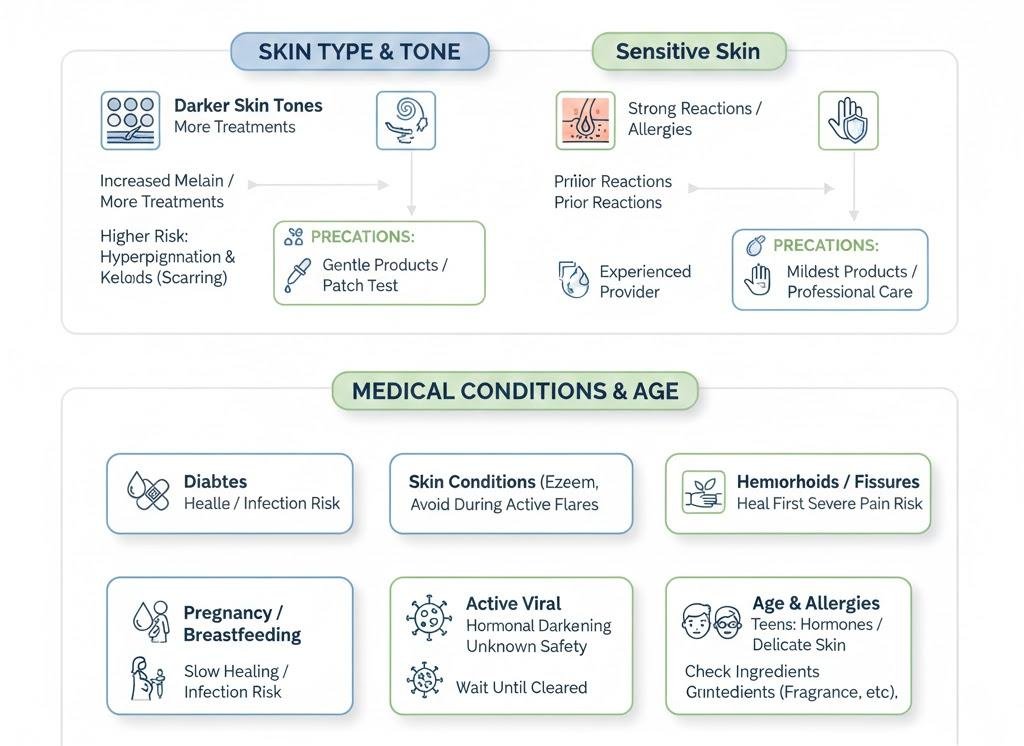
Not everyone’s skin responds to anal bleaching the same way. Your skin type, tone, and any existing conditions all affect how you’ll respond to treatment and what precautions you need to take. Let me explain what different people need to consider.
If you have darker skin tones, you face unique considerations. Darker skin contains more melanin, which means it takes more treatments to achieve noticeable lightening. But darker skin also has a higher risk of certain complications.
Post-inflammatory hyperpigmentation is a condition where skin becomes darker after injury or irritation. People with darker skin are more prone to this. Ironically, anal bleaching treatments meant to lighten skin can sometimes cause darker spots if your skin reacts badly to the treatment.
To reduce this risk, I recommend starting with gentler products and lower concentrations. Test the product on another area first. If you’re getting professional treatment, make sure your provider has experience working with darker skin tones.
Keloid scarring is another concern for people with darker skin. If you have a history of keloid scars, be especially cautious with anal bleaching, particularly laser treatments. Discuss this history with your provider before proceeding.
If you have sensitive skin, you need extra precautions. Some people’s skin reacts strongly to products that don’t bother most people. If you know you have sensitive skin, or if you’ve had reactions to skincare products before, take these steps:
Always do patch tests before using any new product, even if it’s marketed as gentle. Apply a small amount to the inside of your elbow or behind your ear and wait 48 hours to check for reactions.
Start with the mildest products available. You can always move to stronger products if needed, but you can’t undo damage from products that are too harsh for your skin.
Consider getting professional treatment rather than doing it at home. Professional supervision means someone can stop the treatment immediately if you have a bad reaction.
Certain medical conditions require special consideration or make anal bleaching inadvisable:
If you have diabetes, your skin heals more slowly and you’re at higher risk for infections. Talk with your doctor before pursuing anal bleaching. If they approve, make sure your blood sugar is well-controlled before and after treatment.
If you have any skin conditions like eczema, psoriasis, or dermatitis that affect the anal area, you should not do anal bleaching while those conditions are active. The treatment will irritate your already-compromised skin and might make the condition worse.
If you have hemorrhoids, anal fissures, or other anal health problems, address these issues first before considering bleaching. Applying chemical products to damaged or inflamed tissue causes severe pain and can worsen the condition.
If you’re pregnant or breastfeeding, I recommend waiting. Many bleaching products haven’t been tested for safety during pregnancy, and hormonal changes during pregnancy often cause temporary darkening anyway. The darkening usually improves after delivery and breastfeeding ends.
If you have active herpes or other viral infections in the area, wait until the infection has completely cleared before pursuing anal bleaching.
Age matters too. Teenagers and young adults should think carefully before pursuing anal bleaching. Your body is still experiencing hormonal changes that affect skin pigmentation. The darkening might be temporary and resolve on its own as you finish puberty.
Older adults need to consider that their skin is more delicate and heals more slowly. Gentler treatments and longer healing times might be necessary.
If you have allergies, especially to specific ingredients, you must check product labels carefully. Common allergens in bleaching products include fragrances, preservatives, and certain acids. Tell your provider about all known allergies before treatment.
Skin Type Considerations And Recommendations
| Skin Type/Condition | Special Considerations | Recommended Approach | Products/Treatments To Avoid |
|---|---|---|---|
| Very dark skin | Higher melanin requires more treatments; increased PIH risk | Start gentle; use an experienced provider | High-concentration products without supervision |
| Sensitive skin | More prone to irritation and reactions | Patch test everything; start mild | Products with fragrances or harsh ingredients |
| Eczema/Psoriasis | Cannot treat during flare-ups | Wait for clear skin; focus on condition management first | Any treatment during active flare-ups |
| Diabetes | Slower healing; higher infection risk | Medical clearance required; strict hygiene | Treatment if blood sugar is poorly controlled |
| Pregnancy/Breastfeeding | Hormone changes; unknown safety profile | Wait until after breastfeeding | All treatments during pregnancy |
| Hemorrhoids/Fissures | Damaged tissue more susceptible to harm | Treat condition first; wait for full healing | Any bleaching on damaged tissue |
| Keloid-prone skin | Higher scarring risk | Consider avoiding altogether or use mildest options | Aggressive peels, laser treatments |
Truth vs. Fiction Quick Reference
| Myth | Reality |
|---|---|
| Uses household bleach | Uses safe acids, lasers, or lightening agents—never actual bleach |
| Only for adult performers | People from all backgrounds pursue this treatment |
| Indicates poor hygiene | Natural biological response to friction, unrelated to cleanliness |
| Results are permanent | Results fade over time; maintenance needed |
| Can achieve any color | Limited by your natural skin tone and genetics |
| Extremely painful | Most people find it less uncomfortable than expected |
| Only for women | Men also get this treatment |
| Always dangerous | Safe when done properly with legitimate products |
| Everyone needs it | Completely optional; darker skin there is normal |
| Most expensive is best | Quality depends on training and products, not just price |
Alternatives To Anal Bleaching
Maybe after reading all this information, you’re thinking anal bleaching might not be right for you. Perhaps it’s not in your budget, you’re concerned about the risks, or you’re just not comfortable with the idea. That’s completely fine. Let me share some alternatives that might interest you.
Acceptance and mindset shift. I want to start by saying that darker skin around your anus is completely normal. It doesn’t need to be “fixed.” Many people become more comfortable with their natural appearance once they understand that this darkening is a universal human characteristic, not a personal flaw.
If negative self-image or pressure from a partner is driving your interest in anal bleaching, I encourage you to address those underlying issues instead. Everyone’s body has variations in skin tone across different areas. That’s part of being human.
Friction reduction strategies. Since friction causes darkening, reducing friction can prevent the area from getting darker and might even allow slight natural lightening over time.
Wear looser clothing, especially underwear that doesn’t rub constantly against the skin. Choose cotton fabrics that breathe well.
Maintain a healthy weight to reduce friction between your buttocks during movement.
Use gentle, fragrance-free body powder in the area to reduce moisture and friction.
Gentle exfoliation might help slightly. Some people find that regular gentle exfoliation with a soft washcloth or mild body scrub can slightly improve the appearance over time. This works by removing dead skin cells and promoting skin renewal. However, don’t scrub aggressively—you’ll cause irritation and potentially make darkening worse.
Natural lightening agents as a very mild alternative. Some natural ingredients have mild skin-lightening properties, though they’re much less effective than actual bleaching products. These include:
Vitamin C serums can inhibit melanin production. Look for products with L-ascorbic acid.
Licorice root extract contains compounds that may lighten skin slightly.
Niacinamide (vitamin B3) can help even out skin tone.
Alpha hydroxy acids (AHAs) from natural sources like lactic acid can provide gentle exfoliation.
These natural options take much longer to show any results—if they show results at all—and the lightening effect is minimal. But they’re generally safer and less likely to cause irritation.
Camouflage makeup. For special occasions or if you’re self-conscious in intimate situations, waterproof body makeup can temporarily conceal the darker skin. This doesn’t change the actual skin color, but it provides a cosmetic solution for specific situations. Make sure any makeup you use is safe for intimate areas and properly remove it afterward.
Focus on overall skin health. Keeping your skin healthy, well-moisturized, and protected from excessive sun exposure (if the area is exposed during nude sunbathing or similar activities) helps maintain even skin tone throughout your body.
Therapy or counseling if needed. If concerns about your body image are causing significant distress or affecting your relationships and self-esteem, speaking with a therapist might be more helpful than pursuing cosmetic treatments. Body image concerns often have deeper roots that cosmetic procedures don’t address.
Frequently Asked Questions About Anal Bleaching
Q1: Is anal bleaching actually safe, or will it damage my skin?
Anal bleaching is safe when done properly with legitimate products and trained professionals. Risks come from dangerous ingredients like mercury, improper application, or unqualified providers. Safe products contain kojic acid or mild acids. Your risk depends on skin type and health. To stay safe, avoid questionable products, follow instructions exactly, do patch tests, and get professional guidance. Stop immediately if severe burning occurs. Proper technique with quality products rarely causes serious problems, but mistakes can lead to burns, scarring, or infections.
Q2: How much does anal bleaching cost?
At-home products cost twenty to one hundred dollars but need repeated purchases. Professional chemical peels run one hundred to three hundred dollars per session, with most needing three to five sessions totaling six hundred to one thousand dollars. Laser treatments cost three hundred to one thousand dollars per session, typically needing one to three sessions for five hundred to three thousand dollars total. Urban areas charge more. Budget for maintenance every few months since results fade over time.
Q3: Does anal bleaching hurt or cause pain during the procedure?
Most people find it less painful than expected. At-home creams cause slight tingling or nothing at all. Chemical peels create mild stinging similar to sunburn. Laser treatments feel like quick rubber band snaps, with numbing cream reducing sensation to just pressure. Afterward, expect mild tenderness for one to two days manageable with over-the-counter pain relievers. The procedure is generally tolerable for most people.
Q4: How long does it take to see results from anal bleaching?
At-home products show first changes after four to six weeks, with significant results in eight to twelve weeks. Chemical peels produce visible lightening after the first session, with goals reached in three to five sessions over two to four months. Laser treatments work fastest, showing some results immediately with full effects in one to two weeks. Most achieve goals in one to three sessions over one to three months. Lighter skin responds faster than darker tones.
Q5: Can I do anal bleaching while pregnant or breastfeeding?
No, avoid anal bleaching during pregnancy or breastfeeding. Products haven’t been tested for safety, and chemicals might affect your baby. Pregnancy hormones cause temporary darkening that usually fades naturally after delivery, making treatment ineffective. Pregnancy also increases skin sensitivity and complication risks. Wait until several months after stopping breastfeeding when hormones normalize and pregnancy-related darkening has had time to improve naturally.
Q6: Will anal bleaching make the area completely pink?
No, most people won’t achieve pink color. Your natural skin tone determines results. Bleaching lightens several shades but can’t override genetics. Light-skinned people might reach pinkish tones, but medium to darker skin will lighten while retaining some color. The goal should be matching surrounding skin tone, not achieving unrealistic colors from edited photos. Pink appearance in images often results from natural light skin, photo editing, or makeup application.
Q7: How often do I need maintenance treatments?
Results aren’t permanent due to friction from daily activities. Laser treatments typically last six to twelve months before needing touch-ups. Chemical peels last three to six months. At-home creams require maintenance application two to three times weekly after initial treatment, with the area darkening again within two to four months if stopped completely. Your activity level, body’s melanin production, and genetics affect how quickly darkening returns. Plan for ongoing treatments every few months indefinitely.
Q8: Can I exercise after anal bleaching treatment?
Avoid intense exercise for three to five days after professional treatment. Light walking is fine, but skip running, cycling, hot yoga, or activities causing heavy sweating and friction. Swimming should wait at least five days to avoid chlorine irritation and bacteria exposure. Heat from hot baths, hot tubs, and saunas increases inflammation, so stick with lukewarm showers for one week. You can gradually resume normal activities after the initial healing period once tenderness subsides.
Q9: What should I avoid after anal bleaching?
Avoid sexual activity for at least three days, tight clothing for one week, intense exercise for three to five days, swimming for five days, hot baths and saunas for one week, hair removal for two weeks, and scented products on the area. Wear loose cotton underwear, keep the area clean with gentle soap, apply healing creams as directed, and avoid friction. Don’t scratch or rub the area even if itchy. Following aftercare instructions prevents complications and helps results last longer.
Q10: Can anal bleaching cause infections?
Yes, infections can occur if bacteria enter through compromised skin during or after treatment. Risk increases with improper technique, poor hygiene, or resuming sexual activity too soon. Signs of infection include increasing redness, warmth, swelling, pus discharge, bad odor, or fever. Prevent infections by keeping the area clean, wearing clean loose underwear, applying prescribed healing creams, avoiding sex for three days minimum, and not touching the area with dirty hands. Seek medical care immediately if infection symptoms develop.
Q11: Does health insurance cover anal bleaching?
No, health insurance doesn’t cover anal bleaching because it’s considered cosmetic, not medically necessary. You’ll pay out-of-pocket for all treatments, products, and maintenance. Some medical credit cards or payment plans might be available through providers. The only exception would be if excessive darkening resulted from a diagnosed medical condition requiring treatment, but this is extremely rare. Budget accordingly since you’ll bear all costs including future maintenance treatments.
Q12: Can I use regular skin lightening products for anal bleaching?
Not all skin lightening products are safe for the sensitive anal area. Products designed for face or body might be too harsh. Look specifically for products formulated for intimate areas or labeled safe for sensitive skin. Avoid products with fragrances, harsh chemicals, or unknown ingredients. Never use products containing mercury or high concentrations of hydroquinone. Kojic acid products designed for intimate areas are safest. When in doubt, consult a dermatologist before applying any product to this sensitive region.
Q13: Will anal bleaching affect sensation in the area?
Properly performed anal bleaching shouldn’t permanently affect sensation. You might experience temporary numbness if numbing cream was used, or temporary increased sensitivity during healing. These effects resolve as skin heals completely, typically within one to two weeks. Nerve damage causing permanent sensation changes is extremely rare and only occurs with severe chemical burns or improper laser use. If you experience lasting numbness, tingling, or sensation changes beyond two weeks, consult a doctor immediately.
Q14: Can I do anal bleaching if I have hemorrhoids?
No, don’t do anal bleaching if you have active hemorrhoids, anal fissures, or other anal health problems. Applying chemical products to already damaged or inflamed tissue causes severe pain and worsens the condition. Address and completely heal these issues first before considering bleaching. Once healed for several weeks with no symptoms, you can safely pursue anal bleaching. Always inform your provider about any anal health history so they can properly assess your candidacy for treatment.
Q15: What’s the difference between professional and at-home anal bleaching?
Professional treatments use stronger products and advanced equipment like medical-grade lasers unavailable to consumers. Trained providers know proper application techniques and can handle complications immediately. Results appear faster and last longer, but cost significantly more. At-home treatments use gentler products with lower concentrations, work more slowly, and carry higher risk of mistakes since you apply products yourself. However, they’re more affordable and private. Professional treatments are safer overall but require clinic visits and higher investment.
Q16: Can anal bleaching remove scars or stretch marks in the area?
No, anal bleaching specifically targets melanin pigmentation and won’t remove scars or stretch marks. These are structural skin changes requiring different treatments. However, if scars or stretch marks appear darker than surrounding skin due to hyperpigmentation, bleaching might lighten the color slightly, making them less noticeable. For actual scar removal, you’d need treatments like microneedling, laser scar revision, or surgical correction. Discuss your specific concerns with a dermatologist to determine appropriate treatments.
Q17: Is there an age limit for anal bleaching?
There’s no strict age limit, but minors shouldn’t get anal bleaching. This is an elective cosmetic procedure that teenagers don’t need, especially since hormonal changes during puberty naturally affect pigmentation. Most reputable providers won’t treat anyone under eighteen. For older adults, age itself isn’t a barrier, but skin becomes more delicate and heals slower with age. Older patients might need gentler products and longer healing times. Always disclose your age and health status to providers.
Q18: Can anal bleaching help with skin conditions like eczema or psoriasis?
No, anal bleaching doesn’t treat skin conditions and can actually make them worse. If you have eczema, psoriasis, or dermatitis in the anal area, you cannot safely do bleaching while conditions are active. The chemicals will severely irritate already compromised skin and trigger flare-ups. First get your skin condition properly managed and under control. Only pursue bleaching once skin has been clear and healthy for several weeks. Always inform providers about any skin conditions before treatment.
Q19: What happens if bleaching products accidentally get inside my rectum?
If products enter your rectum, they can cause serious damage to delicate rectal tissue. You might experience burning, pain, bleeding, or inflammation. More seriously, repeated exposure can cause anal strictures, which are scar tissue formations that narrow the rectal opening and make bowel movements difficult and painful. If products accidentally enter your rectum, rinse thoroughly with water immediately. If you experience severe pain, bleeding, or bowel movement difficulties afterward, seek medical attention. This complication is avoidable with careful external-only application.
Q20: Can I tan or go in the sun after anal bleaching?
Avoid sun exposure on the treated area for at least two weeks after bleaching. Freshly bleached skin is more vulnerable to sun damage and hyperpigmentation. If the area will be exposed during nude sunbathing or beach activities, apply broad-spectrum SPF 30 or higher sunscreen and reapply frequently. Sun exposure can darken the area again quickly, reducing your results. Most people don’t expose this area to sun regularly, so this mainly concerns those who engage in nude recreation or wear very revealing swimwear.