
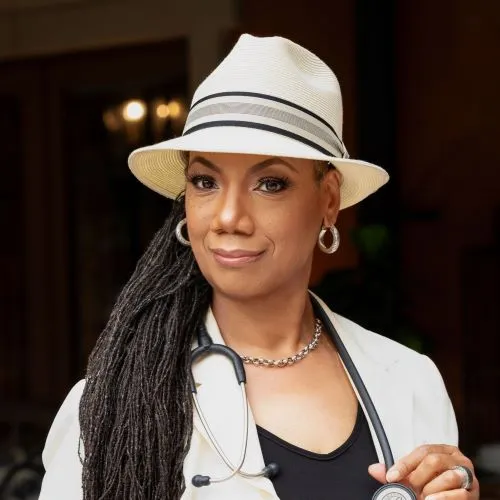
Dr. Chandra G. Higginbotham, MD Obstetrician-Gynecologist and Women’s Health Care
Dr. Chandra G. Higginbotham, MD, is a board-certified obstetrician-gynecologist with additional experience in integrative and whole-person medicine. Her work focuses on women’s health, preventive gynecology, hormonal concerns, menstrual problems, preconception wellness, menopause support, nutrition, and long-term health planning.
Her approach considers how reproductive health may be influenced by sleep, stress, nutrition, medication, metabolic health, environment, and other medical conditions. This broader view may be helpful for patients who want to understand why symptoms continue rather than only receiving short-term symptom relief.
About Dr. Chandra G. Higginbotham
Dr. Higginbotham has more than three decades of experience in obstetrics and gynecology. She provides care through The Women’s Health Solution, where her work combines conventional gynecologic medicine with selected integrative health principles.
Obstetrics and gynecology covers pregnancy, reproductive health, menstrual care, cervical screening, pelvic conditions, menopause, and disorders affecting the uterus, ovaries, vagina, and vulva.
Patients may consult Dr. Higginbotham for concerns involving:
- Annual gynecologic care
- Menstrual changes
- Hormonal symptoms
- Menopause and perimenopause
- Pelvic pain
- Fibroids
- Ovarian cysts
- Vaginal symptoms
- Cervical health
- Preconception planning
- Fertility-related wellness
- Nutrition and metabolic health
- Preventive health planning
- Integrative medicine consultations
Patients comparing professionals in this field can review other gynecology specialists through Doctiplus.
Professional Background and Experience
Dr. Higginbotham’s professional background includes clinical obstetrics, gynecology, preventive women’s healthcare, and integrative medicine.
Her work may involve helping patients understand how reproductive symptoms connect with their wider health. For example, irregular periods may be influenced by pregnancy, thyroid function, body-weight changes, medication, stress, perimenopause, or a condition affecting the ovaries or uterus.
Her professional interests include:
- General gynecology
- Preventive women’s health
- Hormonal balance
- Menopause care
- Preconception wellness
- Clinical nutrition
- Lifestyle medicine
- Metabolic health
- Environmental health factors
- Functional and integrative medicine
- Long-term disease prevention
Integrative care does not replace appropriate medical testing or standard treatment. Instead, it may add a wider review of health habits and possible contributing factors to conventional diagnosis and treatment.
Education and Medical Training
| Training Area | Institution | Details |
|---|---|---|
| Undergraduate education | Tulane University | Bachelor’s degree |
| Medical education | Louisiana State University School of Medicine | Doctor of Medicine |
| Residency | University of Texas Medical Branch | Obstetrics and gynecology |
| Board certification | American Board of Obstetrics and Gynecology | Obstetrics and gynecology |
| Additional credential | American Board of Integrative Medicine | Integrative medicine |
Dr. Higginbotham completed her medical degree before entering specialist residency training in obstetrics and gynecology.
OB-GYN residency prepares physicians to provide preventive reproductive healthcare, manage pregnancy, assess gynecologic symptoms, perform procedures, and respond to urgent women’s health concerns.
Her additional work in integrative medicine supports an approach that considers nutrition, lifestyle, stress, sleep, environmental exposure, and other factors that may influence health.
Board Certification and Professional Credentials
Dr. Higginbotham is board-certified in obstetrics and gynecology and holds an additional credential in integrative medicine.
Her professional credentials include:
- MD, meaning Doctor of Medicine
- Residency training in obstetrics and gynecology
- Board certification in obstetrics and gynecology
- Integrative medicine certification
- FACOG, meaning Fellow of the American College of Obstetricians and Gynecologists
- Professional involvement in functional and integrative health organizations
Board certification is different from medical licensing. Certification reflects specialty training and assessment, while a medical license authorizes a physician to practice within a particular jurisdiction.
Professional fellowship and membership are also separate from board certification.
Whole-Person Women’s Health Care
Whole-person care considers the patient’s reproductive symptoms alongside other areas of health.
A consultation may include questions about:
- Menstrual history
- Pregnancy history
- Current medication
- Eating patterns
- Sleep quality
- Stress
- Physical activity
- Digestive symptoms
- Family medical history
- Previous surgery
- Environmental exposure
- Menopause symptoms
- Future pregnancy goals
This approach may help identify patterns that are missed when each symptom is considered separately.
For example, fatigue, weight changes, irregular periods, poor sleep, and mood changes may be connected. However, these symptoms can have several possible causes, so appropriate examination and testing remain important.
Preventive Gynecologic Care
Preventive gynecology aims to identify reproductive and general health risks before they cause serious problems.
A preventive visit may include:
- Menstrual history review
- Blood pressure measurement
- Medication assessment
- Cervical screening when due
- Breast health discussion
- Pelvic examination when appropriate
- Contraception counseling
- Pregnancy planning
- Menopause discussion
- Sexually transmitted infection testing when appropriate
- Review of family cancer history
- Bone and metabolic health discussion
Not every patient needs every examination or screening test during each visit. Recommendations depend on age, symptoms, earlier results, medical history, and individual risk factors.
Regular preventive visits are part of maintaining health through routine medical checkups.
Menstrual Problems and Abnormal Bleeding
Menstrual cycles can change because of age, pregnancy, stress, illness, medication, hormone changes, and conditions affecting the reproductive system.
Patients may seek an evaluation for:
- Very heavy periods
- Bleeding between periods
- Periods lasting longer than expected
- Missing periods
- Painful menstruation
- Bleeding after intercourse
- Irregular cycles
- Bleeding after menopause
- Weakness or dizziness during periods
Possible causes include:
- Fibroids
- Uterine polyps
- Hormonal changes
- Thyroid conditions
- Polycystic ovary syndrome
- Perimenopause
- Medication effects
- Pregnancy-related conditions
- Endometrial changes
- Infection
Evaluation may include pregnancy testing, blood tests, pelvic examination, ultrasound, cervical testing, or uterine tissue sampling when appropriate.
Bleeding after menopause should be medically assessed even when it happens only once.
Hormonal Health
Hormonal symptoms may affect menstrual cycles, sleep, mood, energy, weight, skin, hair, and reproductive health.
Patients may report:
- Irregular periods
- Hot flashes
- Night sweats
- Sleep difficulty
- Mood changes
- Vaginal dryness
- Acne
- Unwanted hair growth
- Reduced energy
- Weight changes
- Changes in sexual comfort
- Difficulty becoming pregnant
These symptoms do not automatically confirm a hormone disorder. Similar concerns can be caused by medication, thyroid disease, anemia, stress, sleep problems, pregnancy, or another medical condition.
Testing should be selected according to the patient’s symptoms and medical history rather than ordering a large group of tests without a clear clinical reason.
Perimenopause and Menopause Care
Perimenopause is the transition leading to menopause. Hormone levels may change unevenly during this stage, causing periods and symptoms to become less predictable.
Possible symptoms include:
- Hot flashes
- Night sweats
- Irregular bleeding
- Sleep problems
- Mood changes
- Vaginal dryness
- Urinary symptoms
- Reduced concentration
- Changes in sexual comfort
- Joint or muscle discomfort
Treatment depends on the symptoms, medical history, personal preferences, and possible risks.
Options may include:
- Lifestyle changes
- Sleep support
- Vaginal moisturizers
- Local vaginal treatment
- Nonhormonal medication
- Hormone therapy for suitable patients
- Bone health assessment
- Cardiovascular risk review
Hormone therapy is not appropriate for every patient. Decisions may consider personal and family history of blood clots, breast disease, cardiovascular conditions, unexplained bleeding, and other risk factors.
Preconception Wellness
Preconception care supports patients who are thinking about pregnancy before conception occurs.
The visit may include reviewing:
- Current medication
- Supplements
- Vaccination history
- Menstrual cycles
- Previous pregnancies
- Family medical history
- Diabetes or blood pressure
- Thyroid health
- Nutrition
- Substance exposure
- Genetic risks
- Fertility concerns
Some medicines should be adjusted before pregnancy, while others should not be stopped suddenly. Patients should discuss every prescription, supplement, and herbal product with a qualified healthcare professional.
Preconception planning may also include folic acid guidance, chronic disease management, and referral to another specialist when pregnancy may involve additional risk.
Patients interested in pregnancy-related care can review other obstetricians available through Doctiplus.
Fertility-Related Health Assessment
Difficulty becoming pregnant can involve several possible factors. These may affect ovulation, the uterus, fallopian tubes, sperm health, or a combination of areas.
An initial evaluation may consider:
- Menstrual regularity
- Previous pregnancies
- Age
- Duration of pregnancy attempts
- Previous pelvic infection
- Endometriosis symptoms
- Fibroids
- Ovarian reserve
- Medication use
- Thyroid health
- Metabolic conditions
- Partner health
Not every patient requires the same tests. Some concerns can be evaluated within general gynecology, while others may require referral to a reproductive endocrinologist.
Polycystic Ovary Syndrome
Polycystic ovary syndrome, commonly called PCOS, is a hormonal and metabolic condition that can affect menstrual cycles, ovulation, skin, hair growth, and fertility.
Possible signs include:
- Irregular periods
- Missed periods
- Acne
- Increased facial or body hair
- Difficulty becoming pregnant
- Weight changes
- Darkened areas of skin
- Metabolic concerns
A diagnosis is not based only on the appearance of the ovaries on an ultrasound. The doctor may consider symptoms, menstrual patterns, blood tests, and other possible causes.
Treatment depends on the patient’s goals. A person trying to become pregnant may need a different plan from someone mainly concerned about irregular bleeding or metabolic health.
Fibroids and Uterine Health
Fibroids are noncancerous growths that develop from the muscle of the uterus.
Some fibroids cause no symptoms. Others may lead to:
- Heavy menstrual bleeding
- Pelvic pressure
- Painful periods
- Frequent urination
- Constipation
- Abdominal fullness
- Anemia
- Fertility or pregnancy concerns
Treatment depends on the number, location, and size of the fibroids, along with the patient’s symptoms and future pregnancy plans.
Options may include monitoring, medication, procedures, or surgery. A specific treatment should not be recommended until the patient has been properly assessed.
Ovarian Cysts
An ovarian cyst is a fluid-filled or partly solid area that develops on or inside an ovary.
Many cysts are related to normal ovulation and disappear without treatment. Further evaluation may be needed when a cyst:
- Causes continuing pain
- Appears complex on imaging
- Increases in size
- Develops after menopause
- Causes pressure or bloating
- Is associated with abnormal bleeding
The doctor may recommend repeat ultrasound, blood testing, observation, or surgical consultation depending on the findings.
Sudden severe pelvic pain with vomiting, weakness, or fainting may require urgent assessment.
Pelvic Pain
Pelvic pain may be sudden, recurring, or long-lasting. Its timing, location, and relationship with menstrual cycles can help guide the evaluation.
Possible causes include:
- Menstrual cramping
- Endometriosis
- Fibroids
- Ovarian cysts
- Pelvic infection
- Bladder conditions
- Digestive concerns
- Pelvic floor problems
- Scar tissue after surgery
- Pregnancy-related conditions
Patients should describe whether the pain is sharp, cramping, burning, aching, or pressure-like. They should also mention whether it is connected with periods, urination, bowel movements, exercise, or sexual activity.
Cervical Health and Screening
Cervical screening helps identify cell changes that may need monitoring or treatment.
Depending on age and medical history, screening may include:
- A Pap test
- HPV testing
- Both tests together
An abnormal result does not automatically mean cervical cancer is present.
Further care may include:
- Repeat testing
- Colposcopy
- Cervical biopsy
- Treatment of abnormal cells
- Closer follow-up
Patients should provide details of previous abnormal tests, cervical procedures, pregnancy, immune conditions, and HPV vaccination.
Vaginal and Vulvar Symptoms
Vaginal or vulvar symptoms may be caused by infection, irritation, hormone changes, skin conditions, medication, or another gynecologic concern.
Patients may seek care for:
- Discharge
- Odor
- Itching
- Burning
- Dryness
- Pain
- A visible sore or lump
- Repeated infections
- Discomfort during sexual activity
Self-treatment may delay the correct diagnosis because yeast infections, bacterial imbalance, sexually transmitted infections, skin disorders, and hormonal dryness can produce similar symptoms.
Testing may include examination, vaginal samples, urine testing, or infection screening.
Bladder and Pelvic Floor Concerns
Gynecologic care may also include the initial assessment of urinary and pelvic floor symptoms.
These may include:
- Frequent urination
- Urinary urgency
- Leaking urine
- Bladder discomfort
- Pelvic pressure
- A feeling of vaginal bulging
- Difficulty emptying the bladder
- Symptoms after childbirth
Treatment may include lifestyle changes, bladder training, pelvic floor physical therapy, medication, or referral to a urogynecologist or urologist.
Nutrition and Lifestyle Medicine
Dr. Higginbotham’s approach includes attention to nutrition and lifestyle as parts of long-term health.
A lifestyle discussion may consider:
- Food patterns
- Sleep
- Stress
- Physical activity
- Digestive health
- Blood sugar
- Blood pressure
- Weight changes
- Environmental exposure
- Tobacco or alcohol use
Nutrition may support medical treatment, but food should not be presented as a guaranteed cure for reproductive or chronic disease.
Recommendations should be realistic, evidence-informed, and suitable for the patient’s medical history.
Who May Benefit From Seeing Dr. Higginbotham
An appointment may be appropriate for patients who:
- Need a routine gynecologic examination
- Have menstrual changes
- Experience symptoms of perimenopause
- Want menopause support
- Have pelvic pain
- Need evaluation of fibroids or ovarian cysts
- Have vaginal or urinary symptoms
- Need cervical screening
- Want preconception guidance
- Have fertility-related concerns
- Want to review hormonal symptoms
- Are interested in integrative women’s healthcare
- Need help connecting several ongoing symptoms
Patients searching for another healthcare professional can use the Doctiplus directory to find doctors by specialty.
What Patients Can Expect During an Appointment
The appointment generally begins with a detailed discussion of the patient’s main concern and medical history.
Dr. Higginbotham may ask about:
- Menstrual cycles
- Pregnancy history
- Current medication
- Supplements
- Previous surgery
- Family medical history
- Sleep and stress
- Eating patterns
- Hormonal symptoms
- Pelvic or vaginal concerns
- Fertility goals
- Earlier test results
The examination depends on the reason for the appointment. A pelvic or breast examination may be recommended when clinically appropriate.
Possible next steps include:
- Laboratory testing
- Pregnancy testing
- Cervical screening
- Infection testing
- Ultrasound
- Medication
- Nutrition or lifestyle planning
- Follow-up monitoring
- Referral to another specialist
Patients can ask for an explanation before any examination, test, or procedure begins.
Preparing for the Appointment
Patients can prepare by bringing:
- A current medication list
- Supplement information
- Allergy details
- Dates of recent periods
- Previous Pap or HPV results
- Ultrasound or imaging reports
- Earlier laboratory results
- Pregnancy records
- Surgical records
- Family cancer history
- Insurance information
- Written questions
A symptom diary may also be useful. Patients can record bleeding patterns, pain, hot flashes, sleep changes, food-related symptoms, and medication use.
Questions to Ask Dr. Higginbotham
Patients may consider asking:
- What could be causing my symptoms?
- Which tests are medically necessary?
- Could medication be contributing?
- Are hormone changes involved?
- What treatment options are available?
- Are there nonhormonal options?
- How could nutrition or lifestyle support my care?
- Do I need an ultrasound?
- Is specialist care necessary?
- Could this condition affect pregnancy?
- When should I return for follow-up?
- Which symptoms require urgent attention?
Clear questions can help patients separate treatment goals from general wellness advice.
Practice and Appointment Information
Dr. Higginbotham provides care through The Women’s Health Solution, also presented online as Chasing Health Now.
Practice address:
2316 Arbor Street
Houston, TX 77004
Appointment phone:
713-571-2273
The practice lists appointment-only office hours from Monday through Thursday, 9:00 a.m. to 4:00 p.m.
Appointment availability, office hours, insurance participation, video visits, and specific services may change. Patients should confirm current details directly with the practice.
Insurance and Online Appointments
Insurance participation depends on the patient’s exact policy and network.
Before scheduling, patients should ask:
- Is Dr. Higginbotham included in my plan?
- Is the appointment covered as gynecology or integrative medicine?
- Is a referral required?
- Are laboratory tests billed separately?
- Are nutrition or wellness consultations covered?
- Is a video visit suitable for my concern?
- Is an in-person examination required?
- Are new patients currently being accepted?
Online consultations may be available for selected appointment types. Pelvic pain, abnormal bleeding, pregnancy concerns, or symptoms requiring an examination may still need in-person care.
When Symptoms Require Urgent Care
Patients should not wait for a routine gynecology appointment when symptoms are severe or rapidly worsening.
Urgent medical assessment may be needed for:
- Heavy vaginal bleeding
- Severe pelvic or abdominal pain
- Fainting or severe dizziness
- A positive pregnancy test with pain or bleeding
- Difficulty breathing
- Chest pain
- Sudden weakness
- Persistent vomiting
- Fever with severe pelvic pain
- Serious symptoms after a procedure
- Sudden swelling and pain in one leg
- Symptoms that appear life-threatening
Patients can review guidance about when immediate medical attention may be necessary, but serious symptoms should be assessed without delay.



Reviews
There are no reviews yet.