

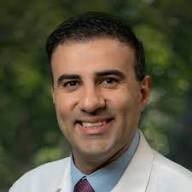
Dr. Harneet K. Singh, MD Sleep Medicine Specialist and Sleep Care
Dr. Harneet K. Singh, MD, is a dual board-certified physician in Internal Medicine and Sleep Medicine whose clinical work focuses on diagnosing and managing conditions that interfere with healthy, restorative sleep. Her medical background combines broad adult medicine training with specialized education in sleep disorders, allowing her to evaluate sleep complaints alongside other health conditions that may be contributing to them. She currently practices with Premier Lung & Sleep Institute, where she also serves as Chief Operating Officer.
Patients may reach a sleep specialist because of loud snoring, disrupted breathing during sleep, persistent insomnia, unusual daytime sleepiness, restless legs, an irregular sleep schedule, or a sleep study that needs specialist interpretation. The purpose of an appointment is not simply to help someone “sleep more.” It is to identify what is interfering with normal sleep and decide whether testing or treatment is appropriate.
Patients looking for broader educational information can also browse the Doctiplus sleep health section, which covers sleep-related symptoms, sleep quality, and conditions that can affect nighttime rest.
About Dr. Harneet K. Singh
Dr. Singh is board certified in both Internal Medicine and Sleep Medicine. Her current practice biography identifies sleep medicine as her primary clinical role and describes her work at Premier Lung & Sleep Institute, where she evaluates patients with a range of sleep-related concerns.
Her internal medicine background is relevant because sleep symptoms often overlap with other areas of adult health. Persistent fatigue, for example, does not automatically mean someone has a sleep disorder. Medication effects, medical conditions, work schedules, stress, breathing problems, and other factors may need to be considered before a diagnosis is made.
Sleep medicine therefore involves more than interpreting a single nighttime test. A useful assessment combines the patient’s symptoms, sleep schedule, medical history, medications, previous testing, and what happens during both the night and the following day.
Medical Education and Sleep Medicine Training
Dr. Singh earned her medical degree from Saint James School of Medicine. She subsequently completed an Internal Medicine residency at the University of Missouri–Columbia and then pursued fellowship training in Sleep Medicine, which she completed in 2020.
| Training Area | Institution | Details |
|---|---|---|
| Medical education | Saint James School of Medicine | Doctor of Medicine |
| Residency | University of Missouri–Columbia | Internal Medicine |
| Fellowship | Sleep Medicine training | Completed in 2020 |
| Board certification | Internal Medicine | Board certified |
| Board certification | Sleep Medicine | Board certified |
| Current focus | Sleep Medicine | Adult sleep-disorder evaluation and treatment |
This training progression is important because sleep medicine sits at the intersection of several medical fields. A sleep specialist may need to understand cardiovascular conditions, respiratory disease, neurological sleep regulation, medication effects, metabolic health, and behavioral sleep patterns before deciding which diagnosis best fits the patient.
Sleep Apnea and Sleep-Related Breathing Problems
Obstructive sleep apnea is one of the major conditions evaluated in Dr. Singh’s practice. Premier Lung & Sleep Institute provides diagnostic testing and treatment for sleep apnea, including home sleep apnea testing and laboratory-based polysomnography.
Obstructive sleep apnea occurs when breathing repeatedly becomes restricted or interrupted during sleep because the upper airway is not staying adequately open.
Possible clues can include loud snoring, witnessed pauses in breathing, gasping during sleep, waking without feeling refreshed, morning headaches, and excessive sleepiness during the day. These symptoms are not enough to establish a diagnosis by themselves, which is why sleep testing may become useful.
Doctiplus also discusses how persistent morning headaches can sometimes overlap with undiagnosed sleep disorders, while emphasizing that headaches can have many possible causes and should not automatically be attributed to sleep apnea.
Home Sleep Apnea Testing
Premier Lung & Sleep Institute lists home sleep apnea testing, commonly abbreviated HSAT, among the diagnostic tools used by Dr. Singh’s sleep program.
A home test records selected information while a patient sleeps in their usual environment. Depending on the device, measurements may include breathing patterns, heart rate, oxygen levels, and airflow.
Home testing can be useful when obstructive sleep apnea is strongly suspected in an appropriate patient, but it does not provide the same range of information as a full laboratory sleep study.
That difference matters. Someone with a straightforward concern about possible obstructive sleep apnea may be evaluated differently from someone whose symptoms suggest unusual nighttime behaviors, complex breathing abnormalities, or another sleep disorder.
The test should therefore match the clinical question rather than simply being chosen because it is more convenient.
Overnight Polysomnography
An overnight laboratory sleep study, or polysomnography, provides a more detailed view of what happens during sleep.
Premier Lung & Sleep Institute states that its in-lab studies can record brain waves, breathing, oxygen levels, heart rhythm, sleep stages, and limb movements.
This information can help physicians identify whether a patient’s symptoms are related to breathing interruptions, abnormal movement, unusual sleep architecture, or another nighttime pattern.
Patients sometimes focus heavily on whether a sleep study is “normal” or “abnormal.” The more useful question is what the findings mean in relation to the symptoms that led to testing.
A sleep specialist can help separate minor findings from abnormalities that are significant enough to change treatment.
CPAP and Positive Airway Pressure Treatment
When obstructive sleep apnea is diagnosed, positive airway pressure therapy may be one treatment option. Premier Lung & Sleep Institute provides CPAP and related sleep-apnea management as part of its sleep program.
CPAP works by providing air pressure through a mask to help maintain an open airway during sleep.
Successful treatment is not only about having a machine. Patients can sometimes have difficulty because of mask fit, pressure comfort, dryness, air leakage, nasal symptoms, or trouble adapting to sleeping with the equipment.
Follow-up is useful because modern devices can provide information about usage and treatment performance. If symptoms remain despite therapy, a sleep specialist can review whether the equipment is being used effectively and whether another issue may be interfering with sleep.
Patients should not independently change prescribed settings without guidance from the team managing their sleep treatment.
Insomnia
Insomnia involves persistent difficulty falling asleep, remaining asleep, waking earlier than intended, or obtaining sleep that feels restorative despite having an opportunity to sleep.
Dr. Singh’s sleep practice evaluates insomnia along with other sleep disorders.
An insomnia evaluation may examine:
- Usual bedtime and wake time
- How long it takes to fall asleep
- Frequency of nighttime awakenings
- Daytime naps
- Work or school schedule
- Caffeine use
- Medications
- Sleep environment
- Whether another sleep disorder is present
One important distinction is whether insomnia is the main problem or a consequence of something else.
For example, pain, sleep apnea, an irregular schedule, medication effects, or another medical issue may contribute to repeated awakenings. Identifying that difference can change the treatment plan considerably.
Patients can find additional educational material in the Doctiplus sleep section, including information about sleep environment, stress, and persistent sleep difficulties.
Excessive Daytime Sleepiness
Persistent sleepiness during the day deserves a different evaluation from ordinary tiredness after a short night.
Sleep apnea, insufficient sleep, narcolepsy, hypersomnia, medication effects, fragmented sleep, and circadian rhythm disorders can all contribute to daytime sleepiness.
Dr. Singh’s practice provides testing for patients whose primary concern involves excessive daytime sleepiness.
The specialist may ask whether the patient unintentionally falls asleep, struggles to remain alert during quiet activities, feels refreshed after naps, or sleeps for a long period but still wakes feeling unrefreshed.
The patient’s actual sleep duration also matters. Before investigating an uncommon sleep disorder, the physician may first need to determine whether the person is consistently obtaining enough sleep.
Narcolepsy and Hypersomnia Testing
Premier Lung & Sleep Institute lists the Multiple Sleep Latency Test, or MSLT, among its diagnostic services for selected patients with excessive daytime sleepiness. The practice uses this type of testing when evaluating conditions such as narcolepsy and idiopathic hypersomnia.
The MSLT is generally performed through several scheduled daytime nap opportunities and evaluates how quickly someone falls asleep under controlled conditions.
It is not normally the first test for everyone who feels tired.
Before more specialized testing is useful, a sleep physician may need to consider whether insufficient sleep, untreated sleep apnea, medications, shift work, or another condition could explain the symptoms.
Premier Lung & Sleep Institute also provides the Maintenance of Wakefulness Test for selected situations where the ability to remain awake needs objective assessment.
Restless Legs and Limb Movements During Sleep
Restless legs syndrome can cause an uncomfortable urge to move the legs that is typically more noticeable during periods of rest. Some patients describe symptoms that are especially disruptive in the evening or around bedtime.
Dr. Singh’s current sleep program provides evaluation and treatment for restless legs syndrome and periodic limb movement problems.
A sleep specialist may review the timing of symptoms, medications, sleep quality, and other medical factors before deciding whether additional testing is needed.
Periodic limb movements are different from simply moving occasionally during normal sleep. Their clinical importance depends partly on whether they repeatedly disrupt sleep and whether they correspond with the patient’s daytime complaints.
An overnight sleep study can record limb movement when that information is relevant to the evaluation.
Circadian Rhythm Sleep-Wake Disorders
Some patients are capable of sleeping well but have difficulty sleeping at a time that matches their daily obligations.
This can occur with circadian rhythm sleep-wake disorders, shift-work schedules, irregular routines, or other disruptions to the body’s normal sleep timing.
Premier Lung & Sleep Institute uses actigraphy as one option for longer-term monitoring of sleep and wake patterns. The device resembles a wristwatch and records movement over several days or weeks, providing information that may help clinicians understand the patient’s natural sleep schedule.
This type of problem is different from classic insomnia.
Someone with insomnia may struggle to sleep even when the timing is appropriate. Someone with a circadian issue may sleep relatively normally once allowed to follow a later or earlier schedule.
A detailed sleep history can help separate these patterns.
Bruxism and Sleep-Related Teeth Grinding
Dr. Singh’s practice also evaluates sleep-related bruxism when there is concern that teeth grinding or clenching may overlap with an underlying sleep disorder.
Bruxism is often addressed with a dentist, particularly when it causes tooth wear or jaw symptoms. Sleep medicine becomes relevant when nighttime grinding appears alongside snoring, disrupted breathing, repeated awakenings, or another sleep-related concern.
The presence of bruxism alone does not establish sleep apnea.
Instead, the sleep specialist can determine whether the broader symptom pattern justifies sleep testing while coordinating with dental care when necessary.
Sleep Problems and Other Medical Conditions
Dr. Singh’s Internal Medicine training is particularly relevant when sleep symptoms occur alongside other adult medical concerns.
Sleep quality can be influenced by respiratory disease, cardiovascular conditions, reflux, medications, pain, and many other factors. Likewise, some sleep disorders can complicate the management of other health conditions.
The goal of a sleep evaluation is not to assume that poor sleep explains every symptom. It is to determine whether an identifiable sleep disorder is one meaningful part of the patient’s overall health picture.
Doctiplus includes sleep apnea testing within its broader medical services, showing the overlap between sleep medicine and other areas of clinical care.
What Patients Can Expect During a Sleep Medicine Consultation
Sleep medicine relies heavily on history because the most important symptoms often happen when the patient is asleep.
Dr. Singh may ask about bedtime, wake time, snoring, witnessed breathing pauses, awakenings, naps, daytime sleepiness, caffeine, medication use, work schedule, and how sleep changes between working days and days off.
Information from another person who observes the patient’s sleep can sometimes be particularly useful.
Previous sleep-study reports should be brought to the appointment whenever available. Patients already using CPAP or another sleep device may also benefit from having treatment data available for review.
After the initial assessment, the next step might involve monitoring, a home sleep apnea test, laboratory polysomnography, actigraphy, daytime sleep testing, review of current therapy, or another approach based on the symptoms. Premier Lung & Sleep Institute currently offers each of these diagnostic pathways within its sleep program.
Preparing for an Appointment With Dr. Singh
Patients can make a sleep consultation more productive by organizing a few details before the visit.
Useful information may include:
- Current medications and doses
- Previous sleep-study reports
- CPAP or BiPAP information
- PAP device data when available
- Typical bedtime
- Typical wake time
- Frequency and length of naps
- Snoring or breathing observations from a family member
- Work or shift schedule
- A short history of the main sleep symptoms
- Relevant medical records
- Questions about previous treatment
A short sleep diary may also help when the main concern involves insomnia or irregular sleep timing.
The goal is not to document every minute of every night. A general pattern across several days often provides more useful information than trying to remember one unusually good or bad night.
Questions Worth Asking About Sleep Testing
Sleep medicine contains several different diagnostic tests, so patients should understand why a particular one has been recommended.
Useful questions include:
- What sleep disorder are we trying to identify?
- Is a home study sufficient for my symptoms?
- Would an overnight laboratory study provide more useful information?
- What will the test record?
- How will the results change treatment?
- Do my current medications affect the test?
- If sleep apnea is found, what treatment choices may be considered?
- How will we know whether treatment is working?
- Will follow-up testing be needed?
For patients already using CPAP, additional useful questions involve mask fit, treatment data, persistent symptoms, and whether the current setup is controlling breathing events effectively.
When Another Specialist May Be Needed
Not every sleep-related problem is managed entirely by a sleep physician.
Depending on the findings, care may also involve pulmonology, cardiology, ENT, neurology, behavioral sleep specialists, dentistry, or another medical specialty.
For example, significant nasal obstruction may require an ENT assessment, while a complicated neurological sleep condition may involve neurology. A patient whose sleep problem is strongly connected with respiratory disease may need pulmonary care alongside sleep treatment.
Patients interested in seeing how sleep medicine overlaps with neurological care can review the Doctiplus profile for Dr. Gerald B. Rich, whose listed clinical work also includes sleep apnea, insomnia, narcolepsy, and restless legs syndrome.
Current Practice and Appointment Information
Dr. Singh currently practices with Premier Lung & Sleep Institute. The practice lists her as its Sleep Medicine physician and Chief Operating Officer and currently provides 346-980-0110 as its contact number.
The practice currently lists offices serving the Tomball and Cypress areas and offers sleep diagnostics including home sleep apnea testing, in-lab polysomnography, daytime sleepiness testing, and actigraphy.
HCA Houston Healthcare also currently maintains a physician profile for Dr. Singh and identifies her specialty as Sleep Medicine.
Clinic schedules, insurance participation, appointment availability, and specific testing options can change, so patients should confirm current arrangements with the practice when scheduling.
Understanding Dr. Singh’s Clinical Profile
The clearest verified professional picture of Dr. Harneet K. Singh is that of a dual board-certified Internal Medicine and Sleep Medicine physician who completed medical education at Saint James School of Medicine, Internal Medicine residency at the University of Missouri–Columbia, and subsequent fellowship training in Sleep Medicine. She now provides specialist sleep care through Premier Lung & Sleep Institute.
Her clinical setting provides assessment for obstructive sleep apnea, insomnia, excessive daytime sleepiness, narcolepsy and hypersomnia, restless legs and limb movement disorders, circadian sleep problems, and other concerns that may require formal sleep testing.
For patients, the important distinction is that feeling tired and having a sleep disorder are not necessarily the same thing. A useful sleep medicine evaluation looks for a recognizable pattern, selects testing that addresses that pattern, and then connects the results with symptoms before treatment is chosen.
Readers can also browse the Doctiplus sleep health resources for additional patient-focused information about sleep conditions and healthier sleep patterns.



Reviews
There are no reviews yet.