

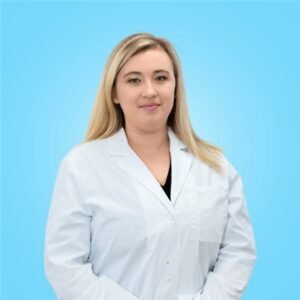
Dr. Jessica L. Ohlemacher Obstetrician and Gynecologist
Dr. Jessica L. Ohlemacher is a board-certified obstetrician and gynecologist providing preventive, pregnancy, reproductive, and gynecological care for women at different stages of life.
Her clinical work includes well-woman examinations, cervical cancer screening, contraception, prenatal care, childbirth support, menstrual disorder evaluation, menopause care, and assessment of conditions affecting the uterus, ovaries, cervix, vagina, and other reproductive structures.
Dr. Ohlemacher practises with Complete Women’s Care Center in Pearland and Houston, Texas. Patients may visit her for routine preventive care, pregnancy monitoring, abnormal bleeding, pelvic discomfort, contraceptive advice, menopausal symptoms, or another concern requiring gynecological assessment.
Patients comparing local women’s healthcare physicians may also read about Dr. Tara L. Bruce’s obstetric and gynecological care.
Doctor Information
Name: Dr. Jessica Lundry Ohlemacher, MD, FACOG
Specialty: Obstetrics and Gynecology
Board Certification: American Board of Obstetrics and Gynecology
Medical School: University of Texas Health Science Center at San Antonio
Medical Degree Completed: 2005
Residency: Obstetrics and Gynecology, University of Texas Health Science Center at Houston
Residency Period: 2005 to 2009
Practice: Complete Women’s Care Center
Primary Location: Pearland, Texas
Additional Location: Houston, Texas
Hospital Affiliation: The Woman’s Hospital of Texas
Professional Designation: Fellow of the American College of Obstetricians and Gynecologists
NPI Number: 1083853808
Accepting New Patients: Yes, according to current public provider profiles
Virtual Visits: Availability should be confirmed directly with the practice
About Dr. Jessica L. Ohlemacher
Dr. Ohlemacher was raised in the Houston area and attended Clear Lake High School before beginning her medical education.
She earned her medical degree from the University of Texas Health Science Center at San Antonio in 2005. She then completed obstetrics and gynecology residency training at the University of Texas Health Science Center at Houston between 2005 and 2009.
Her training prepared her to provide medical and surgical care related to menstruation, contraception, fertility, pregnancy, childbirth, menopause, and disorders affecting the female reproductive system.
An obstetrician and gynecologist may care for a patient across many years. The same physician may provide preventive screening, manage a pregnancy, investigate abnormal bleeding, and later help with symptoms connected with perimenopause or menopause.
Dr. Ohlemacher may review the patient’s medical history, symptoms, medicines, previous pregnancies, screening results, and reproductive goals before recommending care.
Her evaluation may include a physical or pelvic examination, laboratory testing, ultrasound, medication, an office procedure, or referral for additional treatment when needed.
Obstetrics and Gynecology Services
Dr. Ohlemacher may provide care involving:
- Well-woman examinations
- Pelvic examinations
- Pap tests
- HPV testing
- Cervical cancer screening
- Contraception counselling
- Pregnancy confirmation
- Prenatal care
- Labour and delivery planning
- Postpartum care
- Menstrual disorder evaluation
- Abnormal uterine bleeding
- Pelvic pain
- Uterine fibroids
- Ovarian cysts
- Endometriosis
- Polycystic ovary syndrome
- Menopause management
- Gynecological procedures
The appropriate assessment depends on the patient’s age, symptoms, medical history, previous test results, pregnancy plans, and personal preferences.
Well-Woman Examinations
A well-woman examination provides an opportunity to review reproductive, preventive, and general health.
The appointment may include:
- Updating the medical history
- Reviewing menstrual cycles
- Discussing current symptoms
- Measuring blood pressure
- Reviewing medicines and supplements
- Performing a pelvic examination when appropriate
- Assessing cervical screening needs
- Discussing breast health
- Reviewing contraception
- Discussing pregnancy plans
- Evaluating menopause symptoms
Not every patient needs every examination or test at each appointment.
Recommendations should reflect age, symptoms, previous results, family history, and individual health risks.
Patients should mention new bleeding patterns, pelvic pressure, vaginal irritation, urinary changes, abnormal discharge, or discomfort during sexual activity.
Cervical Cancer Screening
Cervical cancer screening helps identify abnormal cell changes before they develop into a more serious condition.
Screening may involve:
- A Pap test
- Human papillomavirus testing
- Combined Pap and HPV testing
- Repeat testing after an abnormal result
- Colposcopy when appropriate
- Cervical biopsy when needed
An abnormal result does not automatically mean cervical cancer is present.
Many abnormal findings involve mild cell changes or an HPV infection that may clear naturally. Follow-up depends on the type of change, HPV result, age, medical history, and previous screening record.
Abnormal Pap Test Follow-Up
When cervical screening identifies unusual cells, Dr. Ohlemacher may recommend repeat testing or a closer examination of the cervix.
Colposcopy uses magnification to inspect the cervical surface. A small tissue sample may be collected from an area that appears abnormal.
The findings may lead to:
- Return to routine screening
- Repeat Pap or HPV testing
- Continued observation
- Treatment of precancerous changes
- Referral for additional care
Patients should attend recommended follow-up appointments even when they feel well because early cervical changes often cause no noticeable symptoms.
Contraception and Family Planning
Dr. Ohlemacher may help patients compare contraceptive methods according to effectiveness, convenience, possible side effects, medical history, and future pregnancy plans.
Options may include:
- Birth control pills
- Contraceptive injections
- Intrauterine devices
- Contraceptive implants
- Patches
- Vaginal rings
- Barrier methods
- Fertility-awareness methods
- Permanent contraception
Some hormonal methods may also help manage heavy bleeding, painful menstruation, acne, or irregular cycles.
Patients should discuss migraines, high blood pressure, tobacco exposure, previous blood clots, family medical history, and current medicines before selecting hormonal contraception.
Pregnancy Confirmation and Early Care
Early pregnancy care helps establish the stage of pregnancy and identify medical factors that could affect the pregnant patient or developing baby.
Dr. Ohlemacher may review:
- Date of the last menstrual period
- Previous pregnancies
- Previous pregnancy losses
- Earlier cesarean deliveries
- Existing medical conditions
- Current prescriptions
- Family medical history
- Blood pressure
- Diabetes risks
- Thyroid conditions
- Previous reproductive procedures
- Possible infection risks
Laboratory testing may assess blood type, anemia, immunity, infections, and other pregnancy-related factors.
Patients should provide a complete list of prescription medicines, non-prescription products, vitamins, and supplements.
Prenatal Care
Prenatal appointments allow Dr. Ohlemacher to monitor pregnancy and identify changes that may require additional testing or treatment.
Care may include:
- Routine prenatal examinations
- Blood pressure monitoring
- Laboratory testing
- Ultrasound coordination
- Fetal heartbeat assessment
- Fetal growth monitoring
- Gestational diabetes screening
- Prenatal genetic-screening discussions
- Review of pregnancy symptoms
- Labour and delivery planning
Appointments generally become more frequent as pregnancy progresses.
Additional monitoring may be recommended when a patient has an existing medical condition, an abnormal test result, or a pregnancy complication.
Pregnancy Requiring Closer Monitoring
Some pregnancies need additional observation because of maternal health, pregnancy history, fetal development, or an identified complication.
Factors may include:
- High blood pressure
- Gestational diabetes
- Existing diabetes
- Thyroid disease
- Multiple pregnancy
- Previous premature birth
- Earlier pregnancy complications
- Advanced maternal age
- Abnormal fetal growth
- Placental concerns
- Bleeding during pregnancy
- Previous uterine surgery
Dr. Ohlemacher may coordinate blood tests, ultrasound examinations, fetal monitoring, or consultation with a maternal-fetal medicine specialist.
The care plan should be based on the specific concern rather than treating every pregnancy as medically complicated.
Labour and Delivery Planning
Delivery planning may include discussion of:
- Signs of labour
- When to contact the hospital
- When hospital assessment is needed
- Pain-management choices
- Induction of labour
- Vaginal delivery
- Cesarean delivery
- Fetal monitoring
- Recovery after childbirth
The safest approach depends on fetal position, placental location, labour progress, maternal health, previous uterine procedures, and fetal well-being.
A birth plan may help patients communicate preferences, although medical circumstances can require the plan to change.
Vaginal Delivery
Vaginal delivery may be appropriate when labour is progressing safely and no condition makes cesarean delivery the better option.
Care may involve:
- Monitoring contractions
- Checking cervical change
- Assessing fetal heart rate
- Supporting pain-management choices
- Guiding the pushing stage
- Managing delivery of the placenta
- Repairing selected birth-related tears
- Monitoring early recovery
The experience differs between patients. Previous delivery history, fetal position, labour duration, and pregnancy complications can affect labour and recovery.
Cesarean Delivery
A cesarean delivery may be recommended when vaginal birth could create additional risk for the patient or baby.
Possible reasons include:
- Abnormal fetal position
- Placental complications
- Labour that does not progress
- Signs of fetal distress
- Certain previous uterine procedures
- Umbilical-cord concerns
- Maternal medical complications
- Other urgent obstetric conditions
Recovery generally includes incision care, pain management, temporary activity restrictions, and monitoring for postoperative concerns.
Postpartum Care
Postpartum appointments support physical recovery and help identify health concerns that develop after childbirth.
Dr. Ohlemacher may review:
- Postpartum bleeding
- Recovery after vaginal delivery
- Recovery after cesarean delivery
- Incision or tear healing
- Pelvic discomfort
- Blood pressure
- Urinary symptoms
- Return to ordinary activity
- Menstrual changes
- Contraception after pregnancy
- Breast and feeding concerns
Recovery varies according to the delivery method, pregnancy complications, general health, sleep, and available support.
Patients should mention symptoms that persist, become worse, or interfere with normal daily function.
Menstrual Disorder Evaluation
Menstrual cycles may change because of hormonal shifts, pregnancy, medicine, stress, thyroid disease, uterine conditions, or the transition toward menopause.
Dr. Ohlemacher may evaluate:
- Heavy periods
- Painful menstruation
- Irregular cycles
- Missed periods
- Bleeding between periods
- Prolonged bleeding
- Bleeding after sexual activity
- Bleeding after menopause
- Symptoms interfering with daily life
An assessment may involve pregnancy testing, blood work, pelvic examination, ultrasound, cervical screening, or sampling of the uterine lining.
Treatment depends on the cause and may include medicine, hormonal therapy, an intrauterine device, an office procedure, or surgery.
Abnormal Uterine Bleeding
Abnormal uterine bleeding describes bleeding that is heavier, longer, more frequent, or less predictable than expected.
Possible causes include:
- Hormonal changes
- Uterine fibroids
- Uterine polyps
- Thyroid disease
- Pregnancy-related conditions
- Medicine effects
- Perimenopause
- Blood-clotting disorders
- Changes in the uterine lining
Evaluation may include laboratory testing, pelvic ultrasound, cervical screening, hysteroscopy, or endometrial biopsy.
Treatment should consider the cause, degree of blood loss, age, medical history, and future pregnancy plans.
Uterine Fibroids
Uterine fibroids are noncancerous growths that form within or around the uterus.
They may cause:
- Heavy menstrual bleeding
- Prolonged periods
- Pelvic pressure
- Abdominal fullness
- Painful menstruation
- Frequent urination
- Constipation
- Back discomfort
- Anemia
- Fertility concerns
Many fibroids cause no symptoms and may only require observation.
Treatment options may include medicine, hormonal treatment, selected procedures, myomectomy, or hysterectomy.
The most appropriate choice depends on fibroid size, number, location, symptom severity, age, and pregnancy goals.
Ovarian Cysts
Ovarian cysts are fluid-filled sacs that form on or within an ovary.
Many are associated with normal ovulation and disappear without treatment.
Some may cause:
- Pelvic discomfort
- Pressure
- Bloating
- Menstrual changes
- Pain during physical activity
- Discomfort during sexual activity
Dr. Ohlemacher may use pelvic ultrasound to assess a cyst’s size, appearance, and location.
Management may include observation, repeat imaging, medicine, or surgery. An operation may be considered when a cyst causes significant symptoms, continues growing, or has unusual imaging features.
Endometriosis
Endometriosis occurs when tissue similar to the uterine lining grows outside the uterus.
Possible symptoms include:
- Painful periods
- Continuing pelvic pain
- Pain during sexual activity
- Digestive symptoms linked with menstruation
- Heavy bleeding
- Difficulty becoming pregnant
Evaluation may involve symptom history, pelvic examination, imaging, and sometimes minimally invasive surgery.
Treatment may include pain medicine, hormonal therapy, surgery, fertility support, or a combination of approaches.
Polycystic Ovary Syndrome
Polycystic ovary syndrome, commonly called PCOS, is a hormonal condition that may affect menstrual cycles, ovulation, skin, hair growth, fertility, and metabolic health.
Possible features include:
- Irregular periods
- Missed periods
- Difficulty predicting ovulation
- Acne
- Increased facial or body hair
- Scalp hair thinning
- Difficulty becoming pregnant
- Insulin resistance
Treatment depends on the patient’s symptoms and reproductive goals.
Care may include menstrual regulation, contraception, fertility support, metabolic screening, and treatment for skin or hair concerns.
Pelvic Pain
Pelvic pain may arise from reproductive, urinary, digestive, muscular, or nerve-related conditions.
Dr. Ohlemacher may ask:
- When the pain began
- Whether it is constant or intermittent
- Whether it changes during menstruation
- Whether it occurs during sexual activity
- Whether urinary or bowel symptoms are present
- Whether pregnancy is possible
- Whether previous surgery or infection occurred
Testing may include pregnancy testing, blood work, urine testing, pelvic ultrasound, or additional imaging.
Identifying the source is important because treatment that helps one cause of pelvic pain may not help another.
Menopause Care
Menopause is the stage when menstrual periods permanently stop. Symptoms may begin earlier during perimenopause.
Dr. Ohlemacher may help patients address:
- Hot flashes
- Night sweats
- Irregular periods
- Sleep disruption
- Vaginal dryness
- Discomfort during sexual activity
- Urinary changes
- Mood changes
- Bone-health concerns
Treatment may include practical adjustments, non-hormonal medicine, vaginal therapy, or menopausal hormone treatment when medically appropriate.
Hormonal treatment is not suitable for every patient. The decision should consider age, symptom severity, medical history, and individual risks.
Patients with pelvic-floor or bladder-control symptoms may also learn about Dr. Ginger N. Cathey’s urogynecology care.
Vaginal and Urinary Changes During Menopause
Lower hormone levels may affect tissues surrounding the vagina, bladder, and urethra.
Possible symptoms include:
- Vaginal dryness
- Burning
- Irritation
- Pain during sexual activity
- Frequent urination
- Urinary urgency
- Repeated urinary discomfort
Treatment may include moisturisers, lubricants, local vaginal therapy, bladder-health measures, or referral for pelvic-floor evaluation.
Repeated urinary symptoms do not always mean that a bacterial infection is present. Urine testing may be appropriate before treatment is selected.
Sexually Transmitted Infection Care
Sexually transmitted infections may not cause noticeable symptoms.
Testing may be considered because of:
- A new sexual partner
- Possible exposure
- Pelvic discomfort
- Unusual discharge
- Painful urination
- Bleeding after sexual activity
- Pregnancy
- Routine preventive needs
Treatment depends on the infection identified. A partner may also need testing or treatment.
Patients should complete prescribed care and attend recommended repeat testing.
Fertility Concerns
Difficulty becoming pregnant may involve ovulation, the uterus, fallopian tubes, sperm health, age, or several factors together.
An initial assessment may include:
- Menstrual history
- Ovulation patterns
- Previous pregnancies
- Earlier pregnancy losses
- Medicine review
- Pelvic examination
- Hormone testing
- Ultrasound
- Partner evaluation
- Referral to a fertility specialist
The timing of fertility testing depends on age, cycle regularity, medical history, and how long pregnancy has been attempted.
Gynecological Procedures
Depending on the diagnosis and Dr. Ohlemacher’s current procedural services, care may include:
- Colposcopy
- Cervical biopsy
- Endometrial biopsy
- Hysteroscopy
- Treatment of selected uterine growths
- Laparoscopic procedures
- Hysterectomy
- Ovarian surgery
Not every condition requires an operation.
Observation, medicine, hormonal treatment, an office procedure, or another conservative approach may be appropriate.
Before surgery, patients should understand why it is recommended, which alternatives remain, what risks are involved, and what recovery may require.
Hysteroscopy
Hysteroscopy allows a physician to examine the inside of the uterus with a narrow camera passed through the cervix.
It may be used to evaluate:
- Abnormal bleeding
- Uterine polyps
- Fibroids affecting the uterine cavity
- Thickening of the uterine lining
- Selected fertility concerns
- Abnormal ultrasound findings
Certain growths may be treated during the same procedure.
The type of anaesthesia and recovery period depend on whether the procedure is diagnostic or includes treatment.
Endometrial Biopsy
An endometrial biopsy collects a small sample from the uterine lining.
It may be considered for:
- Abnormal uterine bleeding
- Bleeding after menopause
- Thickened uterine lining
- Selected abnormal imaging findings
- Assessment before certain treatments
The laboratory examines the sample for hormonal changes, precancerous cells, cancer, or another abnormality.
The result may guide observation, medication, further testing, or surgery.
Hysterectomy
A hysterectomy is an operation to remove the uterus.
It may be considered for:
- Severe abnormal bleeding
- Symptomatic fibroids
- Continuing pelvic pain
- Endometriosis or adenomyosis
- Uterine prolapse
- Precancerous changes
- Another condition not improving with conservative care
Before surgery, the patient may discuss:
- Why the procedure is being considered
- Non-surgical alternatives
- Whether the cervix will be removed
- Whether the ovaries should remain
- The planned surgical approach
- Possible complications
- Recovery restrictions
- Effects on menstruation and fertility
Pregnancy is no longer possible after the uterus is removed, so future reproductive goals should be discussed carefully.
Preparing for a Gynecology Appointment
Patients can prepare by bringing:
- A current medicine list
- Date of the last menstrual period
- Previous Pap test results
- Pregnancy and delivery history
- Earlier surgical records
- Recent laboratory reports
- Ultrasound or imaging results
- A list of medicine allergies
- Notes about current symptoms
- Questions about testing or treatment
Patients experiencing abnormal bleeding may find it helpful to record when it occurs, how long it lasts, and how heavy it becomes.
Pregnant patients should bring available prenatal records, ultrasound reports, and information about all medicines and supplements.
Preparing for Gynecological Surgery
Patients approved for surgery may require medical testing and practical planning.
Preparation may include:
- Blood tests
- Urine testing
- Pregnancy testing when relevant
- Medicine review
- Anaesthesia assessment
- Heart testing when appropriate
- Diabetes management
- Treatment of active infection
- Instructions about food and drink
- Transportation arrangements
- Planning for help at home
Patients should provide complete information about prescriptions, non-prescription medicines, vitamins, supplements, and allergies.
Blood thinners and some diabetes medicines may require special instructions. Patients should not stop prescribed treatment without guidance from the appropriate medical team.
Recovery After Gynecological Surgery
Recovery depends on the procedure, surgical approach, medical health, and whether several treatments were completed together.
Instructions may cover:
- Incision care
- Vaginal bleeding or discharge
- Pain management
- Walking
- Lifting restrictions
- Driving
- Returning to work
- Exercise
- Sexual activity
- Follow-up appointments
Patients may begin feeling better before internal tissues have completely healed.
Following activity restrictions can help protect healing areas and reduce the likelihood of complications.
Coordinated Women’s Healthcare
Obstetric and gynecological care may require cooperation with:
- Primary care physicians
- Maternal-fetal medicine specialists
- Urogynecologists
- Fertility specialists
- General surgeons
- Radiologists
- Pathologists
- Pelvic-floor physical therapists
Coordination can help ensure that laboratory testing, imaging, pregnancy care, medicine, and surgery address the same medical concern.
Patients researching another Houston-area OB-GYN may also review Dr. Dawn D. Black’s women’s healthcare profile.
Patient-Centered Obstetric and Gynecological Care
Dr. Ohlemacher provides obstetric and gynecological care based on each patient’s age, symptoms, health history, pregnancy needs, screening results, and reproductive goals.
Her clinical services may include preventive examinations, cervical screening, contraception, pregnancy care, menstrual treatment, menopause support, pelvic evaluation, and gynecological procedures.
Patients should confirm current appointment availability, accepted insurance plans, virtual-visit options, hospital participation, procedure locations, and referral requirements directly with Complete Women’s Care Center.



Reviews
There are no reviews yet.