

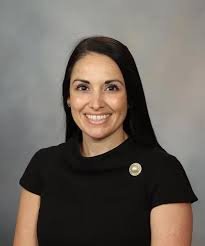
Dr. Kyle L. Scarborough Family Medicine Physician
Dr. Kyle L. Scarborough is a family medicine physician providing preventive, diagnostic, and continuing primary care for patients of different ages in Conroe, Texas.
His clinical services include wellness examinations, treatment for common illnesses, diabetes care, high blood pressure management, cholesterol monitoring, geriatric healthcare, well-woman examinations, school physicals, and follow-up after surgery or hospital treatment.
Dr. Scarborough has served the Conroe community since 1993. His long-term family medicine practice allows him to care for patients during routine preventive visits as well as periods of illness, recovery, or changing medical needs.
Patients comparing physicians in the Conroe area may also read about Dr. Gregg M. Hallbauer’s family medicine care.
Doctor Information
Name: Dr. Kyle Lee Scarborough, MD
Specialty: Family Medicine
Undergraduate Education: Texas A&M University, College Station
Medical School: McGovern Medical School at UTHealth Houston
Medical Degree Completed: 1989
Residency: Family Medicine, University of Texas Health Science Center at Houston
Residency Site: Southwest Memorial Hospital in Houston
Residency Completed: 1992
Practice: Family Life Medical
Primary Location: Conroe, Texas
Hospital Affiliation: HCA Houston Healthcare Conroe
NPI Number: 1417045303
Patient Age Groups: Children, teenagers, adults, and older adults
Languages Listed by Public Profiles: English and Spanish
Accepting New Patients: Current availability should be confirmed directly with the practice
About Dr. Kyle L. Scarborough
Dr. Scarborough is a native Texan who completed his undergraduate education at Texas A&M University in College Station.
He earned his medical degree from the University of Texas Medical School at Houston, now known as McGovern Medical School at UTHealth Houston, in 1989.
He then completed family medicine residency training through the University of Texas Health Science Center at Houston. His practice profile identifies Southwest Memorial Hospital as his residency location and states that he completed training in 1992.
Dr. Scarborough moved to Conroe in 1993 and joined the Sadler Clinic. He later established his private family medicine practice and now provides care through Family Life Medical.
Family medicine training prepares physicians to evaluate concerns involving several body systems. This broad background allows Dr. Scarborough to serve as the first medical contact for patients with new symptoms and as a continuing physician for people managing long-term conditions.
Family Medicine Services
Dr. Scarborough may provide care involving:
- Routine wellness examinations
- Preventive health screening
- Diabetes management
- Prediabetes care
- High blood pressure treatment
- High cholesterol management
- Geriatric healthcare
- Well-woman examinations
- School physicals
- Common illness treatment
- Medication monitoring
- Preoperative medical assessment
- Follow-up after hospital treatment
- Coordination with specialists
Some concerns can be assessed during a single office visit. Others may require blood tests, urine testing, imaging, follow-up appointments, or referral to a specialist.
Wellness Examinations
A wellness examination provides a broad review of the patient’s health, preventive needs, and current medical risks.
The appointment may include:
- Updating the medical history
- Reviewing prescriptions and supplements
- Measuring blood pressure
- Checking heart and lung function
- Reviewing growth or weight changes
- Discussing new symptoms
- Assessing previous laboratory results
- Reviewing vaccination needs
- Recommending appropriate screening
- Discussing practical health goals
Not every patient requires the same tests each year.
Recommendations should be based on age, symptoms, family history, existing diagnoses, medication, and earlier results.
Patients should mention recent emergency visits, hospital admissions, specialist appointments, and treatment changes.
Preventive Healthcare
Preventive care aims to identify medical risks before they cause serious symptoms or long-term complications.
Dr. Scarborough may review:
- Blood pressure
- Blood glucose
- Cholesterol
- Kidney function
- Vaccination history
- Family medical history
- Tobacco exposure
- Nutrition
- Physical activity
- Sleep
- Weight changes
- Current medicines
- Previous screening results
Preventive care is not limited to laboratory testing. It also includes identifying gradual changes in energy, mobility, appetite, sleep, concentration, breathing, or everyday function.
The most appropriate screening schedule depends on each patient’s personal medical risks.
Acute Illness Care
Family physicians evaluate many illnesses that begin suddenly.
Dr. Scarborough may assess symptoms involving:
- Fever
- Cough
- Sore throat
- Nasal congestion
- Sinus discomfort
- Ear pain
- Influenza-like illness
- Nausea or vomiting
- Diarrhoea
- Urinary discomfort
- Minor skin infections
- Headaches
- Unexpected tiredness
An appointment may include a physical examination and selected testing.
Treatment depends on whether symptoms appear to result from a virus, bacterial infection, allergy, inflammation, medicine, or another medical condition.
Antibiotics do not treat viral illnesses and are normally considered when the findings support a bacterial infection likely to benefit from treatment.
Diabetes Care
Dr. Scarborough’s current practice lists diabetes as one of its main clinical services.
Diabetes management may include:
- Blood glucose testing
- A1C monitoring
- Medication review
- Nutrition discussions
- Physical activity planning
- Kidney-function testing
- Foot and nerve assessment
- Diabetic eye examination referrals
- Cardiovascular risk management
- Review of home glucose readings
Treatment may include oral medicine, injectable treatment, insulin, or a combination of approaches.
The care plan should consider blood sugar patterns, kidney health, heart risks, medication tolerance, eating habits, and the patient’s daily routine.
Patients with more complicated hormonal or blood sugar conditions may also need care from an endocrinologist such as Dr. Charlie C. Chang.
Prediabetes
Prediabetes means blood sugar is higher than expected but has not reached the diagnostic range for diabetes.
Early management may help reduce the likelihood of progression for some patients.
Care may include:
- A1C monitoring
- Nutrition changes
- Regular physical activity
- Weight-related medical support
- Blood pressure management
- Cholesterol assessment
- Review of medicines affecting glucose
- Medication in selected cases
The goal is to improve metabolic health through practical changes that can be maintained over time.
Home Blood Sugar Monitoring
Some patients may be asked to measure blood glucose at home.
A useful record may include:
- Date and time
- Glucose result
- Whether it was measured before or after eating
- Food consumed
- Medicine or insulin taken
- Physical activity
- Symptoms of low or high blood sugar
This record can help Dr. Scarborough identify patterns that may not appear clearly in one laboratory result.
Patients should understand how often they need to test and which readings should be reported to the office.
High Blood Pressure Management
High blood pressure may cause no noticeable symptoms while gradually affecting the heart, kidneys, brain, eyes, and blood vessels.
Dr. Scarborough may provide hypertension care through:
- Office blood pressure measurement
- Review of home readings
- Medication selection
- Dosage adjustment
- Kidney-function testing
- Cardiovascular risk assessment
- Nutrition discussions
- Physical activity guidance
- Monitoring for medication side effects
Patients checking blood pressure at home should record the date, time, and result.
It may also help to note whether the measurement was taken before or after medicine, exercise, caffeine, or a stressful event.
A pattern of readings is often more useful than one isolated result.
High Cholesterol
High levels of certain blood fats may contribute to plaque developing inside the arteries.
Dr. Scarborough may assess:
- Total cholesterol
- LDL cholesterol
- HDL cholesterol
- Triglycerides
- Blood pressure
- Blood glucose
- Tobacco exposure
- Family cardiovascular history
- Age
- Previous heart or blood-vessel disease
Treatment may include nutrition changes, physical activity, prescription medicine, or improved management of diabetes and blood pressure.
Recommendations should be based on the patient’s overall cardiovascular risk rather than one laboratory number alone.
Cardiovascular Risk Assessment
Family medicine plays an important role in identifying factors connected with heart disease and stroke.
Dr. Scarborough may evaluate:
- High blood pressure
- High cholesterol
- Diabetes
- Family history of early heart disease
- Tobacco exposure
- Kidney disease
- Reduced physical activity
- Weight-related medical concerns
- Current medicines
- Previous cardiovascular conditions
Depending on the findings, care may involve laboratory monitoring, medication, heart testing, or referral to a cardiologist.
Geriatric Healthcare
Dr. Scarborough’s current practice specifically lists geriatric care among its services.
Older adults may need support involving:
- Several chronic conditions
- Multiple medicines
- Mobility changes
- Fall risks
- Memory concerns
- Blood pressure
- Diabetes
- Arthritis
- Bone health
- Hearing or vision changes
- Recovery after hospitalisation
- Maintaining independence
Treatment goals may change as a patient’s health, physical ability, and personal priorities change.
Geriatric care often focuses on balancing disease control with medication safety, comfort, mobility, and everyday function.
Medication Review for Older Adults
Older patients may receive medicine from several doctors.
A complete medication review may help identify:
- Duplicate prescriptions
- Drug interactions
- Side effects
- Dizziness
- Medicine contributing to falls
- Incorrect doses
- Medicines that may no longer be necessary
- Conflicts with non-prescription products
- Difficulty following the dosing schedule
Patients should bring an updated list of prescriptions, vitamins, supplements, and over-the-counter products.
Medicine should not be stopped suddenly unless the prescribing healthcare professional provides instructions.
Well-Woman Examinations
Dr. Scarborough’s practice offers well-woman examinations as part of primary care.
A well-woman appointment may include:
- Medical history review
- Blood pressure measurement
- Medication assessment
- Menstrual health discussion
- Menopause-related concerns
- Breast screening guidance
- Cervical screening review
- Contraception discussion
- Urinary symptom assessment
- Preventive laboratory testing
The exact services depend on the patient’s age, symptoms, previous results, and medical history.
Some reproductive or pelvic concerns may require referral to an obstetrician and gynecologist.
School Physicals
School physicals help assess a child or teenager’s general health and readiness for participation in school activities.
The appointment may include:
- Medical history review
- Growth assessment
- Blood pressure measurement
- Heart and lung examination
- Joint and muscle assessment
- Medication review
- Vaccination record review
- Discussion of previous injuries
- Completion of required forms
Parents should bring school forms, vaccination records, medication information, and details of any health condition affecting participation.
A school physical may not replace a complete preventive wellness visit when broader screening or developmental assessment is needed.
Sports Participation Assessment
When a physical is needed for sports, Dr. Scarborough may ask about:
- Chest discomfort during exercise
- Fainting
- Unusual shortness of breath
- Previous concussion
- Joint instability
- Past fractures
- Asthma
- Current medicines
- Family history of sudden heart problems
The goal is to identify conditions that may require treatment, activity modification, or additional specialist assessment before participation.
Respiratory Care
Cough, congestion, wheezing, and breathing discomfort may result from infection, asthma, allergies, environmental exposure, medication, or another condition.
Dr. Scarborough may review:
- When symptoms began
- Whether fever is present
- Possible environmental triggers
- Previous asthma history
- Allergy patterns
- Inhaler use
- Tobacco exposure
- Nighttime symptoms
- Exercise-related breathing changes
- Response to previous treatment
Testing may include oxygen measurement, lung examination, infection testing, chest imaging, or breathing studies.
Asthma Management
Asthma can cause recurring inflammation and narrowing of the airways.
Symptoms may include:
- Wheezing
- Coughing
- Chest tightness
- Shortness of breath
- Nighttime symptoms
- Difficulty exercising
- Symptoms after allergen exposure
Care may include rescue medicine, daily controller treatment, inhaler education, trigger management, and referral for specialised respiratory testing when symptoms remain difficult to control.
Digestive Health
A family physician can provide the first assessment for many digestive concerns.
Dr. Scarborough may evaluate:
- Heartburn
- Acid reflux
- Abdominal discomfort
- Nausea
- Bloating
- Constipation
- Diarrhoea
- Changes in bowel habits
- Appetite changes
- Unexplained weight changes
An evaluation may involve medication review, blood tests, stool testing, imaging, or referral to a gastroenterologist.
Persistent symptoms should be properly assessed rather than repeatedly treated without identifying the underlying cause.
Thyroid Concerns
The thyroid gland produces hormones that influence energy, metabolism, digestion, heart rate, and temperature regulation.
Possible symptoms of thyroid disease include:
- Tiredness
- Weight changes
- Sensitivity to heat or cold
- Changes in heart rate
- Constipation
- Tremor
- Dry skin
- Hair changes
- Muscle weakness
- Difficulty concentrating
These symptoms can have several possible causes. Blood testing is generally needed before a thyroid condition can be confirmed.
Dr. Scarborough may provide initial testing and treatment for common thyroid disorders and refer patients for specialist care when needed.
Kidney Health Monitoring
Diabetes, high blood pressure, dehydration, medication, and other conditions can affect kidney function.
Dr. Scarborough may monitor kidney health through:
- Blood testing
- Urine testing
- Urine-protein assessment
- Blood pressure management
- Diabetes care
- Medication review
- Evaluation of swelling
- Review of changes in urination
Early kidney disease may cause few noticeable symptoms.
Routine monitoring can be especially important for patients with diabetes, hypertension, cardiovascular disease, or previous abnormal kidney results.
Urinary Symptoms
Urinary concerns may result from infection, bladder irritation, kidney stones, prostate conditions, diabetes, medication, or another condition.
Dr. Scarborough may evaluate:
- Painful urination
- Frequent urination
- Sudden urgency
- Urinary leakage
- Lower abdominal discomfort
- Blood in the urine
- Repeated urinary symptoms
- Back or side pain
- Difficulty emptying the bladder
Testing may include urine analysis, urine culture, blood tests, or imaging.
Repeated symptoms do not always mean that a bacterial infection is present. Additional assessment may be needed before treatment is selected.
Arthritis and Joint Pain
Arthritis may cause pain, stiffness, swelling, and reduced movement.
Dr. Scarborough may assess:
- Knee pain
- Hip discomfort
- Shoulder pain
- Hand arthritis
- Back pain
- Joint stiffness
- Muscle strain
- Reduced range of motion
- Pain after physical activity
Treatment may include medicine, temporary activity changes, home exercises, physical therapy, imaging, or referral to an orthopedic specialist.
The plan depends on which structure is affected and whether symptoms appear related to injury, inflammation, arthritis, or nerve irritation.
Skin Concerns
Family physicians commonly evaluate minor and recurring skin problems.
Dr. Scarborough may assess:
- Rashes
- Eczema
- Contact dermatitis
- Minor infections
- Fungal conditions
- Cysts
- Moles
- Dry or irritated skin
- Allergic reactions
- Unexplained skin changes
Treatment depends on whether the concern appears related to infection, allergy, irritation, inflammation, or another condition.
A dermatology referral may be recommended for unusual, persistent, rapidly changing, or difficult-to-treat findings.
Preoperative Medical Assessment
Dr. Scarborough’s practice provides preoperative care for patients preparing for selected procedures.
A preoperative appointment may include:
- Review of the planned surgery
- Medical history assessment
- Medication review
- Blood pressure evaluation
- Heart and lung examination
- Diabetes assessment
- Laboratory testing
- Electrocardiogram when appropriate
- Review of anaesthesia history
- Coordination with the surgical team
The purpose is to identify medical concerns that may affect anaesthesia, healing, bleeding, infection risk, or recovery.
Medical assessment does not guarantee that complications cannot occur, but it can help improve preparation.
Follow-Up After Hospital Treatment
Dr. Scarborough’s practice provides hospital follow-up care.
An appointment after hospital discharge may include:
- Reviewing the hospital diagnosis
- Comparing old and new medicines
- Checking recovery
- Reviewing laboratory or imaging results
- Clarifying discharge instructions
- Arranging specialist appointments
- Ordering repeat testing
- Assessing whether symptoms are improving
- Reducing the risk of another admission
Patients should bring discharge documents and a current medication list.
Medication reconciliation is especially important because prescriptions may have been added, removed, or changed during hospital care.
Vaccinations
Vaccination is an important part of preventive family medicine.
Dr. Scarborough may review vaccination needs according to:
- Age
- Previous vaccination records
- Existing medical conditions
- School or work requirements
- Travel plans
- Pregnancy status
- Medicine affecting immunity
- Previous vaccine reactions
Patients should bring available vaccination records to help identify missing doses and avoid unnecessary repetition.
Adult Health Screening
Screening recommendations may include assessment for:
- High blood pressure
- Diabetes
- High cholesterol
- Colorectal cancer
- Breast cancer
- Cervical cancer
- Prostate concerns
- Bone-health conditions
- Other age-related risks
The appropriate timing depends on age, family history, personal risks, symptoms, and previous results.
Screening is intended for people without symptoms. A patient with bleeding, unexplained weight loss, a new lump, or another concerning change may need diagnostic testing rather than routine screening.
Weight and Metabolic Health
Body weight can influence blood pressure, blood sugar, cholesterol, breathing, joint comfort, and cardiovascular health.
Dr. Scarborough may review:
- Weight history
- Recent changes
- Eating patterns
- Physical activity
- Sleep
- Current medicines
- Blood pressure
- Blood glucose
- Cholesterol
- Thyroid function
- Existing physical limitations
The purpose of weight-related medical care is to improve health and physical function rather than promote a particular appearance.
Recommendations should be realistic, sustainable, and suitable for the patient’s health and daily circumstances.
Chronic Condition Management
Long-term conditions require continuing monitoring because symptoms, laboratory results, and medication needs may change.
Dr. Scarborough may help manage:
- High blood pressure
- Diabetes
- High cholesterol
- Asthma
- Thyroid disease
- Arthritis
- Kidney concerns
- Cardiovascular risks
- Digestive conditions
- Several diagnoses at the same time
Follow-up appointments allow him to review test results, treatment response, medicine side effects, and changes in daily function.
Patients should mention missed doses, new symptoms, and treatment provided by another healthcare professional.
Patients seeking another established family physician may also review Dr. Nancy T. Hoang’s family medicine profile and Dr. Patricia H. Janki’s primary care profile.
Coordinated Medical Care
Patients managing several conditions may receive treatment from multiple specialists.
Dr. Scarborough may coordinate with:
- Cardiologists
- Endocrinologists
- Gastroenterologists
- Pulmonologists
- Kidney specialists
- Neurologists
- Orthopedic physicians
- Gynecologists
- Urologists
- Surgeons
- Physical therapists
Coordination can reduce repeated testing, identify medication conflicts, and keep recommendations consistent.
A family medicine physician can also help patients understand how specialist recommendations fit into their overall medical plan.
Preparing for an Appointment
Patients can prepare by bringing:
- A current medication list
- Recent laboratory results
- Imaging reports
- Hospital discharge records
- Home blood pressure readings
- Blood glucose records
- Vaccination information
- A list of medicine allergies
- Family medical history
- Questions about testing or treatment
It is helpful to explain:
- When symptoms began
- How often they occur
- What makes them better or worse
- Whether sleep or activity is affected
- Which treatments have already been attempted
- Whether another physician recently changed medication
Clear information helps keep the visit focused on the patient’s most important needs.
Patient-Centered Family Medicine
Dr. Scarborough provides family medicine based on each patient’s age, symptoms, medical history, medication, preventive needs, and long-term health priorities.
His services may include wellness examinations, school physicals, well-woman care, diabetes and hypertension treatment, cholesterol management, geriatric medicine, preoperative assessments, and follow-up after hospital treatment.
Patients should confirm current appointment availability, accepted insurance plans, office hours, hospital participation, language services, and referral requirements directly with Family Life Medical.



Reviews
There are no reviews yet.