
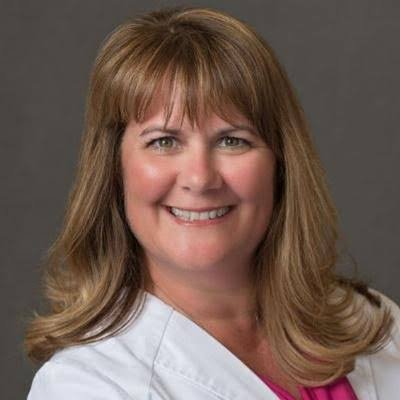
Dr. Laura Davidson, MD Obstetrics and Gynecology
Dr. Laura Ann Davidson, MD, is a board-certified obstetrician and gynecologist with more than three decades of experience in women’s healthcare. Her clinical background includes routine gynecology, prenatal and obstetric care, high-risk pregnancy management, abnormal uterine bleeding, uterine fibroids, cervical health, and minimally invasive gynecologic treatment. Current professional records confirm certification through the American Board of Obstetrics and Gynecology.
Dr. Davidson earned her medical degree from McGovern Medical School at UTHealth Houston in 1990 and completed an Obstetrics and Gynecology residency from 1990 through 1994. Current Doximity and credentialing records identify the University of Texas Health Science Center at San Antonio as the residency institution.
Patients looking for other physicians in this specialty can also browse the Doctiplus Gynecology category, which includes doctors providing prenatal, reproductive, preventive, and general gynecologic healthcare.
Obstetrics And Gynecology Care
Obstetrics and gynecology covers healthcare throughout different stages of reproductive life. Obstetric care centers on pregnancy, childbirth, and postpartum health, while gynecology includes preventive examinations and the diagnosis and treatment of conditions involving the uterus, cervix, ovaries, and other parts of the reproductive system.
Dr. Davidson’s professional background includes both areas. Current physician information identifies Obstetrics and Gynecology as her primary specialty and lists substantial experience in obstetric care.
Her historical clinical profile also describes particular interests in prenatal care, including higher-risk pregnancies, treatment of uterine fibroids and heavy menstrual bleeding, and laparoscopic and vaginal gynecologic surgery.
This broad scope allows an OB-GYN to provide preventive care while also helping patients manage pregnancy, menstrual concerns, reproductive conditions, and symptoms that may require medical or surgical treatment.
Prenatal And Pregnancy Care
Prenatal care is an important part of Dr. Davidson’s obstetric background. Current claims-based physician information associates her practice with routine pregnancies as well as conditions such as maternal anemia, breech presentation, multiple pregnancy, gestational diabetes, preeclampsia, and other pregnancy-related concerns.
The American College of Obstetricians and Gynecologists describes prenatal care as medical care, education, and counseling provided during pregnancy and recommends contacting a healthcare professional once pregnancy is suspected.
Prenatal appointments may involve reviewing medical history, monitoring blood pressure, ordering laboratory studies, assessing fetal growth, discussing medications, and determining whether additional monitoring is necessary.
Some pregnancies remain uncomplicated and follow a standard schedule of visits. Others require closer observation because of maternal health conditions, fetal concerns, previous pregnancy history, or complications that develop during the pregnancy.
High-Risk Pregnancy
Dr. Davidson has substantial experience with obstetric care, and current clinical profiles associate her with several conditions that can make pregnancy more medically complex, including preeclampsia, gestational diabetes, multiple pregnancy, placental complications, maternal anemia, and pregnancies requiring additional surveillance.
The term high-risk pregnancy does not describe one specific diagnosis. Instead, it can apply when a health condition or pregnancy-related complication increases the likelihood that additional monitoring or specialist involvement will be needed.
Depending on the circumstances, an obstetrician may coordinate care with maternal-fetal medicine specialists, endocrinologists, cardiologists, or other physicians.
The goal is to identify problems early and adjust monitoring or treatment according to the needs of both the pregnant patient and developing baby.
Fetal Monitoring And Ultrasound
Current clinical data associated with Dr. Davidson include fetal ultrasound and nonstress testing among procedures used within her obstetric practice.
Ultrasound uses sound waves to create images that can help clinicians evaluate pregnancy and fetal development. ACOG also identifies ultrasound as a diagnostic tool used to examine the uterus and other pelvic structures, with applications during pregnancy as well as in gynecologic evaluation.
The timing and number of ultrasound examinations vary. Some are part of routine prenatal care, while additional imaging may be recommended when fetal growth, position, multiple pregnancy, placental location, or another concern requires closer evaluation.
A nonstress test may also be used in selected pregnancies to assess fetal well-being.
Gestational Diabetes
Gestational diabetes is diabetes first identified during pregnancy and can require additional monitoring of both maternal and fetal health.
Current physician data associate Dr. Davidson’s obstetric work with gestational diabetes and pregestational diabetes during pregnancy.
Treatment can vary according to blood glucose levels and individual circumstances. Nutrition changes, glucose monitoring, physical activity when medically appropriate, and medication may all be considered.
Pregnant patients with diabetes may also require additional fetal monitoring and closer evaluation of maternal health.
Because blood sugar targets and treatment needs during pregnancy are individualized, patients should follow the plan created with their obstetric and diabetes care teams.
Preeclampsia And Blood Pressure During Pregnancy
Preeclampsia is another pregnancy complication appearing in current clinical information associated with Dr. Davidson’s obstetric practice.
Blood pressure is routinely monitored during prenatal care because significant elevations can sometimes indicate a pregnancy-related hypertensive disorder.
The seriousness of these conditions varies considerably. Management depends on gestational age, blood pressure levels, laboratory findings, symptoms, fetal status, and other clinical factors.
Pregnant patients who experience severe or rapidly worsening symptoms should seek prompt medical assessment rather than waiting for a routine prenatal appointment.
Multiple Pregnancy
Dr. Davidson’s professional listings also associate her obstetric practice with twin and other multiple pregnancies.
A pregnancy involving more than one fetus can require additional monitoring because fetal growth, delivery planning, maternal health, and pregnancy complications may differ from a singleton pregnancy.
Ultrasound becomes particularly useful for monitoring fetal growth and evaluating the pregnancy over time.
The amount of additional surveillance depends on the number of fetuses, placental characteristics, maternal health, and whether complications develop.
Abnormal Uterine Bleeding
Heavy or irregular menstrual bleeding is among the gynecologic concerns historically emphasized in Dr. Davidson’s clinical profile.
ACOG defines abnormal uterine bleeding as bleeding that differs from a person’s usual menstrual pattern. Examples can include bleeding between periods, unusually heavy periods, prolonged bleeding, irregular cycles, and bleeding after menopause.
There are many possible causes. ACOG lists ovulation problems, fibroids, polyps, adenomyosis, bleeding disorders, medications, pregnancy-related conditions, and certain cancers among possibilities.
Because the same symptom can have several causes, evaluation is important before treatment is selected.
Testing may include a pelvic examination, blood tests, pregnancy testing when relevant, ultrasound, hysteroscopy, endometrial biopsy, or other studies depending on age and symptoms.
Uterine Fibroids
Uterine fibroids are another area associated with Dr. Davidson’s gynecologic practice. Her professional biography has specifically described interest in minimally invasive treatment for fibroids and heavy menstrual bleeding.
ACOG describes fibroids as benign growths that develop from uterine muscle tissue. They can occur in different locations and vary greatly in size.
Some fibroids cause no symptoms and require no treatment. Others may contribute to heavy or painful periods, bleeding between periods, anemia, pelvic pressure, urinary symptoms, fertility problems, or discomfort.
Treatment depends on symptoms, fibroid size and location, reproductive plans, age, and personal preferences.
Options can include medication, hormonal treatment, myomectomy, uterine artery embolization, radiofrequency ablation, hysterectomy, or other procedures depending on the individual situation.
Minimally Invasive Gynecologic Treatment
Dr. Davidson’s professional biography describes experience with minimally invasive fibroid treatment as well as laparoscopic and vaginal gynecologic surgery.
Minimally invasive procedures generally aim to treat a condition through smaller surgical access points or natural openings when appropriate rather than through a large abdominal incision.
The exact technique depends on what condition is being treated.
For example, ACOG lists laparoscopy, hysteroscopy, myomectomy, uterine artery embolization, and radiofrequency ablation among procedures that may be considered in selected patients with fibroids.
Not every patient requires surgery. A gynecologist can explain whether continued observation, medication, a minimally invasive procedure, or more traditional surgery is likely to provide the best balance of benefits and risks.
Cervical Cancer Screening
Preventive gynecologic care includes cervical cancer screening for appropriate patients.
ACOG explains that cervical cancer screening can use a Pap test, an HPV test, or both to identify changes in cervical cells that could eventually develop into cancer.
Current Medicare-linked information associated with Dr. Davidson includes cervical or vaginal cancer screening with pelvic and clinical breast examination among procedures documented in her practice history.
Screening schedules vary according to age, health history, previous results, and the type of screening used.
Patients with previous abnormal cervical screening results may require a different follow-up plan from those with consistently normal tests.
Routine Gynecologic Visits
A routine gynecology appointment may address menstrual health, contraception, reproductive planning, cervical screening, pelvic symptoms, menopause-related concerns, and other changes involving reproductive health.
Current physician listings identify annual gynecologic examinations, contraception consultations, pregnancy concerns, ovarian cysts, menstrual pain, and fertility consultations among reasons patients have historically seen Dr. Davidson.
The specific examination or testing needed depends on why the patient is being seen.
Keeping records of previous Pap tests, HPV results, pelvic imaging, surgeries, pregnancy history, and pathology reports can make future appointments more useful.
Education And Medical Training
Dr. Davidson earned her medical degree from McGovern Medical School at UTHealth Houston, graduating in 1990. Current Doximity and credentialing records independently confirm this medical education.
She then completed an Obstetrics and Gynecology residency from 1990 through 1994 through the University of Texas Health Science Center at San Antonio.
Some general physician directories simplify her residency listing as the University of Texas Health Science Center without specifying the campus, which has led to inconsistent Houston and San Antonio descriptions online. The more detailed current credentialing records identify the San Antonio program.
Her medical and residency training provided preparation across prenatal care, childbirth, gynecologic disease, preventive healthcare, and gynecologic surgery.
Board Certification And Licensure
Dr. Davidson is certified in Obstetrics and Gynecology by the American Board of Obstetrics and Gynecology. Current Doximity records display this certification using American Board of Medical Specialties data.
The same current profile lists medical licensure in Tennessee, Texas, and California, including a Tennessee license first listed in 2025.
Because medical licenses and practice status can change, patients who require formal credential verification should confirm the latest information through the relevant state medical board or certification organization.
Current Practice Location
There has been a recent change in Dr. Davidson’s public practice information.
For many years, she practiced in Tomball, Texas, and several active physician directories continue to list her with Tomball Women’s Healthcare Center at 13426 Medical Complex Drive, Suite 200, Tomball, Texas 77375. These directories also continue to associate her with HCA Houston Healthcare Tomball.
However, the newer professional and NPI-linked information available in 2026 places Dr. Davidson in Sevierville, Tennessee at:
740 Middle Creek Road, Suite 200
Sevierville, Tennessee 37862
The same address is used by LeConte Women’s Healthcare Associates and other obstetrics and gynecology physicians practicing in Sevierville.
Her recently added Tennessee medical license, which Doximity lists beginning in 2025, further supports the conclusion that the Sevierville information reflects a newer practice location.
Because several Texas directories have not yet caught up with this apparent transition, patients should confirm the current office directly before scheduling or traveling.
Previous Tomball Practice And Hospital Affiliation
Dr. Davidson has a long professional history in the Tomball, Texas healthcare community.
Current Texas-based directories continue to identify her previous practice at Tomball Women’s Healthcare Center and list HCA Houston Healthcare Tomball as a hospital affiliation.
Credentialing data likewise continue to show privileges or historical affiliation with HCA Houston Healthcare Tomball.
Because the most recently updated professional location now places her in Tennessee, patients should not assume that the Tomball hospital affiliation indicates that she is still routinely seeing patients in Texas.
Accepting New Patients
Several current Texas-oriented directories still identify Dr. Davidson as accepting new patients and offering telehealth appointments.
However, because her public location appears to have changed to Tennessee, availability should be confirmed directly with the current practice rather than relying on an older Tomball directory.
New-patient policies, telehealth availability, hospital relationships, and insurance participation can all change when a physician changes practice locations.
Preparing For An OB-GYN Appointment
Patients can prepare for an appointment by bringing an updated medication list, allergy information, previous Pap and HPV results, relevant laboratory testing, imaging reports, and records from earlier gynecologic procedures.
Those seeking care during pregnancy should bring any available prenatal records, ultrasound results, laboratory reports, and information about previous pregnancies.
For abnormal bleeding, ACOG recommends keeping track of when bleeding occurs, how long it lasts, and whether it is light, moderate, heavy, or spotting. This information can help guide evaluation.
Patients with suspected fibroids may also benefit from bringing previous ultrasound or MRI reports. ACOG notes that ultrasound, hysteroscopy, sonohysterography, and other imaging techniques may be used when evaluating fibroids.
Having organized records can help the physician determine what has already been evaluated and whether additional testing or treatment is appropriate.
Continuing Women’s Healthcare
Dr. Laura Davidson’s professional background combines more than three decades of obstetric and gynecologic experience with board certification, medical education at McGovern Medical School, and residency training in Obstetrics and Gynecology.
Her clinical history includes prenatal care, management of more complex pregnancies, abnormal uterine bleeding, uterine fibroids, preventive gynecology, and minimally invasive surgical treatment.
Current records indicate an apparent transition from her longstanding Tomball, Texas practice to a newer Sevierville, Tennessee location. Because both locations remain active in different professional databases, patients should verify where Dr. Davidson is currently seeing patients before arranging care.



Reviews
There are no reviews yet.