
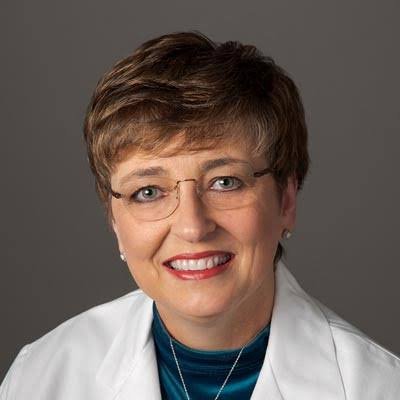
Dr. Linda Pouzar, MD Family Medicine
Dr. Linda Carole Pouzar, MD, is a board-certified family medicine physician serving patients in the Houston and Webster, Texas area. Her medical background centers on primary care, preventive medicine, routine health maintenance, and the long-term management of common acute and chronic health conditions. Current professional records confirm her certification through the American Board of Family Medicine.
Dr. Pouzar has decades of experience in family medicine. She graduated from Baylor College of Medicine in 1987 and completed family medicine residency training through what is now Waco Family Medicine Institute.
Patients searching for other primary care physicians can also visit the Doctiplus Family Medicine Specialist category.
Family Medicine And Primary Care
Family medicine is designed to provide ongoing healthcare rather than focusing on only one organ system or one disease. A family physician can become a central point of contact for routine checkups, preventive care, common illnesses, chronic disease monitoring, medication reviews, and referrals to specialists when more focused evaluation is necessary.
For patients managing several health concerns at once, continuity of care can be particularly useful. A primary care physician can review how conditions such as high blood pressure, diabetes, cholesterol problems, and other chronic diseases interact instead of treating every issue separately.
Dr. Pouzar’s board certification and long-standing practice in family medicine support this broad primary care role. WellMed currently identifies family medicine as her specialty and lists her as accepting new patients.
Preventive Healthcare
One of the central responsibilities of family medicine is prevention. A routine primary care visit may include discussion of personal and family medical history, blood pressure, laboratory testing, age-appropriate screening, vaccinations, and lifestyle factors that can affect future health.
Preventive care is particularly useful because conditions such as hypertension, high cholesterol, and type 2 diabetes may develop before a person notices significant symptoms.
The CDC recommends working with healthcare professionals to monitor and manage cholesterol, blood pressure, diabetes, and other cardiovascular risk factors.
Regular primary care gives patients an opportunity to review these risks over time rather than waiting until a health problem becomes more difficult to manage.
High Blood Pressure Management
High blood pressure is a common condition managed in primary care. Because hypertension can require ongoing monitoring, patients may need repeated blood pressure measurements and periodic adjustments to their care plan.
Treatment is individualized. The National Heart, Lung, and Blood Institute notes that management may involve heart-healthy eating, physical activity, weight management, limiting alcohol, and medication when appropriate.
A family medicine physician can also consider other conditions or medications that may influence blood pressure. This is important for people who are simultaneously managing diabetes, kidney problems, high cholesterol, or cardiovascular risk.
Patients should not change or stop prescribed blood pressure medication without discussing the decision with their healthcare professional.
Diabetes And Blood Sugar Care
Type 2 diabetes often requires ongoing primary care rather than a single episode of treatment. Monitoring can include blood glucose control, medication review, blood pressure, cholesterol, weight, and screening for complications.
The National Institute of Diabetes and Digestive and Kidney Diseases emphasizes creating an individualized diabetes care plan with a healthcare team. Managing blood glucose, maintaining healthy habits, and taking prescribed medications can help reduce the likelihood of diabetes-related health problems.
Family physicians may coordinate routine diabetes care and refer patients to endocrinology, ophthalmology, podiatry, nephrology, cardiology, or other specialists when additional expertise is needed.
Primary care is particularly valuable when diabetes occurs alongside other chronic conditions because treatment decisions need to consider the patient’s overall health rather than blood sugar alone.
Cholesterol And Cardiovascular Risk
Primary care also has an important role in identifying factors that increase cardiovascular risk.
High blood pressure, abnormal cholesterol, diabetes, smoking, physical inactivity, and other health factors can contribute to heart disease risk. The CDC recommends addressing these factors with a healthcare team as part of cardiovascular disease prevention.
Depending on a patient’s age, medical history, family history, medications, and previous laboratory results, a family physician may recommend cholesterol testing or other assessments.
When findings suggest established cardiovascular disease or a more complex problem, referral to a cardiologist may be appropriate.
Routine Adult Healthcare
Family medicine appointments are also an opportunity to address general health concerns that do not necessarily require a specialist.
Patients may discuss fatigue, headaches, digestive complaints, respiratory symptoms, sleep concerns, joint discomfort, skin problems, urinary symptoms, or other changes in health.
The physician can assess whether the problem is suitable for treatment in primary care or whether testing and specialist consultation would be useful.
This broad scope is one reason maintaining a consistent primary care relationship can be helpful. The physician becomes familiar with the patient’s medical history, previous testing, medication use, and long-term changes in health.
Vaccinations And Health Maintenance
Vaccination is another component of preventive primary care. Recommendations may differ according to a person’s age, previous vaccination history, pregnancy status, medical conditions, and other risk factors.
The CDC maintains adult immunization recommendations and advises adults to stay up to date with vaccines appropriate for their circumstances.
Patients who are unsure about their vaccination history can discuss it during a routine visit. A physician can review available records and determine which vaccines may be appropriate based on current guidance.
Coordinating Specialist Care
Family physicians frequently help patients navigate care involving multiple specialists.
For example, someone with diabetes and cardiovascular disease may receive care from a primary physician, cardiologist, endocrinologist, ophthalmologist, and other clinicians. Without coordination, medication lists, laboratory testing, and treatment recommendations can become difficult to follow.
Primary care provides a place where these different parts of a patient’s medical history can be reviewed together.
Referral to another specialist does not necessarily end the family physician’s involvement. The primary care doctor may continue managing routine health needs while coordinating with specialty physicians for more complex conditions.
Education And Medical Training
Dr. Pouzar graduated from Baylor College of Medicine in 1987. She subsequently completed a family medicine residency from 1987 through 1990 at Waco Family Medicine Institute, which professional listings also reference under the McLennan County Medical Education and Research Foundation.
Her professional records list certification by the American Board of Family Medicine. Doximity also shows an active Texas medical license extending through 2027.
This training establishes her background in comprehensive primary care across a broad range of everyday and long-term medical needs.
Current Practice Information
As of August 13, 2026, Dr. Pouzar is associated with Clear Lake Medical Group in the Houston-Webster area. However, the practice has announced an important upcoming change.
Clear Lake Medical Group states that effective August 17, 2026, Dr. Linda C. Pouzar will depart the group and continue practicing with Empower Health at 1045 Gemini Street, Suite 200B, Houston, Texas 77058.
This date is important because practice directories may temporarily show different information while the transition is taking place.
WellMed currently lists Dr. Pouzar at locations in Webster and Houston and identifies her as accepting new patients. Its directory lists the Webster office at 251 W. Medical Center Boulevard, Suite 300, and a Houston location at 1045 Gemini Street, Suite 200B.
Because her practice transition takes effect on August 17, patients should verify the correct location and scheduling information directly before an appointment.
Hospital Affiliations
Current physician directories associate Dr. Pouzar with healthcare facilities in the Clear Lake area. Healthgrades lists affiliations with HCA Houston Healthcare Clear Lake and HCA Houston Healthcare Mainland.
Doximity also identifies her as a family physician in Houston and reports affiliations in the Houston and Clear Lake healthcare community.
Hospital relationships and admitting arrangements can change, particularly when a physician changes medical groups, so patients who require hospital-based care should confirm the latest affiliation information with the physician’s office.
Preparing For An Appointment
Patients can make a primary care appointment more useful by bringing an updated list of prescription medicines, over-the-counter medications, supplements, allergies, previous diagnoses, and recent laboratory or imaging results.
It can also help to bring home blood pressure or blood glucose records when these are being monitored.
New patients should provide as complete a medical history as possible, including previous procedures, hospitalizations, major illnesses, family health history, and contact information for other physicians involved in their care.
For an annual or preventive visit, patients may also want to ask whether they are due for recommended screenings, laboratory testing, or vaccinations.
Long-Term Primary Care
One advantage of family medicine is continuity. Health information gathered across multiple appointments can provide context when new symptoms appear or when chronic conditions change.
A physician who knows a patient’s previous blood pressure readings, laboratory trends, medication history, and past health concerns may be better positioned to recognize meaningful changes over time.
For people living with chronic conditions such as hypertension or diabetes, regular follow-up is also an opportunity to review whether the existing treatment plan continues to meet their needs. The NIDDK recommends that people with diabetes work with their healthcare team on an ongoing care plan rather than managing the disease in isolation.
Dr. Pouzar’s lengthy background in family medicine places this type of continuing primary care at the center of her practice.



Reviews
There are no reviews yet.