
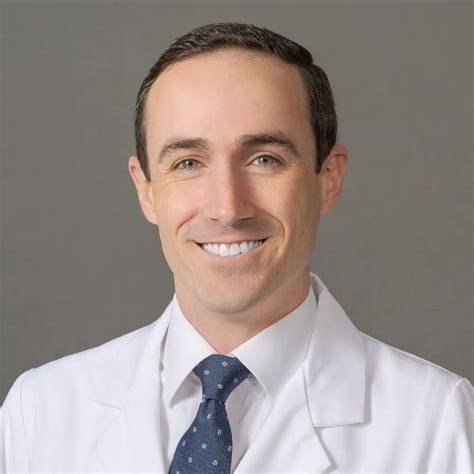
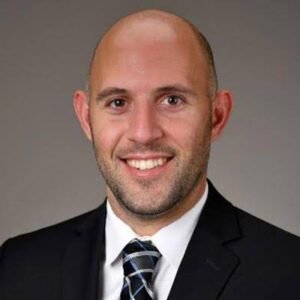
Dr. Lubor Jarolimek, MD Orthopedic Surgeon and Joint Care
Dr. Lubor J. Jarolimek, MD, is a board-certified orthopedic surgeon whose professional work covers general orthopedics and musculoskeletal conditions involving the knee, hip, shoulder, elbow, and other joints. Current WellMed and CMS records identify Orthopaedic Surgery as his specialty, while current professional information places him with Orthopedic Care Center in Houston. His NPI is 1851375778.
His documented surgical experience includes knee arthroscopy, ACL reconstruction, meniscus procedures, shoulder arthroscopy, rotator cuff surgery, tendon repair, and knee replacement. NW Surgery also currently lists general orthopedics, spine surgery, and spine injections among the areas associated with his work.
An appointment with an orthopedic surgeon does not automatically mean surgery will be recommended. Many joint and soft-tissue problems can initially be managed with activity modification, physical therapy, medication, injections, or continued monitoring. Surgery becomes more relevant when the diagnosis, symptoms, functional limitations, imaging, and response to earlier treatment support an operative approach. The American Academy of Orthopaedic Surgeons makes this distinction across conditions such as meniscus tears and rotator cuff injuries.
Patients researching similar physicians can browse the Orthopedic Surgeon directory on Doctiplus or compare Dr. Jarolimek’s background with Dr. Ryan Siller’s orthopedic surgery profile.
About Dr. Lubor Jarolimek
Current professional information identifies his full name as Lubor Jan Jarolimek, MD. WellMed lists him in Orthopaedic Surgery at Orthopedic Care Center, while CMS identifies NPI 1851375778 as an individual physician specializing in Orthopedic Surgery.
Dr. Jarolimek’s professional biography states that he was born in Prague, Czech Republic, before completing his higher education and medical training in the United States. He earned a bachelor’s degree in biology from the University of Colorado in 1989, received his medical degree from McGovern Medical School at UTHealth in 1993, and completed Orthopaedic Surgery residency training at the University of Texas Health Science Center at Houston in 1998.
Current WellMed information lists Czech, English, and Spanish among the languages associated with his practice profile.
For patients, his broad orthopedic background is relevant because pain or reduced mobility may originate from bones, cartilage, ligaments, tendons, muscles, or nerves. The first task is determining which structure is responsible before deciding whether rehabilitation, an injection, arthroscopic surgery, joint replacement, or another treatment makes sense.
Medical Education and Orthopedic Training
Dr. Jarolimek completed his undergraduate education at the University of Colorado, earning a Bachelor of Arts in Biology in 1989. He then attended McGovern Medical School at UTHealth, completing his medical degree in 1993. His Orthopaedic Surgery residency at the University of Texas Health Science Center at Houston was completed in 1998.
| Training Area | Institution | Details |
|---|---|---|
| Undergraduate education | University of Colorado | BA in Biology, 1989 |
| Medical education | McGovern Medical School at UTHealth | MD, 1993 |
| Residency | University of Texas Health Science Center at Houston | Orthopaedic Surgery, completed 1998 |
| Specialty | Orthopedic Surgery | Musculoskeletal medical and surgical care |
| Board certification | American Board of Orthopaedic Surgery | Orthopaedic Surgery |
Orthopedic residency provides training in conditions affecting bones, joints, ligaments, muscles, tendons, and related structures. It also includes fracture treatment, joint disease, sports injuries, surgical reconstruction, postoperative care, and decisions about when nonsurgical management should continue.
Dr. Jarolimek’s training records are consistent across current WellMed and professional orthopedic sources, although some secondary directories contain inaccurate medical-school wording. The stronger current professional source specifically identifies McGovern Medical School at UTHealth for his medical degree.
Board Certification and Professional Memberships
Current orthopedic professional information identifies Dr. Jarolimek as certified by the American Board of Orthopaedic Surgery. His profile also lists membership in the Texas Medical Association and Harris County Medical Society.
Board certification helps establish specialty training, but it does not indicate which operation a particular patient needs. Orthopedic treatment is highly diagnosis-specific.
A person with advanced knee arthritis may eventually discuss joint replacement, while someone with a smaller meniscus injury may be managed very differently. A shoulder problem may require rehabilitation rather than surgery, and an abnormal MRI does not automatically make an operation necessary.
The useful question is therefore not simply whether a surgeon performs a procedure. It is whether that procedure addresses the specific source of a patient’s symptoms.
General Orthopedic Care
NW Surgery currently lists General Orthopedics among Dr. Jarolimek’s specialties. Enovis also associates his orthopedic practice with the elbow, hip, knee, and shoulder.
General orthopedics can include evaluation of joint pain, injuries, fractures, ligament problems, tendon conditions, arthritis, reduced range of motion, and other musculoskeletal concerns.
An orthopedic appointment may begin with questions about when pain started, whether an injury occurred, what movements make symptoms worse, whether swelling is present, and whether normal walking, lifting, work, or exercise has become difficult.
The physician may then use physical examination and imaging to determine which structure appears to be involved.
This is especially important because pain in one region does not always originate from the joint itself. The Doctiplus guide to structural versus muscular sources of knee pain explains why examination and imaging need to be considered together.
Knee Pain and Knee Injuries
Knee care represents a substantial part of Dr. Jarolimek’s documented orthopedic work. Current procedure listings associated with him include knee arthroscopy, ACL repair or reconstruction, MCL repair, knee or kneecap repair, meniscus-related surgery, and outpatient knee replacement.
Knee pain can arise from several different structures.
The meniscus provides cushioning inside the joint. Ligaments such as the ACL help stabilize the knee. Tendons connect muscles to bone, while cartilage covers joint surfaces and allows smoother movement.
Because these tissues perform different jobs, two patients who both report “knee pain” may require completely different treatment.
A useful orthopedic assessment looks at whether symptoms followed an injury, whether the knee feels unstable, whether it catches or locks, whether swelling develops, and how much normal activity is affected.
Meniscus Tears
Dr. Jarolimek’s current procedure data includes knee arthroscopy and meniscus surgery.
Meniscus tears can occur after a twisting injury or develop through degenerative changes over time. The American Academy of Orthopaedic Surgeons notes that treatment depends on symptoms, the type and location of the tear, and how the problem responds to nonsurgical care.
Some tears can initially be managed without an operation.
When symptoms continue despite appropriate nonsurgical treatment, arthroscopy may be considered. Depending on the tear, the surgeon may repair damaged meniscal tissue or remove an unstable portion that cannot reasonably heal.
Patients should therefore ask whether their tear is suitable for repair, whether trimming is being considered, and why one option is more appropriate for their particular injury.
Knee Arthroscopy
Knee arthroscopy is among the procedures currently associated with Dr. Jarolimek.
Arthroscopy uses a small camera inserted through a small opening to examine the inside of the joint. Additional small openings allow surgical instruments to be introduced when treatment is required.
AAOS identifies arthroscopy as an approach used for selected meniscus tears, ligament problems, damaged cartilage, loose bone or cartilage fragments, and certain kneecap conditions.
The fact that arthroscopy uses small incisions does not mean every knee problem should be treated this way.
Patients with arthritis-related knee pain, for example, may have a problem that is not corrected by simply looking inside the joint. The orthopedic surgeon needs to determine whether there is a specific structural problem that arthroscopy can reasonably improve.
ACL Injuries and Reconstruction
ACL repair or reconstruction is also listed among procedures associated with Dr. Jarolimek’s orthopedic practice.
The anterior cruciate ligament helps stabilize the knee during movements involving turning, pivoting, and sudden changes in direction.
Not every ACL injury requires surgery.
AAOS explains that the decision depends on the extent of injury, instability, activity demands, other knee damage, and the patient’s goals. When surgery is selected, reconstruction remains the most common operative approach, although repair may be considered in selected tear patterns.
Patients considering ACL surgery should understand whether other structures such as the meniscus were injured at the same time because combined injuries can influence both treatment and rehabilitation.
Knee Arthritis
Knee osteoarthritis occurs when the joint’s cartilage and other structures undergo degenerative changes over time. Pain, stiffness, swelling, and reduced walking tolerance can gradually become more noticeable.
An orthopedic surgeon may review standing X-rays, physical examination findings, previous treatments, and the effect symptoms have on everyday activity before discussing surgery.
Earlier management may involve activity changes, rehabilitation, medication, selected injections, or other conservative approaches.
The decision to move toward replacement surgery is usually based on the combination of structural joint damage and meaningful symptoms rather than age or an X-ray alone.
Knee Replacement Surgery
Current procedure information associated with Dr. Jarolimek includes outpatient knee replacement.
Total knee replacement is generally considered when advanced joint damage is producing substantial pain or functional limitation and appropriate nonsurgical treatments are no longer providing enough relief.
AAOS describes total knee replacement as removal of damaged cartilage and bone followed by placement of artificial components designed to restore joint alignment and function.
Surgery is only one part of the process.
Patients also need to understand postoperative rehabilitation, mobility expectations, wound care, activity progression, and how long recovery may take. AAOS notes that rebuilding strength and movement after knee replacement is a gradual process that continues over several months.
Before proceeding, useful questions include why replacement is preferable to continued conservative treatment, what type of implant is planned, and what realistic improvements are expected.
Shoulder Pain and Rotator Cuff Problems
Shoulder surgery also appears prominently in Dr. Jarolimek’s current procedure record. Listed procedures include acromioplasty, arthroscopic biceps tenodesis, shoulder arthroscopy, and rotator cuff-related procedures.
The shoulder depends on several muscles and tendons working together to provide movement and stability. The rotator cuff is particularly important for lifting and rotating the arm.
AAOS identifies pain with lifting, weakness, discomfort at night, and difficulty performing normal arm movements among common symptoms associated with rotator cuff tears. MRI or ultrasound may be used to evaluate the tendons when the examination suggests a structural injury.
However, imaging findings must still be interpreted alongside symptoms.
Some people have degenerative tendon changes without major functional problems, while another person may have a tear that substantially limits strength and movement.
Rotator Cuff Treatment
Current procedure records associate Dr. Jarolimek with rotator cuff surgery and shoulder arthroscopy.
AAOS notes that many rotator cuff tears can initially be treated without surgery through approaches such as physical therapy, medication, or selected corticosteroid injections. The goal is to improve pain and function.
Surgery becomes more relevant when symptoms remain significant, weakness or loss of function continues, or the tear has characteristics that make repair appropriate.
When rotator cuff repair is performed, the torn tendon is commonly reattached to its normal attachment area on the upper arm bone.
Patients should ask whether the tear is complete or partial, whether it appears acute or degenerative, and what result the surgeon expects from repair compared with continued rehabilitation.
Shoulder Arthroscopy and Acromioplasty
Dr. Jarolimek’s documented procedures include shoulder arthroscopy and acromioplasty.
Shoulder arthroscopy allows the surgeon to examine structures inside the shoulder through small access points. Depending on the diagnosis, an arthroscopic procedure may involve treatment of tendons, cartilage, the labrum, or other structures.
Acromioplasty refers to reshaping part of the acromion, a bony structure above the shoulder joint, in selected cases.
It should not be assumed that every patient with shoulder impingement or rotator cuff symptoms needs acromioplasty. The recommended procedure depends on what the examination and imaging actually show.
Biceps and Other Tendon Injuries
Arthroscopic biceps tenodesis and biceps or triceps tendon repair are among procedures listed for Dr. Jarolimek through current surgical-provider information.
Tendons transfer force from muscles to bones, so a significant injury can affect strength and normal movement.
Treatment depends on which tendon is involved, whether the injury is partial or complete, how long ago it occurred, and how much function has been lost.
Some tendon problems can improve with rest and rehabilitation. Others may require surgical repair, particularly when the tendon has completely separated and the resulting loss of function is important for the individual patient.
Hip and Joint Care
Enovis currently lists the hip among the body areas associated with Dr. Jarolimek’s orthopedic practice.
Hip symptoms can arise from arthritis, tendon irritation, injury, fracture, or pain referred from the lower back.
The orthopedic evaluation may therefore include examination of walking, joint movement, strength, and imaging before the source of the problem becomes clear.
Joint replacement can become a treatment consideration for severe hip arthritis, but the fact that a patient has arthritis on an X-ray does not by itself establish the need for surgery.
AAOS describes joint replacement as removal of damaged portions of a joint and replacement with prosthetic components, most commonly in the hip and knee.
The decision should be connected to persistent symptoms and functional limitation as well as structural damage.
Elbow, Hand and Upper-Extremity Problems
Enovis lists elbow care among Dr. Jarolimek’s orthopedic areas, and current surgical-procedure data also includes tendon procedures that can involve the upper extremity.
Orthopedic evaluation can be useful for persistent pain, reduced movement, tendon problems, fractures, or joint conditions that do not improve with initial care.
The treatment may remain nonsurgical when the problem can reasonably improve with rehabilitation or activity changes.
More complex hand or nerve conditions sometimes require a fellowship-trained hand specialist, depending on the diagnosis. Patients comparing that type of focused care can also review Dr. Jeffrey K. Smith’s hand and upper-extremity surgery profile.
Spine Care in His Current Professional Profile
NW Surgery currently lists Spine Surgery and Spine Injections along with General Orthopedics among Dr. Jarolimek’s specialties on its physician page.
This is useful context but should be interpreted carefully.
His verified specialty and board certification are Orthopedic Surgery, and the available current professional records reviewed for this profile do not identify a separate spine fellowship. Patients seeking highly complex spine reconstruction may therefore want to ask what types of spinal conditions and procedures Dr. Jarolimek personally manages and whether another spine subspecialist should also be involved.
For patients with significant spine disease, the appropriate decision can depend on neurological symptoms, imaging, instability, previous treatment, and whether the pain source is actually spinal.
Conservative Treatment Before Surgery
One of the most useful parts of orthopedic care is deciding when an operation is not necessary.
For common meniscus problems, AAOS recommends considering nonsurgical approaches before arthroscopy when the clinical situation allows.
Similarly, many rotator cuff tears can initially be managed through physical therapy, medication, and selected injections rather than immediate surgery.
The appropriate conservative plan depends on the diagnosis.
A ligament injury causing major instability may be approached differently from mild arthritis. A traumatic tendon tear may require a different discussion from gradual shoulder soreness.
Patients should therefore ask what alternatives remain before agreeing to an elective orthopedic operation.
Imaging and Diagnostic Evaluation
Orthopedic decisions often depend on combining examination findings with imaging.
X-rays are useful for evaluating bones, joint alignment, fractures, and many forms of arthritis. MRI can provide more detailed information about ligaments, cartilage, tendons, and other soft tissues.
For rotator cuff problems, AAOS notes that MRI and ultrasound can help show the location and size of a tendon tear.
For knee problems, imaging may help identify arthritis or soft-tissue injury, but the scan still needs to match the patient’s symptoms.
A structural abnormality seen on imaging is not automatically the source of pain.
This is especially important in older joints, where imaging can show several changes at once. The surgeon’s role is to determine which finding is clinically meaningful.
Rehabilitation and Recovery
Orthopedic surgery and rehabilitation are closely connected.
After an operation, recovery may involve gradually restoring joint movement, rebuilding muscle strength, improving walking or arm function, and returning to normal activity in stages.
AAOS emphasizes structured rehabilitation following procedures such as knee replacement and shoulder surgery.
Patients should understand their postoperative plan before surgery whenever possible.
Useful details include when physical therapy is expected to begin, how long walking aids may be needed after lower-extremity surgery, what activities should initially be avoided, and when work or driving might reasonably resume.
Doctiplus also discusses the role of follow-up care during recovery after surgery, including orthopedic procedures.
Sports and Activity-Related Injuries
Dr. Jarolimek’s current procedure profile includes several treatments commonly associated with activity-related injuries, particularly ACL reconstruction, meniscus surgery, rotator cuff procedures, and tendon repair.
Sports-related orthopedic treatment should consider what activity the patient hopes to return to.
A recreational walker and a competitive athlete may have different functional expectations even when imaging appears similar.
For ligament injuries, stability can become particularly important. For shoulder injuries, throwing or overhead activity may place demands on the joint that ordinary daily tasks do not.
The Doctiplus guide to common sports injuries provides additional background on knee, shoulder, and overuse problems.
Preparing for an Appointment With Dr. Jarolimek
Patients can make an orthopedic consultation more useful by bringing records that show how the problem developed. This is particularly important when another physician has already ordered imaging or when previous treatment has failed.
Useful information may include recent X-rays, MRI or CT reports, access to the actual imaging when available, physical therapy records, prior orthopedic operative reports, current medications, medication allergies, previous injections, and a simple timeline of symptoms.
Patients should also explain how the condition affects function.
For a knee problem, it may be useful to describe whether the knee gives way, locks, swells, or limits walking. For shoulder symptoms, patients can explain which lifting or reaching movements have become difficult and whether weakness is present.
This type of functional information can help the orthopedic surgeon interpret imaging more meaningfully.
Questions Worth Asking Before Orthopedic Surgery
Before agreeing to an elective orthopedic procedure, patients should understand exactly what diagnosis has been established and what the operation is intended to correct.
Useful questions include whether continued nonsurgical treatment remains reasonable, whether the proposed procedure is arthroscopic or open, whether tissue will be repaired or removed, what improvement is realistically expected, and what recovery will require.
For knee replacement, patients may want to ask why replacement is more appropriate than continued conservative care.
For a meniscus tear, the important distinction may be whether tissue can be repaired or requires trimming.
For rotator cuff disease, patients can ask whether the tear is likely to improve sufficiently without surgery.
A clear surgical consultation should address both the proposed operation and the alternatives.
Second Opinions for Orthopedic Surgery
A second opinion can be reasonable when joint replacement is recommended, several structures are injured, previous surgery has failed, spine surgery is proposed, or two treatment choices appear equally possible.
Another orthopedic surgeon may agree with the original plan. That agreement can still be useful because it confirms that independent specialists interpret the symptoms and imaging similarly.
Patients comparing orthopedic backgrounds can review Dr. Ryan Siller’s orthopedic surgery and sports medicine profile or browse the broader Doctiplus Orthopedic Surgeon directory.
Current Practice and Appointment Information
Current WellMed information lists Dr. Jarolimek with Orthopedic Care Center at 2121 Oakdale Street and provides 713-522-2222 for appointments. Its current directory lists weekday office hours from 8 a.m. to 5 p.m.
Current orthopedic professional information independently lists the same Orthopedic Care Center address and telephone number.
CMS also identifies NPI 1851375778 under Orthopedic Surgery, providing additional confirmation of his professional identity and specialty.
NW Surgery’s current physician directory also includes Dr. Jarolimek among its orthopedic surgeons and lists his practice interests as General Orthopedics, Spine Surgery, and Spine Injections.
Office schedules, surgical locations, insurance participation, hospital affiliations, and new-patient availability can change. Patients should confirm current arrangements directly with Orthopedic Care Center before scheduling or sending imaging.
Understanding Dr. Jarolimek’s Clinical Profile
The clearest verified professional picture of Dr. Lubor J. Jarolimek is that of a board-certified orthopedic surgeon with decades of experience in general musculoskeletal and joint care. He earned his biology degree from the University of Colorado in 1989, graduated from McGovern Medical School at UTHealth in 1993, and completed Orthopaedic Surgery residency at the University of Texas Health Science Center at Houston in 1998.
Current professional records identify his practice with Orthopedic Care Center and consistently classify his specialty as Orthopedic Surgery. His documented surgical work includes knee arthroscopy, ACL reconstruction, meniscus procedures, knee replacement, shoulder arthroscopy, rotator cuff surgery, acromioplasty, and tendon repair, while other current professional information also associates him with hip, elbow, and spine-related orthopedic care.
For patients, the practical value of this background is the ability to assess a musculoskeletal problem across both surgical and nonsurgical possibilities. Knee pain may come from arthritis, a meniscus tear, or ligament damage. Shoulder pain may involve the rotator cuff, biceps tendon, or another structure. Hip symptoms can have joint or non-joint causes.
The important orthopedic decision is therefore not simply which procedure is available. It is whether the diagnosis, examination, imaging, symptoms, previous treatment, and patient’s functional goals point toward that procedure as the most reasonable next step.
Reviews
There are no reviews yet.