
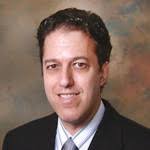
Dr. Philip A. Matorin Otolaryngologist and Sleep Medicine Physician
Dr. Philip A. Matorin is a board-certified otolaryngologist and sleep medicine physician providing medical and surgical care for conditions affecting the ears, nose, sinuses, throat, head, neck, breathing, and sleep.
His clinical interests include chronic sinus problems, nasal obstruction, allergies, snoring, obstructive sleep apnoea, throat symptoms, hearing concerns, and other ear, nose, and throat disorders affecting adults and children.
Dr. Matorin practises at the Snoring and Sleep Center in Houston, Texas. His combined training in otolaryngology and sleep medicine allows him to assess both the medical and structural factors that may interfere with breathing during the day or while sleeping.
Patients with neurological sleep concerns may also read about Dr. Randall J. Wright’s neurology and sleep medicine care.
Doctor Information
Name: Dr. Philip Andrew Matorin, MD
Specialty: Otolaryngology and Head and Neck Surgery
Additional Specialty: Sleep Medicine
Board Certifications: Otolaryngology-Head and Neck Surgery and Sleep Medicine
Medical School: University of Texas Medical Branch School of Medicine
Medical Degree Completed: 1990
General Surgery Residency: Baylor College of Medicine
Otolaryngology Residency: Baylor College of Medicine
Residency Training Period: 1990 to 1996
Practice: Snoring and Sleep Center
Medical Group: Oprex Medical Group
Primary Location: Houston, Texas
Hospital Affiliation: HCA Houston Healthcare West
Languages Listed: English
NPI Number: 1407858384
Patient Age Groups: Adults and children
Accepting New Patients: Yes, according to current public provider listings
About Dr. Philip A. Matorin
Dr. Matorin earned his medical degree from the University of Texas Medical Branch School of Medicine in 1990.
He then completed postgraduate surgical training at Baylor College of Medicine. His education included general surgery followed by residency training in otolaryngology and head and neck surgery.
Otolaryngology, commonly called ENT care, focuses on the ears, nose, sinuses, throat, voice, airway, and related structures of the head and neck.
Dr. Matorin later obtained board certification in sleep medicine. This additional qualification supports his work with patients whose snoring, sleep disruption, or sleep apnoea may be connected with nasal blockage, enlarged throat tissues, airway anatomy, or another breathing disorder.
A patient may visit Dr. Matorin for recurring sinus pressure, nasal congestion, breathing difficulty, loud snoring, hearing changes, throat discomfort, frequent infections, or sleep-related breathing symptoms.
His assessment may include a medical history, physical examination, nasal or throat endoscopy, hearing testing, allergy evaluation, imaging, or a sleep study.
Treatment may involve medicine, changes to daily routines, positive airway pressure therapy, an office procedure, or surgery when clinically appropriate.
Ear, Nose and Throat Services
Dr. Matorin may evaluate conditions involving:
- Chronic sinusitis
- Recurrent sinus infections
- Nasal obstruction
- Deviated nasal septum
- Enlarged nasal turbinates
- Allergic rhinitis
- Nasal polyps
- Snoring
- Obstructive sleep apnoea
- Tonsil and adenoid problems
- Ear infections
- Earwax blockage
- Hearing changes
- Tinnitus
- Dizziness and balance symptoms
- Voice changes
- Difficulty swallowing
- Throat discomfort
- Head and neck concerns
The appropriate assessment depends on the patient’s symptoms, age, medical history, previous treatment, and examination findings.
Some conditions improve with medicine or observation. Others may require testing, an office procedure, or surgical treatment.
Chronic Sinusitis
Chronic sinusitis occurs when inflammation inside the nose and sinuses continues for an extended period.
Possible symptoms include:
- Nasal congestion
- Facial pressure
- Reduced sense of smell
- Thick nasal drainage
- Postnasal drainage
- Head pressure
- Cough
- Poor sleep
- Tiredness
- Repeated sinus infections
Several conditions can produce similar symptoms. These include allergies, structural narrowing, nasal polyps, medication effects, and migraine.
Dr. Matorin may examine the nasal passages and review how long symptoms have continued, which treatments have been attempted, and whether infections repeatedly return.
Testing may include nasal endoscopy, allergy assessment, or CT imaging of the sinuses.
Treatment may involve saline rinses, nasal medicine, allergy care, antibiotics for selected bacterial infections, or surgery when structural disease remains significant.
Nasal Endoscopy
Nasal endoscopy uses a narrow viewing instrument to examine areas inside the nose that are difficult to see during a standard examination.
It may help Dr. Matorin assess:
- Nasal swelling
- Thick drainage
- Polyps
- Structural narrowing
- Sources of bleeding
- Signs of infection
- Previous surgical changes
- Possible blockage near sinus openings
A numbing or decongesting medicine may be applied before the examination.
The procedure is usually completed in the office and provides immediate visual information about the nasal passages.
Recurrent Sinus Infections
Some patients experience repeated episodes of facial pressure, congestion, discoloured drainage, or reduced smell.
Recurring symptoms may be connected with:
- Allergies
- Narrow sinus openings
- Nasal polyps
- A deviated septum
- Immune-system concerns
- Dental infection
- Environmental exposure
- Incomplete treatment
- Symptoms that are not actually caused by infection
Dr. Matorin may review the number of episodes, symptom duration, test results, and response to previous antibiotics.
Not every episode of congestion requires antibiotic treatment. Identifying the underlying cause can help reduce unnecessary medicine and guide more effective care.
Deviated Nasal Septum
The nasal septum separates the two sides of the nose.
A deviated septum occurs when this wall is bent or displaced enough to reduce airflow through one or both nasal passages.
Possible symptoms include:
- Difficulty breathing through the nose
- One-sided congestion
- Mouth breathing
- Snoring
- Dry mouth
- Recurrent nosebleeds
- Sleep disruption
- Symptoms that become worse during allergies or infection
Mild deviation may not require treatment.
When symptoms remain significant, Dr. Matorin may discuss septoplasty, an operation used to improve the position of the septum and create more space for airflow.
Enlarged Nasal Turbinates
Turbinates are structures inside the nose that warm, filter, and humidify incoming air.
They may become enlarged because of allergies, inflammation, environmental irritants, or repeated use of certain nasal sprays.
Enlargement can contribute to:
- Nasal blockage
- Mouth breathing
- Snoring
- Reduced sleep quality
- Difficulty exercising
- Dependence on decongestant sprays
Treatment may begin with allergy management and nasal medicine.
Turbinate-reduction treatment may be considered when significant blockage continues despite appropriate non-surgical care.
Nasal Polyps
Nasal polyps are soft, noncancerous growths that develop within inflamed nasal or sinus tissue.
They may cause:
- Nasal obstruction
- Reduced smell
- Reduced taste
- Facial pressure
- Postnasal drainage
- Repeated sinus symptoms
- Mouth breathing
- Snoring
Dr. Matorin may use nasal endoscopy and imaging to determine the location and extent of polyps.
Treatment may include nasal steroid medicine, other anti-inflammatory care, allergy management, or endoscopic surgery.
Polyps can return after treatment, particularly when the underlying inflammation remains active.
Allergic Rhinitis
Allergic rhinitis develops when the immune system reacts to substances such as pollen, dust mites, mould, or animal allergens.
Possible symptoms include:
- Sneezing
- Clear nasal drainage
- Nasal itching
- Congestion
- Watery eyes
- Postnasal drainage
- Throat irritation
- Seasonal symptom patterns
Dr. Matorin may review when symptoms occur and which environments make them worse.
Treatment may involve reducing exposure, nasal sprays, oral antihistamines, saline rinses, allergy testing, or immunotherapy when appropriate.
Allergy symptoms and structural nasal blockage may occur together, so treating only one problem may not fully improve breathing.
Balloon Sinuplasty
Balloon sinuplasty is an endoscopic technique used for selected patients with chronic or recurrent sinus disease.
A small balloon device is guided into a narrowed sinus opening and gently expanded to create more space for drainage.
The procedure may be considered when:
- Symptoms continue despite medical treatment
- Imaging confirms narrowing or blockage
- The disease involves sinuses suitable for balloon treatment
- The patient meets other clinical requirements
Balloon sinuplasty does not treat every form of chronic sinus disease.
Patients with extensive polyps, complex anatomy, fungal disease, or another condition may need a different surgical approach.
Dr. Matorin can explain whether balloon treatment, traditional endoscopic surgery, or continued medical care is more appropriate.
Endoscopic Sinus Surgery
Endoscopic sinus surgery uses a camera and instruments passed through the nostrils to improve sinus drainage and remove selected diseased tissue.
It may be considered for:
- Chronic sinusitis
- Recurrent infections
- Nasal polyps
- Structural blockage
- Selected sinus cysts
- Disease that has not improved with medical treatment
The operation does not normally require an external facial incision.
Surgery aims to improve ventilation and drainage, but continuing medical care may still be needed afterward to control inflammation or allergies.
Snoring Evaluation
Snoring occurs when tissues in the upper airway vibrate during sleep.
Possible contributing factors include:
- Nasal congestion
- Deviated septum
- Enlarged turbinates
- Enlarged tonsils
- Soft-palate vibration
- Tongue position
- Sleeping on the back
- Alcohol or sedating medicine
- Weight-related airway pressure
- Obstructive sleep apnoea
Snoring does not always mean that sleep apnoea is present. However, loud and regular snoring can be an important sign when it occurs with breathing pauses, choking, poor sleep, or daytime tiredness.
Dr. Matorin may examine the nose, mouth, throat, jaw, and neck to identify possible areas of airway narrowing.
Obstructive Sleep Apnoea
Obstructive sleep apnoea causes repeated interruptions in breathing when the upper airway narrows or closes during sleep.
Possible signs include:
- Loud snoring
- Witnessed breathing pauses
- Gasping or choking during sleep
- Frequent waking
- Morning headaches
- Dry mouth
- Daytime sleepiness
- Difficulty concentrating
- Irritability
- Poorly controlled blood pressure
Sleep apnoea can interfere with sleep quality even when the patient does not remember waking.
Dr. Matorin may assess structural airway factors and arrange sleep testing to measure breathing, oxygen levels, sleep stages, and the frequency of respiratory events.
Patients with sleep-related neurological symptoms may also need evaluation from a specialist such as Dr. Randall J. Wright.
Sleep Study
A sleep study records information about breathing and sleep.
Depending on the patient’s symptoms and medical history, testing may take place at home or in a sleep centre.
A study may measure:
- Airflow
- Breathing effort
- Oxygen level
- Heart rate
- Snoring
- Sleeping position
- Brain activity
- Eye movement
- Muscle activity
- Leg movement
The results may show whether sleep apnoea is present and how severe it is.
A home sleep test is not suitable for every patient. Some people require a supervised overnight study because of other medical conditions or an unclear initial result.
CPAP and Positive Airway Pressure
Continuous positive airway pressure, commonly called CPAP, uses gentle air pressure to help keep the airway open during sleep.
Treatment may improve:
- Breathing interruptions
- Oxygen levels
- Snoring
- Sleep quality
- Morning headaches
- Daytime alertness
Some patients have difficulty tolerating treatment because of nasal congestion, dryness, mask discomfort, pressure settings, or mouth breathing.
An ENT evaluation may identify nasal or throat conditions that make positive airway pressure harder to use.
Treating nasal blockage can sometimes improve comfort, although it does not automatically remove the need for sleep-apnoea therapy.
Surgical Treatment for Sleep Apnoea
Surgery may be considered for selected patients when airway anatomy contributes significantly to obstruction or when standard treatment cannot be used effectively.
Possible treatment areas include the:
- Nasal septum
- Nasal turbinates
- Tonsils
- Soft palate
- Tongue base
- Other upper-airway structures
The correct procedure depends on where narrowing occurs.
No single operation is suitable for every patient, and surgery does not always eliminate sleep apnoea completely.
Dr. Matorin may compare examination findings, sleep-study results, previous treatment, medical risks, and patient preferences before recommending surgery.
Tonsil and Adenoid Conditions
The tonsils are located at the back of the throat. The adenoids are located behind the nose.
Enlarged or repeatedly infected tonsils and adenoids may contribute to:
- Frequent throat infections
- Difficulty swallowing
- Mouth breathing
- Snoring
- Sleep-disordered breathing
- Nasal speech
- Ear problems in children
Dr. Matorin may assess infection frequency, tonsil size, breathing symptoms, and sleep quality.
Tonsillectomy or adenoidectomy may be considered when symptoms meet appropriate medical criteria.
Ear Infections
Ear infections can affect the outer ear, middle ear, or surrounding structures.
Possible symptoms include:
- Ear pain
- Pressure
- Drainage
- Reduced hearing
- Fever
- Fullness
- Irritability in children
- Balance symptoms
Treatment depends on the location and cause.
Some infections improve without antibiotics, while others require medicine, ear drops, cleaning, or further assessment.
Recurring middle-ear infections or continuing fluid may lead to hearing testing or discussion of ear tubes.
Hearing Changes
Hearing loss can develop gradually or suddenly.
Possible causes include:
- Earwax blockage
- Middle-ear fluid
- Infection
- Eardrum injury
- Noise exposure
- Age-related inner-ear changes
- Medication effects
- Nerve-related conditions
Dr. Matorin may examine the ears and arrange an audiogram or other hearing tests.
Treatment depends on the cause and may include earwax removal, treatment of infection, hearing devices, surgery, or referral for more specialised hearing care.
Earwax Removal
Earwax normally protects the ear canal, but excessive buildup may cause:
- Blocked hearing
- Fullness
- Ear discomfort
- Ringing
- Itching
- Difficulty examining the eardrum
Dr. Matorin may remove impacted wax using specialised instruments, suction, or another medically appropriate method.
Objects should not be pushed deeply into the ear canal because this can move wax farther inward or injure the canal and eardrum.
Tinnitus
Tinnitus is the perception of ringing, buzzing, humming, or another sound without an external source.
Possible contributing factors include:
- Hearing loss
- Noise exposure
- Earwax
- Ear infection
- Medication
- Jaw problems
- Blood-vessel conditions
- Other ear or neurological disorders
Dr. Matorin may examine the ears and arrange hearing testing.
Treatment depends on the cause. When tinnitus cannot be removed completely, hearing support, sound-based strategies, or other management may reduce its effect on concentration and sleep.
Dizziness and Balance Symptoms
Dizziness may feel like spinning, unsteadiness, light-headedness, or motion when the body is not moving.
Possible causes include:
- Inner-ear disorders
- Migraine
- Blood pressure changes
- Medication
- Dehydration
- Heart conditions
- Neurological disease
An ENT assessment may include hearing tests, balance evaluation, positional testing, and examination of the ears.
Patients may need care from another specialist when the symptoms are more likely to involve the heart, brain, blood pressure, or medication.
Voice Changes
Hoarseness may develop because of infection, voice overuse, reflux, allergies, vocal-cord growths, smoking, nerve problems, or another throat condition.
Dr. Matorin may evaluate:
- How long the change has continued
- Whether pain is present
- Whether swallowing has changed
- Tobacco exposure
- Voice use
- Reflux symptoms
- Recent surgery or breathing-tube placement
Flexible laryngoscopy may be used to examine the vocal cords.
Treatment depends on the diagnosis and may include voice rest, medicine, reflux care, speech therapy, or a procedure.
Flexible Laryngoscopy
Flexible laryngoscopy uses a thin camera passed through the nose to examine the throat and voice box.
It may help evaluate:
- Hoarseness
- Throat discomfort
- Difficulty swallowing
- Chronic cough
- Vocal-cord movement
- Airway narrowing
- Unexplained throat symptoms
A numbing medicine may be used before the examination.
The procedure is generally completed in the office and allows Dr. Matorin to observe the vocal cords while the patient breathes or speaks.
Difficulty Swallowing
Difficulty swallowing may involve food, liquids, or pills.
Possible causes include:
- Throat inflammation
- Enlarged tonsils
- Reflux
- Structural narrowing
- Abnormal muscle movement
- Neurological disease
- A growth
- Previous surgery
Dr. Matorin may examine the mouth and throat and may recommend endoscopy, imaging, or a formal swallowing study.
Treatment depends on whether the problem begins in the mouth and throat or farther down in the oesophagus.
Paediatric ENT Care
Dr. Matorin’s practice provides ear, nose, and throat care for children as well as adults.
Children may be evaluated for:
- Recurrent ear infections
- Hearing concerns
- Enlarged tonsils or adenoids
- Snoring
- Mouth breathing
- Sleep-disordered breathing
- Recurrent sinus symptoms
- Nasal obstruction
- Frequent throat infections
- Speech concerns linked to hearing
Parents should bring previous hearing results, infection records, sleep observations, medicine lists, and information from the child’s paediatrician.
Preparing for an ENT Appointment
Patients can prepare by bringing:
- A current medication list
- Previous ENT records
- Hearing-test results
- Sleep-study reports
- Sinus CT images
- Allergy-test results
- Previous operative reports
- A list of medication allergies
- Notes about symptom patterns
- Questions about treatment
It may help to record:
- When symptoms began
- Whether they are constant or intermittent
- Which side is affected
- What makes symptoms worse
- Which medicines have been attempted
- Whether sleep is disrupted
- Whether hearing or smell has changed
- Whether infections repeatedly return
Clear information can help Dr. Matorin decide which examination or test is most useful.
Preparing for ENT Surgery
Patients approved for surgery may need medical testing and practical planning.
Preparation may include:
- Blood tests
- Medication review
- Anaesthesia assessment
- Heart or lung testing when appropriate
- Diabetes management
- Treatment of active infection
- Instructions about eating and drinking
- Transportation arrangements
- Planning for help at home
Patients should provide complete information about prescription medicines, blood thinners, non-prescription products, vitamins, supplements, allergies, and previous reactions to anaesthesia.
Medicine should not be stopped or changed unless the prescribing or surgical team provides specific instructions.
Recovery After ENT Surgery
Recovery depends on the procedure, medical health, age, and extent of treatment.
Instructions may address:
- Nasal or throat discomfort
- Minor bleeding or drainage
- Medicine use
- Hydration
- Food choices
- Activity restrictions
- Sleeping position
- Nasal care
- Return to work or school
- Follow-up appointments
Patients should follow the written recovery instructions even when symptoms begin improving.
Swelling and internal healing may continue after the patient feels ready to return to normal activity.
Coordinated Ear, Nose, Throat and Sleep Care
ENT and sleep conditions may require cooperation with:
- Primary care physicians
- Sleep medicine specialists
- Pulmonologists
- Allergists
- Audiologists
- Neurologists
- Dentists
- Speech therapists
- Other head and neck specialists
Coordination can be useful when snoring or sleep apnoea involves several contributing factors, or when ear and balance symptoms may have a neurological cause.
Patients managing several adult health conditions alongside sleep concerns may also review Dr. Kaveh Samani’s internal medicine profile.
Patient-Centered ENT and Sleep Medicine
Dr. Matorin provides ear, nose, throat, and sleep care based on each patient’s symptoms, examination findings, breathing patterns, sleep-study results, previous treatment, medical risks, and personal priorities.
His services may include sinus and allergy evaluation, nasal endoscopy, chronic sinusitis treatment, balloon sinuplasty, endoscopic sinus surgery, hearing assessment, throat evaluation, snoring care, sleep-apnoea testing, and medical or surgical airway treatment.
Patients should confirm current appointment availability, accepted insurance plans, telehealth options, sleep-testing arrangements, hospital participation, procedure locations, and referral requirements directly with the Snoring and Sleep Center.



Reviews
There are no reviews yet.