
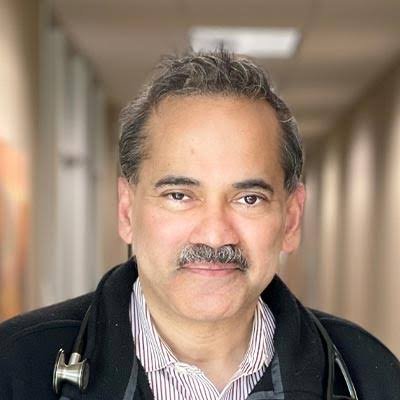
Dr. Ramakrishna Chava, Family Medicine and Geriatric Medicine Physician
Dr. Ramakrishna Chava is a family medicine and geriatric medicine physician providing preventive, diagnostic, and continuing healthcare for adults and older patients.
His clinical background supports the management of common illnesses, chronic medical conditions, age-related health changes, medication concerns, and complex healthcare needs involving several conditions at the same time.
Dr. Chava helps patients maintain their health through routine examinations, preventive screening, medication monitoring, chronic disease management, and coordination with medical specialists.
Doctor Information
Name: Dr. Ramakrishna Chava, MD
Specialties: Family Medicine and Geriatric Medicine
Board Certification: Family Medicine
Medical School: Guntur Medical College
Medical Degree Completed: 1992
Residency: Buffalo General Hospital
Practice: Family Practice and Geriatrics
Primary Location: Kingwood, Texas
Hospital Affiliations: HCA Houston Healthcare Kingwood and HCA Houston Healthcare Northwest
Languages Spoken: English and Spanish
NPI Number: 1790998706
Telehealth: Available for suitable appointments
Accepting New Patients: Current availability should be confirmed with the practice
About Dr. Ramakrishna Chava
Dr. Chava completed his medical education at Guntur Medical College in 1992. He later completed residency training at Buffalo General Hospital and became board-certified in family medicine.
His work combines broad primary care with focused medical support for older adults. This allows him to treat everyday health concerns while also managing the more complicated needs that can develop with ageing.
Older patients often experience several conditions at once. Diabetes, high blood pressure, arthritis, heart disease, kidney problems, memory changes, and medication side effects may all affect one another.
Dr. Chava can review these concerns together rather than treating each symptom separately. His role may include adjusting medication, ordering tests, assessing physical function, reviewing safety risks, and coordinating treatment with other specialists.
Family Medicine Care
Family medicine provides general healthcare for patients with new symptoms, established medical conditions, preventive needs, and medication questions.
Dr. Chava may evaluate and manage concerns such as:
- High blood pressure
- Type 2 diabetes
- High cholesterol
- Thyroid disorders
- Respiratory infections
- Urinary tract infections
- Digestive symptoms
- Arthritis
- Headaches
- Dizziness
- Allergies
- Sleep difficulties
- Joint and muscle pain
- Weight-related health risks
- General weakness or tiredness
Some conditions can be diagnosed during an office examination. Others may require blood tests, urine testing, imaging, or specialist assessment.
Geriatric Medicine
Geriatric medicine focuses on the changing healthcare needs of older adults. It considers medical conditions alongside mobility, memory, medication safety, nutrition, independence, and quality of life.
Dr. Chava may help older patients with:
- Multiple chronic conditions
- Medication management
- Falls or balance concerns
- Memory changes
- Difficulty walking
- Reduced strength
- Urinary problems
- Poor appetite
- Unintended weight loss
- Frailty
- Osteoporosis
- Arthritis
- Sleep problems
- Recovery after hospital care
- Changes in everyday independence
The purpose of geriatric care is not only to treat disease. It also aims to preserve function, comfort, safety, and the ability to complete daily activities.
Preventive Healthcare
Preventive care helps identify medical risks before they lead to serious complications.
Dr. Chava may provide or recommend:
- Routine physical examinations
- Blood pressure checks
- Cholesterol testing
- Diabetes screening
- Vaccination reviews
- Bone-health assessments
- Fall-risk evaluation
- Medication safety reviews
- Cancer-screening guidance
- Nutrition discussions
- Cardiovascular risk assessment
- Vision and hearing referrals
Screening recommendations depend on the patient’s age, medical history, current health, previous results, and personal preferences.
Older patients may not benefit from every routine screening. Dr. Chava can help determine which tests remain appropriate based on expected benefits and possible risks.
Chronic Disease Management
Long-term health conditions require regular monitoring because symptoms, laboratory results, and medication needs can change.
Dr. Chava may provide continuing support for:
- Hypertension
- Diabetes
- High cholesterol
- Heart disease risk
- Thyroid disease
- Arthritis
- Osteoporosis
- Chronic kidney concerns
- Respiratory conditions
- Urinary problems
- Multiple conditions occurring together
Follow-up appointments may include laboratory review, medication adjustments, physical examination, and discussion of changes in daily functioning.
Patients should mention any new symptoms, medication side effects, missed doses, or treatment received from another healthcare professional.
Diabetes Care
Diabetes can affect the heart, kidneys, nerves, eyes, feet, and blood vessels. Older patients may also face a higher risk of low blood sugar from medication.
Dr. Chava may support diabetes management through:
- A1C testing
- Blood glucose review
- Medication management
- Nutrition guidance
- Kidney-function monitoring
- Foot and nerve assessment
- Eye-examination referrals
- Cardiovascular risk management
- Prevention of low blood sugar
- Review of home glucose records
Treatment goals may differ according to the patient’s age, general health, daily independence, and risk of medication complications.
The safest target is not always the lowest possible blood sugar result. Treatment should balance long-term protection with the need to avoid dizziness, confusion, falls, and severe hypoglycaemia.
High Blood Pressure Management
High blood pressure commonly affects older adults and may increase the risk of stroke, heart disease, kidney damage, and circulation problems.
Dr. Chava may review:
- Office blood pressure measurements
- Home blood pressure readings
- Medication response
- Kidney function
- Salt intake
- Physical activity
- Dizziness when standing
- Swelling
- Other cardiovascular risks
Blood pressure medication may require adjustment when a patient develops weakness, falls, dehydration, or symptoms after standing.
Patients who monitor their blood pressure at home should record the reading, date, time, and any symptoms occurring at the same time.
Medication Review
Older patients often take medicines prescribed by several doctors. This can increase the risk of interactions, duplicate treatments, confusion, and unwanted side effects.
A medication review may identify:
- Duplicate medicines
- Conflicting prescriptions
- Incorrect doses
- Medication-related dizziness
- Medicines increasing fall risk
- Products affecting memory or alertness
- Treatments that may no longer be needed
- Interactions with vitamins or supplements
- Difficulty following the dosing schedule
Patients should bring all prescription medicines, over-the-counter products, vitamins, and supplements to appointments.
Medication should not be stopped suddenly unless a healthcare professional provides clear instructions.
Memory and Cognitive Concerns
Memory changes may be related to normal ageing, medication, sleep problems, depression, vitamin deficiencies, thyroid disease, infection, or a neurological condition.
Dr. Chava may assess:
- Short-term memory
- Attention and concentration
- Changes in behaviour
- Ability to manage medication
- Ability to handle money
- Driving safety
- Cooking and household tasks
- Sleep patterns
- Family observations
- Recent illness or hospital care
An evaluation may include memory screening, medication review, physical examination, blood testing, and brain imaging when appropriate.
A family member or caregiver may provide useful information about changes the patient has not noticed.
Falls and Balance Problems
Falls can lead to fractures, reduced confidence, hospital admission, and loss of independence.
Dr. Chava may review possible causes such as:
- Muscle weakness
- Poor balance
- Vision problems
- Inner-ear conditions
- Low blood pressure
- Medication side effects
- Foot pain
- Nerve damage
- Unsafe footwear
- Hazards inside the home
A fall-risk assessment may include walking observation, strength testing, blood pressure measurement, medication review, and discussion of the home environment.
Treatment may involve physical therapy, walking aids, vision care, medication changes, or home-safety improvements.
Frailty and Adult Failure to Thrive
Frailty may involve reduced strength, slower movement, tiredness, weight loss, and difficulty recovering from illness.
Adult failure to thrive is a broader concern that may involve poor appetite, malnutrition, weakness, reduced activity, and loss of independence.
Dr. Chava may assess:
- Recent weight changes
- Food and fluid intake
- Ability to prepare meals
- Medication side effects
- Dental or swallowing difficulties
- Mood and memory
- Digestive symptoms
- Social support
- Recent hospital admissions
- Existing chronic conditions
Treatment depends on the cause and may involve nutrition support, medication changes, physical therapy, treatment of an underlying illness, or additional help at home.
Urinary Health
Urinary symptoms are common in older adults but should not automatically be accepted as a normal part of ageing.
Dr. Chava may evaluate:
- Painful urination
- Frequent urination
- Urgency
- Urinary leakage
- Difficulty emptying the bladder
- Repeated urinary infections
- Blood in the urine
- Nighttime urination
Testing may include urine analysis, urine culture, blood testing, medication review, and referral to a urologist when needed.
Confusion in an older adult can have several causes. A urinary infection should be confirmed through appropriate assessment rather than assumed without supporting findings.
Arthritis and Mobility
Arthritis can affect walking, sleep, exercise, work, and everyday independence.
Dr. Chava may help patients manage joint symptoms through:
- Medication review
- Safe activity guidance
- Physical therapy
- Walking aids
- Weight-related health support
- Imaging
- Fall prevention
- Referral to an orthopedic or rheumatology specialist
Treatment should consider kidney function, stomach health, cardiovascular risk, and interactions with other medication.
Bone Health and Osteoporosis
Osteoporosis causes bones to become weaker and more likely to fracture. It often produces no symptoms until a fracture occurs.
Dr. Chava may review:
- Previous fractures
- Bone-density results
- Calcium and vitamin D levels
- Fall history
- Menopause history
- Medication use
- Kidney function
- Family history
- Physical activity
Treatment may include nutrition support, safe weight-bearing activity, fall prevention, supplements when appropriate, and prescription medication.
Care After Hospital Treatment
Older patients may need additional support after leaving a hospital, rehabilitation facility, or emergency department.
A follow-up appointment may involve:
- Reviewing the hospital diagnosis
- Checking medication changes
- Monitoring symptoms
- Reviewing laboratory results
- Arranging home services
- Coordinating specialist appointments
- Assessing mobility
- Preventing another hospital admission
Patients or caregivers should bring discharge instructions and all medicines being used after leaving the hospital.
Caregiver Support and Planning
Family members and caregivers often play an important role in helping older adults follow treatment and remain safe at home.
Dr. Chava may discuss:
- Medication organisation
- Appointment planning
- Nutrition and hydration
- Mobility assistance
- Home safety
- Memory concerns
- Changes in independence
- Community support services
- Future healthcare preferences
The patient should remain involved in decisions whenever possible. Care planning should respect personal goals, values, independence, and quality of life.
Coordinated Medical Care
Older adults may receive treatment from cardiologists, endocrinologists, neurologists, kidney specialists, orthopedic physicians, and other healthcare professionals.
Dr. Chava can help coordinate these recommendations by:
- Reviewing specialist reports
- Monitoring laboratory results
- Checking medication compatibility
- Arranging referrals
- Following recovery after procedures
- Clarifying treatment instructions
- Helping patients prioritise health concerns
Coordinated care can reduce repeated testing and lower the risk of conflicting treatment plans.
Preparing for an Appointment
Patients can prepare by bringing:
- A complete medication list
- Prescription bottles when possible
- Recent laboratory results
- Hospital discharge records
- Home blood pressure readings
- Blood glucose records
- Imaging reports
- A list of allergies
- Notes about recent falls
- Questions about treatment
Older patients may benefit from attending with a trusted family member or caregiver when memory, hearing, mobility, or complex medication is a concern.
It is helpful to explain when symptoms began, how they affect everyday activities, and whether there have been recent changes in eating, sleeping, walking, mood, or independence.
Patient-Focused Primary and Geriatric Care
Dr. Chava provides family medicine and geriatric care based on each patient’s medical history, medications, physical ability, symptoms, and long-term health priorities.
His services may include preventive examinations, chronic disease treatment, medication review, memory assessment, fall-risk evaluation, hospital follow-up, and coordination with specialists.
Patients should confirm appointment availability, accepted insurance plans, telehealth eligibility, and referral requirements directly with the practice.


Reviews
There are no reviews yet.