
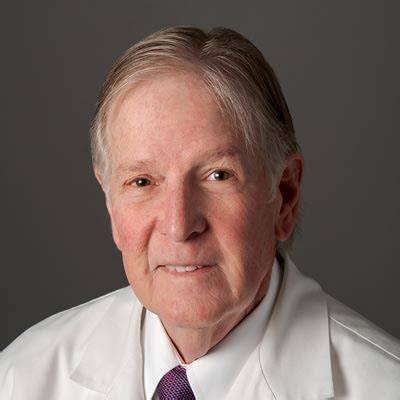
Dr. Richard Marietta, MD Internal Medicine and Adult Primary Care
Dr. Richard Marietta, MD, is a board-certified internal medicine physician with a long clinical career centered on adult medical care. He earned his medical degree from the University of Texas Medical Branch and completed postgraduate internal medicine training through Central Texas Medical Foundation. Current professional records continue to identify internal medicine as his specialty, and he is affiliated with WellMed and Clear Lake Medical Group. (
For patients, the value of an internist is often continuity rather than one particular procedure. Internal medicine brings preventive care, new symptoms, chronic conditions, medications, laboratory results, and specialist recommendations together so that health decisions are made with the whole patient in mind.
About Dr. Richard Marietta
Dr. Marietta has practiced internal medicine for several decades. HCA Houston Healthcare reports that he has served patients in the Clear Lake area since 1978 and later joined Clear Lake Medical Group. Current WellMed information also identifies him as an internal medicine physician and lists him as accepting new patients.
His professional history also includes medical leadership. Public professional information identifies him as a past Chief Medical Officer of Clear Lake Regional Medical Center, adding hospital-level administrative experience to his long outpatient internal medicine career.
Patients comparing physicians who provide this type of care can browse internal medicine doctors on Doctiplus. Internal medicine is particularly useful for adults who need one physician to look across several health concerns rather than treating every symptom as an unrelated problem.
Medical Education and Internal Medicine Training
Dr. Marietta graduated from the University of Texas Medical Branch in 1975. He subsequently completed internship and residency training through Central Texas Medical Foundation. Current WellMed records confirm the same medical school and postgraduate training and identify certification through the American Board of Internal Medicine.
| Training Area | Institution | Details |
|---|---|---|
| Medical education | University of Texas Medical Branch | Doctor of Medicine |
| Internship | Central Texas Medical Foundation | Postgraduate medical training |
| Residency | Central Texas Medical Foundation | Internal Medicine |
| Specialty | Internal Medicine | Comprehensive adult medical care |
| Board certification | American Board of Internal Medicine | Internal Medicine |
Internal medicine training is intentionally broad. Rather than concentrating on one organ, internists learn to evaluate conditions involving the cardiovascular, respiratory, digestive, endocrine, kidney, neurological, infectious, and other systems commonly involved in adult health.
That background becomes especially useful when a patient arrives with several symptoms or multiple diagnoses that may influence one another.
Board Certification and Professional Background
Dr. Marietta is board certified by the American Board of Internal Medicine. His current WellMed provider profile also lists NPI 1306007729 and continues to identify internal medicine as his specialty.
Board certification is different from medical licensure, employment, or hospital affiliation. For patients, it is one indication that the physician has completed specialty-focused postgraduate training and the certification requirements associated with internal medicine.
The more practical question for many patients is how that training is used. An experienced internist may help decide which problems can be managed through primary care and which findings warrant cardiology, endocrinology, gastroenterology, nephrology, neurology, or another specialist.
Adult Primary Care When the Diagnosis Is Not Obvious
Many people do not arrive at an internal medicine appointment already knowing what is wrong.
They may simply notice that they are more tired than usual, become short of breath during activities that were previously easy, feel dizzy, have recurring digestive complaints, see unusual laboratory numbers, or notice that several smaller health problems are beginning to occur together.
This is where internal medicine can be particularly useful. Instead of choosing a specialist based on one symptom, the internist can first look for patterns.
The assessment may connect symptoms with medications, previous diagnoses, family history, laboratory trends, sleep, nutrition, cardiovascular risk, or another medical factor. Testing can then be selected according to what the history and examination actually suggest.
Doctiplus outlines general and internal medicine services that include routine examinations, chronic disease management, diabetes monitoring, and preventive healthcare.
Preventive Care Before Symptoms Become the Main Issue
One of the easiest parts of primary care to overlook is the care provided when nothing feels seriously wrong.
Preventive visits can help monitor blood pressure, blood sugar, cholesterol, medication use, vaccinations, and age-appropriate screening needs. The goal is not to order every possible test. It is to identify which assessments make sense for the individual patient.
Repeated measurements are often more useful than one result.
A mildly elevated blood-pressure reading at one visit may mean something different from a consistent pattern recorded over several months. The same is true for glucose, cholesterol, kidney function, and other commonly monitored values.
Patients interested in understanding why repeated screening matters can read the Doctiplus guide to regular health screening and preventive checkups.
High Blood Pressure and Cardiovascular Risk
High blood pressure is one of the common conditions encountered in adult internal medicine. It often requires long-term monitoring because patients may feel normal even while readings remain elevated.
A useful blood-pressure review involves more than the number measured during the appointment. An internist may also consider home readings, kidney function, diabetes, cholesterol, current medications, previous cardiovascular disease, and other factors that influence overall risk.
Patients who monitor their pressure at home can bring a short record rather than trying to remember individual readings.
The pattern may help the physician determine whether treatment is working consistently or whether readings change at certain times of day.
Doctiplus also discusses the wider implications of managing long-term conditions such as blood pressure disorders.
Diabetes and Blood Sugar Monitoring
Internal medicine physicians commonly participate in the diagnosis and long-term management of type 2 diabetes and related metabolic concerns.
Diabetes care is not simply about lowering one glucose measurement. Long-term management can involve blood-sugar trends, medication response, kidney function, cardiovascular risk, cholesterol, blood pressure, eye care, and other complications that may develop over time.
Someone with borderline results may need a different discussion from a patient who has lived with diabetes for many years.
The first question may be whether the abnormal result represents a consistent pattern. Later care may focus on whether treatment remains effective and whether other organs need additional monitoring.
This is why an internist can be valuable when several risk factors occur together.
Cholesterol and Heart-Disease Prevention
Cholesterol results are another example of laboratory numbers that make more sense when placed in context.
Two patients with a similar cholesterol result may not have the same cardiovascular risk. Age, diabetes, blood pressure, smoking history, kidney disease, previous cardiovascular problems, and family history can all change the significance of the result.
An internist can help patients understand whether monitoring, lifestyle changes, medication, or more detailed cardiovascular evaluation is appropriate.
Patients already taking cholesterol medication may also need repeat laboratory testing and review of any unwanted effects.
The treatment goal is therefore not simply to make a laboratory number look better. It is to reduce meaningful long-term health risk.
Managing Several Chronic Conditions Together
The longer a person lives with chronic illness, the more likely it becomes that several conditions will need attention at the same time.
A patient may have diabetes, hypertension, arthritis, reflux, kidney concerns, and medications prescribed by several different physicians. Each treatment may make sense individually, but the full medication and disease picture still needs review.
Internal medicine provides a useful place to ask whether:
- Treatments from different specialists fit together
- Several medicines are causing similar side effects
- Laboratory monitoring is being duplicated or missed
- One medical condition changes how another should be treated
- A specialist referral is still needed
- Follow-up testing has been completed
Doctiplus provides additional guidance on staying on track with chronic illness management.
Medication Review Becomes More Important With Time
Medication lists tend to become longer as patients accumulate diagnoses.
One prescription may come from a cardiologist, another from a hospital discharge, another from an urgent-care visit, and several more from primary care. Over time, patients may not be certain which instructions are current.
A medication review can help identify duplication, possible interactions, treatments requiring laboratory monitoring, and medicines that may contribute to symptoms such as dizziness, tiredness, digestive changes, or low blood pressure.
Patients should bring the dose and frequency of each medication, not just its name.
It is also useful to mention medicines that were stopped. Knowing that a medication was discontinued because of side effects is important when considering future treatment.
Care After a Hospital Stay
Internal medicine can also provide continuity after hospitalization.
A patient may leave the hospital with new diagnoses, several medication changes, follow-up testing, and appointments with different specialists. The discharge paperwork may be difficult to turn into an everyday plan.
A primary care follow-up can help establish what changed during the admission and which recommendations still need action.
The physician may review new prescriptions, laboratory findings, imaging, symptoms since discharge, and upcoming specialist appointments.
This type of visit can be particularly valuable when the hospital stay involved several medical conditions rather than one isolated problem.
When a Specialist Referral Makes Sense
A broad internal medicine background does not mean every condition should stay within primary care.
Referral may become appropriate when a patient needs advanced testing, a procedure, surgery, or expertise focused on a particular organ or disease.
An internist may coordinate with cardiologists for complex heart disease, endocrinologists for difficult metabolic or hormonal problems, gastroenterologists for persistent digestive disorders, nephrologists for significant kidney disease, neurologists for neurological symptoms, or another specialist depending on the findings.
The internist can still remain involved after the referral.
This allows specialist recommendations to be incorporated into the wider medical plan instead of creating completely separate streams of care.
What Patients Can Expect During an Appointment
An internal medicine appointment usually begins with the reason for the visit and how the problem has changed over time.
Dr. Marietta may review medical history, current diagnoses, medications, allergies, previous procedures, recent laboratory results, hospital records, and recommendations made by other physicians.
The physical examination depends on the concern. Someone with breathing symptoms requires a different assessment from a patient attending for a routine wellness visit or diabetes follow-up.
Additional testing should be guided by the information already available.
The next step may therefore be continued monitoring, laboratory testing, imaging, medication adjustment, preventive screening, or specialist referral rather than a single standard plan applied to everyone.
Preparing for an Appointment With Dr. Marietta
Patients can make an internal medicine appointment more useful by bringing current medications with doses, allergy information, recent laboratory results, blood-pressure or glucose records when relevant, important imaging reports, hospital discharge paperwork, and reports from specialists.
A brief symptom timeline can also help.
For example, saying that dizziness began three weeks ago after a medication change gives the physician more usable information than simply saying dizziness happens sometimes.
Patients with several concerns may want to decide which two or three are affecting them most before the appointment. That helps establish priorities while still allowing the physician to consider the wider health picture.
Current Practice and Appointment Information
Current WellMed information lists Dr. Marietta in internal medicine and identifies him as accepting new patients. The provider profile lists 281-486-7900 as a scheduling number and English as a spoken language. Current records associate his practice with Clear Lake Medical Group and WellMed.
Professional listings also continue to associate Dr. Marietta with HCA Houston Healthcare Clear Lake.
Appointment availability, insurance participation, telehealth access, practice addresses, and office schedules can change. Patients should therefore confirm current arrangements directly with the clinic before sending records or attending an appointment.
Understanding Dr. Marietta’s Clinical Profile
The clearest verified professional picture of Dr. Richard Marietta is that of a board-certified internist with a long career in adult medicine. His training includes the University of Texas Medical Branch and Central Texas Medical Foundation, and his professional history includes both outpatient internal medicine and medical leadership.
For patients, that background is most relevant when healthcare has become difficult to organize. New symptoms, chronic diseases, preventive needs, medications, and specialist recommendations often become more useful when one physician can review how they fit together.
Readers can also review the Doctiplus editorial policy to understand how physician and patient-focused health information is prepared.



Reviews
There are no reviews yet.