
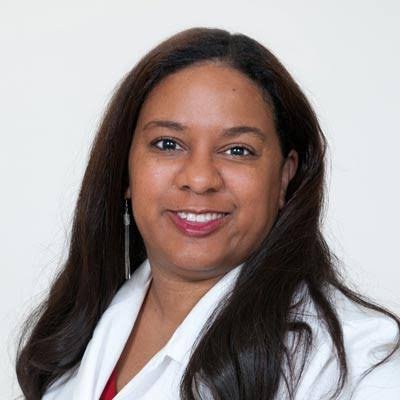
Dr. Robin Moore, Family Medicine Physician
Dr. Robin Moore is a board-certified family medicine physician providing preventive, diagnostic, and continuing medical care for adults and families. Her broad primary care background supports routine wellness visits, treatment for common illnesses, chronic disease management, medication review, and coordination with medical specialists.
As a Doctor of Osteopathic Medicine, Dr. Moore takes a whole-person view of healthcare. This approach considers how physical symptoms may be affected by daily habits, emotional well-being, medication, sleep, nutrition, activity, and existing health conditions.
Patients seeking another primary care option can also read about Dr. David E. Auer’s family medicine care.
Doctor Information
Name: Dr. Robin M. Moore, DO
Specialty: Family Medicine
Board Certification: American Osteopathic Board of Family Physicians
Medical School: New York Institute of Technology College of Osteopathic Medicine
Medical Degree Completed: 1999
Internship: Good Samaritan Hospital Medical Center
Residency: Family Medicine, Good Samaritan Hospital Medical Center
Undergraduate Education: Xavier University of Louisiana
Practice: Village Medical
Primary Location: Houston, Texas
Languages Spoken: English
NPI Number: 1770559270
Telemedicine: Available for suitable appointments
Accepting New Patients: Current availability should be confirmed directly with the practice
About Dr. Robin Moore
Dr. Moore completed her undergraduate education at Xavier University of Louisiana before earning her Doctor of Osteopathic Medicine degree from the New York Institute of Technology College of Osteopathic Medicine in 1999.
She then completed her internship and family medicine residency at Good Samaritan Hospital Medical Center in New York. Her postgraduate training covered preventive medicine, adult primary care, women’s health, chronic disease management, acute illness treatment, and coordination with specialist services.
Dr. Moore is certified by the American Osteopathic Board of Family Physicians. Her training allows her to evaluate concerns involving several body systems rather than focusing on one organ or condition.
A patient may visit Dr. Moore for a routine physical examination, a new symptom, medication monitoring, laboratory follow-up, or help managing several ongoing health conditions. When more specialised assessment is needed, she can arrange a referral and continue coordinating the patient’s general care.
Osteopathic Approach to Primary Care
Doctors of Osteopathic Medicine complete medical and clinical training that prepares them to diagnose illnesses, prescribe medication, order tests, and provide standard medical treatment.
Osteopathic medicine also places importance on understanding the whole patient. This may include considering:
- Physical symptoms
- Medical and family history
- Medication use
- Nutrition
- Physical activity
- Sleep
- Stress
- Work and home routines
- Existing health conditions
- Personal treatment goals
This broad approach can be especially helpful when symptoms have more than one possible cause or when several conditions affect one another.
Dr. Moore may combine preventive guidance, medical treatment, monitoring, and specialist coordination to create a plan that fits the patient’s health needs.
Family Medicine Services
Family medicine covers a wide range of healthcare concerns. Dr. Moore may evaluate and manage conditions such as:
- High blood pressure
- Type 2 diabetes
- High cholesterol
- Thyroid disorders
- Respiratory infections
- Asthma
- Allergies
- Digestive symptoms
- Headaches and migraines
- Joint and muscle pain
- Skin concerns
- Urinary symptoms
- Sleep problems
- Weight-related health risks
- Tiredness and low energy
- Common infections
Some concerns can be diagnosed through a medical history and physical examination. Others may require blood tests, urine testing, imaging, or specialist evaluation.
Preventive Healthcare
Preventive care helps identify health risks before they cause serious symptoms or complications.
Dr. Moore may provide or recommend:
- Annual physical examinations
- Blood pressure screening
- Cholesterol testing
- Diabetes screening
- Vaccination review
- Cancer screening guidance
- Weight and nutrition assessment
- Cardiovascular risk evaluation
- Bone-health discussions
- Medication safety review
- Family medical history assessment
- Lifestyle counselling
Screening recommendations are based on the patient’s age, medical history, previous test results, family history, and individual risks.
Preventive appointments also provide an opportunity to discuss gradual changes in energy, sleep, appetite, digestion, mood, weight, or physical ability.
Annual Physical Examinations
A physical examination provides a general review of the patient’s current health and preventive needs.
The appointment may include:
- Updating the medical history
- Reviewing medication and supplements
- Measuring blood pressure
- Checking heart and lung function
- Reviewing weight changes
- Discussing current symptoms
- Assessing previous laboratory results
- Reviewing vaccination status
- Recommending suitable screenings
- Discussing daily health habits
Not every patient needs the same laboratory tests each year. Dr. Moore can select tests according to the patient’s medical history and current risk factors.
Patients should mention recent emergency visits, hospital treatment, specialist appointments, and medication changes during the examination.
Women’s Primary Healthcare
Family medicine can include routine healthcare for women throughout adulthood.
Dr. Moore may address concerns such as:
- Preventive wellness
- Menstrual changes
- Contraception discussions
- Menopause symptoms
- Urinary concerns
- Thyroid symptoms
- Bone health
- Blood pressure
- Diabetes risk
- Cholesterol
- Weight and metabolic health
- Age-appropriate screening
Some reproductive or gynecological concerns can be assessed in primary care. Others may require referral to an obstetrician and gynecologist or another specialist.
The recommended care depends on symptoms, age, pregnancy history, medication, and personal health risks.
High Blood Pressure Management
High blood pressure may cause no noticeable symptoms, but it can gradually affect the heart, brain, kidneys, and blood vessels.
Dr. Moore may help manage hypertension through:
- Office blood pressure measurements
- Review of home readings
- Medication selection
- Dosage adjustments
- Kidney-function testing
- Cardiovascular risk assessment
- Nutrition discussions
- Physical activity guidance
- Monitoring for side effects
Patients who check their blood pressure at home should record the date, time, and result. It may also be helpful to note whether dizziness, headache, weakness, or another symptom occurred at the same time.
Treatment may need adjustment when blood pressure remains high or medication causes unwanted effects.
Diabetes and Prediabetes Care
Prediabetes means blood sugar is above the expected range but has not reached the level used to diagnose diabetes. Early management may help lower the risk of progression.
Dr. Moore may provide:
- Blood glucose testing
- A1C monitoring
- Medication management
- Nutrition guidance
- Physical activity planning
- Weight-related health support
- Kidney-function monitoring
- Foot and nerve assessments
- Eye examination referrals
- Cardiovascular risk management
Type 2 diabetes treatment may involve lifestyle changes, oral medication, injectable medicine, insulin, or a combination of approaches.
The treatment plan should consider blood sugar levels, kidney function, cardiovascular health, medication side effects, and the patient’s daily routine.
Patients with complex blood sugar or hormonal concerns may also need an evaluation from an endocrinologist.
Cholesterol Management
High cholesterol can contribute to plaque building up inside the arteries, increasing the risk of heart attack and stroke.
Dr. Moore may review:
- Total cholesterol
- LDL cholesterol
- HDL cholesterol
- Triglycerides
- Blood pressure
- Diabetes
- Tobacco exposure
- Family history
- Previous cardiovascular disease
- Current medication
Treatment may include nutrition changes, physical activity, prescription medication, weight management, and better control of related conditions.
Decisions are based on the patient’s overall cardiovascular risk rather than one cholesterol result alone.
Thyroid Concerns
The thyroid gland produces hormones involved in metabolism, energy, body temperature, heart rate, and digestion.
Possible signs of thyroid disease include:
- Unexplained tiredness
- Weight changes
- Sensitivity to heat or cold
- Changes in heart rate
- Constipation
- Tremor
- Dry skin
- Hair changes
- Muscle weakness
- Menstrual changes
Because these symptoms can have several causes, blood testing is generally required before a thyroid condition can be diagnosed.
Dr. Moore may provide initial testing, prescribe treatment for common thyroid disorders, and arrange an endocrinology referral when the condition is complex.
Acute Illness Care
Family physicians diagnose and treat many illnesses that begin suddenly.
Dr. Moore may evaluate:
- Colds
- Influenza-like illness
- Sore throat
- Cough
- Sinus symptoms
- Fever
- Ear discomfort
- Digestive illness
- Urinary symptoms
- Minor skin infections
- Headaches
- Unexpected tiredness
An appointment may include a physical examination and selected testing. Treatment depends on whether the symptoms are related to a virus, bacteria, allergy, inflammation, medication, or another condition.
Antibiotics do not treat viral infections and should only be prescribed when the findings suggest a bacterial illness that is likely to benefit from them.
Respiratory and Allergy Care
Coughing, congestion, wheezing, or breathing discomfort may be caused by infection, asthma, allergies, environmental exposure, medication, or another health problem.
Dr. Moore may assess:
- When symptoms began
- Possible triggers
- Previous asthma or allergy history
- Fever or infection symptoms
- Inhaler use
- Smoking or environmental exposure
- Nighttime symptoms
- Exercise-related breathing changes
Testing may include oxygen measurement, lung examination, infection testing, imaging, or breathing studies.
Treatment is based on the suspected cause and severity of symptoms.
Digestive Health
Family medicine physicians often provide the first evaluation for digestive problems.
Dr. Moore may assess symptoms such as:
- Heartburn
- Abdominal discomfort
- Nausea
- Bloating
- Constipation
- Diarrhoea
- Changes in appetite
- Changes in bowel habits
- Unexplained weight changes
An evaluation may include blood work, stool testing, medication review, imaging, or referral to a gastroenterologist.
Persistent symptoms should be properly assessed rather than repeatedly treated without identifying the underlying problem.
Joint and Muscle Conditions
Joint stiffness, back pain, muscle discomfort, and reduced movement may develop because of injury, repetitive activity, arthritis, inflammation, or nerve irritation.
Dr. Moore may recommend:
- Temporary activity adjustments
- Medication
- Home exercises
- Physical therapy
- Imaging
- Laboratory tests
- Specialist referral
The treatment depends on whether symptoms involve a joint, bone, muscle, tendon, ligament, nerve, or inflammatory condition.
Medication Management
Patients may receive prescriptions from several doctors. A complete medication review can help identify possible problems.
Dr. Moore may check for:
- Duplicate prescriptions
- Drug interactions
- Side effects
- Incorrect doses
- Medicines that may no longer be needed
- Problems involving non-prescription products
- Supplements that affect prescribed treatment
- Difficulty following the dosing schedule
Patients should bring an updated list of prescription medicines, over-the-counter products, vitamins, and supplements.
Medication should not be stopped or changed without guidance from the prescribing healthcare professional.
Health and Daily Habits
Daily habits can affect blood pressure, blood sugar, cholesterol, digestion, sleep, energy, and emotional well-being.
Dr. Moore may discuss:
- Eating patterns
- Physical activity
- Sleep routines
- Stress management
- Tobacco exposure
- Alcohol use
- Work demands
- Family responsibilities
- Medication routines
- Realistic health goals
Recommendations should be practical and suited to the patient’s health, physical ability, schedule, and available support.
The purpose is to reduce medical risk and improve daily function rather than promote a particular appearance.
Telemedicine Appointments
Telemedicine may be available for concerns that do not require an immediate physical examination.
A virtual appointment may be suitable for:
- Medication follow-up
- Review of laboratory results
- Stable chronic conditions
- Discussion of minor symptoms
- Preventive care planning
- Follow-up after earlier treatment
Some concerns still require an office examination, laboratory testing, imaging, or urgent assessment.
The practice can help determine whether a virtual or in-person appointment is more appropriate.
Coordinated Medical Care
Patients with several medical conditions may receive treatment from different specialists.
Dr. Moore may help coordinate with:
- Cardiologists
- Endocrinologists
- Gastroenterologists
- Neurologists
- Orthopedic physicians
- Gynecologists
- Surgeons
- Physical therapists
- Other healthcare professionals
Coordination can help reduce repeated testing, identify medication conflicts, and keep recommendations consistent.
Patients with several ongoing adult health conditions may also compare care with Dr. Donald R. Nino.
Preparing for an Appointment
Patients can prepare by bringing:
- A current medication list
- Recent laboratory reports
- Imaging results
- Hospital discharge records
- Home blood pressure readings
- Blood glucose records
- Vaccination information
- A list of medication allergies
- Family medical history
- Questions about treatment
It is helpful to explain when symptoms began, how often they occur, what makes them better or worse, and which treatments have already been attempted.
Patients should also mention recent changes in sleep, appetite, weight, activity, or daily functioning.
Patient-Centered Family Medicine
Dr. Moore provides primary care based on the patient’s complete health history, current symptoms, medications, preventive needs, and personal goals.
Her services may include wellness examinations, acute illness treatment, chronic disease management, medication review, women’s primary healthcare, telemedicine, diagnostic testing, and specialist coordination.
Patients should confirm current appointment availability, accepted insurance plans, telemedicine eligibility, and referral requirements directly with the practice.



Reviews
There are no reviews yet.