
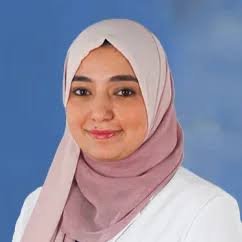
Dr. Shagufta Z. Mohi Pediatrician
Dr. Shagufta Z. Mohi is a board-certified pediatrician providing preventive, diagnostic, and continuing medical care for newborns, infants, children, and teenagers.
Her pediatric services include well-child examinations, growth and developmental monitoring, immunisation review, school and sports physicals, and assessment of common childhood illnesses.
Families may visit Dr. Mohi when a child has a fever, cough, sore throat, ear discomfort, breathing symptoms, digestive problems, skin changes, allergies, urinary concerns, or another condition requiring pediatric evaluation.
Dr. Mohi practises at Southwest Pediatrics in the Houston and Sugar Land area. She is affiliated with HCA Houston Healthcare West, and current professional directories also associate her with other hospitals serving Southwest Houston and Sugar Land.
As a pediatrician, Dr. Mohi may provide ongoing primary care while coordinating with pediatric specialists when a child requires cardiology, pulmonology, allergy, developmental, neurological, surgical, or other focused care.
Doctor Information
Name: Dr. Shagufta Zahid Mohi, MD
Specialty: Pediatrics
Board Certification: American Board of Pediatrics
Medical School: Dow Medical College, now part of Dow University of Health Sciences
Medical Degree Completed: 1983
Residency: Pediatrics, Baylor Scott & White Medical Center and Baylor College of Medicine
Residency Period: 1992 to 1996
Practice: Southwest Pediatrics
Primary Clinical Area: Houston and Sugar Land, Texas
Official HCA Affiliation: HCA Houston Healthcare West
Other Publicly Listed Affiliations: Houston Methodist Sugar Land Hospital, Memorial Hermann Katy Hospital, and St. Luke’s Health Sugar Land Hospital
Patient Age Groups: Newborns, infants, children, and adolescents
Language Consistently Listed: English
Additional Language: Some public directories also list Spanish; families should confirm availability directly
NPI Number: 1225188956
Texas Medical Licence: Current professional records list an active licence through 2027
Accepting New Patients: Current availability should be confirmed directly with Southwest Pediatrics
Telemedicine: Current availability should be confirmed with the practice
About Dr. Shagufta Z. Mohi
Dr. Mohi graduated from Dow Medical College in 1983.
She later completed pediatric residency training through Baylor Scott & White Medical Center and Baylor College of Medicine from 1992 to 1996.
Pediatric residency prepares physicians to assess the health and development of children from birth through adolescence.
This training includes experience involving:
- Newborn and infant health
- Childhood growth
- Developmental milestones
- Preventive healthcare
- Immunisations
- Respiratory illnesses
- Digestive conditions
- Childhood infections
- Adolescent health
- Chronic pediatric conditions
- Care coordination with specialists
Children are not simply smaller adults. Their symptoms, medicine doses, nutritional needs, development, and responses to illness can differ according to age and stage of growth.
Dr. Mohi may examine a child, review the medical and family history, recommend age-appropriate testing, prescribe treatment, and monitor recovery or long-term development.
Pediatric Primary Care
Pediatric primary care covers preventive health as well as the diagnosis and treatment of common illnesses.
Dr. Mohi may provide care involving:
- Newborn follow-up
- Well-child visits
- Growth monitoring
- Developmental screening
- Vaccination review
- School physicals
- Sports physicals
- Acute illness assessment
- Asthma monitoring
- Allergy evaluation
- Skin-condition assessment
- Digestive symptom care
- Urinary symptom evaluation
- Adolescent health visits
- Specialist referrals
The appropriate assessment depends on the child’s age, symptoms, previous medical history, family risks, and physical examination.
Some concerns can be managed during one visit. Others require repeat testing, monitoring, or specialist evaluation.
Well-Child Visits
A well-child visit allows Dr. Mohi to review a child’s health even when the child does not appear ill.
The appointment may include:
- Measuring height and weight
- Reviewing growth patterns
- Completing a physical examination
- Checking developmental progress
- Reviewing vaccination records
- Discussing sleep
- Reviewing nutrition
- Assessing school progress
- Discussing behaviour
- Addressing parent or caregiver questions
The content of the visit changes as the child grows.
An infant appointment may focus on feeding, sleep, growth, and early development. A school-aged child may need vision, hearing, learning, and physical activity review.
A teenager’s appointment may include sleep, school performance, emotional wellbeing, menstrual health, medicine use, and preparation for increasing independence.
Growth Monitoring
Growth is assessed over time rather than through one measurement.
Dr. Mohi may review:
- Height
- Weight
- Head circumference in younger children
- Growth-chart pattern
- Family growth history
- Feeding or eating concerns
- Chronic medical conditions
- Medicine that may affect growth
- Puberty-related development
Children naturally grow at different rates.
A single measurement that differs from an average does not automatically indicate a medical problem. A significant change from the child’s usual growth pattern may require closer assessment.
Developmental Screening
Development includes changes in movement, communication, thinking, behaviour, and social interaction.
Dr. Mohi may ask whether a young child is:
- Responding to sounds
- Making eye contact
- Using gestures
- Beginning to speak
- Moving as expected for age
- Interacting with family members
- Playing in age-appropriate ways
- Developing independence
Children reach milestones at different times, but certain patterns may require further evaluation.
When a concern is identified, Dr. Mohi may recommend hearing or vision testing, speech therapy, developmental assessment, school services, or referral to a pediatric specialist.
Newborn Care
Newborn care focuses on the baby’s adjustment after birth.
Dr. Mohi may review:
- Feeding
- Weight
- Hydration
- Bowel movements
- Urination
- Sleep
- Jaundice
- Umbilical-cord healing
- Newborn screening results
- Family questions
Young babies can become unwell quickly and may not show the same symptoms as older children.
Parents should provide detailed information about feeding frequency, wet diapers, temperature, breathing, activity, and any changes in skin colour.
Infant Feeding
Infant feeding may involve breast milk, formula, or a medically appropriate combination.
Dr. Mohi may assess:
- Feeding frequency
- Amount taken
- Latching concerns
- Vomiting or spitting up
- Weight gain
- Wet diapers
- Stool patterns
- Signs of discomfort
- Possible formula intolerance
- Family feeding goals
Spitting up is common in babies, but forceful vomiting, poor growth, feeding refusal, breathing difficulty, or reduced urination requires medical assessment.
Feeding advice should reflect the baby’s age, growth, medical needs, and family circumstances.
Childhood Immunisations
Vaccination protects children from infections that can cause serious illness or complications.
Dr. Mohi may review:
- Previous vaccination records
- Age-based vaccine needs
- Missed doses
- Medical conditions
- Previous vaccine reactions
- School requirements
- Travel plans
- Medicine affecting immunity
Families should bring available vaccination records to each new practice or school-related appointment.
When records are incomplete, the practice may need to obtain earlier documentation or create an appropriate catch-up plan.
School Physicals
A school physical may assess whether a child has a health condition requiring support during the school day.
The visit may include:
- Medical-history review
- Physical examination
- Vaccination review
- Vision concerns
- Hearing concerns
- Asthma or allergy planning
- Medication forms
- Chronic condition documentation
- School participation needs
Families should bring any required forms and information about medicines that may need to be available at school.
Sports Physicals
A sports physical assesses medical concerns that may affect safe participation.
Dr. Mohi may review:
- Previous injuries
- Asthma
- Chest discomfort during exercise
- Fainting
- Unusual shortness of breath
- Family history of serious heart disease
- Joint movement
- Strength
- Current medicines
A sports physical cannot prevent every injury or medical event, but it may identify symptoms that require further evaluation.
A child with concerning heart symptoms may need assessment from a pediatric cardiologist such as Dr. Maria C. Yates.
Fever in Children
Fever is an increase in body temperature and is commonly part of the immune response to infection.
Possible causes include:
- Viral illness
- Bacterial infection
- Ear infection
- Throat infection
- Respiratory infection
- Urinary infection
- Other inflammatory conditions
Dr. Mohi may consider:
- The child’s age
- Highest measured temperature
- How the temperature was measured
- Duration
- Associated symptoms
- Drinking and urination
- Activity level
- Existing medical conditions
- Medicine already given
The significance of fever differs by age. A fever in a young infant generally requires more urgent assessment than the same temperature in an otherwise active older child.
Parents should use medicine doses based on the child’s current weight and professional instructions.
Cough and Respiratory Symptoms
A cough may result from:
- Viral infection
- Asthma
- Allergies
- Postnasal drainage
- Pneumonia
- Airway irritation
- Acid reflux
- Another respiratory condition
Dr. Mohi may ask:
- When the cough began
- Whether fever is present
- Whether the child is wheezing
- Whether breathing appears difficult
- Whether symptoms worsen at night
- Whether exercise triggers coughing
- Whether feeding or sleep is affected
Evaluation may include oxygen measurement, lung examination, infection testing, or chest imaging when clinically necessary.
Cold and Flu-Like Illness
Common viral illnesses can cause:
- Nasal congestion
- Cough
- Sore throat
- Fever
- Headache
- Muscle discomfort
- Reduced appetite
- Tiredness
Antibiotics do not treat viral infections.
Dr. Mohi may evaluate whether symptoms appear consistent with a common virus, influenza, pneumonia, an ear infection, asthma, or another condition.
Treatment may focus on appropriate fluids, rest, fever management, and symptom monitoring unless a specific diagnosis requires targeted medicine.
Sore Throat
A sore throat may develop because of:
- Viral infection
- Streptococcal infection
- Postnasal drainage
- Allergies
- Dry air
- Irritation
- Another condition
Symptoms alone may not reliably distinguish a viral sore throat from strep throat.
Testing may be appropriate when the child’s symptoms and examination suggest a bacterial infection.
Antibiotics should be used when a bacterial cause is confirmed or strongly supported, not automatically for every sore throat.
Ear Pain and Ear Infections
Ear pain may result from:
- Middle-ear infection
- Outer-ear infection
- Fluid behind the eardrum
- Earwax
- Throat inflammation
- Pressure changes
- An object in the ear
- Another cause
Young children may show ear discomfort through crying, sleep changes, feeding difficulty, or repeatedly touching the ear.
Dr. Mohi may examine the ear canal and eardrum to determine whether infection, fluid, irritation, or another problem is present.
Not every middle-ear infection requires the same treatment. The child’s age, symptoms, examination, and medical history influence the plan.
Asthma
Asthma causes recurring inflammation and narrowing of the airways.
Possible symptoms include:
- Wheezing
- Coughing
- Chest tightness
- Shortness of breath
- Nighttime coughing
- Symptoms during exercise
- Breathing symptoms after allergen exposure
- Repeated bronchitis-like episodes
Dr. Mohi may review how often symptoms occur, whether sleep or activity is affected, and how frequently rescue medicine is used.
Treatment may include:
- Rescue inhalers
- Daily controller medicine
- Inhaler and spacer education
- Trigger reduction
- Written asthma planning
- Referral for specialist testing
A child whose asthma remains difficult to control may need assessment from a pediatric pulmonologist or allergy specialist.
Inhaler and Spacer Use
Many children use an inhaler more effectively with a spacer.
The spacer holds the medicine briefly and allows the child to breathe it in more gradually.
Dr. Mohi or the clinical team may review:
- How to assemble the device
- How many puffs to use
- Timing between puffs
- Mask fit for younger children
- Cleaning
- Difference between rescue and controller medicine
Incorrect inhaler technique can make an effective medicine appear unsuccessful.
Families should bring inhalers and spacers to follow-up visits when technique needs review.
Childhood Allergies
Allergies may affect the nose, eyes, skin, lungs, or digestive system.
Possible symptoms include:
- Sneezing
- Nasal congestion
- Itchy eyes
- Watery eyes
- Rashes
- Hives
- Wheezing
- Symptoms after particular foods or exposures
Dr. Mohi may consider symptom timing, seasonal patterns, environmental exposure, family history, and whether asthma is also present.
Treatment may involve medicine, reducing exposure to known triggers, or referral for allergy testing.
Families should avoid removing several important foods from a child’s diet without medical guidance.
Skin Rashes
A childhood rash may result from:
- Viral infection
- Eczema
- Allergy
- Heat
- Contact irritation
- Fungal infection
- Bacterial infection
- Insect bites
- Medicine reactions
Dr. Mohi may assess:
- Where the rash began
- How it changed
- Whether it itches or hurts
- Whether fever is present
- New medicine or products
- Exposure to illness
- Whether the mouth, eyes, or breathing are affected
The appearance and distribution of a rash often provide important diagnostic information.
Photos showing how it looked earlier may be helpful if the rash changes before the appointment.
Eczema
Eczema commonly causes dry, itchy, inflamed skin.
Symptoms may worsen because of:
- Dry weather
- Heat
- Sweating
- Fragranced products
- Skin irritants
- Scratching
- Infection
- Individual triggers
Care may include regular moisturising, gentle skin products, prescription treatment during flares, and management of infection when present.
The treatment plan should match the child’s age, affected body area, and severity.
Digestive Symptoms
Children may experience digestive concerns such as:
- Abdominal pain
- Vomiting
- Diarrhoea
- Constipation
- Reflux
- Bloating
- Appetite changes
Dr. Mohi may ask whether symptoms are connected with meals, bowel movements, illness, medicine, or stress.
Testing may include blood work, stool studies, urine testing, imaging, or referral to a pediatric gastroenterologist.
Abdominal Pain
Abdominal pain can arise from several causes, including:
- Constipation
- Viral illness
- Urinary infection
- Food intolerance
- Reflux
- Appendicitis
- Stress-related symptoms
- Another digestive condition
Important details include:
- Pain location
- Duration
- Frequency
- Relation to food
- Bowel habits
- Vomiting
- Fever
- Urination changes
- Appetite
- Effect on activity
Recurring pain should be assessed through the complete pattern rather than one symptom alone.
Vomiting
Vomiting may be connected with:
- Viral infection
- Food-related illness
- Reflux
- Migraine
- Medicine
- Motion sickness
- Appendicitis
- Another medical condition
Dr. Mohi may assess whether the child can keep down fluids, whether urine output has decreased, and whether pain, fever, unusual sleepiness, or another symptom is present.
Young children can become dehydrated more quickly than adults.
Fluid guidance should be based on age and the child’s medical condition.
Diarrhoea
Diarrhoea may be caused by infection, medicine, food intolerance, or another digestive condition.
Dr. Mohi may ask:
- How long it has continued
- How often it occurs
- Whether blood is present
- Whether vomiting occurs
- Whether fever is present
- Whether other family members are ill
- Whether recent travel occurred
- Whether antibiotics were recently used
Maintaining hydration is often important.
Testing may be needed when symptoms are severe, prolonged, bloody, associated with dehydration, or linked with specific exposure risks.
Constipation
Constipation may involve:
- Hard stool
- Painful bowel movements
- Infrequent stool
- Withholding
- Abdominal discomfort
- Stool leakage
- Reduced appetite
Possible contributing factors include:
- Toilet-training stress
- Low fibre intake
- Limited fluid intake
- Medicine
- Pain during previous bowel movements
- Changes in routine
- Selected medical conditions
Treatment may involve age-appropriate nutrition changes, fluids, toileting routines, and medicine when prescribed.
Long-standing constipation may require a structured plan rather than occasional treatment.
Urinary Symptoms
Children may develop:
- Painful urination
- Frequent urination
- Urgency
- New accidents
- Abdominal discomfort
- Back pain
- Fever
- Changes in urine appearance
Possible causes include urinary infection, irritation, constipation, diabetes, structural conditions, or another concern.
Testing may include urine analysis and culture.
A properly collected sample is important because contamination can make results difficult to interpret.
Childhood Headaches
Headaches in children may be associated with:
- Viral illness
- Migraine
- Tension
- Dehydration
- Sleep disruption
- Vision concerns
- Skipped meals
- Medication
- Another medical condition
Dr. Mohi may ask about:
- Location
- Frequency
- Duration
- Triggers
- Nausea
- Light sensitivity
- Vision changes
- School impact
- Family migraine history
A headache diary can help show patterns involving sleep, food, activity, and symptoms.
Sleep Concerns
Sleep affects attention, behaviour, learning, immune health, and physical development.
Dr. Mohi may assess concerns such as:
- Difficulty falling asleep
- Frequent waking
- Loud snoring
- Breathing pauses
- Restless sleep
- Daytime tiredness
- Irregular sleep schedules
- Screen-related sleep disruption
Treatment depends on the cause.
A child with loud snoring, breathing pauses, or significant daytime sleepiness may need assessment for a physical sleep disorder.
Behaviour and School Concerns
Changes in behaviour or school performance may be connected with:
- Sleep problems
- Hearing or vision difficulties
- Learning differences
- ADHD
- Anxiety
- Depression
- Family stress
- Bullying
- Medical conditions
Dr. Mohi may review when the concern began and whether it appears at home, school, or both.
Information from parents, teachers, and the child can help identify the pattern.
Further support may include school evaluation, behavioural therapy, developmental services, or referral to a mental health professional.
ADHD Concerns
ADHD may affect attention, organisation, impulse control, and activity level.
Possible signs include:
- Difficulty completing tasks
- Frequently losing items
- Forgetfulness
- Interrupting
- Restlessness
- Difficulty waiting
- Inconsistent school performance
- Problems following multi-step instructions
These symptoms can also occur because of anxiety, poor sleep, learning difficulties, hearing concerns, or another condition.
A careful assessment generally requires information from more than one setting before treatment is considered.
Adolescent Health
Teenagers experience major changes in growth, sleep, responsibilities, relationships, and emotional development.
A pediatric visit may address:
- Physical health
- Menstrual concerns
- Sleep
- Acne
- School performance
- Mood
- Headaches
- Sports participation
- Chronic illness
- Medication
- Preparation for adult healthcare
Teenagers should be included in discussions about their own health.
Dr. Mohi may also explain which information can remain private and when safety or legal responsibilities require parent or guardian involvement.
Menstrual Concerns
Teenagers may be evaluated for:
- Irregular periods
- Painful periods
- Heavy bleeding
- Missed periods
- Tiredness related to blood loss
- Symptoms affecting school or activity
Menstrual patterns can take time to become regular after periods first begin.
However, very heavy bleeding, severe pain, prolonged absence of periods, or signs of anemia may require further evaluation.
Testing may include blood counts, thyroid studies, pregnancy testing when medically appropriate, or assessment for another hormonal condition.
Acne
Acne commonly develops during adolescence because of changes affecting oil glands and hair follicles.
Treatment depends on:
- Type of acne
- Severity
- Areas affected
- Skin sensitivity
- Previous products
- Risk of scarring
Dr. Mohi may recommend topical medicine, oral medicine, skin-care changes, or dermatology referral.
Improvement can take time, so treatment should be used consistently according to instructions rather than changed every few days.
Childhood Diabetes
Diabetes may cause symptoms such as:
- Increased thirst
- Frequent urination
- New bedwetting
- Tiredness
- Unexplained weight change
- Blurred vision
- Recurrent infections
Children with suspected diabetes require prompt testing.
Dr. Mohi may provide initial assessment and coordinate continuing care with a pediatric endocrinologist.
Children with established diabetes need regular monitoring of growth, glucose, medicine, nutrition, kidney health, eye health, and the effect of school or sports routines.
Childhood Weight and Metabolic Health
Growth assessment should focus on overall health and development rather than appearance.
Dr. Mohi may review:
- Growth-chart pattern
- Blood pressure
- Blood glucose risks
- Cholesterol risks
- Sleep
- Physical function
- Family medical history
- Medicine
- Other health conditions
Recommendations should support balanced nutrition, normal development, strength, sleep, and long-term medical health.
Children should not be placed on overly restrictive diets or intensive exercise routines without professional guidance.
Medication Safety in Children
Children often require medicine doses based on current weight.
Parents should provide:
- Medicine name
- Dose
- Timing
- Reason for use
- Previous reactions
- Non-prescription products
- Vitamins or supplements
Families should use an appropriate measuring syringe or dosing device for liquid medicine.
Kitchen spoons are not reliable measuring tools.
Medicine prescribed for one child should not be given to another child without medical instructions.
Antibiotic Use
Antibiotics treat selected bacterial infections. They do not treat viral illnesses such as most colds.
Dr. Mohi may decide whether antibiotics are appropriate based on:
- Examination findings
- Testing
- Child’s age
- Diagnosis
- Allergy history
- Previous treatment
- Local resistance patterns
When antibiotics are prescribed, families should follow the dosing instructions and ask what to do if a dose is missed or a reaction occurs.
Unnecessary antibiotic use can cause side effects and contribute to resistant bacteria.
Care After Hospital Treatment
A pediatric follow-up after hospital or emergency care may include:
- Reviewing the diagnosis
- Checking recovery
- Reviewing new medicines
- Comparing discharge instructions
- Arranging repeat testing
- Monitoring breathing or hydration
- Coordinating specialist appointments
- Updating school plans
Families should bring discharge papers and every medicine the child is currently receiving.
This helps reduce confusion when treatments changed during the hospital visit.
Preparing for a Pediatric Appointment
Parents and caregivers can prepare by bringing:
- The child’s medication list
- Vaccination records
- Previous medical records
- Hospital discharge documents
- Laboratory or imaging results
- School forms
- Growth or feeding records
- Temperature readings
- A list of allergies
- Questions for the doctor
It may help to record:
- When symptoms began
- How they changed
- Highest measured temperature
- Medicine already used
- Changes in drinking or urination
- Changes in sleep or activity
- Whether anyone else is ill
- Whether school attendance is affected
Older children and teenagers should also be encouraged to describe symptoms in their own words.
Coordinated Pediatric Care
Pediatric conditions may require cooperation with:
- Pediatric cardiologists
- Pediatric pulmonologists
- Allergy specialists
- Pediatric gastroenterologists
- Neurologists
- Endocrinologists
- Developmental specialists
- Surgeons
- Therapists
- School healthcare teams
Dr. Mohi may provide primary care while helping families understand specialist recommendations and follow-up needs.
Families seeking a pediatric heart evaluation may review Dr. Maria C. Yates’s pediatric cardiology profile.
Parents or caregivers who need primary care through the same wider community may also review Dr. Jennifer Kwak’s family medicine profile.
Patient-Centered Pediatric Care
Dr. Mohi provides pediatric care based on each child’s age, symptoms, growth, development, medical history, family circumstances, and preventive health needs.
Her clinical work may include well-child visits, vaccinations, school and sports examinations, acute illness care, asthma monitoring, allergy assessment, digestive and urinary symptom evaluation, developmental screening, and adolescent healthcare.
Families should confirm current appointment availability, accepted insurance plans, Medicaid participation, language services, telemedicine options, hospital affiliations, and referral requirements directly with Southwest Pediatrics.




Reviews
There are no reviews yet.