

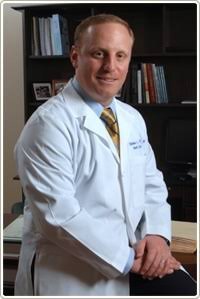
Dr. Zhen Fan, MD General Surgery
Dr. Zhen Fan, MD, is a board-certified general surgeon practicing in Houston, Texas. His clinical work focuses on minimally invasive and robotic surgery, with experience treating hernias, gallbladder disease, colorectal conditions, appendicitis, soft-tissue problems, and venous disease. He practices with Surgical Associates of Houston and has served the Houston community since 2008.
Dr. Fan completed medical school at the University of Cincinnati College of Medicine, followed by general surgery residency training at Good Samaritan Hospital in Cincinnati. He later completed advanced fellowship training in minimally invasive colorectal surgery at Case Western Reserve University in Cleveland.
Patients looking for additional surgeons can also browse the Doctiplus Surgery General & Specialized category, which includes physicians providing general and specialty surgical care.
General Surgery Care
General surgery covers a broad range of conditions involving the abdomen, digestive system, gallbladder, appendix, abdominal wall, soft tissues, and other areas that may require surgical treatment.
Dr. Fan is certified in Surgery by the American Board of Surgery. His current practice lists procedures involving hernias, gallbladder disease, colon and rectal conditions, appendicitis, hemorrhoids, soft-tissue disorders, and other general surgical problems.
A consultation with a general surgeon does not necessarily mean that an operation will be required. The first step usually involves reviewing symptoms, medical history, previous imaging or laboratory results, medications, and prior operations.
Depending on the diagnosis, a patient may be managed with observation, medication, additional testing, or surgery.
Dr. Fan’s current practice places particular emphasis on minimally invasive techniques designed to accomplish surgical treatment through smaller access points whenever clinically appropriate.
Minimally Invasive Surgery
Minimally invasive surgery is a central part of Dr. Fan’s practice.
Surgical Associates of Houston identifies him as a board-certified general surgeon specializing in minimally invasive procedures. His current clinical services include laparoscopic and robotic approaches for several abdominal and gastrointestinal conditions.
Instead of using one large incision, laparoscopic surgery generally involves several smaller incisions through which a camera and surgical instruments are introduced.
Potential advantages can include smaller wounds and a different recovery experience compared with traditional open surgery, although the appropriate technique depends on the patient’s condition and surgical history.
Not every operation can or should be performed minimally invasively. Severe infection, previous abdominal surgery, complex anatomy, emergency conditions, or the type of disease being treated may influence the safest approach.
Dr. Fan’s advanced training at Case Western Reserve University specifically included minimally invasive colorectal surgery.
Robotic Surgery
Robotic-assisted surgery is another major focus of Dr. Fan’s current practice.
Surgical Associates of Houston identifies robotic surgery as one of its primary specialties, while HCA Houston Healthcare lists robotic surgery among Dr. Fan’s clinical focus areas.
During robotic-assisted surgery, the surgeon controls specialized instruments while viewing the operative area through a magnified imaging system.
The robot does not perform the operation independently. Surgical decisions and instrument movements remain under the surgeon’s control.
Dr. Fan’s current professional profile reports that he has performed more than 1,500 robotic procedures.
Whether robotic surgery offers a meaningful advantage depends on the specific procedure and patient. Conventional laparoscopy, robotic surgery, and open surgery can all be appropriate in different situations.
Patients considering robotic surgery can ask why a particular technique has been recommended, what alternatives are available, and what recovery is expected to involve.
Hernia Surgery
Hernia treatment is one of the major areas of Dr. Fan’s surgical practice.
Surgical Associates of Houston lists treatment for inguinal, ventral, umbilical, incisional, epigastric, and femoral hernias. Dr. Fan uses minimally invasive techniques for appropriate ventral and inguinal hernia repairs.
A hernia develops when tissue pushes through a weakened area of muscle or connective tissue.
Some hernias cause a visible bulge with relatively little discomfort. Others can produce pain, pressure, or symptoms that become more noticeable during lifting, coughing, standing, or physical activity.
The National Institute of Diabetes and Digestive and Kidney Diseases notes that most people with inguinal hernias eventually require repair and that both open and laparoscopic approaches are available. The specific technique can depend on hernia size, medical history, age, and overall health.
A surgeon can assess the type of hernia and determine whether monitoring or repair is appropriate.
Inguinal Hernia
An inguinal hernia occurs in the groin and is one of the most common forms of abdominal-wall hernia.
Dr. Fan’s practice specifically provides inguinal hernia surgery using minimally invasive techniques when appropriate.
Symptoms may include a groin bulge, discomfort, pressure, or pain that becomes more noticeable with activity.
NIDDK explains that surgeons may repair inguinal hernias using either open or laparoscopic techniques. The recommended operation depends on several individual factors rather than one method being ideal for every patient.
A hernia that suddenly becomes very painful or is associated with significant new symptoms deserves prompt medical assessment because some complications require urgent treatment.
Ventral And Incisional Hernias
Ventral hernias develop through weakened areas in the abdominal wall.
Incisional hernias are a type of ventral hernia that can form around the site of a previous surgical incision.
Dr. Fan’s current practice specifically lists ventral and incisional hernia repair among its surgical services.
Previous abdominal surgery can influence how a new hernia is repaired. The surgeon may review earlier operative reports, imaging, scar location, hernia size, and whether more than one defect is present.
Treatment can involve open, laparoscopic, or robotic repair depending on the anatomy and individual circumstances.
Patients who have undergone previous abdominal operations should tell their surgeon about all prior procedures because scar tissue and previous repairs can affect surgical planning.
Gallbladder Disease
Gallbladder surgery is another important part of Dr. Fan’s practice.
His Surgical Associates of Houston profile specifically lists gallbladder removal, or cholecystectomy, among the procedures he performs with minimally invasive techniques.
Gallstones form when substances in bile harden inside the gallbladder. Some people have gallstones without symptoms, while others develop episodes of upper abdominal pain or complications.
NIDDK states that when gallstones cause attacks or other significant symptoms, treatment commonly involves surgical removal of the gallbladder.
The operation is called a cholecystectomy. NIDDK notes that it is one of the most commonly performed operations in adults and that people can live normally without a gallbladder.
Laparoscopic Gallbladder Removal
Many gallbladder operations can be performed laparoscopically.
Small incisions allow the surgeon to place a camera and specialized instruments into the abdomen and remove the gallbladder without using the larger incision associated with traditional open surgery.
Dr. Fan’s practice specifically emphasizes minimally invasive gallbladder surgery.
The surgeon may recommend additional testing before surgery depending on symptoms and previous findings. Ultrasound and laboratory tests are often part of the evaluation of suspected gallstone disease.
If stones have moved into the bile duct, additional evaluation or treatment can sometimes be necessary. NIDDK notes that ERCP can be used when bile or pancreatic ducts are narrowed or blocked by gallstones.
Appendicitis And Appendectomy
Appendectomy is also listed among the procedures performed in Dr. Fan’s general surgery practice.
Appendicitis occurs when the appendix becomes inflamed. It often requires prompt medical assessment because an untreated appendix can rupture and lead to more serious infection.
NIDDK states that appendicitis is generally treated with antibiotics and surgical removal of the appendix, although selected mild cases may sometimes be treated without surgery. Appendectomy may be performed laparoscopically or through an open operation.
Patients with significant or rapidly worsening abdominal symptoms should seek timely medical evaluation rather than waiting for a routine surgical appointment.
Colorectal Surgery
Dr. Fan has advanced fellowship training in minimally invasive colorectal surgery.
After completing his general surgery residency in Cincinnati, he undertook fellowship training at Case Western Reserve University in Cleveland. Memorial Hermann and his current professional profile both document this advanced colorectal surgical training.
Surgical Associates of Houston currently lists colon resection, colostomy reversal, ileostomy reversal, hemorrhoid surgery, anal fistula surgery, and other colorectal procedures among its services.
Colorectal surgery can become necessary for several different conditions, and the type of operation depends heavily on the diagnosis.
Before recommending surgery, the physician may review colonoscopy findings, pathology, CT or MRI imaging, laboratory tests, previous operations, and the patient’s overall medical condition.
Colon Resection
Colon resection, also called colectomy, involves removing part of the large intestine.
Dr. Fan’s current practice lists colon resection among the minimally invasive procedures he performs.
A colectomy may be considered for several different colorectal problems. The amount of bowel removed and whether the remaining sections can be connected depend on the location and severity of disease.
Some patients require only removal of a small section, while others need a more extensive operation.
Dr. Fan’s fellowship background in minimally invasive colorectal surgery is particularly relevant to laparoscopic approaches to colon surgery.
Colostomy And Ileostomy Reversal
Surgical Associates of Houston also lists colostomy reversal and ileostomy reversal among its current procedures.
An ostomy is created when part of the intestine is brought through the abdominal wall so intestinal contents leave the body through a stoma. NIDDK explains that ostomy surgery may be necessary when part of the bowel is diseased, injured, or missing.
Some ostomies are permanent, while others are intentionally created as temporary measures that may later be reversed after healing.
Whether reversal is possible depends on why the ostomy was created, the condition of the remaining bowel, recovery from the original disease or operation, and the patient’s overall health.
A colorectal surgical evaluation can determine whether reconnection is technically and medically appropriate.
Hemorrhoid And Anal Surgery
Dr. Fan’s current Surgical Associates of Houston services also include hemorrhoidectomy and anal fistula surgery.
Not every hemorrhoid or anal condition requires an operation. Many patients can initially be treated with nonoperative methods depending on the diagnosis and severity.
Surgery may become appropriate when symptoms remain significant, complications develop, or conservative treatment does not provide adequate improvement.
Because different anorectal conditions can cause similar symptoms, an accurate diagnosis is important before selecting treatment.
Varicose Veins And Vein Disease
Dr. Fan also has a substantial clinical focus on vein disease.
His current professional profile describes him as a general surgeon specializing not only in minimally invasive and robotic procedures but also in advanced treatment of venous disease. It reports experience with more than 4,000 vein closure treatments.
Surgical Associates of Houston lists varicose vein treatment and vein ablation among its current services.
Varicose veins are enlarged veins that most commonly occur in the legs.
MedlinePlus notes that conservative measures such as activity, leg elevation, and compression may be helpful for some patients, while procedures can be considered when symptoms remain significant.
Vein Ablation
Vein ablation is one method used to treat selected abnormal veins.
MedlinePlus describes several modern approaches for venous insufficiency, including laser treatment, radiofrequency ablation, sclerotherapy, and other methods that close or remove problem veins.
Dr. Fan’s practice specifically includes vein ablation and reports extensive experience with vein-closure procedures.
Treatment decisions depend on symptoms, examination findings, ultrasound testing, vein anatomy, and whether conservative measures have already been attempted.
Soft Tissue Surgery
Soft-tissue surgery is another service provided through Dr. Fan’s current general surgery practice.
Soft-tissue problems can involve skin, fat, connective tissue, and structures below the skin. Patients may be referred to a surgeon for evaluation of a lump, cyst, or other abnormal area that may need removal or biopsy.
Not every mass requires surgery.
The surgeon may first review how long it has been present, whether it is changing, whether it causes discomfort, and whether imaging or another form of evaluation has already been completed.
When tissue is removed, pathology examination may be used to establish a final diagnosis.
Nissen Fundoplication And Reflux Surgery
Surgical Associates of Houston lists Nissen fundoplication among its gastrointestinal surgical services.
Fundoplication is an operation used in selected patients with significant gastroesophageal reflux or related anatomical problems when surgical treatment is appropriate.
Most people with reflux do not require an operation. Medication and lifestyle measures are commonly tried first.
Surgery may be discussed when symptoms remain difficult to control, complications occur, or testing identifies a condition that could benefit from operative treatment.
A surgical evaluation typically considers symptoms together with endoscopy, imaging, reflux testing, and previous treatment history.
Upper Endoscopy And Colonoscopy
Dr. Fan’s practice also lists EGD and colonoscopy among its gastrointestinal services.
An EGD allows a physician to examine the esophagus, stomach, and beginning of the small intestine using a flexible camera.
Colonoscopy examines the colon and can be used for screening as well as evaluation of symptoms or previous abnormal findings.
Endoscopic findings may sometimes help a surgeon decide whether an operation is required or whether another treatment is more appropriate.
Surgical Consultation And Treatment Planning
Dr. Fan’s current practice describes an individualized approach in which treatment plans are developed according to each patient’s condition rather than using one standard surgical strategy.
This can be particularly important in general surgery because several different techniques may be available for the same condition.
A hernia, for example, may be repaired through an open, laparoscopic, or robotic approach. Gallbladder surgery may normally be minimally invasive but occasionally require a different approach. Colon surgery may also vary depending on the diagnosis, location, and complexity of disease.
The consultation allows the surgeon to explain what operation is being recommended, why it is appropriate, and what alternatives may exist.
Education And Medical Training
Dr. Fan earned his medical degree from the University of Cincinnati College of Medicine, graduating in 2002. Doximity and Memorial Hermann both confirm his University of Cincinnati medical education.
He subsequently completed his General Surgery residency at Good Samaritan Hospital in Cincinnati from 2002 through 2007. Current Doximity records identify the program as TriHealth Good Samaritan Hospital.
His current professional biography states that he served as Chief Resident during his surgical training.
After residency, Dr. Fan completed advanced fellowship training in Minimally Invasive Colorectal Surgery at Case Western Reserve University in Cleveland, Ohio.
He began practicing in the Houston community in 2008.
Board Certification
Dr. Fan is certified in Surgery by the American Board of Surgery. Current Doximity information displays this certification using American Board of Medical Specialties data, and HCA Houston Healthcare independently identifies him as board certified in General Surgery.
His Doximity profile also lists a Texas medical license.
Patients who need formal credential verification should confirm current licensing or board-certification status with the appropriate professional organization because renewal information can change over time.
Surgical Leadership
Dr. Fan has also held hospital leadership responsibilities.
His current professional biography states that he served as Chief of Surgery at HCA Houston Healthcare West from 2020 through 2022.
Surgical Associates of Houston also notes previous leadership involvement at the same hospital and recognition from Memorial Hermann Memorial City Medical Center.
This leadership history sits alongside his continuing clinical practice in general, minimally invasive, robotic, colorectal, and venous surgery.
Current Practice At Surgical Associates Of Houston
As of August 13, 2026, Dr. Fan is currently listed with Surgical Associates of Houston. Doximity identifies the practice at 1140 Business Center Drive, Suite 403, Houston, Texas 77043.
The current Surgical Associates of Houston website lists two main appointment locations:
1140 Business Center Drive, Suite 403
Houston, Texas 77043
9440 Bellaire Boulevard, Suite 205
Houston, Texas 77036
Memorial Hermann additionally lists Dr. Fan at Houston-area locations including Business Center Drive, Richmond Avenue, and Bellaire Boulevard.
Because individual office schedules can change, patients should confirm which location Dr. Fan is using for their particular appointment.
Additional Houston Clinical Work
Dr. Fan is also currently listed as a provider with the Pasha Snoring & Sinus Center network, where his profile emphasizes his minimally invasive surgical and vein-disease expertise.
That current provider profile lists locations in West Houston and other Houston-area offices and identifies him as a surgeon providing advanced vein treatment.
His primary general surgery practice remains identified as Surgical Associates of Houston in current surgical and hospital directories.
Hospital Affiliations
HCA Houston Healthcare currently lists Dr. Fan as affiliated with HCA Houston Healthcare West and identifies General Surgery as his board-certified specialty.
Current professional directories also associate him with Memorial Hermann Memorial City Medical Center.
Hospital affiliations and operating privileges can change, so patients planning surgery should confirm where their particular procedure will be performed.
Accepting New Patients And Telehealth
Current Healthgrades information identifies Dr. Fan as accepting new patients and offering telehealth appointments.
His current Surgical Associates of Houston site also provides an appointment request system for new consultations.
Telehealth may be useful for selected discussions or follow-up appointments, but many surgical problems require physical examination, review of imaging, or in-person assessment before a treatment recommendation can be finalized.
Patients should confirm whether their particular concern is appropriate for a virtual visit when scheduling.
Preparing For A Surgical Appointment
Patients can make a consultation with a general surgeon more productive by bringing an updated medication list, allergy information, recent laboratory results, imaging studies, hospital records, and previous operative reports.
For a hernia consultation, it may help to describe when the bulge or discomfort first appeared, what activities make symptoms worse, and whether previous abdominal surgery has occurred.
Patients with possible gallbladder disease should bring available ultrasound reports, CT imaging, blood tests, or emergency-department records.
Those seeking colorectal evaluation can bring colonoscopy reports, pathology findings, previous abdominal imaging, and records from earlier bowel surgery.
For vein concerns, any previous vascular ultrasound reports, compression treatment history, and information about earlier vein procedures can be useful.
A detailed history helps the surgeon determine what has already been investigated and whether further testing, observation, or surgery is appropriate.
Questions To Discuss Before Surgery
Before an operation, patients may want to understand exactly what procedure is being recommended and why.
Useful topics include whether the surgery will be open, laparoscopic, or robotic, how long recovery may take, what activity restrictions are expected, and whether there are reasonable alternatives.
Patients should also discuss existing health conditions such as diabetes, cardiovascular disease, breathing problems, kidney disease, or previous blood clots because these can influence surgical planning.
A complete medication review is important, particularly for people taking anticoagulants or other medicines that can affect surgery.
Patients should follow the specific preoperative instructions provided by their surgical team rather than relying on general instructions intended for other procedures.
Continuing Surgical Care
Dr. Zhen Fan’s professional background combines American Board of Surgery certification, general surgery residency training, advanced minimally invasive colorectal fellowship training, robotic surgical experience, and a long-standing Houston practice.
His current clinical work through Surgical Associates of Houston includes hernia surgery, gallbladder removal, colorectal procedures, appendectomy, soft-tissue surgery, endoscopic services, and treatment of varicose veins.
For patients who may need surgery, a consultation can help clarify whether an operation is necessary, which technique is most appropriate, and what treatment and recovery are likely to involve.



Reviews
There are no reviews yet.